When securing expansive perimeters, understanding the barbed wire roll price fence dynamics is essential for balancing security needs with budget constraints. Whether for agricultural livestock management or industrial site protection, the cost of these rolls is rarely just about the material; it is an investment in long-term deterrence and property integrity. In a global market where raw steel prices fluctuate, knowing how to evaluate the value of a fence roll can save organizations thousands in procurement and maintenance costs.
From a global perspective, the demand for cost-effective security solutions has surged, making the analysis of barbed wire roll price fence options a priority for procurement managers. With the rise of infrastructure projects in developing regions, the industry has seen a shift toward high-tensile, galvanized coatings that offer a lower "total cost of ownership" despite potentially higher initial price points. This strategic shift ensures that boundaries remain secure without the need for frequent, costly replacements.
However, navigating the pricing landscape can be challenging due to the variety of gauges, coatings, and roll lengths available. By dissecting the factors that influence the barbed wire roll price fence, such as zinc coating thickness and wire diameter, users can make informed decisions. This guide provides a comprehensive breakdown of everything from material specifications to installation efficiencies, ensuring you get the maximum security for every dollar spent.
Global Market Dynamics of Barbed Wire Pricing
The pricing of barbed wire on a global scale is intrinsically linked to the volatility of the steel industry. As a primary component of the barbed wire roll price fence calculation, the cost of cold-rolled steel wire fluctuates based on iron ore availability and energy costs. In regions like Asia and North America, these price shifts are often magnified by logistics and import tariffs, requiring buyers to hedge their purchases through long-term contracts.
Beyond raw materials, the global supply chain efficiency plays a critical role. For instance, large-scale agricultural projects in South America or livestock farming in Australia depend on the bulk availability of rolls. When demand peaks during seasonal fencing cycles, the price per roll can spike, making it vital for project managers to analyze price trends and source materials during off-peak periods to maintain project profitability.
Technical Specifications Influencing Fence Cost
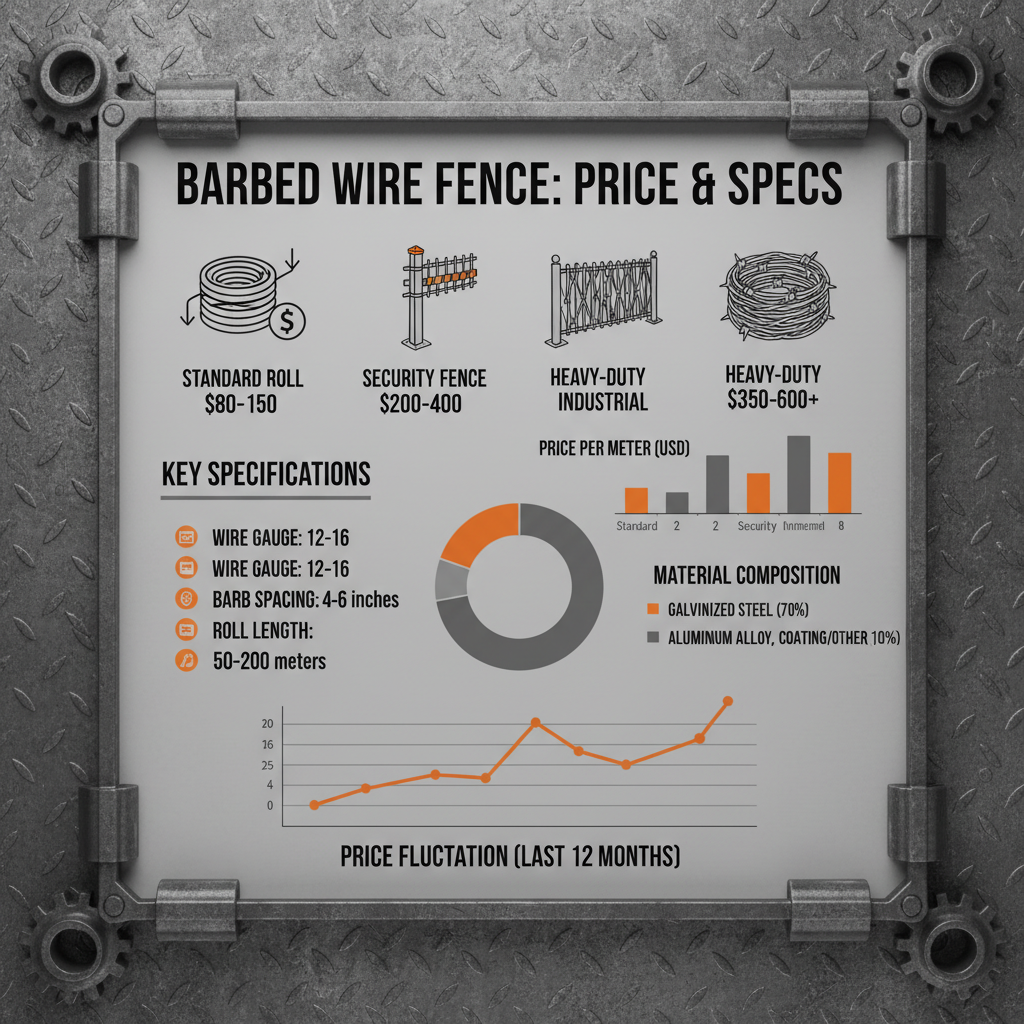
Understanding the technical nuances is the only way to truly decode the barbed wire roll price fence. One of the most significant variables is the wire gauge; a thicker wire provides superior structural strength and deterrence but increases the material cost. Conversely, lighter gauges are more affordable and easier to install but may succumb to sagging or cutting over time, leading to higher maintenance expenditures.
The spacing and sharpness of the barbs also contribute to the overall pricing. High-security rolls often feature more frequent barbs per linear foot, which requires more labor and material during the twisting process. This increased density enhances the psychological and physical deterrent effect, justifying a premium price point for industrial or military-grade applications compared to standard agricultural fence rolls.
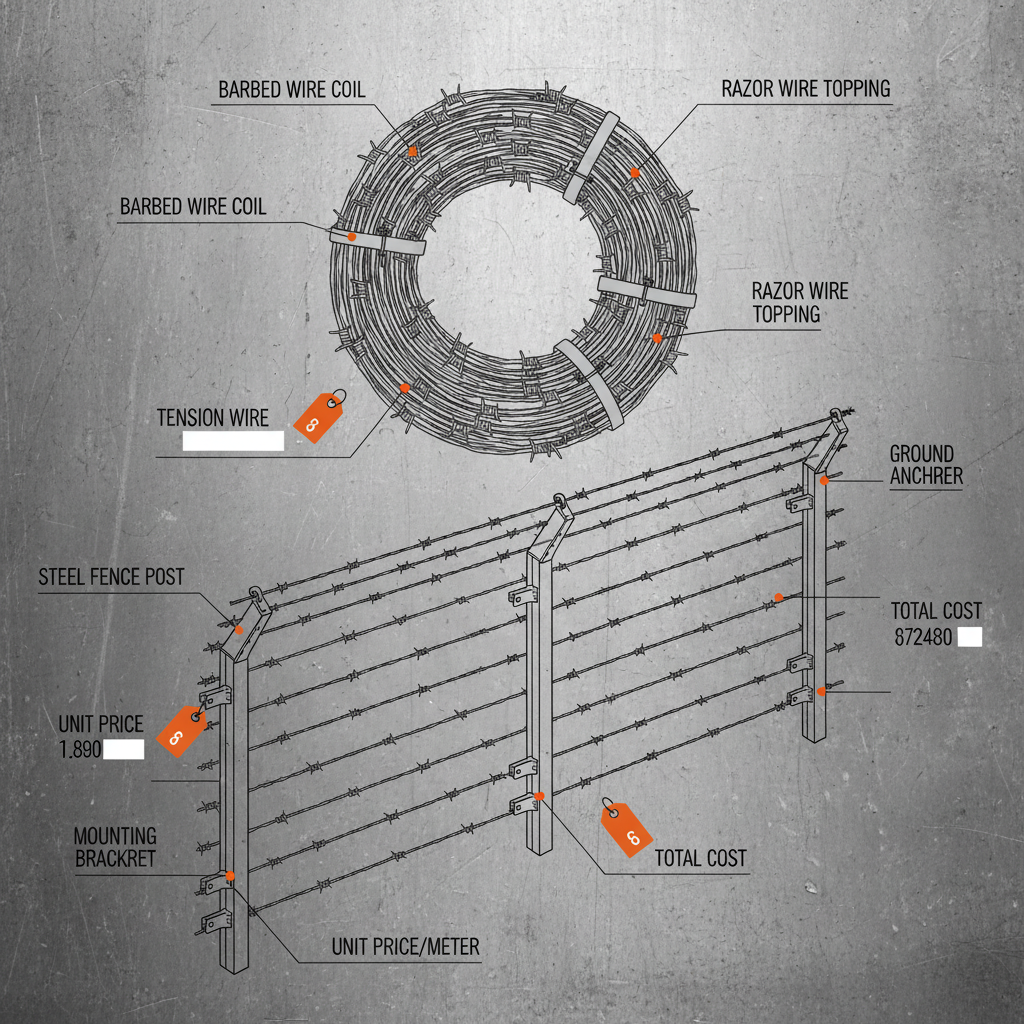
Furthermore, the tension capacity of the steel determines how many posts are required for a stable installation. High-tensile barbed wire, while often costing more per roll, allows for wider post spacing. This creates a paradoxical cost-saving effect where the higher barbed wire roll price fence is offset by a significant reduction in the number of T-posts or wooden stakes needed for the entire perimeter.
The Relationship Between Coating and Long-Term Value
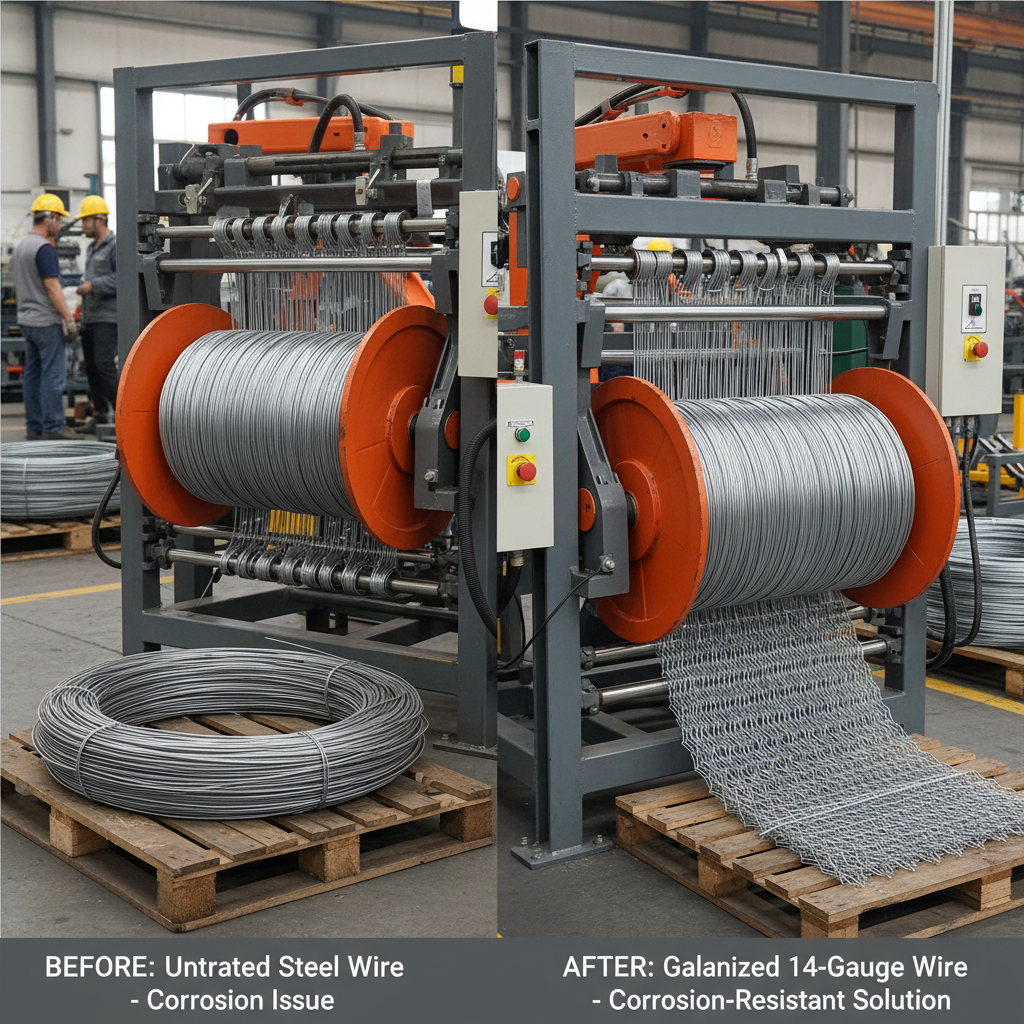
The durability of a perimeter depends heavily on its resistance to corrosion, which is where the barbed wire roll price fence varies most. Electro-galvanized wire offers a thin layer of zinc and is the most budget-friendly option, suitable for dry climates where rust is not a primary concern. However, in humid or coastal environments, this coating is often insufficient for long-term deployment.
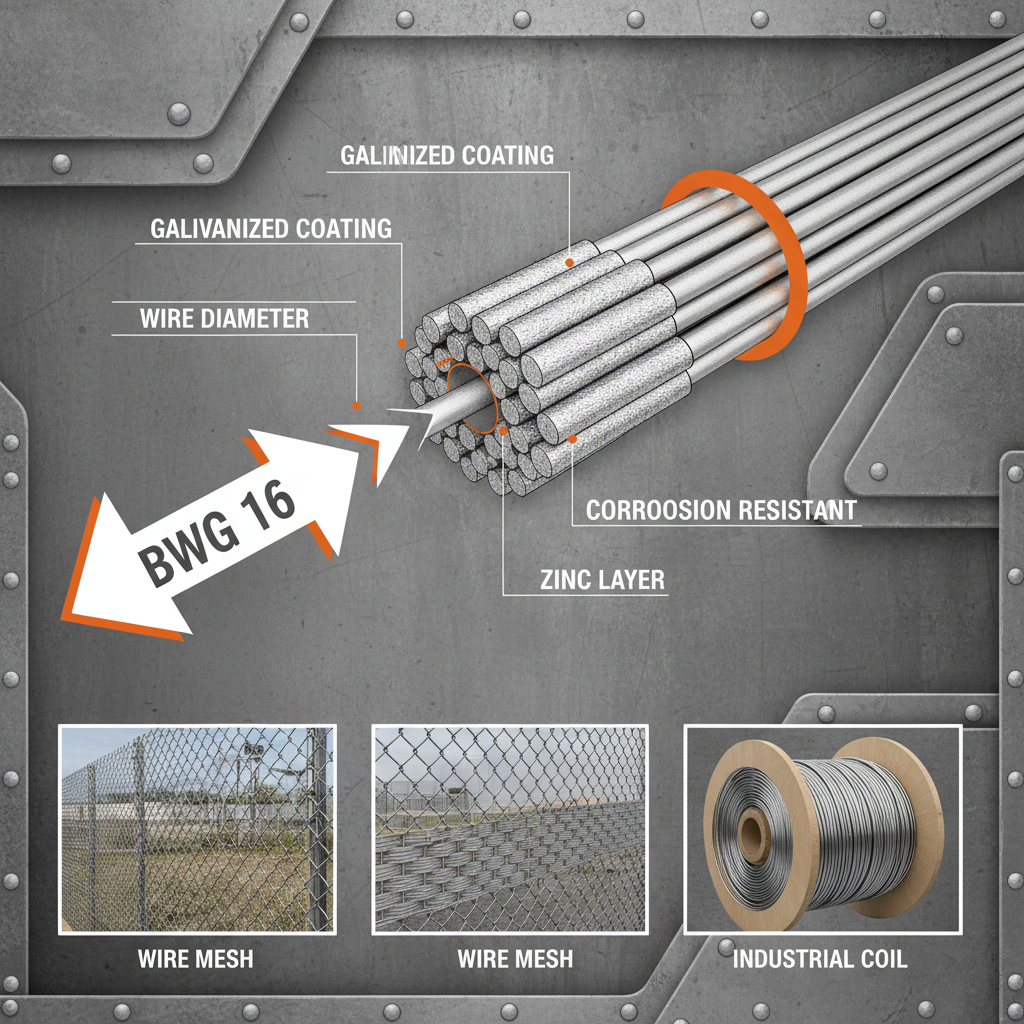
Hot-dipped galvanization represents the gold standard for longevity, significantly impacting the barbed wire roll price fence. By immersing the wire in molten zinc, a thick, bonded layer is created that protects the steel from oxidation for decades. For professional contractors, the initial 20-30% price increase is a logical trade-off to avoid the labor-intensive process of replacing rusted wire every few years.
For those seeking maximum aesthetics and extreme weather protection, PVC-coated barbed wire is an option. While this drives the barbed wire roll price fence higher, the plastic sleeve adds an extra barrier against salt spray and acidic rain. This is particularly valuable in high-end residential boundaries or chemical industrial zones where environmental corrosion is aggressive.
Comparative Analysis of Installation Efficiency
The total project cost is not merely the sum of the barbed wire roll price fence but also the labor efficiency of the deployment. Standard rolls are designed for manual stretching, which is time-consuming and labor-heavy. In contrast, rolls compatible with mechanical tensioning tools allow for rapid installation over miles of terrain, significantly lowering the "cost per linear meter" of the completed project.
When comparing different roll lengths, bulk rolls generally offer a lower unit price but require more heavy-duty handling equipment. The logistical challenge of moving 1,000-meter rolls versus 200-meter rolls can introduce hidden costs in transport and man-hours, making it essential to align the roll size with the available installation machinery and crew size.
Efficiency and Cost-Benefit Analysis of Barbed Wire Options
Industrial Applications Across Diverse Regions
In the agricultural heartlands of the Midwestern US and the plains of India, the barbed wire roll price fence is a critical factor for livestock containment. Farmers often opt for a balance between cost and durability, using standard galvanized rolls that provide adequate deterrence for cattle without overextending the seasonal budget. In these contexts, the focus is on maximizing the area covered per roll.
Conversely, in high-security industrial zones or remote mining sites in Africa and South America, the priorities shift from cost to absolute reliability. Here, the barbed wire roll price fence becomes secondary to the wire's ability to withstand extreme weather and attempted breaches. These organizations typically invest in heavy-gauge, hot-dipped rolls, often integrating them with razor wire for a multi-layered security approach.
Sustainable Sourcing and Environmental Impact
As the manufacturing sector moves toward "Green Steel," the barbed wire roll price fence is beginning to reflect the cost of sustainability. Companies are increasingly sourcing steel from recycled scrap and utilizing low-emission smelting processes. While these eco-friendly methods may initially carry a price premium, they are becoming a requirement for government tenders and corporate ESG (Environmental, Social, and Governance) mandates.
The environmental impact also extends to the coatings used. The industry is shifting away from toxic chemical treatments toward safer, more stable galvanization processes that reduce wastewater contamination. This evolution ensures that the security provided by a barbed wire roll price fence does not come at the expense of the surrounding ecosystem's health.
Moreover, the longevity of high-quality rolls contributes to sustainability by reducing the frequency of replacement. By choosing a roll with a superior zinc coating, landowners reduce the volume of metal waste entering landfills over a 30-year period. This long-term perspective transforms the purchase from a simple commodity transaction into a sustainable land-management strategy.
Future Innovations in Perimeter Security Materials
The future of the barbed wire roll price fence lies in the integration of smart materials. We are seeing the emergence of alloy-strengthened wires that provide the strength of heavy-gauge steel at a fraction of the weight. This innovation promises to lower shipping costs and make installation easier while maintaining high security standards.
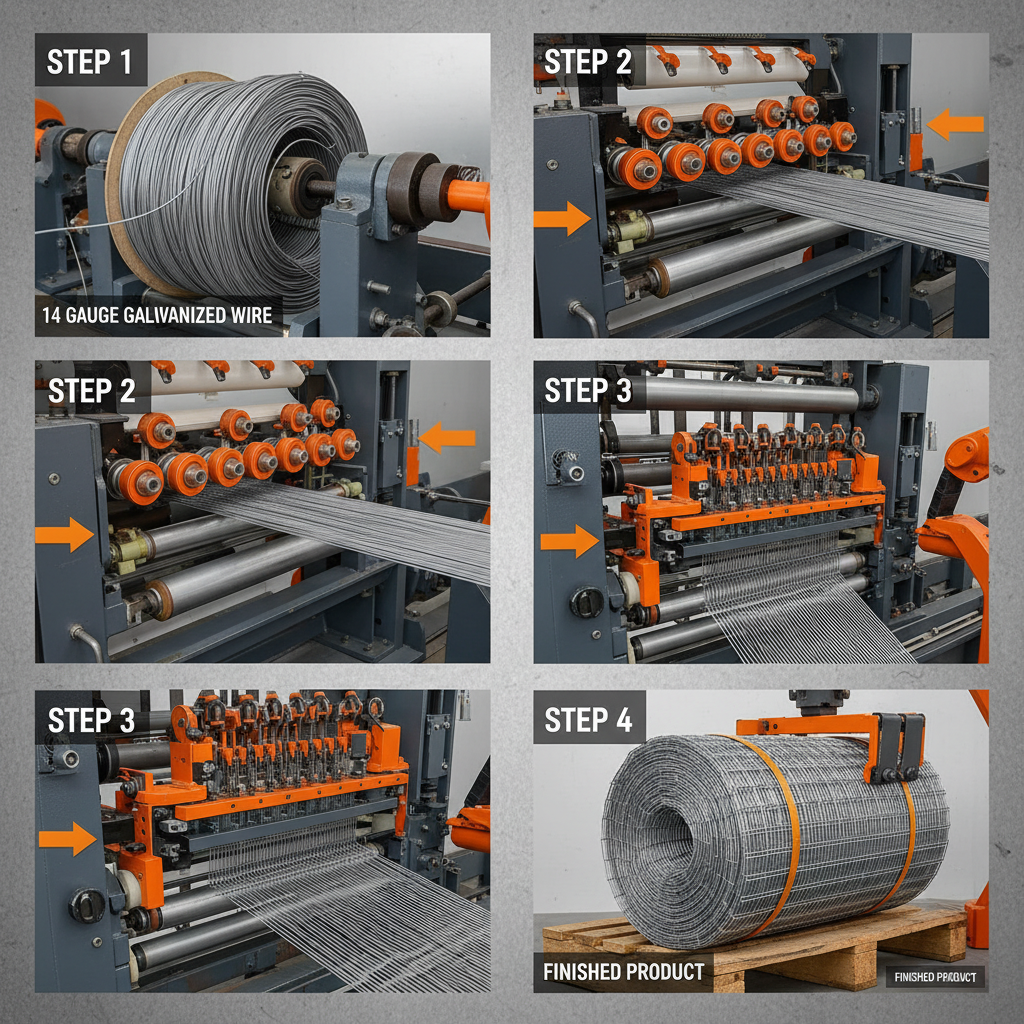
Automation in the twisting and winding process is also driving down production costs. Advanced robotics can now ensure a perfect barb distribution and a more consistent zinc coating, reducing the defect rate in each roll. As these efficiencies scale, the market can expect a more stabilized barbed wire roll price fence, making high-quality security accessible to smaller landowners.
Furthermore, the integration of sensor-enabled fencing is on the horizon. While traditional barbed wire remains the physical barrier, the synergy between low-cost wire rolls and low-power IoT sensors will allow owners to detect breaches in real-time. This hybrid approach ensures that the physical reliability of the wire is augmented by digital intelligence.
Comparison of Wire Material Performance and Cost Factors
| Wire Material Type |
Corrosion Resistance |
Initial Price Impact |
Expected Lifespan |
| Electro-Galvanized |
Low |
Economy (Low) |
3-7 Years |
| Hot-Dipped Zinc |
High |
Moderate |
15-25 Years |
| PVC Coated |
Very High |
Premium (High) |
20-30 Years |
| High-Tensile Steel |
Moderate |
Moderate |
12-20 Years |
| Stainless Steel |
Extreme |
Luxury (Very High) |
40+ Years |
| Black Annealed |
Very Low |
Budget (Lowest) |
1-3 Years |
FAQS
To calculate the total cost, first measure the total linear perimeter and multiply by the number of strands (usually 3 to 5). Divide the total length by the length of one roll (e.g., 400 meters) to find the number of rolls needed. Multiply this by the current unit price per roll and add a 5-10% buffer for waste and overlapping at the posts.
Absolutely. While the initial barbed wire roll price fence is higher, hot-dipped zinc provides a significantly thicker protective layer. In most environments, it lasts 3 to 5 times longer than electro-galvanized wire, meaning you avoid the cost of replacement and the labor of re-installing the fence for several decades.
Yes, the wire gauge refers to the thickness. Heavier gauges use more raw steel per meter, which directly increases the price. However, heavier wire is harder to cut and resists sagging better, which can reduce the number of support posts required, potentially lowering the overall project cost.
For coastal areas with high salt spray, we recommend PVC-coated or high-grade hot-dipped galvanized wire. Standard galvanized wire will rust quickly due to the saline environment. PVC coating adds a physical plastic barrier that prevents salt from reaching the steel core, ensuring a much longer lifespan.
Yes, most manufacturers offer tiered pricing based on volume. Ordering by the pallet or container typically reduces the price per roll significantly. For large-scale agricultural or industrial projects, it is always recommended to negotiate bulk rates directly with the factory to optimize the budget.
High-tensile wire is treated to have a higher breaking strength, allowing it to be stretched tighter with less sag. While it may influence the barbed wire roll price fence upward, it allows for wider post spacing, reducing the total amount of hardware needed for the installation.
Conclusion
Navigating the complexities of the barbed wire roll price fence requires a holistic view that balances initial procurement costs with long-term durability and installation efficiency. By understanding the critical impact of galvanization methods, wire gauges, and material strengths, buyers can move beyond simply seeking the lowest price to seeking the highest value. Whether the goal is simple livestock containment or high-security industrial deterrence, the right choice of materials ensures a secure perimeter that stands the test of time and weather.
Looking forward, the integration of sustainable manufacturing and smart-material alloys will likely stabilize pricing while increasing performance. We suggest that property owners and procurement managers prioritize hot-dipped or PVC-coated options for any long-term investment to minimize lifecycle costs. For professional-grade solutions and competitive bulk pricing, we invite you to explore our comprehensive range of security products. Visit our website: www.fivestar-metals.com