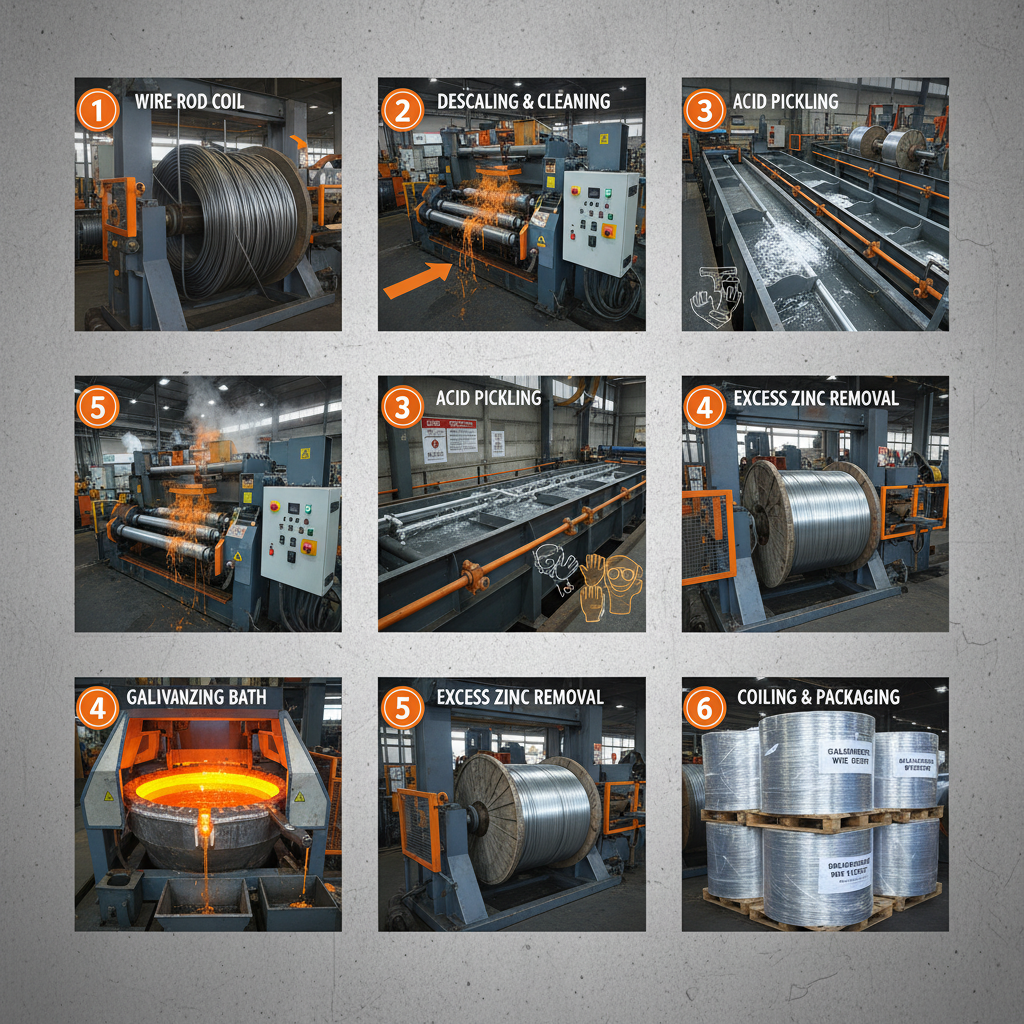
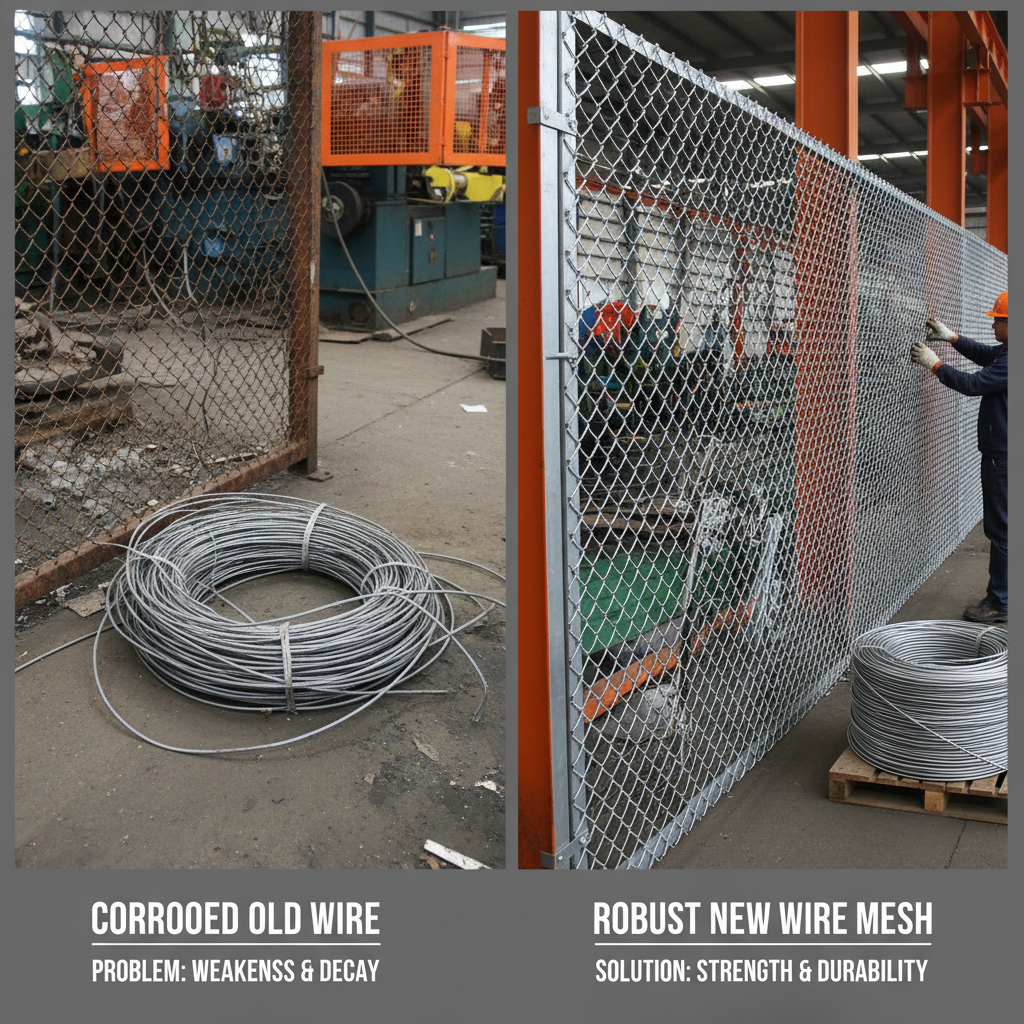
Galvanized wire 14, a staple in countless industries, represents a vital component in infrastructure, agriculture, and everyday life. Its robust corrosion resistance, stemming from the zinc coating, makes it an ideal material for applications demanding longevity and reliability. Understanding the properties and applications of galvanized wire 14 is crucial for engineers, builders, and anyone involved in selecting durable materials for projects ranging from fencing to electrical transmission.
The global demand for galvanized wire 14 is steadily increasing, driven by rapid urbanization, infrastructural development in emerging economies, and a growing awareness of the long-term cost savings associated with corrosion-resistant materials. According to the World Steel Association, coated steel products, including galvanized wire, constitute a significant and growing portion of the global steel market. This demand highlights the critical role of galvanized wire 14 in supporting global development.
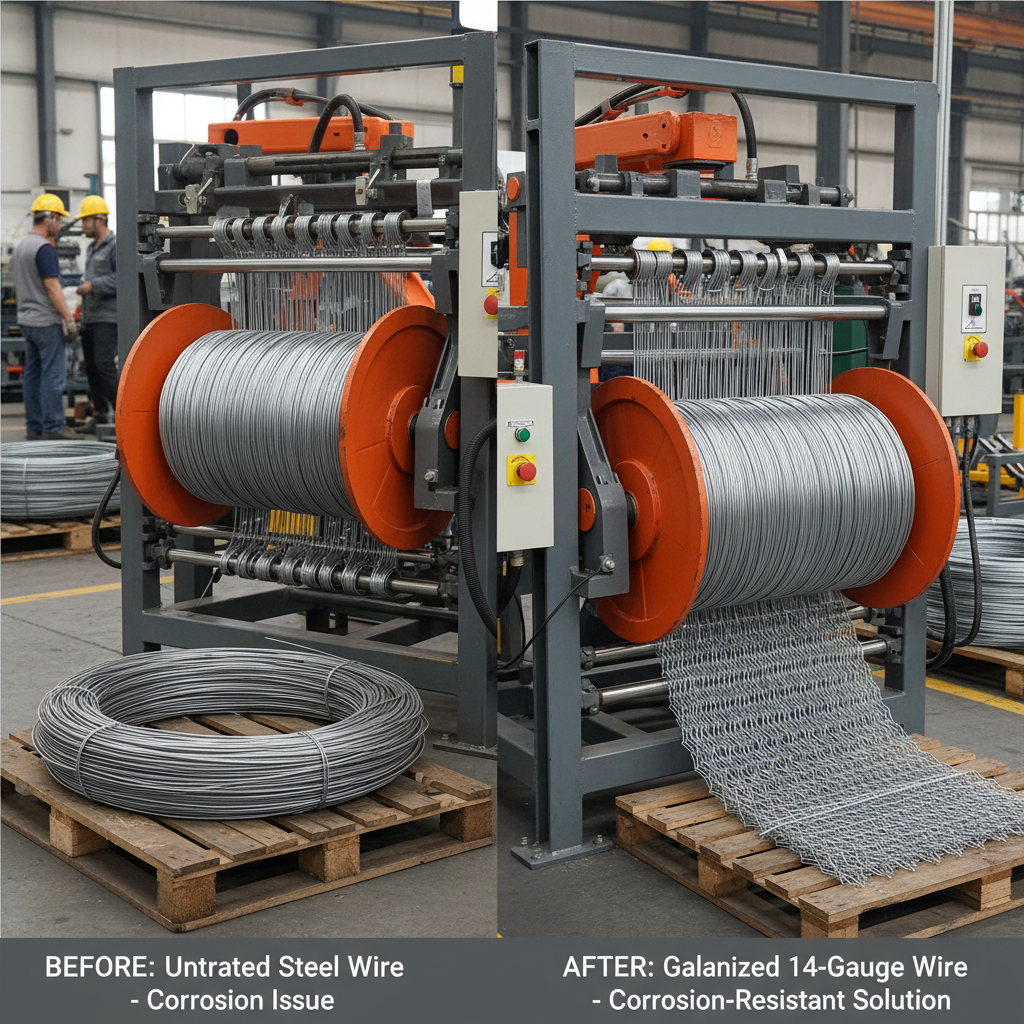
Galvanized wire 14 addresses a fundamental challenge: preventing the degradation of steel due to environmental factors. Traditional steel is susceptible to rust, necessitating frequent replacements and costly repairs. Galvanized wire 14 provides a protective barrier, extending the lifespan of structures and equipment, reducing maintenance requirements, and ultimately contributing to more sustainable practices.
The Significance of Galvanized Wire 14
Galvanized wire 14 is more than just a building material; it’s a foundational element in ensuring the longevity and safety of countless structures and systems. Its widespread adoption is a testament to its reliability and cost-effectiveness compared to alternative materials that may require more frequent maintenance or replacement. The impact of using galvanized wire 14 extends beyond immediate cost savings, contributing to reduced waste and a more sustainable future.
The consistent demand for galvanized wire 14 across diverse sectors – from agriculture and construction to telecommunications and security – underscores its versatility and adaptability. Its ability to withstand harsh environmental conditions makes it a particularly valuable asset in regions prone to extreme weather or corrosive environments, safeguarding infrastructure and minimizing disruption to essential services.
Defining Galvanized Wire 14
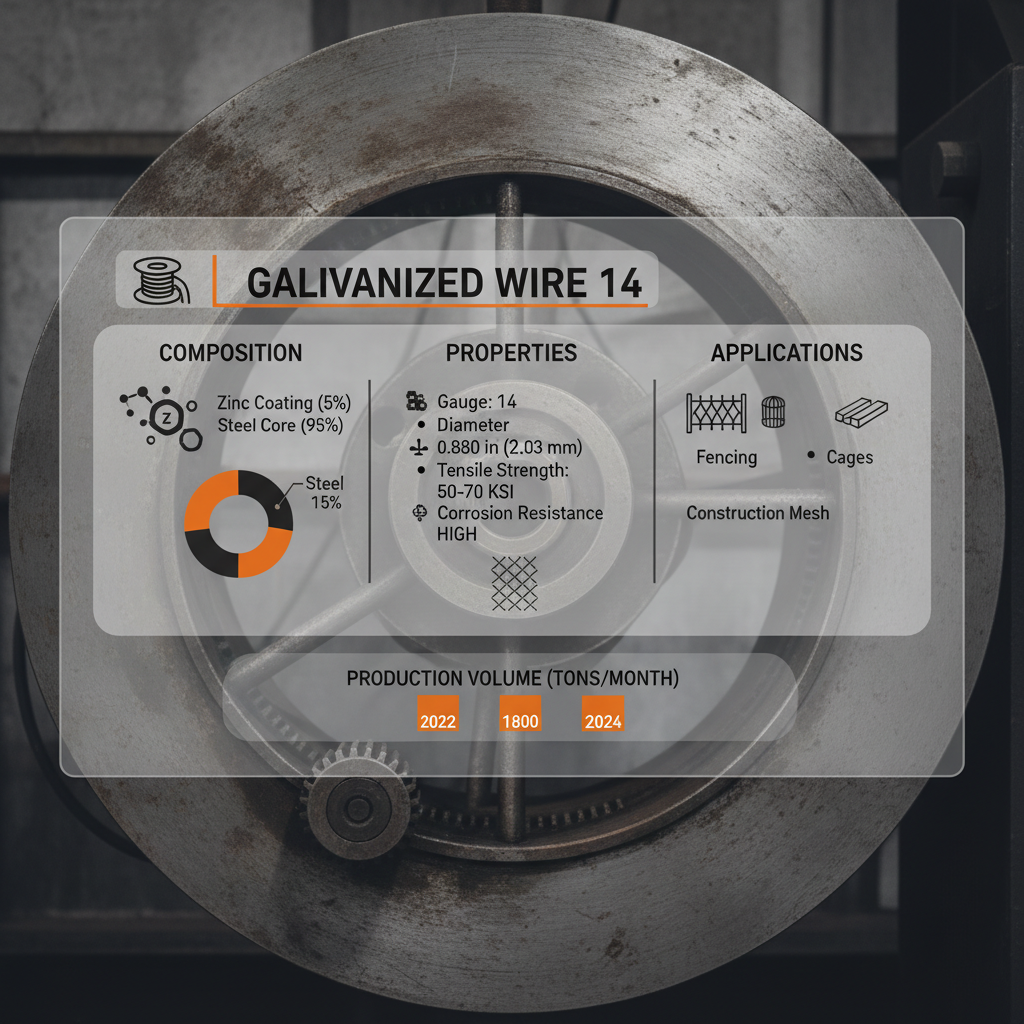
Galvanized wire 14 refers to steel wire that has been coated with a layer of zinc through a process known as galvanization. The “14” designation typically refers to the wire gauge, a standard measurement of wire diameter. Lower gauge numbers indicate thicker wire. This zinc coating serves as a sacrificial anode, protecting the underlying steel from corrosion even if the coating is scratched or damaged.
The connection between galvanized wire 14 and modern industry is profound. It is a critical component in everything from high-tension power lines and communication cables to fencing, roofing, and even art installations. Its durability and reliability are essential for maintaining the integrity of these systems and ensuring their long-term performance.
In humanitarian contexts, galvanized wire 14 often plays a crucial role in providing rapid shelter solutions, constructing temporary fencing for refugee camps, and securing essential infrastructure in disaster-stricken areas. Its strength and resistance to the elements make it an invaluable resource in responding to emergencies and supporting recovery efforts.
Core Properties of Galvanized Wire 14
Durability is arguably the most significant property of galvanized wire 14. The zinc coating acts as a barrier against moisture, oxygen, and other corrosive agents, significantly extending the lifespan of the wire compared to uncoated steel. This durability translates into lower maintenance costs and reduced replacement frequency.
Formability is another key advantage. Galvanized wire 14 can be easily bent, twisted, and shaped without cracking or losing its protective coating, making it suitable for a wide range of applications that require intricate designs or complex configurations. The process of galvanization itself doesn’t significantly compromise the wire’s ability to be worked.
Cost-effectiveness represents a significant benefit. While the initial cost of galvanized wire 14 may be slightly higher than uncoated steel, the long-term savings resulting from reduced maintenance and replacement costs make it a financially sound investment. This is particularly true in harsh environments where corrosion is a major concern.
Real-World Applications of Galvanized Wire 14
The applications of galvanized wire 14 are incredibly diverse. In agriculture, it’s used extensively for fencing, poultry netting, and vineyard trellises, providing long-lasting protection against the elements and preventing livestock from escaping. In construction, it’s a critical component of reinforcing mesh, roofing systems, and security fencing.
Within the telecommunications industry, galvanized wire 14 is used for stay wires supporting utility poles and as a grounding wire to protect against electrical surges. Its strength and resistance to corrosion ensure the reliable operation of essential communication networks. In remote industrial zones, it is frequently used for securing equipment and providing temporary infrastructure.
Application Performance of Galvanized Wire 14
Advantages and Long-Term Value
The tangible benefits of using galvanized wire 14 are numerous. Reduced maintenance costs represent a significant long-term saving, as the wire’s corrosion resistance minimizes the need for frequent repairs or replacements. Furthermore, the extended lifespan of structures built with galvanized wire 14 contributes to resource conservation and reduces waste.
Beyond the economic advantages, there’s a substantial social impact. The safety and reliability of infrastructure built with galvanized wire 14 enhance the quality of life for communities, providing secure fencing, safe transportation networks, and dependable communication systems. This fosters trust and a sense of security within society.
Future Trends in Galvanized Wire 14
Innovations in galvanization techniques are driving improvements in coating quality and durability. Research into advanced zinc alloys and coating processes promises to further enhance corrosion resistance and extend the lifespan of galvanized wire 14. The integration of nanotechnology could also lead to self-healing coatings that automatically repair minor damage.
The increasing emphasis on sustainability is fueling demand for environmentally friendly galvanization processes. Manufacturers are exploring ways to reduce energy consumption, minimize waste, and utilize recycled materials in the production of galvanized wire 14. Digital transformation and automation are also playing a role, optimizing production processes and improving quality control.
Furthermore, the demand for smarter infrastructure is driving the development of galvanized wire 14 with integrated sensors and data transmission capabilities. These smart wires can provide real-time monitoring of structural integrity and environmental conditions, enabling proactive maintenance and preventing costly failures.
Challenges and Solutions
One challenge associated with galvanized wire 14 is the potential for hydrogen embrittlement, a phenomenon that can occur during the galvanization process, weakening the wire. However, this can be mitigated through careful control of the galvanization process and the use of appropriate post-treatment techniques.
Another limitation is the cost of the galvanization process itself. However, this cost is often offset by the long-term savings resulting from reduced maintenance and replacement. Continued innovation in galvanization technologies is focused on reducing production costs without compromising quality.
Finally, the environmental impact of zinc mining and processing is a concern. Responsible sourcing of zinc and the development of closed-loop recycling systems are crucial steps towards minimizing the environmental footprint of galvanized wire 14 production.
Summary of Challenges and Solutions for Galvanized Wire 14
| Challenge |
Severity (1-10) |
Potential Solution |
Implementation Cost (1-10) |
| Hydrogen Embrittlement |
6 |
Process Control & Post-Treatment |
4 |
| Galvanization Process Cost |
7 |
Technological Innovation & Automation |
5 |
| Zinc Mining Environmental Impact |
8 |
Responsible Sourcing & Recycling |
6 |
| Coating Uniformity |
5 |
Optimized Bath Composition & Temperature Control |
3 |
| Limited Availability of High-Grade Zinc |
4 |
Exploration of New Zinc Deposits & Recycling Initiatives |
7 |
| Resistance to Certain Corrosive Environments |
6 |
Development of Advanced Alloy Coatings |
5 |
FAQS
Galvanized wire 14 offers superior corrosion resistance compared to bare steel wire, leading to a significantly longer lifespan and reduced maintenance costs. The zinc coating acts as a sacrificial anode, protecting the steel even if the coating is scratched. This makes it ideal for outdoor applications and harsh environments where rust is a concern. Furthermore, the galvanization process doesn't compromise the wire's formability, allowing for versatile use in various applications.
The wire gauge refers to the diameter of the wire. Lower gauge numbers indicate thicker wire, which translates to greater strength and load-bearing capacity. Galvanized wire 14 is a common gauge, suitable for a wide range of applications including fencing, tying, and general construction. Thicker gauges are used for more demanding applications like high-tension cables or structural support, while thinner gauges are used for lighter tasks like binding or crafting.
While the zinc mining process has environmental impacts, galvanized wire 14 contributes to sustainability by reducing the need for frequent replacements. This conserves resources and minimizes waste. Furthermore, galvanized steel is highly recyclable at the end of its life. Responsible sourcing of zinc and closed-loop recycling systems are becoming increasingly prevalent to mitigate environmental concerns.
Proper installation and maintenance are key. Avoid direct contact between galvanized wire and dissimilar metals, which can accelerate corrosion. Regularly inspect the wire for damage and address any issues promptly. In marine environments, consider using additional protective coatings or higher zinc coating thicknesses for enhanced corrosion resistance. Avoiding abrasive cleaning methods also preserves the protective zinc layer.
The lifespan of galvanized wire 14 varies depending on the environment. In rural areas with low pollution, it can last for decades. In coastal areas or industrial environments with high salt or chemical exposure, the lifespan may be shorter, typically ranging from 5 to 15 years. Regular maintenance and protective coatings can significantly extend its lifespan even in harsh conditions.
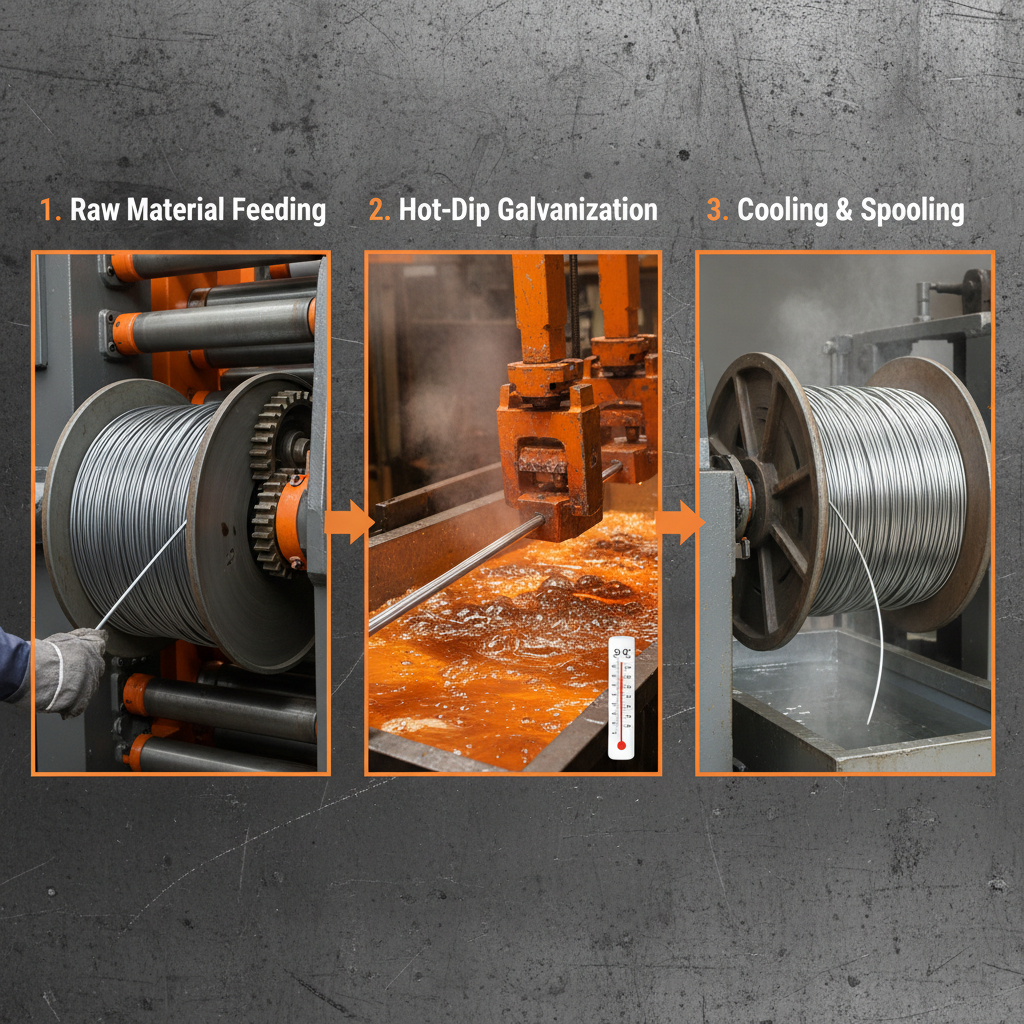
Yes, the two main galvanization processes are hot-dip galvanizing and electrogalvanizing. Hot-dip galvanizing involves immersing the wire in molten zinc, resulting in a thicker, more durable coating. Electrogalvanizing uses an electric current to deposit a thin layer of zinc. Hot-dip galvanizing is generally preferred for outdoor applications requiring long-term corrosion protection, while electrogalvanizing is often used for applications requiring a smoother finish.
Conclusion
Galvanized wire 14 remains a cornerstone material in countless industries, offering a unique combination of durability, cost-effectiveness, and versatility. Its ability to withstand harsh environmental conditions and provide long-lasting performance makes it an essential component in infrastructure, agriculture, and numerous other applications. The ongoing innovations in galvanization technology and a growing emphasis on sustainability will only further enhance its value in the years to come.
Looking ahead, continued research and development in advanced coating materials and environmentally friendly production processes will be crucial. By embracing sustainable practices and leveraging technological advancements, we can maximize the benefits of galvanized wire 14 while minimizing its environmental impact. To learn more about our high-quality galvanized wire 14 products and solutions, visit our website today!