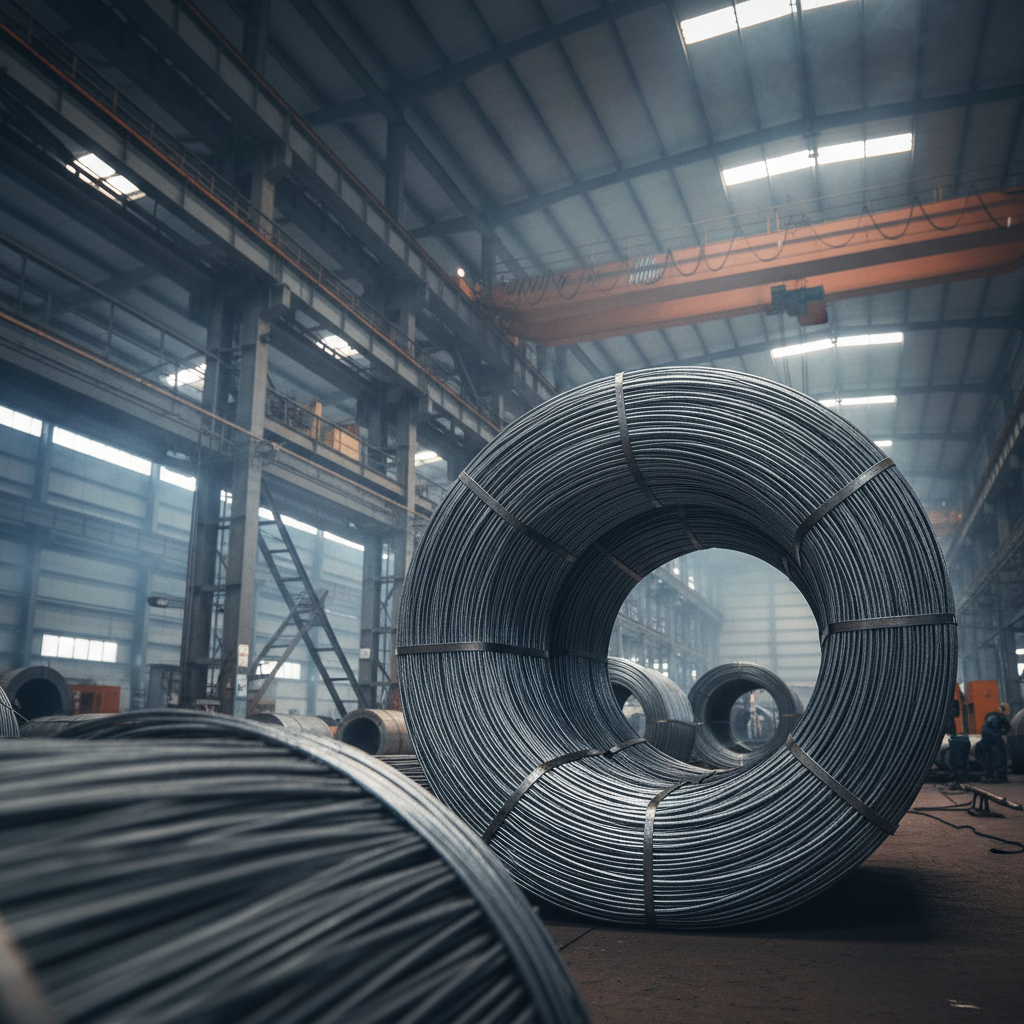
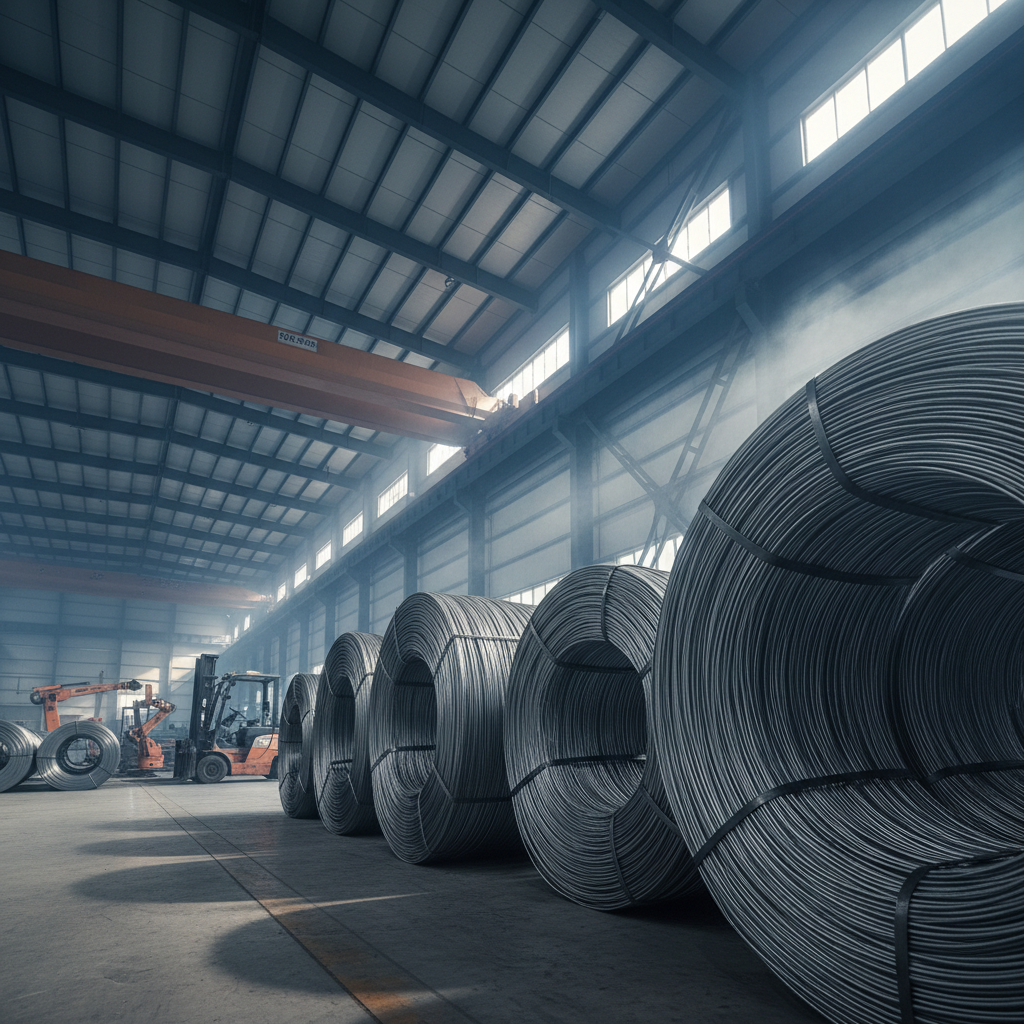
In the intricate world of industrial fasteners and metal fabrication, 24 gauge gi wire stands as a critical yet often overlooked component that ensures stability across various construction and agricultural sectors. This specific diameter of galvanized iron wire provides the ideal balance between flexibility and tensile strength, making it an indispensable asset for professionals who require a reliable binding material that can withstand environmental stressors.
The global demand for high-quality galvanized solutions has surged as infrastructure projects move toward materials that offer longer lifespans with minimal maintenance. By integrating a protective zinc coating, 24 gauge gi wire effectively mitigates the risk of oxidation, ensuring that structural ties and mesh supports remain intact even in humid or coastal climates where salt air typically accelerates corrosion.
Understanding the technical nuances of this material—from its precise gauge measurement to its zinc adhesion properties—allows engineers and procurement officers to optimize their material costs without compromising safety. Whether used in intricate wire weaving or as a secondary support in large-scale fencing, the versatility of this wire makes it a cornerstone of modern metal product manufacturing.
Understanding the Technical Basics of 24 Gauge GI Wire
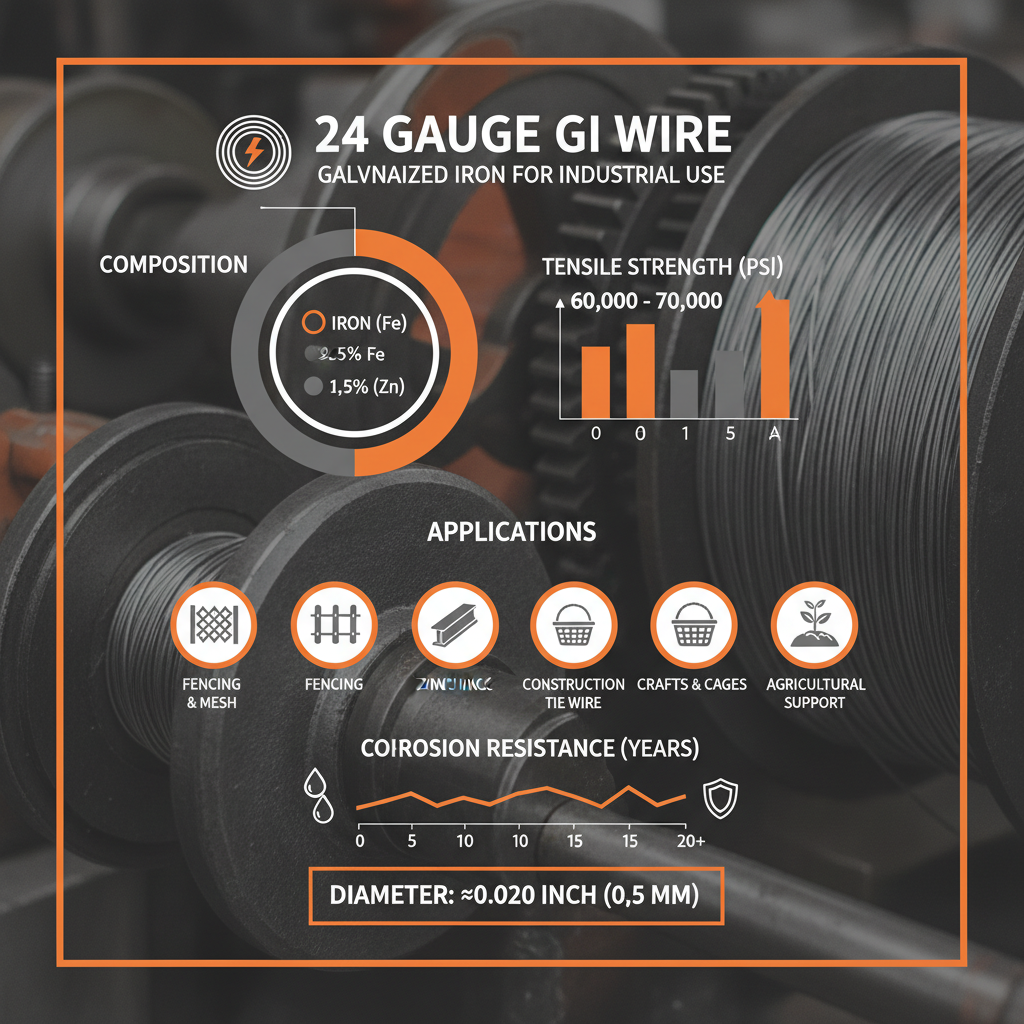
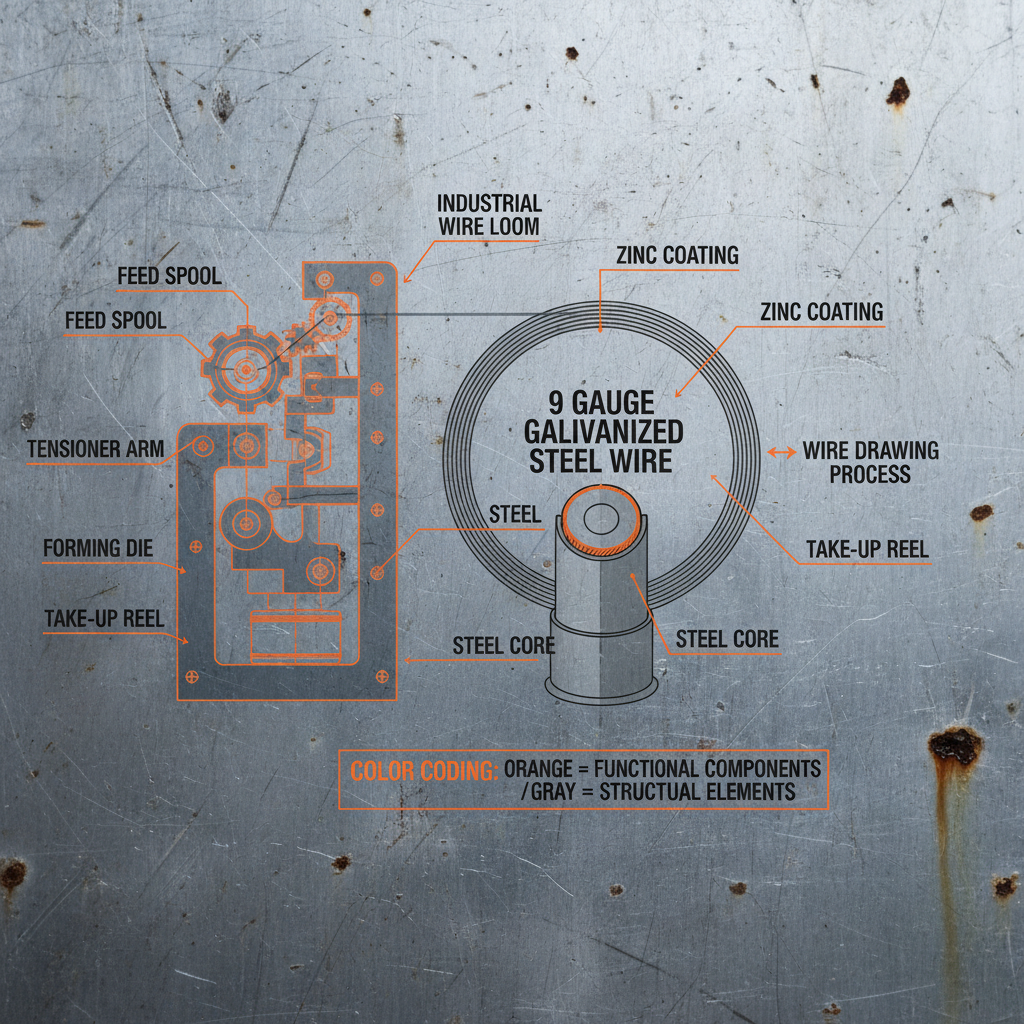
At its core, 24 gauge gi wire refers to a galvanized iron wire with a specific diameter that falls into the "fine" to "medium" range of industrial wiring. The "GI" denotes the galvanization process, where the steel core is coated in a layer of zinc. This chemical bond prevents the underlying iron from reacting with oxygen and moisture, which is the primary cause of rust and structural failure in outdoor applications.
The 24-gauge specification is particularly valued because it offers enough malleability to be twisted by hand or simple tools while retaining enough tensile strength to hold loads securely. This makes it the preferred choice for tasks that require precision, such as securing vineyard trellises or creating fine-mesh screens, where thicker wires would be too rigid and thinner wires would snap under tension.
Global Industry Relevance and Market Demand
On a global scale, the reliance on 24 gauge gi wire is driven by the expansion of agricultural infrastructure and urban development in emerging economies. According to industrial standards, the demand for corrosion-resistant binding materials has grown by nearly 4% annually, as countries in Southeast Asia and Africa modernize their farming techniques and boundary security systems.
The challenge many industries face is the volatility of raw steel prices coupled with the need for consistent coating thickness. Low-quality galvanized wires often suffer from "white rust" or premature peeling, which leads to catastrophic failure in critical supports. This has created a significant market gap for high-grade, ISO-certified wires that guarantee a specific zinc coating weight per square meter.
Consequently, the integration of 24 gauge gi wire into standardized building codes ensures that temporary structures and permanent fixtures maintain their integrity. From the construction of temporary worker housing to the installation of sophisticated animal enclosures, this material provides a cost-effective solution to a universal problem: the degradation of metal in the face of nature.
Core Components of Durability and Strength
The exceptional longevity of 24 gauge gi wire is primarily attributed to the metallurgical bond created during the hot-dip galvanizing process. Unlike cold-galvanized alternatives, hot-dipping ensures that the zinc penetrates the steel surface, creating multiple alloy layers that provide a comprehensive shield against atmospheric corrosion.
Another critical factor is the tensile strength of the base carbon steel used in 24 gauge gi wire. By controlling the carbon content and the drawing process, manufacturers can produce a wire that is resistant to stretching (creep) while remaining flexible enough to be coiled without developing micro-fractures in the zinc coating.
Furthermore, the uniformity of the 24-gauge diameter is essential for scalability in industrial production. When used in automated weaving machines for gabion mesh or welded wire fences, the consistency of the 24 gauge gi wire ensures that the final product has no weak points, distributing mechanical stress evenly across the entire structure.
Performance Analysis Across Different Environments
Testing 24 gauge gi wire across various climatic zones reveals its versatility. In arid regions, the zinc coating prevents surface oxidation caused by extreme heat and wind-blown sand. In contrast, in tropical regions with high humidity, the sacrificial nature of the zinc layer allows it to corrode first, protecting the inner steel core from structural decay for years.
When comparing the efficiency of this wire against untreated steel or plastic-coated alternatives, the balance of cost and performance becomes evident. While plastic coatings provide a secondary barrier, they often crack over time due to UV exposure, whereas a high-quality 24 gauge gi wire remains structurally sound without the need for an outer polymer shell.
Environmental Resistance Rating of 24 Gauge GI Wire Variants
Global Applications and Practical Use Cases
In the agricultural sector, 24 gauge gi wire is widely utilized for creating support systems for high-value crops. In vineyards across Europe and Napa Valley, this wire is tensioned between posts to support grapevines, providing the necessary strength to hold heavy fruit loads while remaining flexible enough to accommodate the natural growth of the plant.
Beyond farming, this material is critical in the construction of gabion baskets and reinforced mesh for soil erosion control in mountainous regions. In post-disaster relief operations, lightweight and portable rolls of 24 gauge gi wire are often deployed to create temporary perimeter fencing and secure essential supplies in remote industrial zones or emergency camps.
Long-Term Value and Economic Advantages
The primary economic advantage of choosing 24 gauge gi wire is the drastic reduction in replacement frequency. While untreated wires may need to be replaced every 12 to 24 months due to rust, a properly galvanized wire can last for a decade or more, depending on the environmental exposure. This reduces the total cost of ownership (TCO) for large-scale projects.
From a sustainability perspective, the longevity of galvanized steel means fewer raw materials are extracted and processed over the lifecycle of a project. Furthermore, galvanized steel is 100% recyclable, allowing old 24 gauge gi wire installations to be recovered and melted down without losing the inherent properties of the base metal.
Psychologically, the reliability of this material fosters trust between contractors and clients. Knowing that the binding elements of a structure are protected against the elements provides peace of mind and ensures that the dignity of the project—whether it is a community garden or a secure industrial warehouse—is maintained through visual and structural stability.
Future Innovations in Galvanized Wire Technology
As we move toward a more digital and green industrial era, the production of 24 gauge gi wire is evolving. Advanced automation in the drawing process is now allowing for "zero-defect" coating, where AI-driven sensors detect microscopic gaps in the zinc layer in real-time and adjust the dipping speed to ensure 100% coverage.
There is also a growing trend toward "Zinc-Aluminum-Magnesium" (ZAM) coatings. This innovation enhances the self-healing properties of 24 gauge gi wire; if the surface is scratched, the magnesium and aluminum react with the environment to form a stable oxide layer that seals the wound, preventing rust from spreading beneath the coating.
Finally, the integration of sustainable energy in the galvanizing process—such as using hydrogen-powered furnaces instead of coal—is reducing the carbon footprint of wire manufacturing. This ensures that the use of 24 gauge gi wire remains compatible with global net-zero emissions targets.
Comparative Analysis of 24 Gauge GI Wire Technical Specifications
| Coating Type |
Avg. Lifespan (Years) |
Tensile Grade |
Recommended Use |
| Standard Hot-Dip |
15-25 |
High |
Outdoor Fencing |
| Electro-Galvanized |
3-7 |
Medium |
Indoor Fastening |
| ZAM Coating |
30-50 |
Ultra-High |
Coastal Infrastructure |
| Light Galvanized |
5-10 |
Medium |
Temporary Support |
| Heavy Duty GI |
20-30 |
High |
Industrial Mesh |
| PVC-Over-GI |
10-20 |
High |
Garden Trellis |
FAQS
The primary difference is the thickness. 24 gauge wire is slightly thinner than 22 gauge, which makes it more flexible and easier to bend by hand. However, 22 gauge offers higher tensile strength. For applications requiring high flexibility, such as intricate tying or light-duty mesh, 24 gauge is the superior choice.
Hot-dipped 24 gauge gi wire typically has a thicker, slightly matte, and sometimes uneven grey appearance. Electro-galvanized wire is much shinier, smoother, and the coating is significantly thinner. Hot-dipped wire will always offer superior long-term corrosion resistance for outdoor use.
While it is strong, 24 gauge is generally considered a light-to-medium duty wire. For extreme tension loads—such as primary structural cables—a lower gauge (thicker wire) is recommended. However, for secondary supports, tying, and mesh reinforcement, it is perfectly adequate.
Yes, the zinc coating must be managed during welding. Zinc vaporizes at a lower temperature than steel, which can create porosity in the weld or toxic fumes. For high-quality welded wire mesh, the zinc is often reapplied after welding or specialized welding techniques are used to ensure a clean bond.
It can, but standard galvanization may corrode faster in salt spray. For marine environments, we recommend heavy-duty hot-dip galvanization or specialized ZAM coatings to ensure the wire survives the aggressive chloride ions found in coastal air.
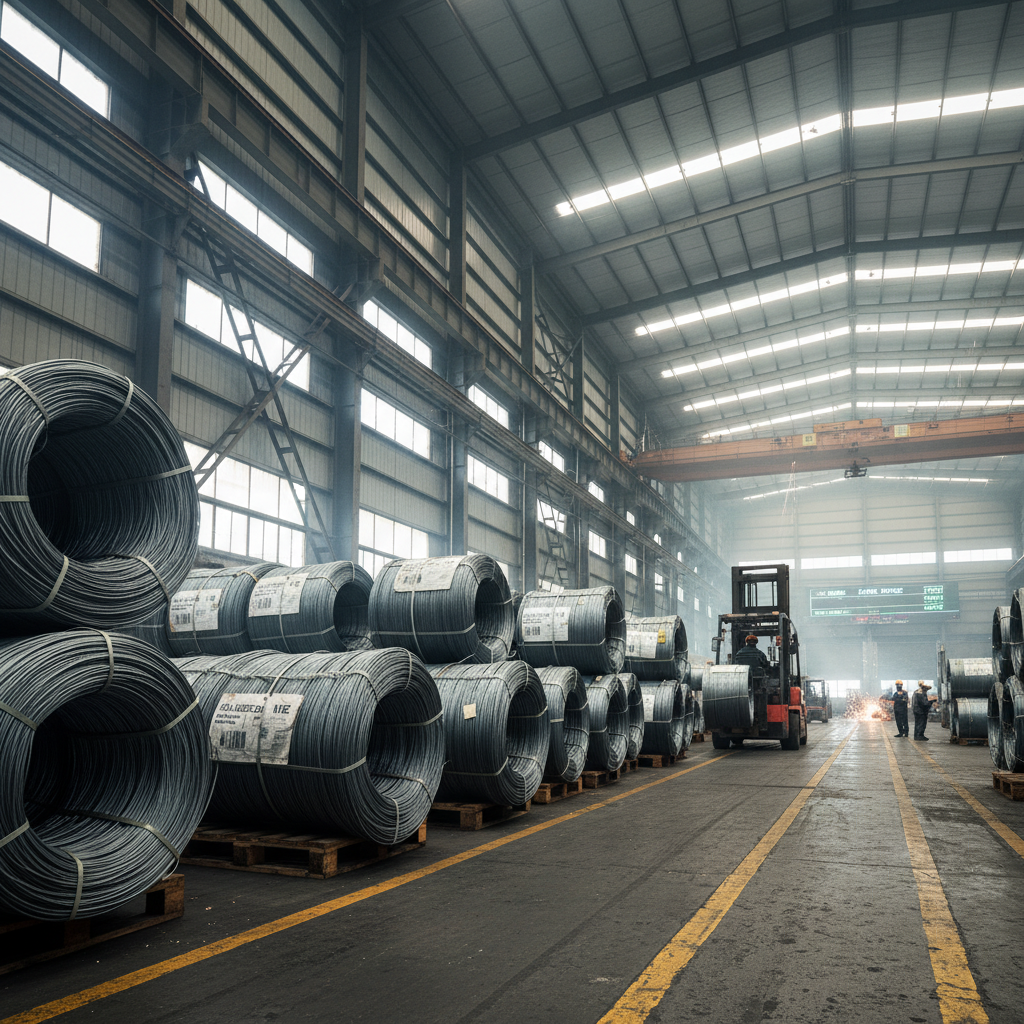
To prevent white rust (zinc hydroxide), store the wire in a dry, well-ventilated area. Avoid stacking rolls in airtight plastic wrap where condensation can build up. Keeping the wire off the floor on pallets and in a temperature-controlled environment will maximize its shelf life.
Conclusion
In summary, 24 gauge gi wire serves as a vital link in the chain of industrial and agricultural construction, blending the necessary malleability with high-grade corrosion resistance. From its critical role in supporting global food production via vineyard trellises to its use in stabilizing soil through gabion structures, the technical properties of galvanized iron ensure that infrastructure remains safe, durable, and cost-effective over the long term.
Looking forward, the shift toward smarter coatings and greener manufacturing processes will only enhance the value of this material. For professionals seeking to optimize their project lifespans and reduce maintenance overhead, investing in certified, high-quality galvanized solutions is a strategic necessity. To explore our full range of industrial wire products and specifications, visit our website: www.fivestar-metals.com