The Same Product And Company, The Different Quality and Service!
0%

Table of Contents

12 gauge galvanized wire is a cornerstone material in countless industries, from construction and agriculture to manufacturing and security. Its inherent strength, combined with the protective layer of galvanization, makes it a reliable and cost-effective solution for a vast array of applications. Understanding its properties and uses is crucial for professionals and individuals alike seeking durable and long-lasting wire solutions.

Globally, the demand for 12 gauge galvanized wire is consistently high, driven by infrastructure development, agricultural needs, and the increasing need for secure fencing and enclosures. According to reports from the World Steel Association, galvanized steel products – including wire – represent a significant portion of the global steel market, showcasing its widespread use and economic importance. This demand underscores the importance of efficient production and reliable sourcing.

The versatility of 12 gauge galvanized wire stems from its unique combination of properties. It provides both tensile strength for demanding applications and corrosion resistance for long-term durability, often exceeding the performance of alternative materials in outdoor or harsh environments. This makes it an essential component in projects ranging from simple repairs to large-scale infrastructure projects.
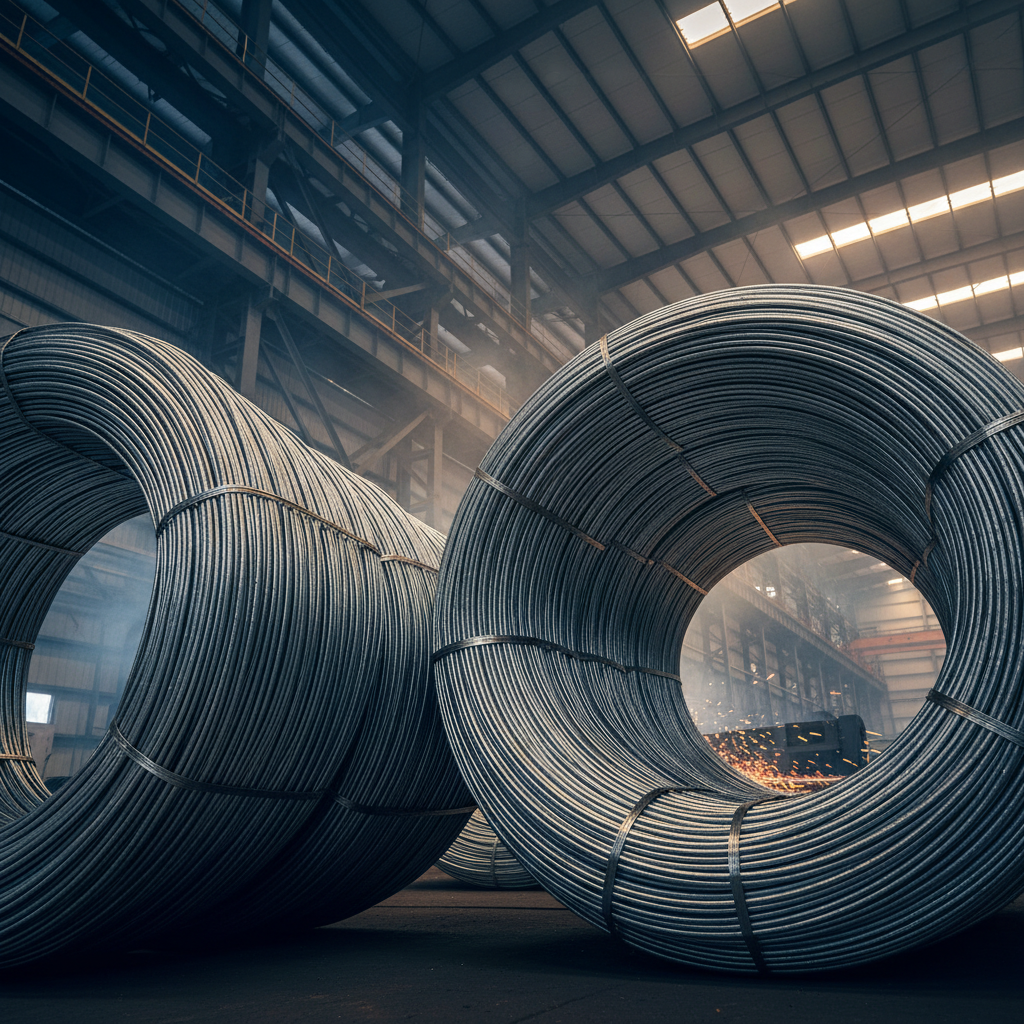
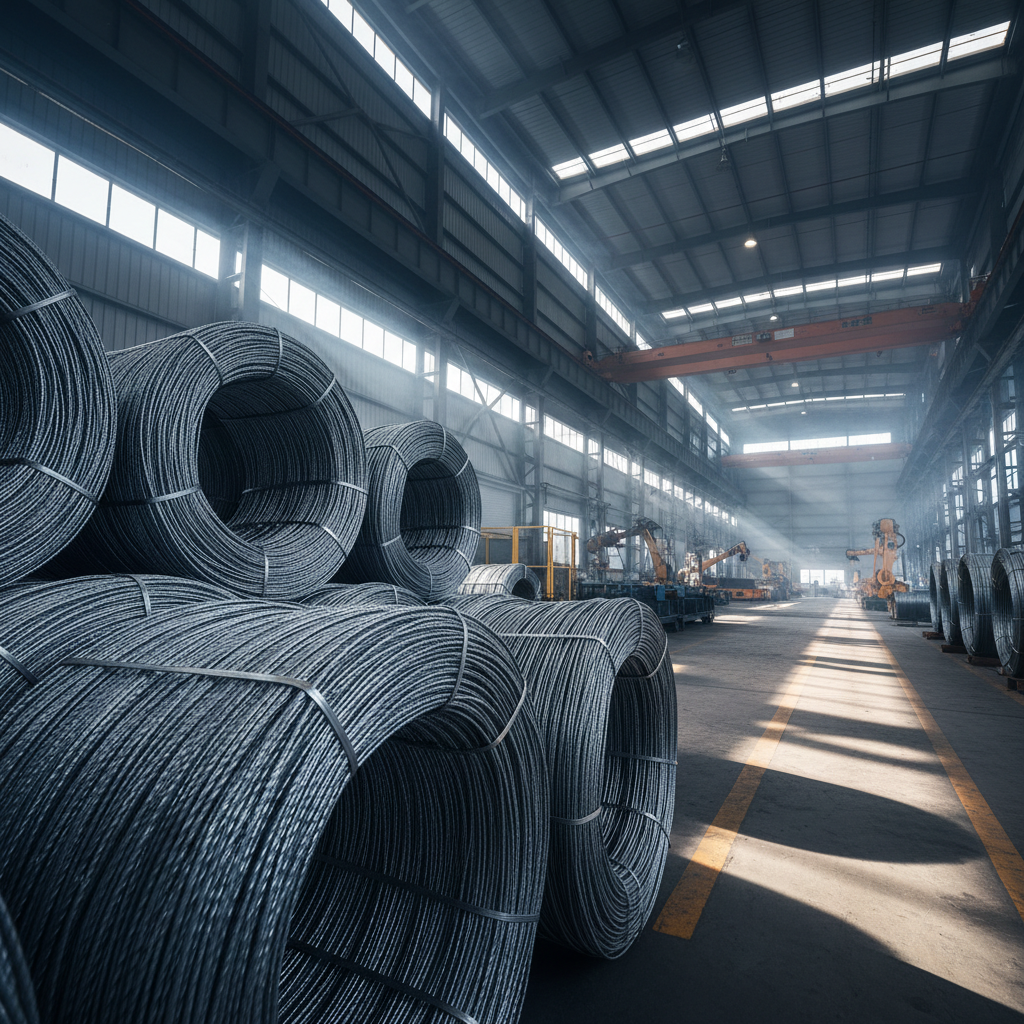
The Versatility and Applications of 12 Gauge Galvanized Wire in Modern Industries

The Essential Properties of 12 gauge galvanized wire

The Versatility and Applications of 12 Gauge Galvanized Wire in Modern Industries

The designation "12 gauge" refers to the wire’s diameter, with lower gauge numbers indicating thicker wire. This specific gauge offers a balance between flexibility and strength, making it suitable for a broad range of uses. The galvanization process, typically involving a zinc coating, is the key to its resistance to corrosion and rust. 12 gauge galvanized wire performs reliably in outdoor environments.

This combination of gauge and coating creates a wire that's robust enough to withstand significant stress and weather conditions, while remaining workable for various fabrication processes like twisting, bending, and weaving. Its durability translates into a long service life, reducing the need for frequent replacements and lowering overall maintenance costs.

Global Relevance and Industrial Applications

The global demand for 12 gauge galvanized wire is deeply intertwined with economic development and infrastructure projects worldwide. Countries undergoing rapid urbanization and agricultural expansion consistently require significant quantities of this material for fencing, building support, and protective structures. Regions like Southeast Asia, Africa, and parts of South America show particularly strong demand.

Industries heavily reliant on 12 gauge galvanized wire include agriculture (for fencing and animal enclosures), construction (for tying rebar, security screens, and structural support), telecommunications (for cable securing), and manufacturing (for various fabrication and assembly processes). The widespread availability and relatively low cost of this material make it a preferred choice for many applications.

Furthermore, the use of 12 gauge galvanized wire is increasingly important in disaster relief efforts. It's used for constructing temporary shelters, securing damaged buildings, and establishing perimeter security in affected areas.

Defining 12 gauge galvanized wire: Composition and Manufacturing

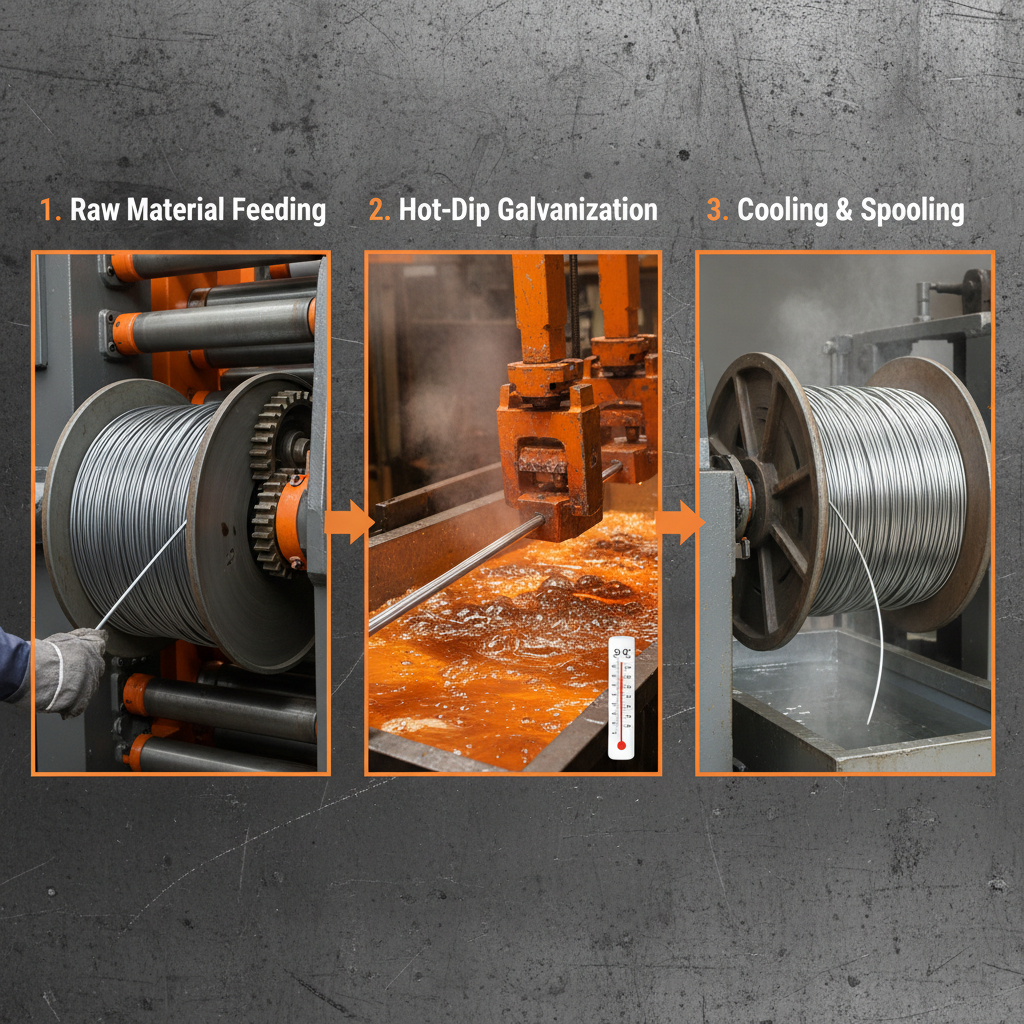
12 gauge galvanized wire is typically made from carbon steel, which is then coated with a layer of zinc through a process called galvanization. The most common galvanization methods include hot-dip galvanizing, electrogalvanizing, and galvannealing. Each method results in a different thickness and composition of the zinc coating, influencing the wire's corrosion resistance. The wire gauge refers to the American Wire Gauge (AWG) standard, and 12 gauge equates to a diameter of approximately 2.625 millimeters.

The manufacturing process begins with drawing the steel through a series of dies to achieve the desired gauge. Following this, the wire undergoes cleaning and preparation before the galvanization process. The quality of the steel and the consistency of the zinc coating are critical factors determining the wire’s overall performance and longevity. Proper quality control measures are essential throughout the manufacturing process.

The resulting 12 gauge galvanized wire is known for its combination of strength, flexibility, and corrosion resistance, making it a versatile material suitable for a wide range of applications across diverse industries.

Key Characteristics Influencing Performance

Several key characteristics define the performance of 12 gauge galvanized wire. First, tensile strength dictates the wire's ability to withstand pulling forces without breaking, essential for fencing and structural applications. Second, corrosion resistance, determined by the zinc coating thickness and quality, impacts longevity in harsh environments.

Third, ductility or the wire’s ability to be drawn into thinner wires, is important for fabrication processes like weaving and tying. Fourth, galvanization method influences the coating’s adherence and overall corrosion protection. Finally, zinc coating uniformity ensures consistent protection against rust and corrosion along the entire length of the wire.

Comparison of 12 gauge galvanized wire Performance by Galvanization Method


Diverse Applications Across Industries

In agriculture, 12 gauge galvanized wire is indispensable for constructing sturdy fences to contain livestock and protect crops. Within the construction sector, it serves as a crucial component for tying rebar in concrete structures, creating secure scaffolding, and reinforcing masonry. Its strength and durability ensure the structural integrity of various building projects.

Long-Term Benefits and Value Proposition

The long-term benefits of utilizing 12 gauge galvanized wire extend far beyond its initial cost. Its exceptional durability translates into reduced maintenance and replacement expenses over time, making it a cost-effective solution in the long run. The inherent corrosion resistance minimizes the risk of structural failures, enhancing safety and reliability.

Moreover, the use of galvanized steel, including 12 gauge galvanized wire, contributes to sustainability by extending the lifespan of structures and reducing the need for frequent material replacements. This aligns with growing global efforts to minimize waste and promote environmentally responsible practices.

Future Trends and Technological Advancements

Ongoing research and development are focused on enhancing the galvanization process to improve corrosion resistance and reduce environmental impact. Innovative coatings and surface treatments are being explored to further extend the lifespan of galvanized steel wire. Automation and robotics are increasingly being implemented in manufacturing processes to improve efficiency and consistency.

Furthermore, the integration of smart technologies, such as sensors embedded within wire structures, is emerging as a promising trend. These sensors can monitor stress levels, corrosion rates, and other critical parameters, enabling proactive maintenance and preventing potential failures. The demand for sustainable materials will continue to drive innovation in the production and application of galvanized wire.

The development of high-strength, low-alloy (HSLA) steels combined with advanced galvanization techniques is anticipated to create even more durable and cost-effective wire products for a wide range of applications.

Key Performance Indicators for 12 gauge galvanized wire in Different Applications

Application Type Corrosion Resistance (1-10) Tensile Strength (MPa) Expected Service Life (Years)
Agricultural Fencing 8 400 20
Construction Rebar Tying 7 550 15
Telecommunications Cable Support 9 450 25
Security Fencing (High Corrosion Zones) 9.5 600 30
Craft and DIY Applications 6 400 10
Disaster Relief Shelter Framework 7.5 500 12

FAQS

What are the main differences between hot-dip galvanizing and electrogalvanizing for 12 gauge galvanized wire?

Hot-dip galvanizing involves immersing the wire in molten zinc, resulting in a thicker, more durable coating and better corrosion resistance. Electrogalvanizing uses an electric current to deposit zinc, creating a smoother, more uniform coating but typically thinner than hot-dip. For applications demanding maximum longevity in harsh environments, hot-dip galvanizing is generally preferred, whereas electrogalvanizing is often suitable for less demanding uses and can offer a more aesthetically pleasing finish. The cost also varies, with hot-dip often being more expensive initially.

How does the gauge of wire affect its suitability for different fencing applications?

Wire gauge directly impacts a fence’s strength and its ability to withstand stress from animals, weather, and potential impacts. 12 gauge 12 gauge galvanized wire offers a good balance between strength and cost-effectiveness for many fencing applications, including livestock containment and general perimeter security. Thicker gauges (like 9 or 10 gauge) provide greater strength but are more expensive, while thinner gauges (like 14 or 16 gauge) are less expensive but may be unsuitable for demanding applications.

What is the typical lifespan of a 12 gauge galvanized wire fence?

The lifespan of a 12 gauge galvanized wire fence depends on several factors, including the quality of the galvanization, the environment (coastal areas with salt spray will reduce lifespan), and the level of maintenance. Typically, a well-maintained galvanized wire fence can last between 15 and 30 years. Regular inspections and timely repairs can extend its lifespan even further. Applying additional protective coatings can also help prolong its longevity.

Can 12 gauge galvanized wire be welded?

Yes, 12 gauge galvanized wire can be welded, but it requires specific techniques and considerations. The zinc coating produces fumes that can be hazardous, so proper ventilation and respiratory protection are essential. Using a flux designed for galvanized steel can improve weld quality and reduce fume emissions. The weld itself will not be galvanized, so post-weld coating may be necessary for corrosion protection.

How does the cost of 12 gauge galvanized wire compare to other fencing materials like chain-link?

Generally, 12 gauge galvanized wire is more cost-effective than chain-link fencing, particularly for larger areas. Chain-link requires additional posts and fitting costs, increasing the overall expense. However, chain-link offers a different level of security and aesthetics. Galvanized wire fencing is a budget-friendly option for agricultural and rural applications, while chain-link is often preferred for security-sensitive environments. The specific cost will depend on the quantity purchased and supplier pricing.

What safety precautions should be taken when working with 12 gauge galvanized wire?

When working with 12 gauge galvanized wire, wear gloves to protect your hands from sharp edges and potential zinc irritation. Eye protection is also crucial to prevent injury from wire fragments. When cutting or bending the wire, ensure it's securely anchored to prevent whipping or snapping. If welding galvanized wire, use appropriate ventilation and respiratory protection to avoid inhaling zinc fumes. Always follow safe work practices and consult relevant safety guidelines.

Conclusion

12 gauge galvanized wire remains an essential material across numerous industries due to its remarkable combination of strength, durability, and corrosion resistance. Its versatility, cost-effectiveness, and long-term value make it a preferred choice for applications ranging from agriculture and construction to security and disaster relief. Understanding its properties and appropriate applications is key to maximizing its benefits.

As technology advances and sustainability concerns grow, continued innovation in galvanization techniques and materials will further enhance the performance and environmental footprint of 12 gauge galvanized wire. Investing in quality 12 gauge galvanized wire ensures a robust and reliable solution for a wide range of projects. Visit our website today to learn more and find the perfect wire solutions for your needs!


William Davis

William Davis

William Davis is our dedicated Product Development Specialist focusing on adapting our wire mesh products for the US market. He works closely with the business development and production departments to translate customer specifications into viable production plans. William is adept at analyzing market research, identifying emerging trends, and implementing innovative
Previous Understanding Galvanized Wire Price Per Ton Trends and Market Dynamics
Next Understanding Galvanized Wire Price Trends and Market Dynamics