galvanized iron wire bwg 16. It’s more than just wire, folks. I've spent twenty years walking construction sites, and I've seen firsthand how something seemingly simple can make or break a project. This isn't about fancy specs or lab results; it's about real-world durability, consistent performance, and keeping things moving when deadlines are tight. Understanding galvanized iron wire bwg 16 – its strengths, its uses, and its limitations – is crucial for anyone involved in building, fencing, or even disaster relief. It's a workhorse material, and knowing how to leverage it properly can save you time, money, and a whole lot of headaches.
We’re talking about a product that's truly global. I’ve seen it used in everything from reinforcing concrete in sprawling infrastructure projects in Asia to securing temporary shelters after hurricanes in the Caribbean. The World Bank estimates billions are invested annually in infrastructure relying on corrosion-resistant materials like this wire. The sheer volume speaks for itself. The problem is, not all galvanized iron wire bwg 16 is created equal. You get what you pay for, and cutting corners on quality can lead to premature failure and costly repairs. That's why understanding the specifications, the galvanization process, and the wire's properties is so critical.
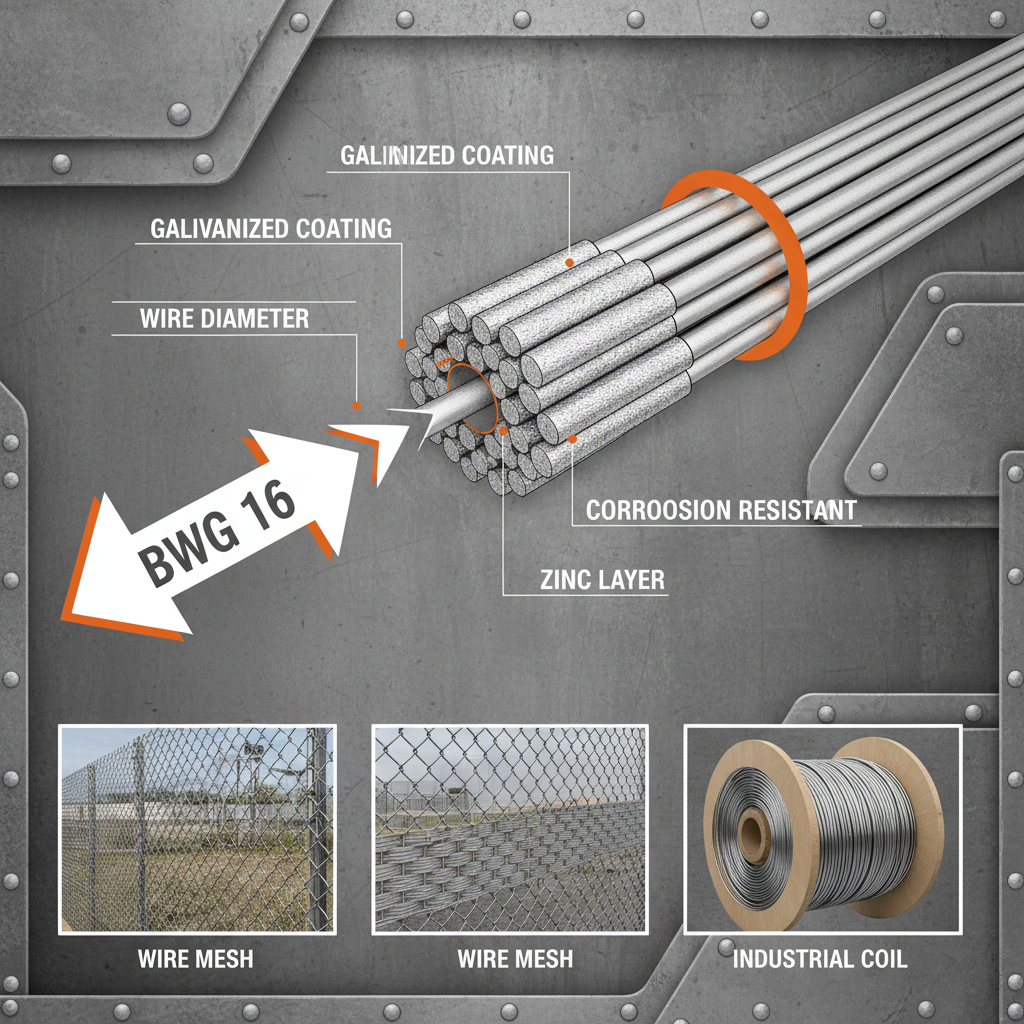
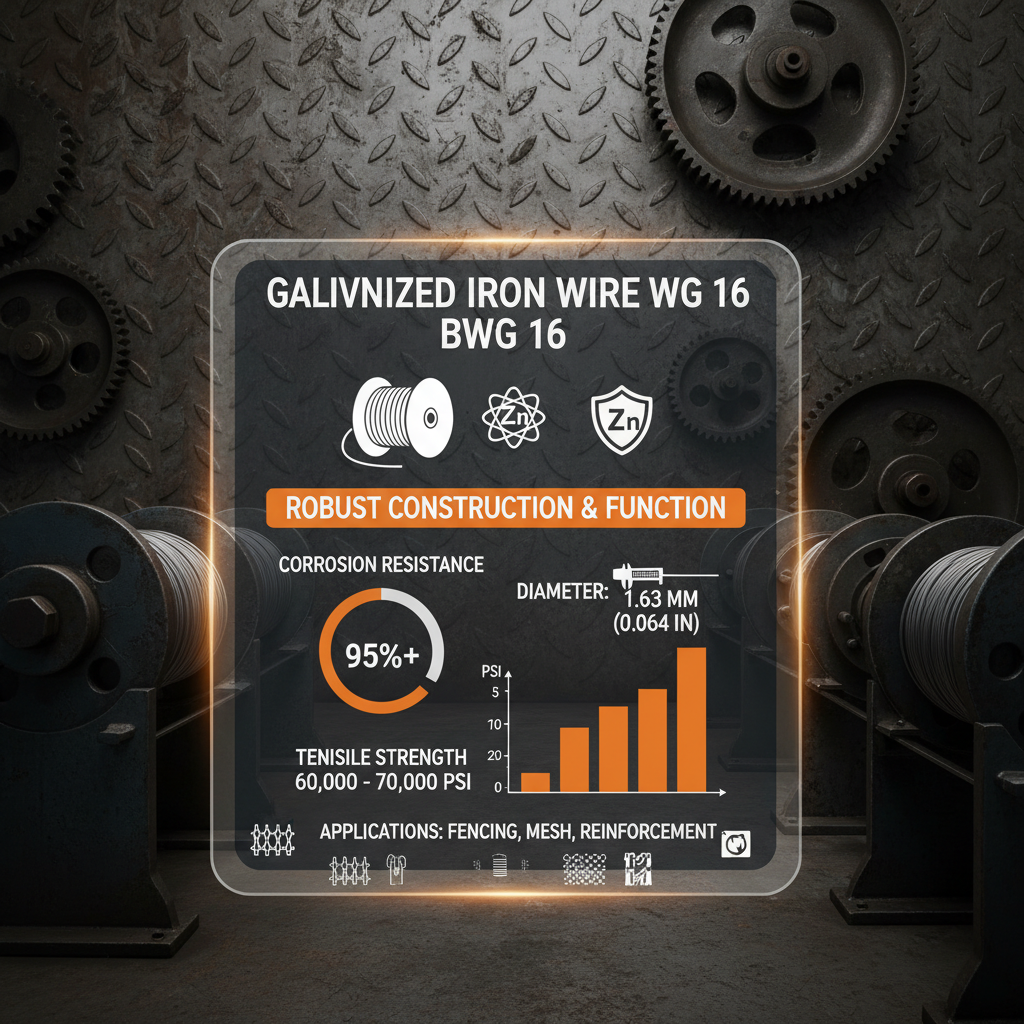
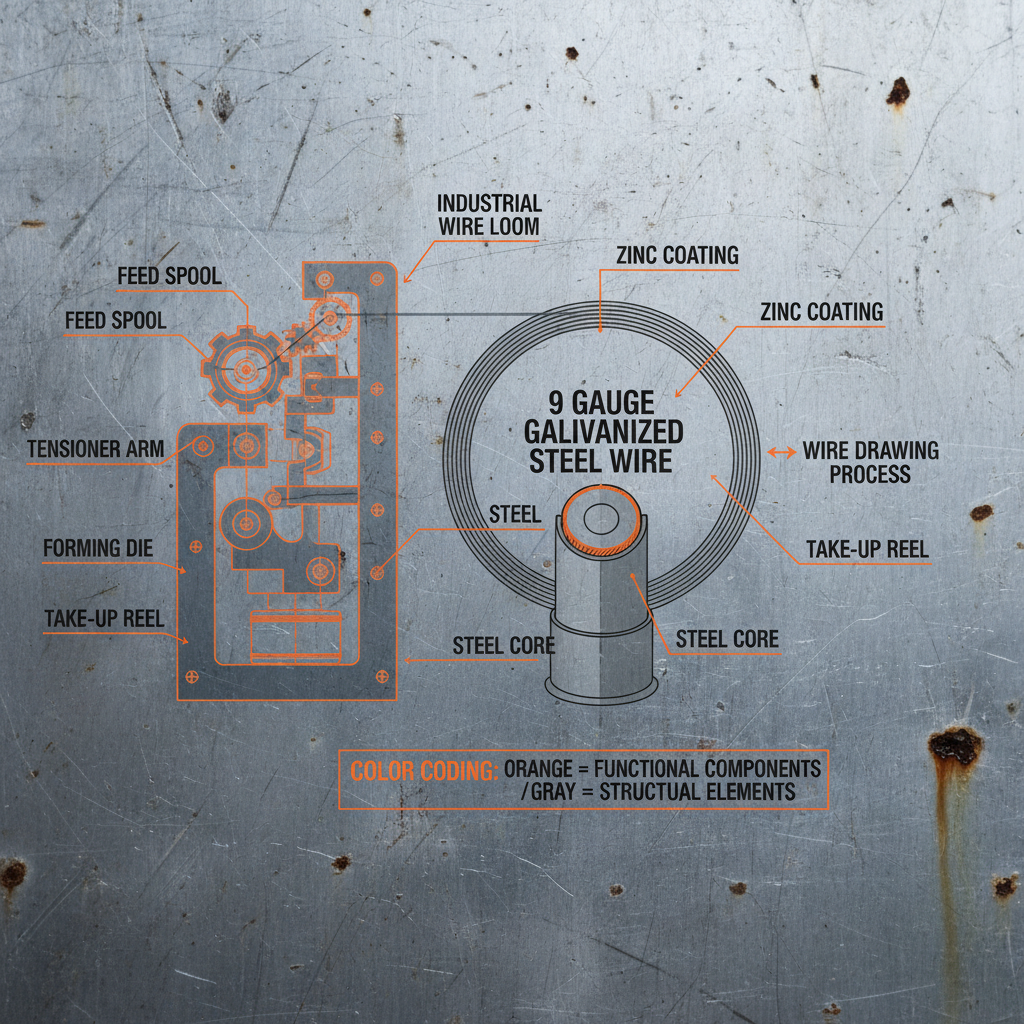
Simply put, galvanized iron wire bwg 16 is a steel wire coated with a layer of zinc to prevent rust. The “bwg 16” refers to the Birmingham Wire Gauge, a standard measurement of the wire's diameter. It's a foundational component in countless applications, from everyday fencing to critical structural supports. It's the backbone of a lot of what keeps our world functioning – and sometimes, it’s the first line of defense when disaster strikes. This isn't some abstract engineering concept; it's a practical, real-world solution to a very real problem: corrosion.
The Global Importance of galvanized iron wire bwg 16
I've seen this wire in action on every continent. It's a staple in developing nations building infrastructure, and just as crucial in maintaining existing structures in established economies. The United Nations utilizes it extensively in refugee camps for temporary housing and fencing. Demand is consistently high due to its versatility and relatively low cost, making it accessible even in resource-constrained environments. This isn't some niche product; it's a globally traded commodity.
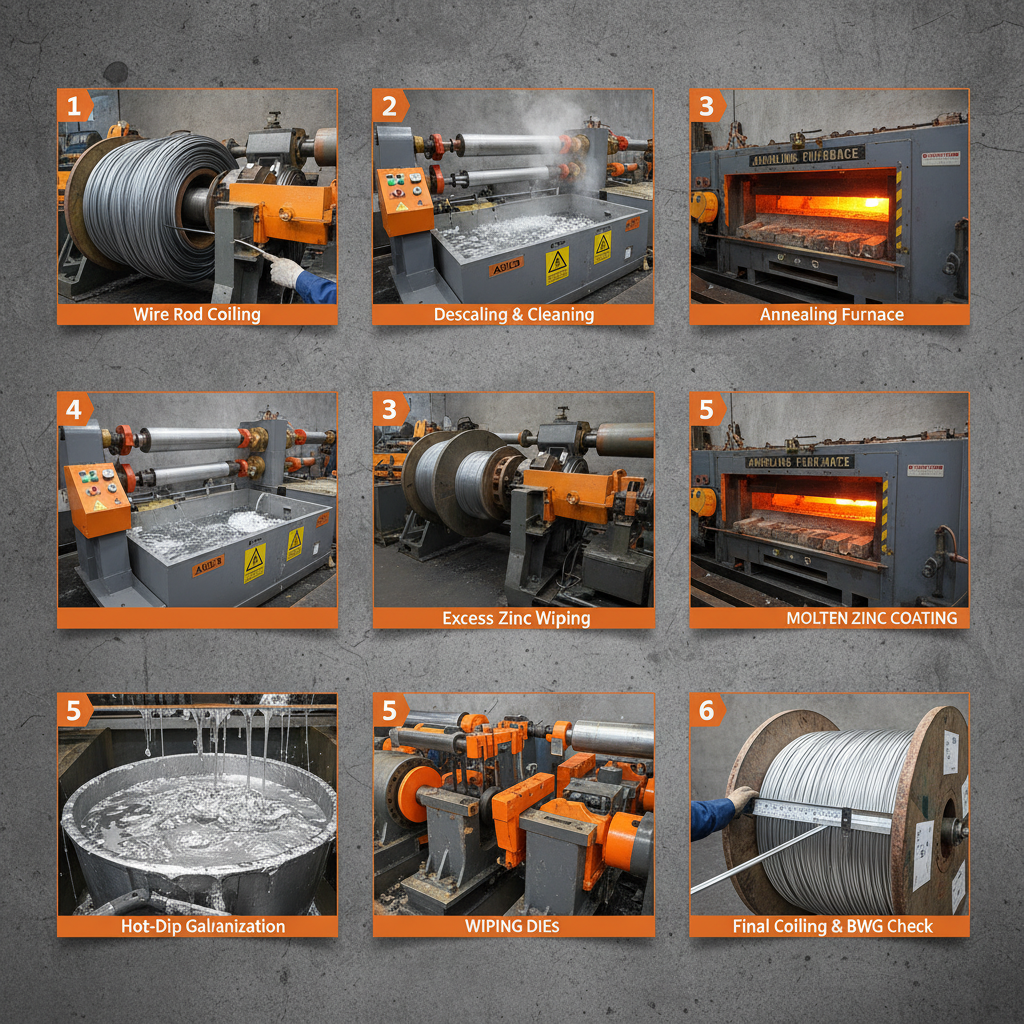
The biggest challenge is maintaining consistent quality. I’ve seen shipments that fail prematurely, leading to project delays and increased costs. This is often due to inadequate zinc coating or inconsistent wire diameter. Proper sourcing and rigorous quality control are paramount, and that's where experience counts. You need to know the suppliers, understand the manufacturing processes, and be able to spot potential issues before they become major problems.
Defining galvanized iron wire bwg 16
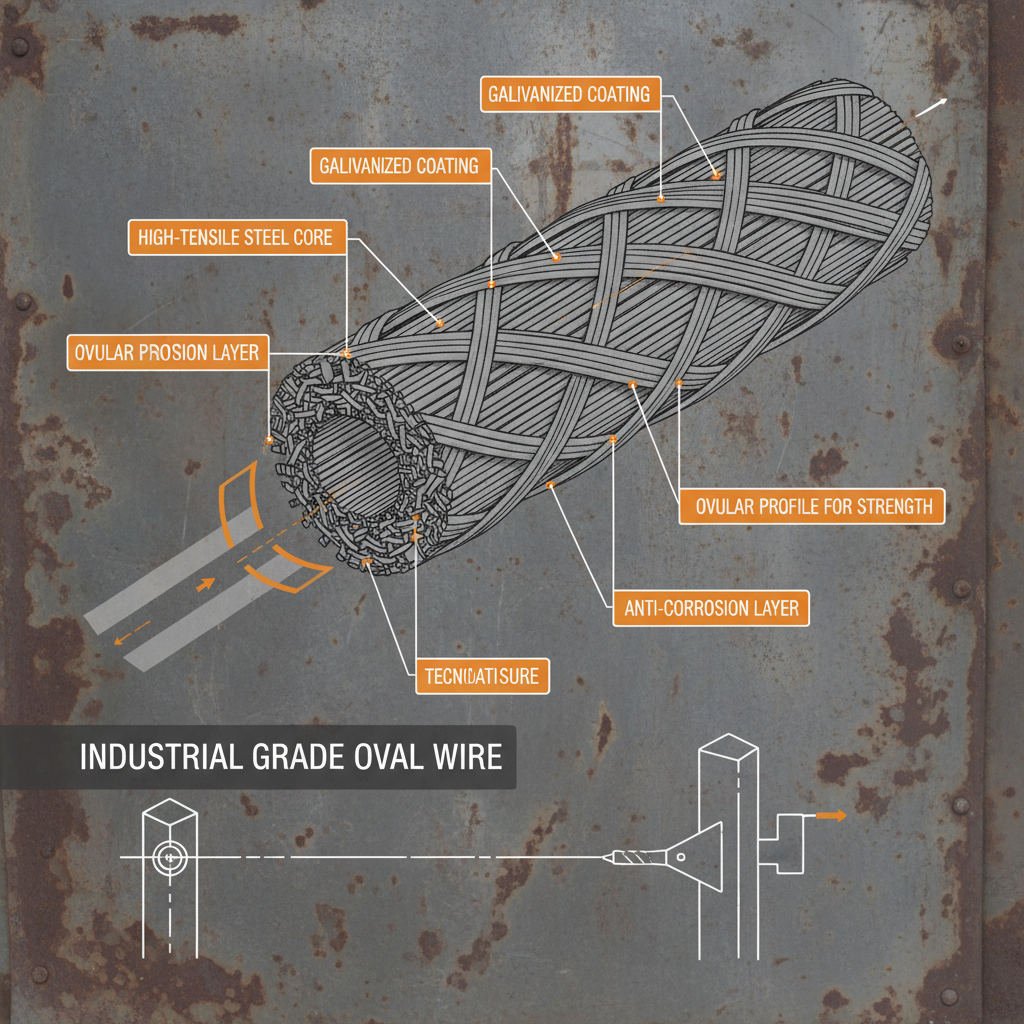
Let's break it down. "Galvanized" means coated in zinc, a sacrificial metal that corrodes before the steel underneath. This protects the steel from rust, extending its lifespan significantly. "Iron wire" is simply steel wire, a common building material. “bwg 16” is the key identifier – it tells you the wire's diameter. It's a standardized system, so a bwg 16 wire will always be the same thickness, regardless of the manufacturer. Knowing this gauge is vital for ensuring compatibility with other components and achieving the desired strength and flexibility.
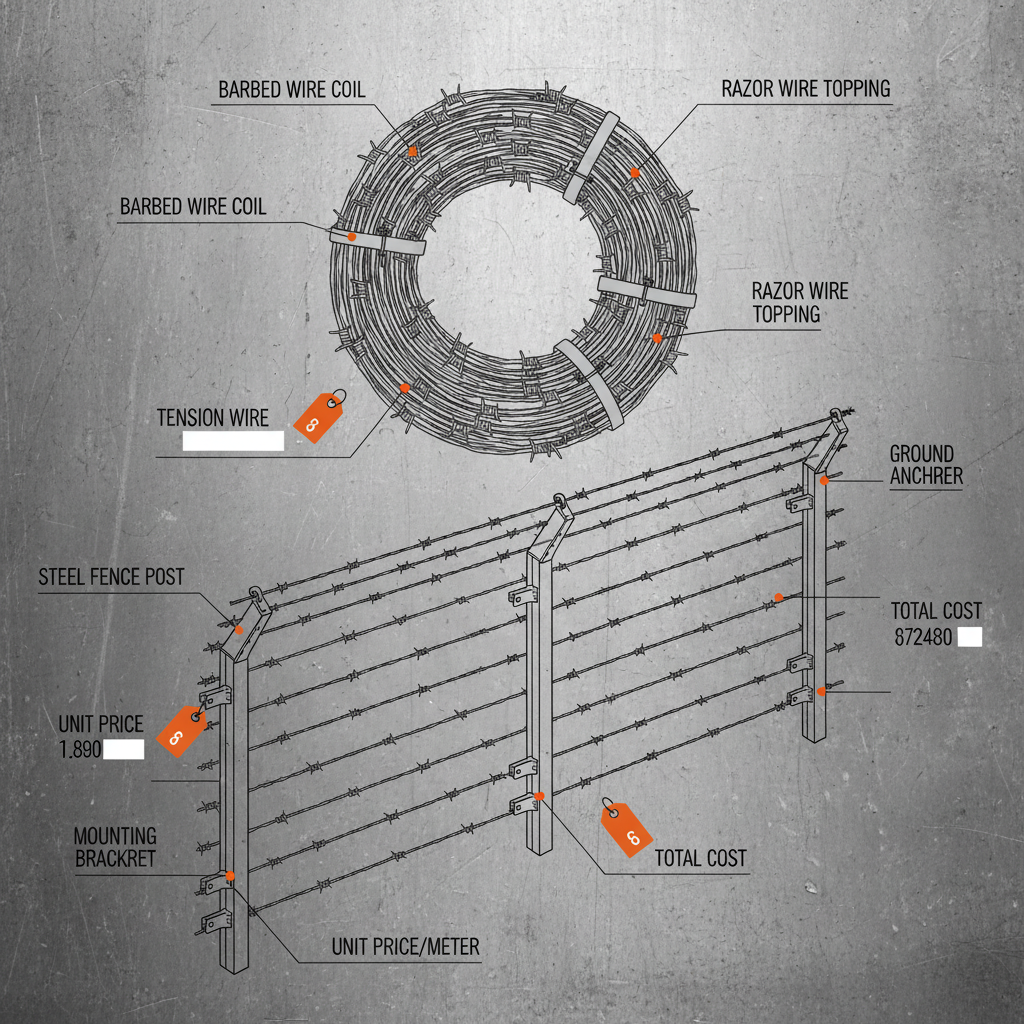
It’s used in so many things: chain-link fences, cable armoring, tying rebar in concrete, even in making springs and electrical connections. The bwg 16 size is particularly useful where you need a balance of strength and pliability. It’s strong enough to provide structural support, but flexible enough to be easily bent and shaped. It connects directly to the needs of modern construction and humanitarian efforts.
Think of it as the silent workhorse of construction. It’s rarely the star of the show, but it’s essential for keeping everything together. It’s not glamorous, but it’s reliable – and in this business, reliability is everything.
Core Properties of galvanized iron wire bwg 16
Durability is the name of the game, and the zinc coating is what delivers. The amount of zinc applied affects how long the wire will resist corrosion. Heavier coatings offer longer protection but also increase cost. Tensile strength is another critical factor – bwg 16 has a specific strength rating, making it suitable for applications requiring a certain load-bearing capacity. It's important to check the manufacturer's specifications to ensure the wire meets your project's requirements.
Flexibility is often overlooked, but it's essential for many applications. Bwg 16 strikes a good balance between strength and flexibility. It’s pliable enough to be tied and shaped easily, but still strong enough to hold its form. This makes it ideal for tasks like tying rebar or creating intricate wire structures. The quality of the steel itself also impacts the wire’s properties - higher carbon content steel is generally stronger but less ductile.
Corrosion resistance, of course, is paramount. The zinc coating prevents rust, but even galvanized wire can corrode over time, especially in harsh environments. Factors like humidity, salinity, and exposure to chemicals can accelerate corrosion. Proper storage and handling are vital to maintain the wire's protective coating. You wouldn’t leave a pile of this wire exposed to the elements if you want it to last!
Applications Across Industries
I’ve seen it used everywhere. In agriculture, it’s used for fencing, trellises, and securing crops. In construction, it's essential for tying rebar, making concrete stronger. It’s used in automotive for cable armoring and various components. Disaster relief relies on it for quick-deployable shelters and temporary fencing. Even in crafting, you’ll find people using galvanized iron wire bwg 16 for sculptures and other art projects.
In post-disaster relief operations, quick and reliable fencing is critical for establishing secure zones and managing logistics. galvanized iron wire bwg 16 is often the go-to material because it's lightweight, easy to transport, and can be erected quickly. In remote industrial zones, where access to specialized materials is limited, this wire provides a cost-effective and durable solution for a wide range of applications.
Application Suitability of galvanized iron wire bwg 16
Long-Term Benefits and Value
The cost savings are substantial. Replacing corroded wire is expensive and time-consuming. galvanized iron wire bwg 16, with its corrosion resistance, significantly reduces the need for replacement, saving money in the long run. It's not always the cheapest upfront, but it’s almost always the most cost-effective over the lifespan of the project.
Beyond the financial benefits, there’s the peace of mind. Knowing your structure is secure and will withstand the elements is priceless. This contributes to overall safety and reduces the risk of accidents. Using quality materials like this wire builds trust – with clients, with engineers, and with yourself.
Future Trends and Innovations
We’re seeing some interesting developments in coating technology. New zinc alloys are being developed that offer even greater corrosion resistance. There’s also research into alternative coatings that are more environmentally friendly. Automation is playing a bigger role in the manufacturing process, leading to more consistent quality and lower production costs.
The drive for sustainability is also influencing the industry. Recycling steel is becoming more common, reducing the environmental impact of wire production. Companies are also exploring ways to reduce the amount of zinc used in the galvanization process without sacrificing performance. This is where the industry will continue to improve.
Digital integration - using sensors to monitor corrosion levels in real-time, for instance - could revolutionize maintenance practices. Imagine being able to predict when wire needs replacing before it fails, minimizing downtime and maximizing safety.
Challenges and Mitigation Strategies
The biggest challenge is still quality control. There are a lot of suppliers out there, and not all of them adhere to the same standards. Counterfeit or substandard wire is a real problem. Proper sourcing and rigorous testing are essential. I always recommend working with reputable suppliers who can provide certifications and guarantees.
Another issue is improper handling and storage. If the wire is damaged or exposed to the elements before installation, its corrosion resistance can be compromised. It's important to store the wire in a dry, sheltered location and to handle it carefully to avoid scratching or damaging the zinc coating.
Finally, understanding the specific environmental conditions is critical. In highly corrosive environments, you may need to use a heavier zinc coating or consider alternative materials. A little bit of planning and foresight can go a long way in preventing costly problems down the road.
Summary of Key Challenges and Mitigation Strategies for galvanized iron wire bwg 16
| Challenge |
Severity (1-10) |
Mitigation Strategy |
Implementation Cost (1-10) |
| Substandard Wire Quality |
9 |
Rigorous Supplier Audits & Testing |
7 |
| Improper Storage |
7 |
Dedicated, Dry Storage Facilities |
4 |
| Corrosion in Harsh Environments |
8 |
Increased Zinc Coating Thickness |
6 |
| Damage During Handling |
6 |
Employee Training on Proper Handling Techniques |
3 |
| Lack of Traceability |
5 |
Implement a Robust Tracking System |
5 |
| Inconsistent Manufacturing Standards |
7 |
Require ISO Certification from Suppliers |
8 |
FAQS
In a highly corrosive coastal environment, the lifespan of galvanized iron wire bwg 16 can range from 5 to 15 years, depending on the thickness of the zinc coating, exposure to salt spray, and maintenance. Regular inspections and applying protective coatings can significantly extend its life. It’s critical to select a heavier zinc coating specifically designed for marine applications.
Generally, higher temperatures can accelerate corrosion rates. However, the effect isn’t linear. The presence of humidity and pollutants are much more significant factors. In dry heat, corrosion is relatively slow. In humid heat, it’s much faster. Proper ventilation and avoiding stagnant moisture are key to minimizing corrosion in warmer climates.
While galvanized wire is generally considered safe, there can be some zinc leaching into the water. Current standards allow for low levels of zinc, which is an essential nutrient. However, for long-term contact with potable water, it's best to use materials specifically certified for drinking water applications, such as stainless steel or specialized coated wires.
Using abrasive cutting tools can remove the zinc coating, exposing the steel to corrosion. The best method is to use wire cutters designed for galvanized wire, or a hacksaw with a fine-toothed blade. After cutting, apply a zinc-rich paint or coating to the cut ends to protect the exposed steel. Avoid grinding or welding directly onto galvanized wire.
The quality of the steel core is critical. Higher carbon steel provides greater strength, but can be less ductile and prone to cracking. Lower carbon steel is more ductile but has lower tensile strength. The ideal steel core is a balanced composition that provides both strength and flexibility. Reputable manufacturers will specify the steel grade used in their wire.
Traditional galvanizing can generate wastewater containing zinc and other heavy metals. Modern galvanizing plants employ sophisticated wastewater treatment systems to minimize environmental impact. Alternatives include aluminum coating, epoxy coating, and stainless steel, though these often come with higher costs. Sustainable galvanizing practices are continuously evolving to reduce environmental concerns.
Conclusion
galvanized iron wire bwg 16 is a foundational material that underpins countless industries and applications. Its durability, cost-effectiveness, and versatility make it an invaluable resource, particularly in demanding environments. Understanding its properties, limitations, and proper handling techniques is crucial for ensuring long-term performance and safety.
Looking ahead, continued innovation in coating technology, coupled with a focus on sustainable manufacturing practices, will further enhance the value of this essential material. Don't hesitate to invest in quality; a little extra upfront can save significant costs and headaches down the road. For all your galvanized iron wire bwg 16 needs, visit our website: www.fivestar-metals.com