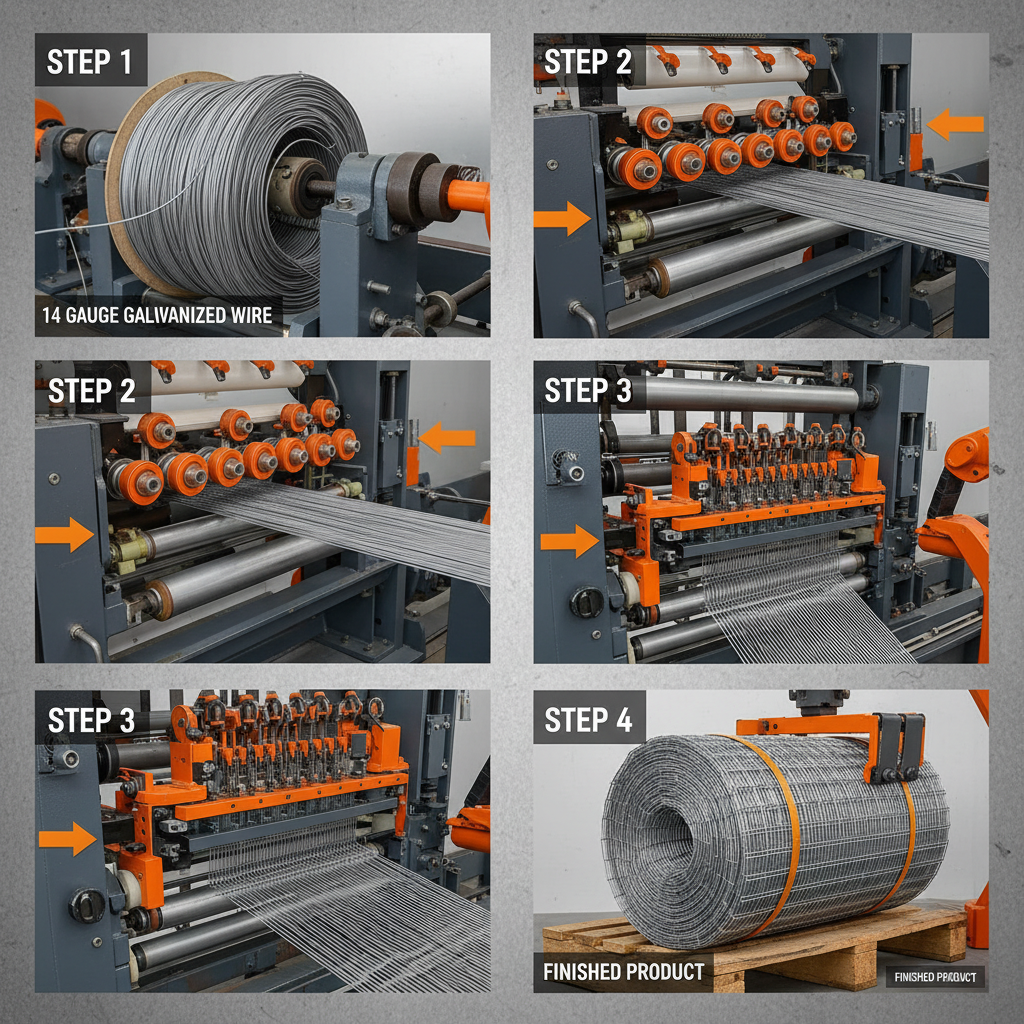
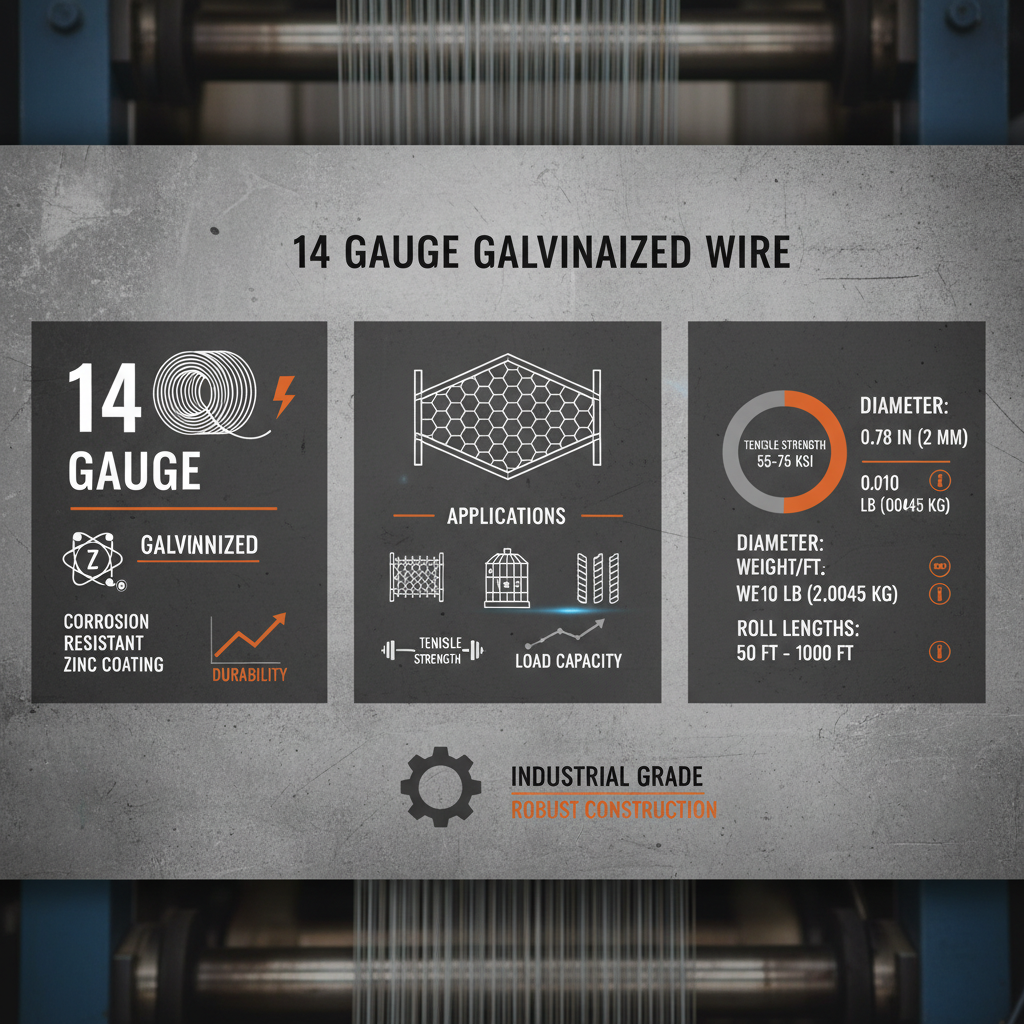
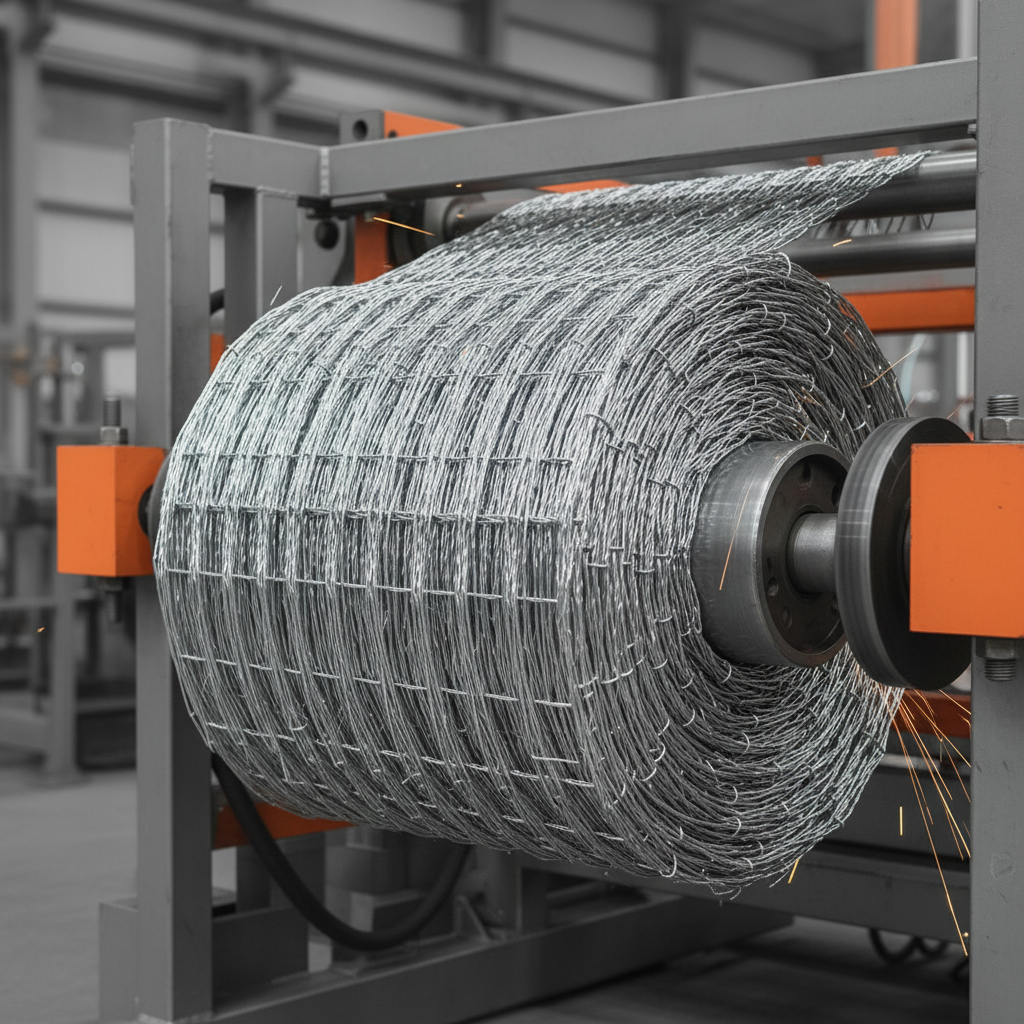
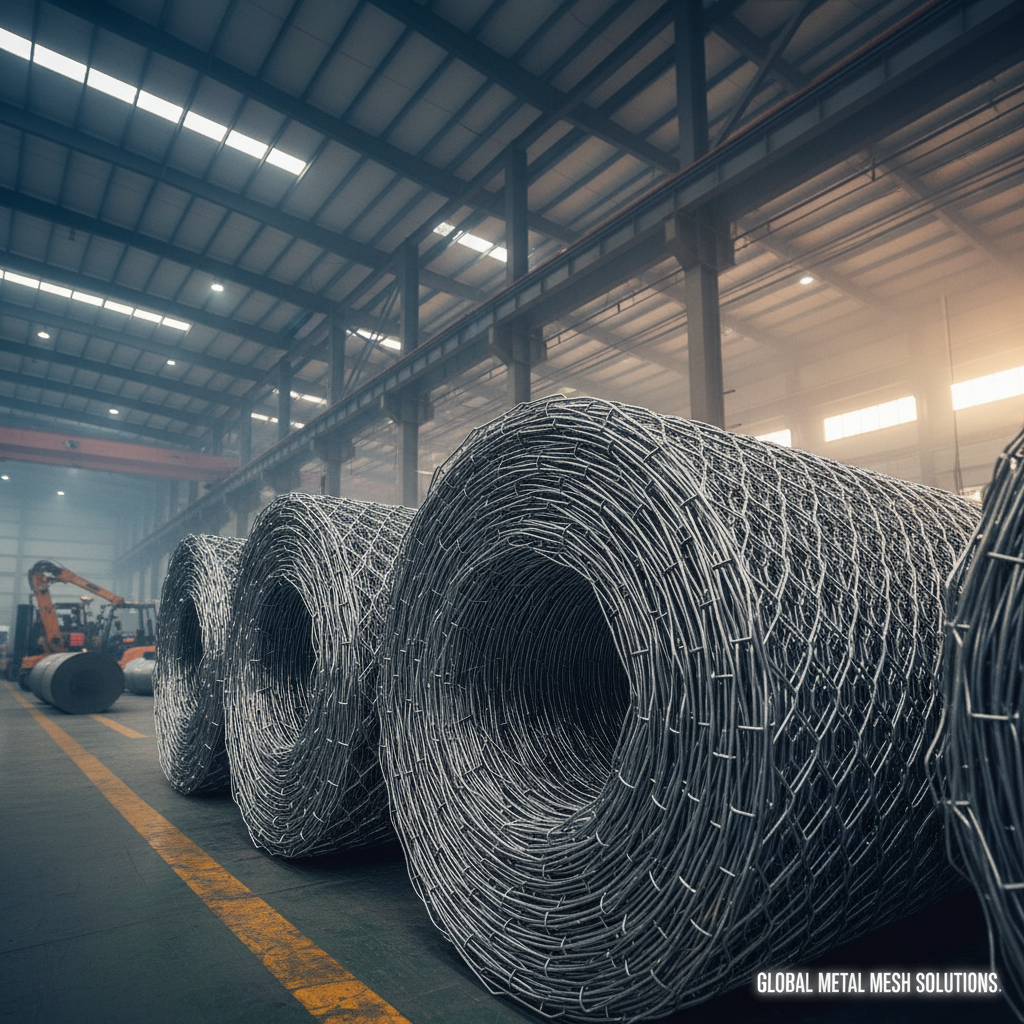
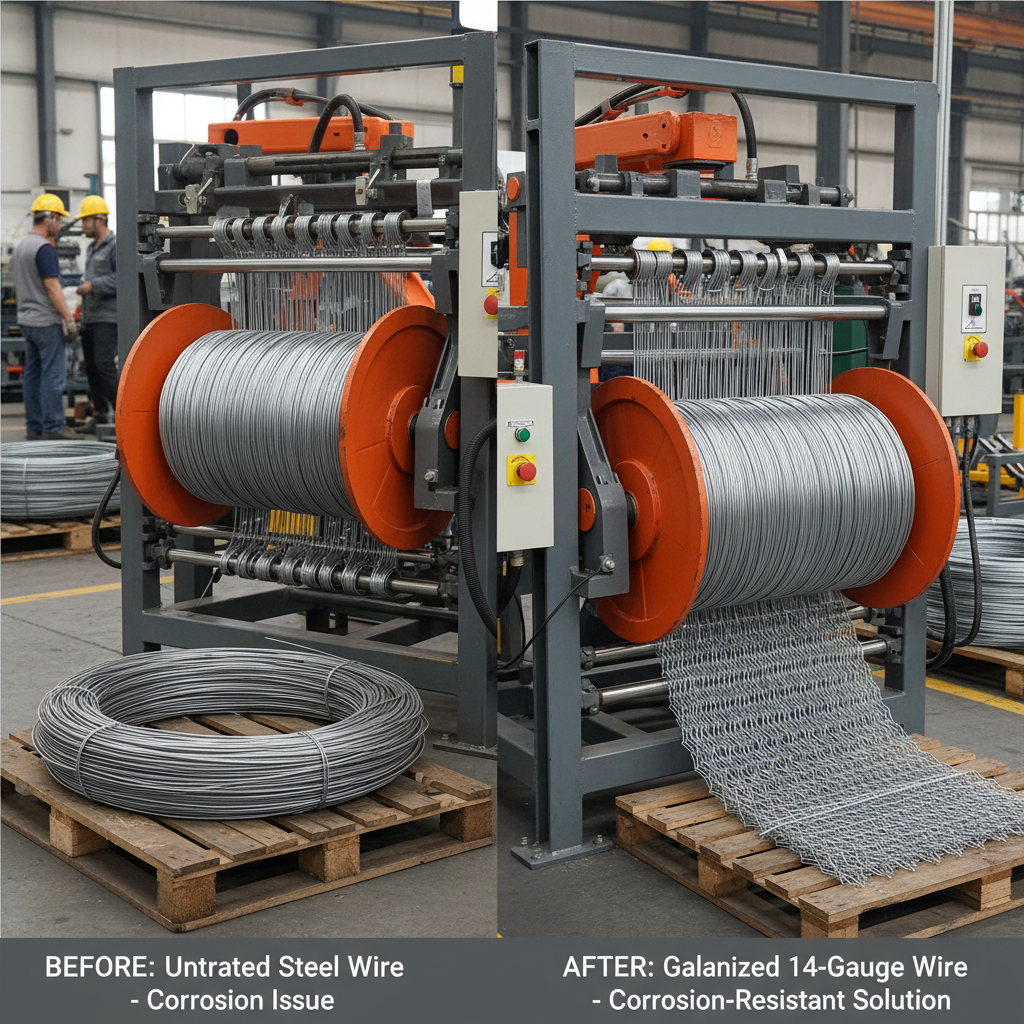
14 gauge galvanized wire is a cornerstone material in countless industries, from construction and agriculture to manufacturing and disaster relief. Its robust protective coating, applied to a steel core, offers exceptional resistance to corrosion, making it ideal for applications exposed to harsh weather conditions or corrosive environments. Understanding its properties and applications is crucial for engineers, contractors, and anyone involved in projects demanding durability and longevity. This article delves into the intricacies of 14 gauge galvanized wire, exploring its benefits, uses, and future trends.
Globally, the demand for galvanized wire, including the 14 gauge variety, is steadily increasing, driven by infrastructure development in emerging economies and a growing emphasis on sustainable building materials. According to the International Zinc Association, global zinc consumption, a key component in galvanization, has shown consistent growth, highlighting the material's importance in preventing corrosion and extending the lifespan of structures. The increasing frequency of extreme weather events also fuels demand, as galvanized wire provides reliable solutions for temporary fencing, emergency repairs, and structural support.
14 gauge galvanized wire represents a balance between strength, flexibility, and cost-effectiveness. It is a versatile material often used where a moderately strong wire with good corrosion resistance is needed. Its applications are widespread, ranging from binding and tying to creating robust barriers and securing materials. Its availability and relative ease of use make it a vital component in numerous projects, contributing to safety, efficiency, and long-term infrastructure stability.
Introduction to 14 Gauge Galvanized Wire
14 gauge galvanized wire stands out as a frequently utilized material in various sectors due to its balance of properties. It offers a significant degree of strength while remaining pliable enough for a wide range of tying, binding, and securing tasks. Its corrosion resistance, stemming from the zinc coating, significantly extends its lifespan, reducing the need for frequent replacements and minimizing maintenance costs.
The versatility of 14 gauge galvanized wire makes it a common choice for both large-scale industrial projects and smaller, DIY applications. It is a critical component in fencing, animal enclosures, cable lashing, and numerous construction applications, providing reliable performance and long-lasting durability. Its widespread availability and reasonable cost contribute to its popularity across diverse markets.
Defining 14 Gauge Galvanized Wire
14 gauge galvanized wire is a steel wire that has been coated with a layer of zinc through a process called galvanization. The “14 gauge” designation refers to the wire's diameter, with lower gauge numbers indicating thicker wire. A 14 gauge wire has a diameter of approximately 1.628 millimeters (0.064 inches). This specific gauge provides a good balance between strength and flexibility for many applications.
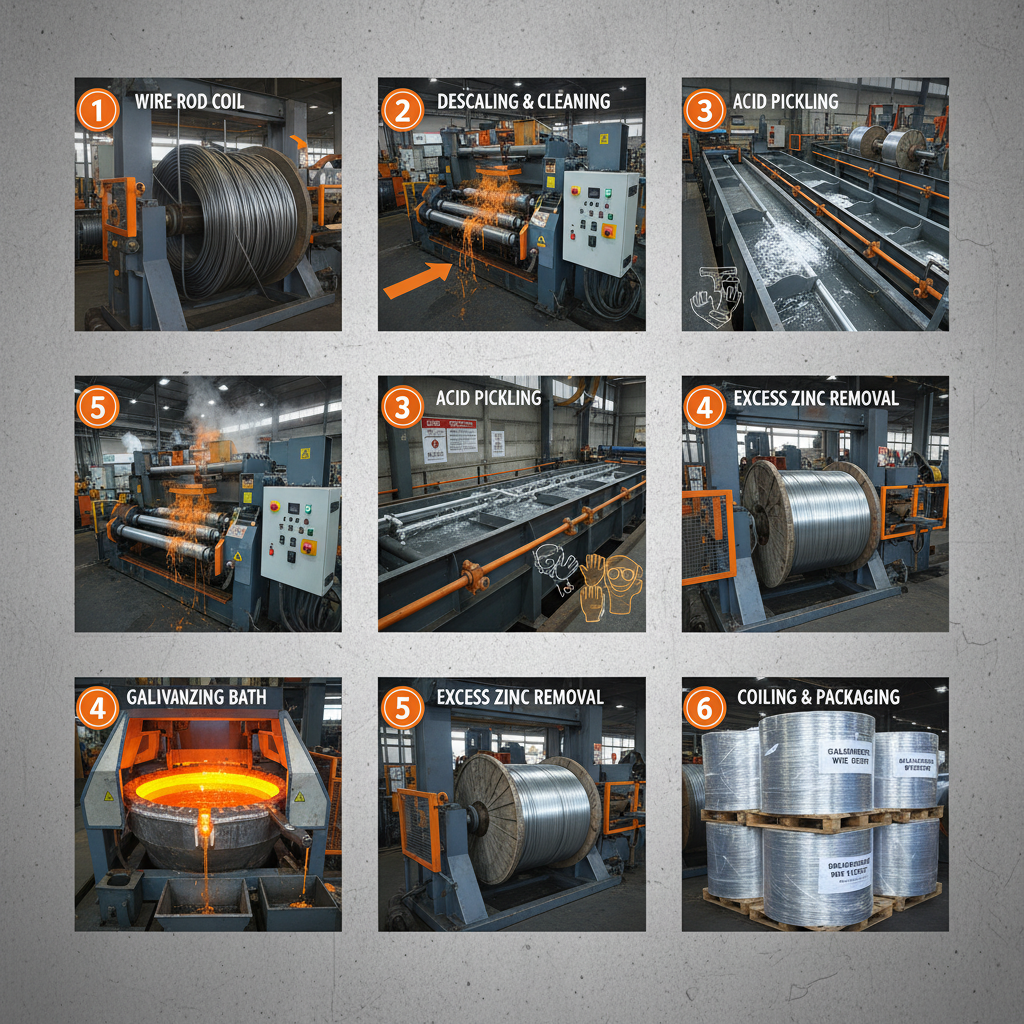
The galvanization process is critical, as it creates a protective barrier against corrosion. Zinc corrodes preferentially to steel, meaning that even if the coating is scratched or damaged, the zinc will corrode first, protecting the underlying steel from rust and deterioration. This process significantly extends the wire's service life, making it suitable for outdoor and corrosive environments.
This seemingly simple material plays a crucial role in modern infrastructure and numerous humanitarian efforts. It contributes to the longevity of agricultural structures, secures vital cabling in communication networks, and provides essential support in disaster relief efforts, highlighting its significance beyond basic industrial applications.
Core Properties of 14 Gauge Galvanized Wire
Durability is perhaps the most significant property of 14 gauge galvanized wire. The zinc coating provides exceptional resistance to rust and corrosion, even in harsh environments. This inherent durability translates to a longer service life, reducing replacement costs and minimizing maintenance requirements.
Flexibility is another key characteristic. The 14 gauge diameter strikes a good balance between strength and pliability, allowing the wire to be easily bent, twisted, and shaped without breaking. This makes it ideal for applications requiring intricate forming or secure tying.
Tensile Strength defines the amount of stress the wire can withstand before breaking. 14 gauge galvanized wire possesses sufficient tensile strength for many common applications, providing reliable support and secure connections. The specific tensile strength can vary depending on the type of steel used in the wire's core.
Global Applications of 14 Gauge Galvanized Wire
The applications of 14 gauge galvanized wire are incredibly diverse and span numerous industries worldwide. In agriculture, it’s heavily used for fencing to contain livestock, supporting plant growth in vineyards, and constructing poultry pens, providing robust and long-lasting enclosures.
In construction, the wire is critical for binding rebar in concrete structures, securing formwork, and providing temporary support during building projects. Its corrosion resistance makes it suitable for outdoor applications, ensuring structural integrity even in challenging weather conditions. In remote industrial zones, it’s used extensively for cable lashing, providing secure support for communication and power lines.
Furthermore, in post-disaster relief operations, 14 gauge galvanized wire is invaluable for constructing temporary shelters, securing tarpaulins, and providing emergency repairs to damaged infrastructure. Its ease of use and affordability make it a practical solution in critical situations where rapid deployment is essential.
Corrosion Resistance Comparison of 14 Gauge Galvanized Wire Methods
Advantages and Long-Term Value
The cost-effectiveness of 14 gauge galvanized wire is a major advantage. Compared to alternative materials like stainless steel or certain plastics, it offers a significantly lower upfront cost without compromising on essential performance characteristics. This makes it a viable choice for budget-conscious projects.
Beyond cost, the durability and longevity of galvanized wire contribute to substantial long-term value. Reduced maintenance and replacement costs, coupled with its resistance to corrosion, translate to significant savings over the lifespan of the application. This contributes to sustainable practices by minimizing resource consumption and waste.
Future Trends in Galvanized Wire Technology
Ongoing research focuses on enhancing the galvanization process itself, exploring techniques like advanced alloy coatings to further improve corrosion resistance and extend the lifespan of 14 gauge galvanized wire. Nanotechnology is also being investigated to create even more durable and protective coatings.
The integration of smart technologies, such as embedded sensors within the wire, is an emerging trend. These sensors can monitor stress, corrosion levels, and other critical parameters, providing valuable data for predictive maintenance and ensuring structural integrity.
Sustainability is also driving innovation. Efforts are underway to reduce the environmental impact of the galvanization process, including optimizing zinc consumption, improving waste management, and exploring alternative coating materials.
Challenges and Solutions in 14 Gauge Galvanized Wire Applications
One common challenge is hydrogen embrittlement, a phenomenon that can occur during the galvanization process, making the wire brittle and prone to failure. Solutions include pre-treatment of the steel wire, careful control of the galvanization process parameters, and post-treatment techniques to remove hydrogen.
Another challenge is the potential for coating damage during handling and installation. Proper packaging, careful transportation, and appropriate installation techniques are crucial to prevent scratches and abrasions that could compromise the corrosion resistance.
Finally, ensuring consistent coating quality across large production runs can be difficult. Implementing rigorous quality control measures, including regular inspections and adherence to industry standards, is essential to maintain the integrity and performance of 14 gauge galvanized wire.
Summary of Challenges and Solutions for 14 Gauge Galvanized Wire Applications
| Challenge |
Impact on 14 gauge galvanized wire Performance |
Solution |
Implementation Cost (1-10) |
| Hydrogen Embrittlement |
Reduced ductility and increased risk of brittle fracture |
Pre-treatment, controlled galvanization, post-treatment |
6 |
| Coating Damage |
Compromised corrosion resistance and accelerated deterioration |
Careful handling, protective packaging, proper installation |
3 |
| Inconsistent Coating |
Variable corrosion resistance across the wire length |
Rigorous quality control, process monitoring, standardized procedures |
7 |
| Environmental Regulations |
Restrictions on zinc emissions and waste disposal |
Closed-loop systems, waste recycling, optimized zinc usage |
8 |
| Material Costs |
Fluctuations in zinc and steel prices |
Strategic sourcing, long-term contracts, material optimization |
5 |
| Lack of Skilled Labor |
Improper galvanization or handling leading to defects |
Training programs, certification requirements, experienced technicians |
4 |
FAQS
14 gauge galvanized wire is extensively used in agriculture for constructing fences to contain livestock, creating support structures for vineyards and orchards, and building poultry pens. Its corrosion resistance ensures durability in harsh weather conditions and prevents rust, leading to reduced maintenance and a longer lifespan for these structures. The wire's strength and flexibility allow for easy installation and adaptation to various farm layouts.
The galvanization process involves coating the steel wire with a protective layer of zinc. Zinc acts as a sacrificial anode, meaning it corrodes preferentially to the steel. This protects the underlying steel from rust and deterioration, even if the coating is scratched or damaged. The zinc coating forms a stable zinc carbonate layer when exposed to the atmosphere, further enhancing its corrosion resistance.
The lifespan of 14 gauge galvanized wire in an outdoor environment can vary depending on factors like exposure to salt spray, industrial pollution, and humidity. However, under typical conditions, it can last for decades. Hot-dip galvanized wire generally offers a longer lifespan compared to electrogalvanized wire due to the thicker zinc coating. Proper installation and maintenance can further extend its service life.
Welding galvanized wire can release harmful zinc fumes, so it’s generally not recommended without proper ventilation and safety precautions. Soldering is also challenging due to the zinc coating inhibiting the formation of a strong solder joint. Special fluxes and techniques are required for successful soldering. Mechanical connections like twisting, crimping, or using wire connectors are often preferred.
The gauge number indicates the wire's diameter. Lower gauge numbers correspond to thicker, stronger wires. 14 gauge wire provides a good balance between strength and flexibility, making it suitable for a wide range of applications. Thicker wires (lower gauge) are stronger but less flexible, while thinner wires (higher gauge) are more flexible but less strong. Selecting the appropriate gauge depends on the specific application requirements.
The galvanization process can generate some waste products, including zinc ash and wastewater. Modern galvanizing plants employ various environmental control measures to minimize these impacts, such as recycling zinc ash, treating wastewater to remove heavy metals, and implementing closed-loop systems. Sustainable galvanizing practices are increasingly focused on reducing zinc consumption and minimizing waste generation.
Conclusion
In summary, 14 gauge galvanized wire is a versatile and reliable material with a broad spectrum of applications across diverse industries. Its inherent durability, corrosion resistance, and cost-effectiveness make it a cornerstone for construction, agriculture, manufacturing, and disaster relief efforts. Understanding its properties and proper application techniques is crucial for maximizing its long-term value and ensuring structural integrity.
Looking ahead, innovations in galvanization technology and a growing emphasis on sustainability will continue to shape the future of 14 gauge galvanized wire. By embracing advancements in coating materials, waste management, and smart technologies, we can unlock even greater potential for this essential material, contributing to safer, more resilient, and more sustainable infrastructure worldwide. Visit our website at 14 gauge galvanized wire to learn more about our products and services.