Selecting the right partners among various barbed wire suppliers is a critical decision for landowners, agricultural enterprises, and security professionals worldwide. Barbed wire remains one of the most cost-effective and durable methods for perimeter control, offering a physical and psychological deterrent that is unmatched in its simplicity and efficiency. Whether for livestock management or high-security installations, the quality of the wire directly impacts the longevity of the fence and the safety of the assets it protects.
Globally, the demand for high-grade fencing materials is driven by the expansion of agricultural frontiers and the need for secure borders in volatile regions. Industry data suggests that the global fencing market continues to grow, with a significant shift toward corrosion-resistant coatings and high-tensile steel to combat environmental degradation. This evolution puts a spotlight on the technical capabilities of barbed wire suppliers to provide materials that meet ISO standards and local building codes.
However, the challenge often lies in navigating the trade-off between initial cost and long-term durability. Many buyers struggle with premature rusting or wire snapping due to inferior tensile strength, which leads to increased maintenance costs and security vulnerabilities. Understanding the manufacturing processes and quality benchmarks used by leading barbed wire suppliers is essential to ensuring a sustainable and secure investment.
The Role of Barbed Wire Suppliers in Global Security
Experienced barbed wire suppliers act as the first line of defense in perimeter security. By providing materials that balance flexibility with piercing strength, these suppliers enable the creation of barriers that are difficult to breach without specialized equipment. This is particularly vital in agricultural settings where livestock containment is paramount to operational success.
Beyond simple farming, these suppliers serve governmental and industrial sectors, providing the raw materials needed for border control and the protection of critical infrastructure. The ability of a supplier to maintain consistent gauge thickness and barb spacing is what separates a professional-grade security fence from a temporary, unreliable barrier.
Core Technical Components of High-Quality Barbed Wire
When analyzing the offerings of various barbed wire suppliers, the first technical component to consider is the tensile strength of the base steel. High-carbon steel is typically preferred because it allows the wire to be stretched tightly across long distances without sagging, ensuring the fence remains a formidable barrier over time.
Another critical factor is the "twist" and the "barb" integrity. The way the two strands of wire are twisted together determines the structural stability of the product. Leading suppliers ensure that the barbs are locked securely into the twist, preventing them from sliding or rotating, which would otherwise compromise the deterrent effect of the wire.
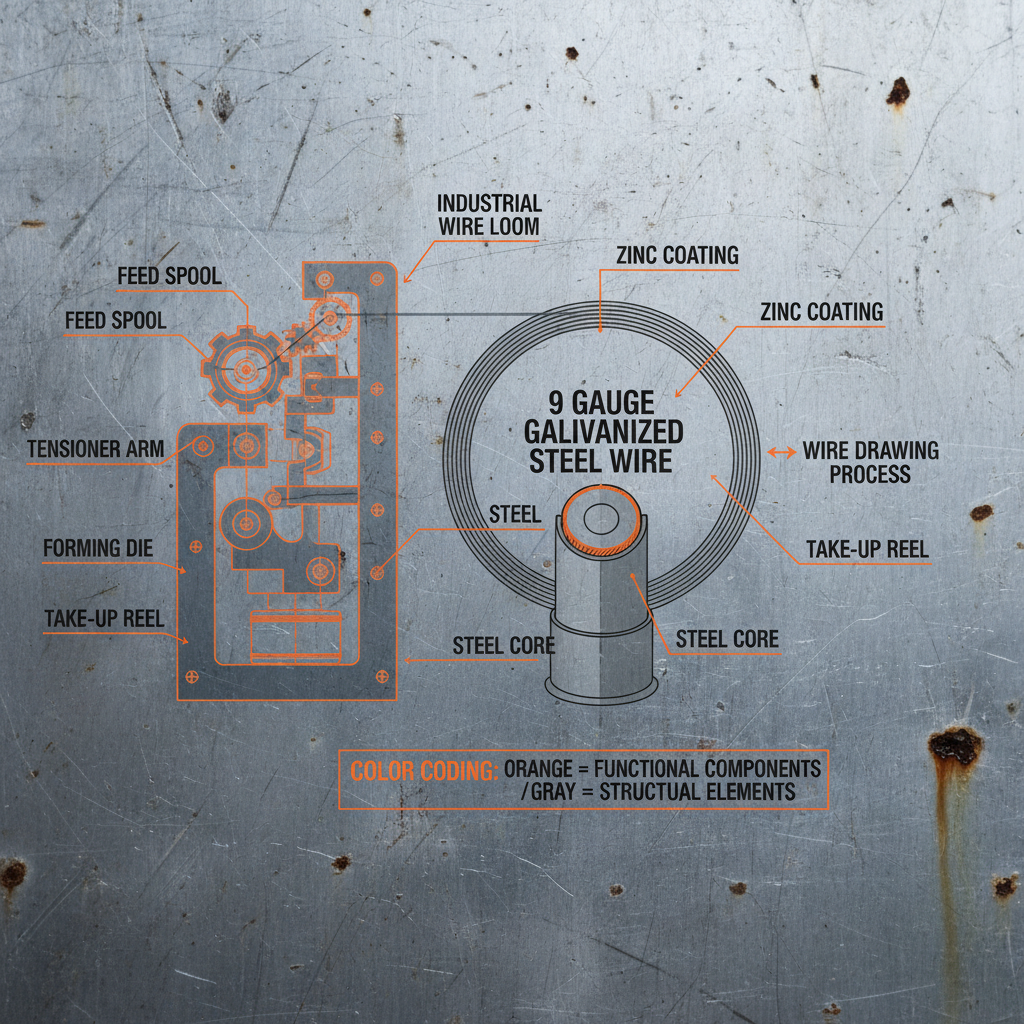
Lastly, the coating process is where the most significant variations occur between barbed wire suppliers. From hot-dipped galvanization to PVC coating, the protective layer must be uniform and adherent to the steel core to prevent oxidation, especially in coastal or high-humidity environments.
Evaluating Durability and Corrosion Resistance
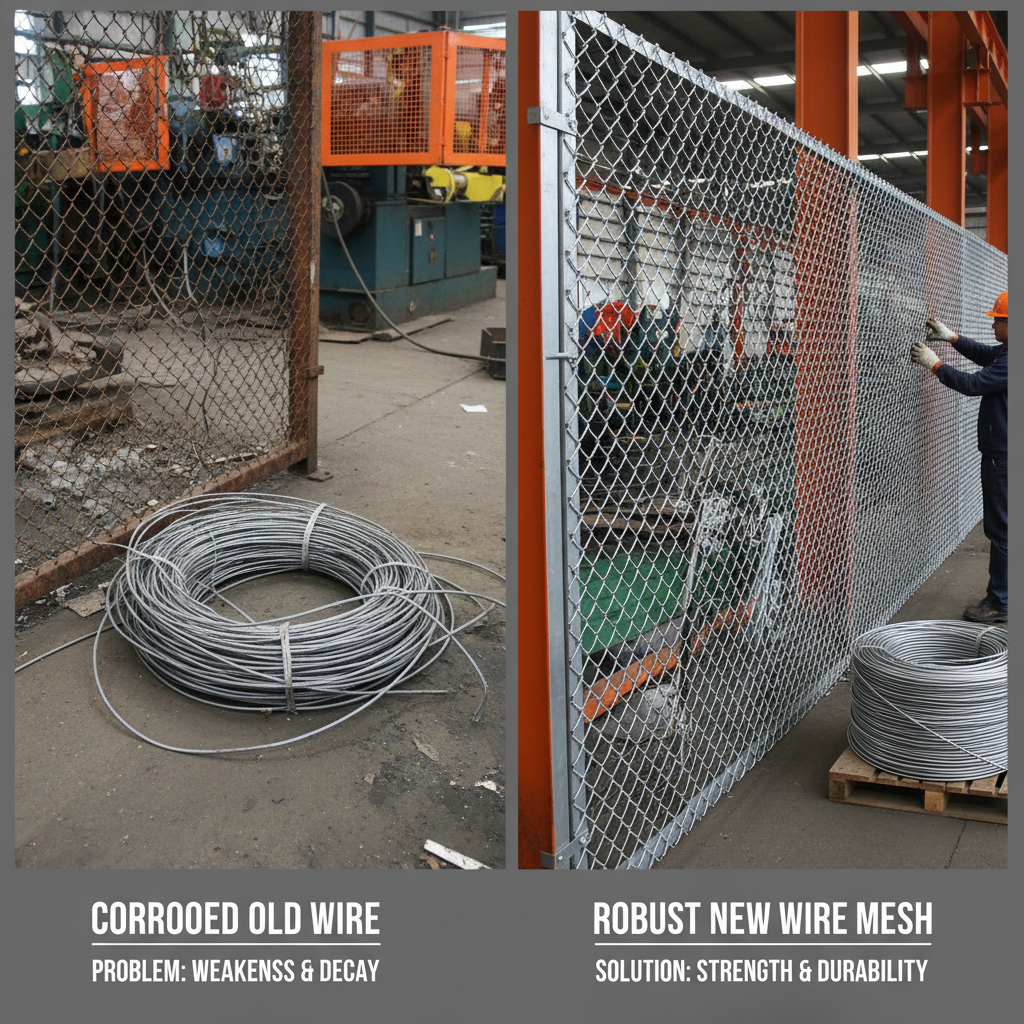
Durability is the primary metric used to differentiate between low-cost and premium barbed wire suppliers. A fence is only as strong as its weakest link, and in the world of wire products, "weakness" usually manifests as rust or fatigue failure under tension.
The most reliable barbed wire suppliers utilize a hot-dipped galvanizing process, which creates a metallurgical bond between the zinc and the steel. This provides a sacrificial layer of protection that prevents the core steel from rusting, extending the lifespan of the fence from a few years to several decades.
For extreme environments, some barbed wire suppliers offer Class 3 galvanization or aluminum-zinc alloys. These advanced coatings are specifically engineered to withstand acid rain and saltwater spray, making them the ideal choice for industrial zones and remote coastal boundaries.
Comparative Analysis of Supplier Manufacturing Methods
Different barbed wire suppliers employ varying manufacturing philosophies. Some focus on high-volume, low-cost production using electro-galvanized wire, which is suitable for short-term projects. Others invest in precision machinery that allows for customizable barb intervals and gauge thicknesses to meet specific security requirements.
The choice of manufacturing method directly impacts the "break-load" capacity of the wire. By using automated tensioning and twisting equipment, top-tier suppliers ensure that every inch of the wire can withstand the same amount of pressure, reducing the risk of localized failures.
Comparative Quality Metrics from Leading Barbed Wire Suppliers
Global Applications Across Diverse Industries
The versatility of the products provided by barbed wire suppliers allows them to be utilized in an array of settings. In the agricultural sector, it is the standard for cattle and sheep fencing, preventing livestock from wandering and protecting crops from wild animals. The cost-efficiency of these materials makes them accessible for large-scale farming operations globally.
In more urban or industrial contexts, barbed wire is often integrated with chain-link fences to provide a top-tier deterrent for warehouses, airports, and military bases. By sourcing from specialized barbed wire suppliers, facility managers can specify the "sharpness" and density of the barbs to match the security level required for the site.
Long-term Economic Value of Premium Fencing
While budget-conscious buyers may be tempted by the lowest quotes from barbed wire suppliers, the long-term economic value of premium materials is undeniable. Lower-grade wire often requires replacement every 3-5 years due to rust, whereas high-grade galvanized wire can last 20 years or more.
When you factor in the cost of labor for installation and the disruption caused by fence failures, the "expensive" option becomes the cheapest over the lifecycle of the project. Reliable barbed wire suppliers emphasize this Total Cost of Ownership (TCO) approach, helping clients save money through reduced maintenance.
Furthermore, the reliability of a premium fence provides peace of mind. For businesses, this means lower insurance premiums and a reduced risk of theft or liability. For farmers, it means fewer lost animals and less time spent repairing breaks in the line.
Future Innovations in Barbed Wire Technology
The industry is currently seeing a shift toward "smarter" and "greener" materials. Some barbed wire suppliers are experimenting with recycled steel to reduce the carbon footprint of production without sacrificing tensile strength. This aligns with global sustainability goals and appeals to eco-conscious corporate buyers.
Another trend is the integration of barbed wire with electronic surveillance. Modern security designs now feature "smart fences" where traditional wire from barbed wire suppliers is paired with sensors that detect vibrations or cutting, triggering an immediate alert to security personnel.
Finally, the development of new alloy coatings is extending the life of wire in the most corrosive environments on Earth. From the salt marshes of Southeast Asia to the arid deserts of the Middle East, innovation from leading barbed wire suppliers is ensuring that perimeter security remains effective regardless of the climate.
Technical Analysis of Barbed Wire Material Options
|
Material Type
|
Corrosion Resistance
|
Installation Effort
|
Lifespan (Years)
|
|
Electro-Galvanized
|
Low
|
Easy
|
2-5
|
|
Hot-Dipped Galvanized
|
High
|
Moderate
|
15-25
|
|
PVC Coated
|
Very High
|
Moderate
|
10-20
|
|
High-Carbon Steel
|
Moderate
|
Difficult
|
10-15
|
|
Zinc-Aluminum Alloy
|
Extreme
|
Moderate
|
30+
|
|
Black Annealed
|
Very Low
|
Very Easy
|
1-3
|
FAQS
When selecting from barbed wire suppliers, look for certifications like ISO 9001 and ask for a detailed specification sheet. Check their galvanization process (hot-dipped is superior to electro-galvanized) and verify their track record with projects in climates similar to yours. A reputable supplier should provide a warranty on the coating's corrosion resistance.
Not necessarily. Hot-dipped galvanized wire is incredibly durable and traditional. However, PVC coating, provided by many barbed wire suppliers, adds an extra layer of protection against moisture and can be customized for aesthetics or higher visibility. PVC is often better for highly acidic environments, while galvanization is the gold standard for general agricultural use.
In salt-heavy coastal air, standard wire from basic barbed wire suppliers might rust within 2-5 years. However, if you source Zinc-Aluminum alloy or heavy-duty hot-dipped wire, the lifespan can be extended to 15-30 years. Always specify "coastal grade" when ordering from your supplier to ensure the correct coating thickness.
Yes, most professional barbed wire suppliers offer customization. Depending on whether you are fencing in small goats or securing a high-risk industrial site, you can request specific barb intervals (e.g., 4 inches or 6 inches) and wire gauges. Custom orders may have a higher minimum order quantity (MOQ) but ensure the fence is fit for purpose.
Prevention starts with sourcing high-tensile wire from specialized barbed wire suppliers. High-tensile steel has a lower rate of expansion and contraction. Additionally, using proper tensioning tools and sturdy corner posts ensures the wire remains taut, reducing the need for frequent manual tightening.
This refers to the number of points on each barb. 4-point wire, common among high-security barbed wire suppliers, provides a more aggressive deterrent and is harder to handle or cut. 2-strand typically refers to the base construction. The "point" count generally increases the psychological deterrent and the physical difficulty of breaching the fence.
Conclusion
Finding the right barbed wire suppliers is about more than just finding the lowest price; it is about securing a long-term asset that provides safety and peace of mind. From the technical specifications of high-carbon steel and hot-dipped galvanization to the strategic application in agriculture and industrial security, the quality of the material dictates the effectiveness of the perimeter. By focusing on durability, corrosion resistance, and manufacturing precision, buyers can avoid the costly cycle of frequent repairs and replacements.
As we move toward a future of sustainable manufacturing and integrated security technology, the role of the supplier will evolve from a simple vendor to a technical partner. We recommend that all project managers and landowners conduct a thorough environmental audit of their site before selecting a wire type to ensure maximum longevity. For premium, industry-standard fencing solutions that balance cost and performance, visit our website: www.fivestar-metals.com.