Galvanized oval wire plays a crucial role in a myriad of industries globally, from agricultural fencing and construction to automotive components and household applications. Its inherent corrosion resistance, stemming from the zinc coating, extends the lifespan of structures and products, reducing maintenance costs and replacement frequencies. Understanding the properties and applications of galvanized oval wire is vital for engineers, manufacturers, and procurement specialists seeking durable and cost-effective materials.
The demand for galvanized oval wire is driven by infrastructure development, particularly in emerging economies, and the increasing need for long-lasting, reliable materials in harsh environments. The global galvanized steel market, of which oval wire is a key component, is projected to continue growing, fueled by urbanization and industrialization. This growth presents opportunities for innovation in production techniques and coating technologies, enhancing the performance and sustainability of the material.
Ultimately, appreciating the characteristics and breadth of use cases for galvanized oval wire is essential for optimizing resource allocation, improving project longevity, and minimizing environmental impact across diverse sectors worldwide.
The Importance of Galvanized Oval Wire
Galvanized oval wire is a robust and versatile material that provides exceptional corrosion protection. The galvanization process – coating steel with a layer of zinc – acts as a sacrificial barrier, preventing rust and extending the lifespan of the wire significantly. This makes it ideal for applications where exposure to moisture, chemicals, or harsh weather conditions is prevalent.
Its oval shape provides enhanced strength and stability compared to round wire, allowing it to withstand greater tension and stress. This unique combination of durability and cost-effectiveness makes galvanized oval wire a preferred choice in a wide range of projects, contributing to infrastructure resilience and reduced lifecycle costs.
Understanding Galvanized Oval Wire
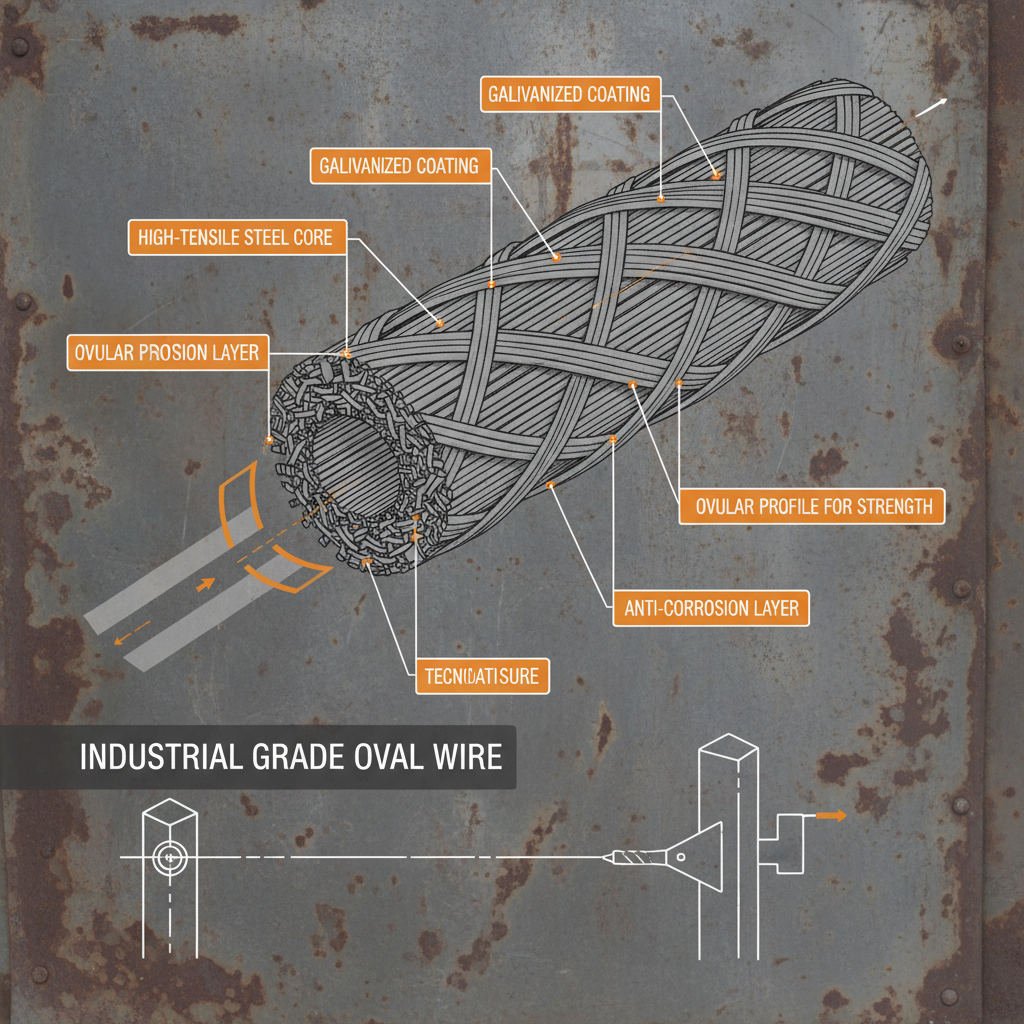
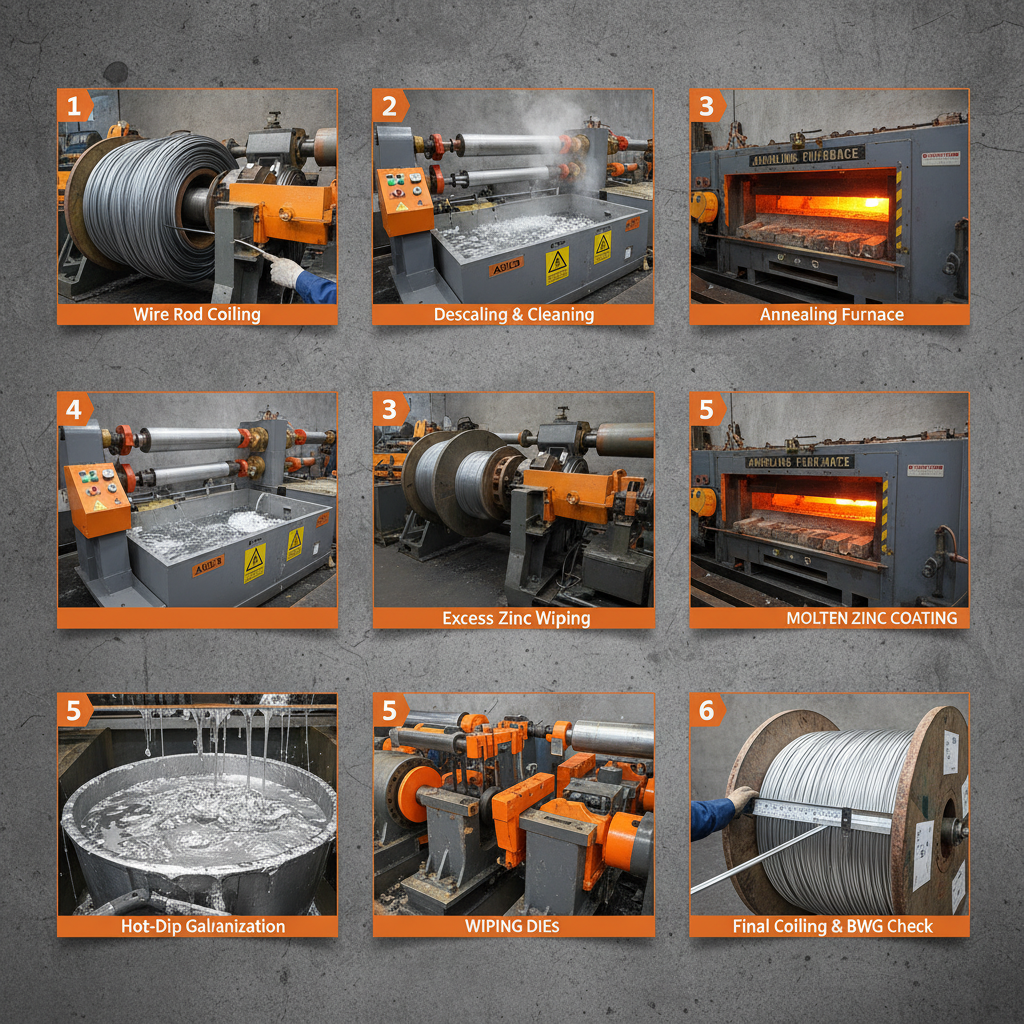
At its core, galvanized oval wire is steel wire that has undergone a galvanization process. Typically, this involves immersing the steel wire in a bath of molten zinc. The zinc reacts with the steel, forming a series of zinc-iron alloy layers, culminating in an outer layer of pure zinc. This metallurgical bond provides superior corrosion resistance compared to other coating methods.
The ‘oval’ shape is formed during the wire drawing process, creating a wire with a slightly flattened cross-section. This design increases the surface area for zinc adhesion, further enhancing corrosion protection. It also contributes to the wire's structural integrity, making it more resistant to deformation under stress.
Modern industry and humanitarian efforts rely heavily on materials like galvanized oval wire. From securing temporary shelters in disaster relief to forming the structural framework for agricultural netting, its availability and ease of use make it a critical resource for building and rebuilding communities.
Core Properties of Galvanized Oval Wire
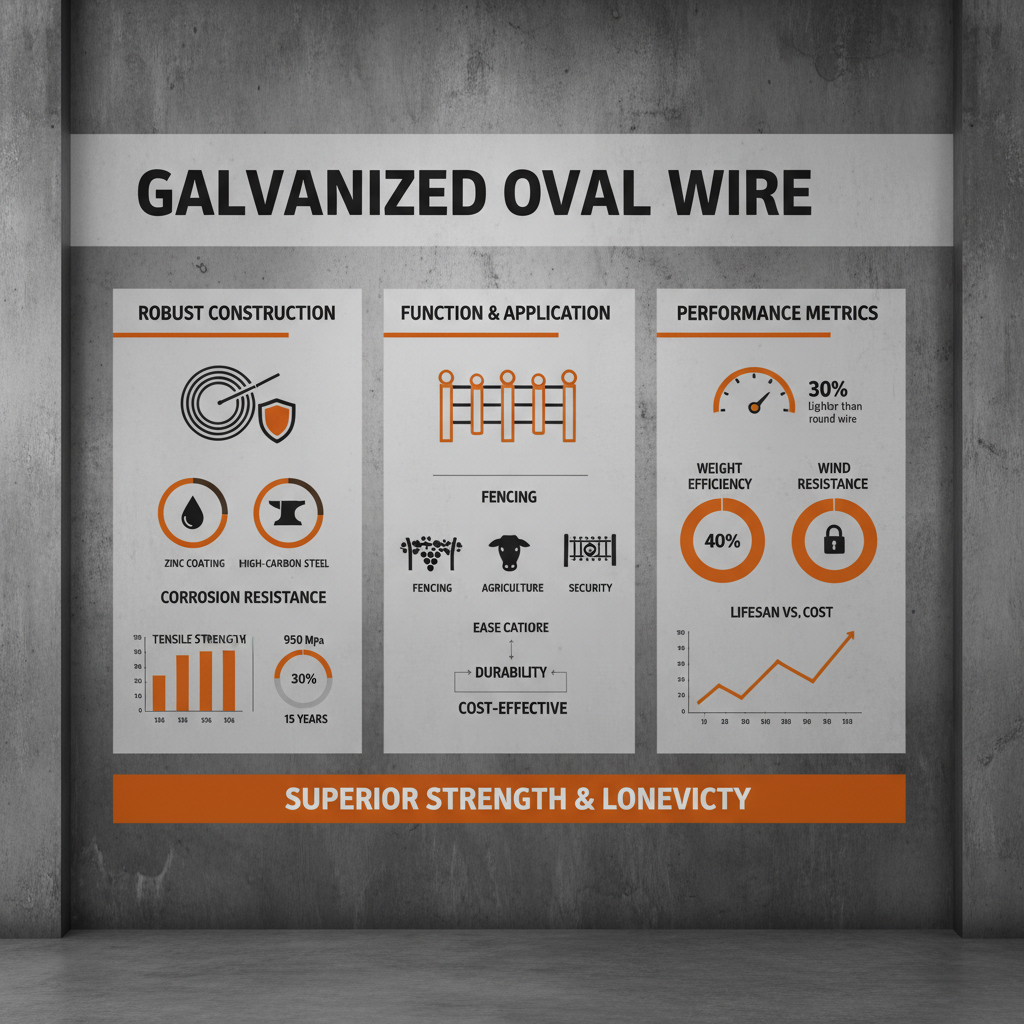
The primary characteristic of galvanized oval wire is its superior corrosion resistance. The zinc coating protects the underlying steel from environmental factors, significantly extending its service life. Different galvanization methods, such as hot-dip galvanizing, electro-galvanizing, and zinc-rich paints, offer varying levels of protection and cost.
Beyond corrosion resistance, galvanized oval wire boasts high tensile strength, owing to both the steel composition and the oval shape, which distributes stress more effectively. Its malleability allows for easy forming and shaping, making it adaptable to various applications. The wire's conductivity of electricity also allows for use in certain electrical grounding applications.
Another crucial property is its weldability. While the zinc coating requires appropriate pre-treatment, galvanized oval wire can be successfully welded using various techniques, enabling the creation of robust and permanent structures. The thickness of the zinc coating is a key factor influencing both the corrosion protection and the weldability of the wire.
Applications Across Industries
Galvanized oval wire finds widespread use across numerous industries. In agriculture, it’s utilized in fencing for livestock containment, protecting crops from animals, and creating support structures for plants. The durability of the wire ensures long-lasting, reliable enclosures.
The construction industry employs galvanized oval wire in reinforcing mesh, concrete structures, and roofing systems. Its ability to withstand harsh weather and prevent corrosion makes it a vital component in building infrastructure. Furthermore, it’s used in the manufacture of nails, screws, and other fasteners.
Galvanized Oval Wire Performance by Application
Advantages and Long-Term Value
The primary advantage of galvanized oval wire is its cost-effectiveness. The initial investment is often lower than that of stainless steel or other corrosion-resistant alloys, while providing comparable or superior protection in many applications. This translates to reduced lifecycle costs through lower maintenance and replacement needs.
From a sustainability standpoint, galvanization is an environmentally friendly process. Zinc is a naturally occurring element and is recyclable. The extended lifespan of galvanized structures also reduces the demand for new materials, minimizing environmental impact.
Future Trends and Innovations
Ongoing research focuses on enhancing the galvanization process to improve coating uniformity and corrosion resistance. Nanotechnology and advanced alloy coatings are being explored to create even more durable and long-lasting galvanized oval wire.
Digitalization and automation are also transforming the manufacturing of galvanized oval wire. Automated production lines, coupled with real-time quality control systems, are improving efficiency and reducing waste. The integration of smart sensors allows for predictive maintenance, minimizing downtime and maximizing operational performance.
Sustainability initiatives are driving the development of more eco-friendly galvanization processes, including the reduction of energy consumption and the responsible management of waste materials.
Challenges and Solutions in Utilizing Galvanized Oval Wire
One challenge is the potential for hydrogen embrittlement during the galvanization process, which can reduce the ductility of high-strength steel wires. This can be mitigated by employing appropriate pre-treatment methods and post-galvanizing annealing processes.
Another challenge is the ‘white rust’ phenomenon – the formation of zinc corrosion products on the surface of galvanized wire – which can occur during storage or transportation in humid environments. This can be addressed by proper packaging and storage practices, and by applying a passivation treatment to the wire.
Finally, ensuring consistent coating thickness and quality can be difficult, particularly for complex wire geometries. Advanced coating monitoring and control systems are crucial for maintaining high standards and ensuring the long-term performance of galvanized oval wire.
Summary of Solutions to Galvanized Oval Wire Challenges
| Challenge |
Impact on Galvanized Oval Wire |
Proposed Solution |
Implementation Cost (1-10) |
| Hydrogen Embrittlement |
Reduced Ductility & Strength |
Pre-treatment & Annealing |
6 |
| White Rust Formation |
Surface Corrosion & Appearance |
Proper Packaging & Passivation |
3 |
| Inconsistent Coating Thickness |
Uneven Corrosion Protection |
Advanced Monitoring Systems |
8 |
| Zinc Consumption |
Increased Cost |
Optimize Bath Chemistry |
5 |
| Quality Control |
Defects & Non-Compliance |
Automated Inspection |
7 |
| Environmental Regulations |
Waste Management & Emissions |
Closed-Loop Systems & Recycling |
9 |
FAQS
The lifespan of galvanized oval wire in outdoor applications varies depending on environmental factors like salinity, humidity, and pollution levels. However, generally, it can last anywhere from 20 to 50 years or more with minimal maintenance. The thicker the zinc coating, the longer the lifespan. Regular inspection and potential touch-up coatings can further extend its service life. The specific grade of steel used also impacts its longevity.
Galvanized oval wire offers some corrosion resistance in saltwater environments, but it's not as effective as stainless steel or specialized marine-grade alloys. The zinc coating provides sacrificial protection, but it will corrode faster in high-salinity conditions. For critical applications in seawater, consider using thicker galvanization, or alternative materials specifically designed for marine use. Regular maintenance and inspection are crucial in saltwater environments.
Yes, galvanized oval wire can be painted or powder coated, but proper surface preparation is essential. The zinc coating must be cleaned and etched to ensure good adhesion. A zinc-rich primer is often recommended to provide additional corrosion protection, particularly if the coating is damaged. Choose paints or powder coatings specifically designed for galvanized surfaces to maximize longevity.
The most common method is hot-dip galvanizing, where the wire is immersed in molten zinc. Electro-galvanizing uses an electric current to deposit zinc onto the wire. Zinc-rich paints provide a coating that is rich in zinc particles. Each method offers different levels of corrosion protection, cost, and coating thickness. Hot-dip galvanizing generally provides the thickest and most durable coating.
The oval shape of the wire increases the surface area available for zinc adhesion, resulting in a more robust and complete coating. It also provides enhanced structural strength and rigidity compared to round wire, allowing it to withstand higher tension and loads. This combination of properties makes it ideal for fencing, netting, and other applications requiring strength and durability.
Galvanized oval wire is considered relatively environmentally friendly. Zinc is a naturally occurring and recyclable material. The galvanization process itself has become more sustainable with advancements in waste management and emission control technologies. The long lifespan of galvanized structures reduces the need for frequent replacements, conserving resources and minimizing waste.
Conclusion
Galvanized oval wire stands as a cornerstone material across diverse industries, valued for its durability, cost-effectiveness, and corrosion resistance. Its ability to withstand harsh environments and extend the lifespan of structures makes it a sustainable choice for long-term projects. Understanding its properties, applications, and future trends is vital for optimizing material selection and enhancing project outcomes.
As technology advances and sustainability becomes increasingly critical, continued innovation in galvanization processes and material science will further enhance the performance and environmental friendliness of galvanized oval wire. To learn more about our range of galvanized oval wire products and their applications, and explore how we can support your projects, visit our website today at www.fivestar-metals.com.