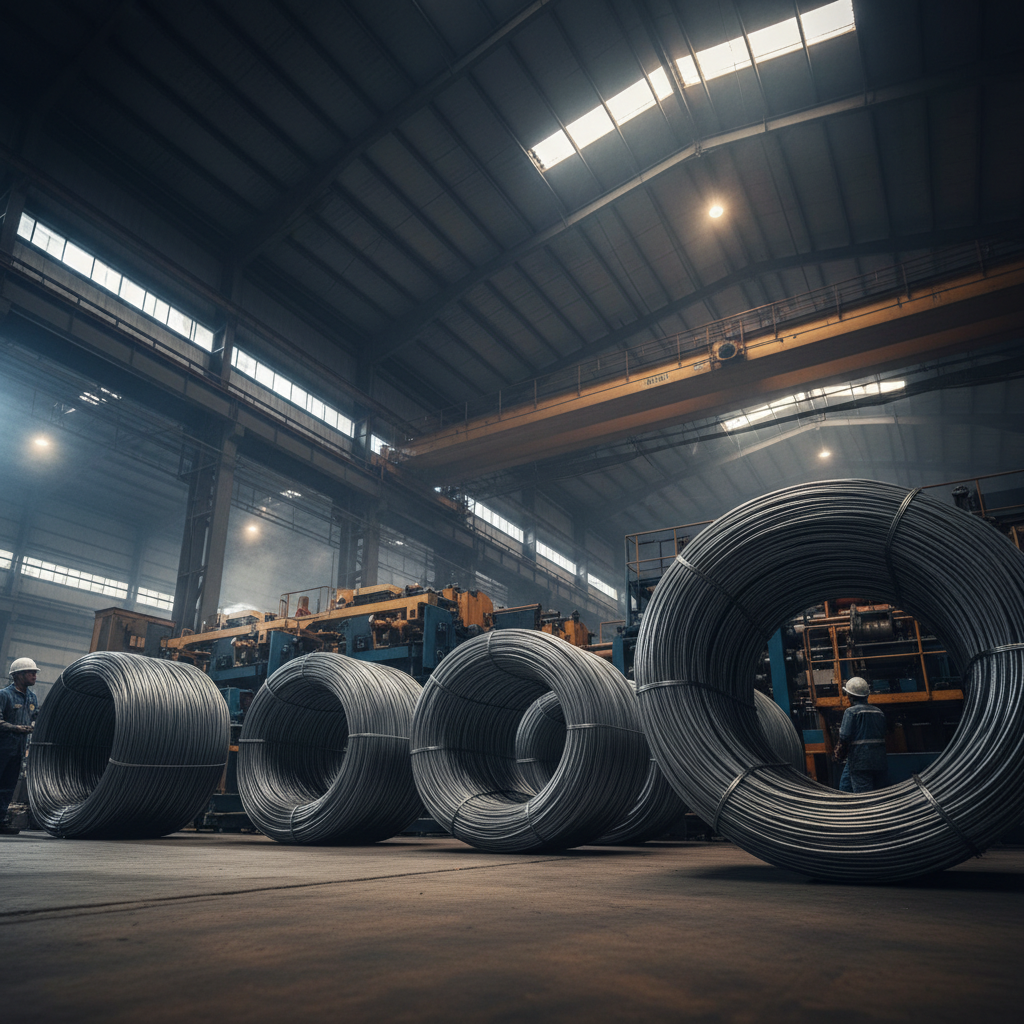
Galvanized wire bwg, a cornerstone of modern infrastructure and diverse industries, stands as a testament to material science innovation. Its robust protection against corrosion, coupled with its versatile application spectrum, has made it indispensable in construction, agriculture, communications, and countless other sectors globally. Understanding the nuances of galvanized wire bwg – from its manufacturing processes to its specific properties and applications – is crucial for engineers, procurement professionals, and anyone involved in projects demanding durable and reliable wire solutions.
The escalating demand for infrastructure development, particularly in emerging economies, fuels the need for cost-effective and long-lasting materials like galvanized wire bwg. Simultaneously, the increasing focus on sustainability drives the need for materials with extended lifecycles, reducing the frequency of replacements and minimizing environmental impact. The versatility of this wire makes it a compelling solution for applications ranging from reinforcing structures to securing vital communication networks.
The global market for galvanized wire bwg is experiencing steady growth, driven by the construction boom in Asia-Pacific, increasing adoption in agricultural fencing, and expanding telecommunications infrastructure. This growth underscores the significance of understanding the different grades, coatings, and applications of this essential material to meet evolving industry needs and ensure project success.
Defining Galvanized Wire bwg
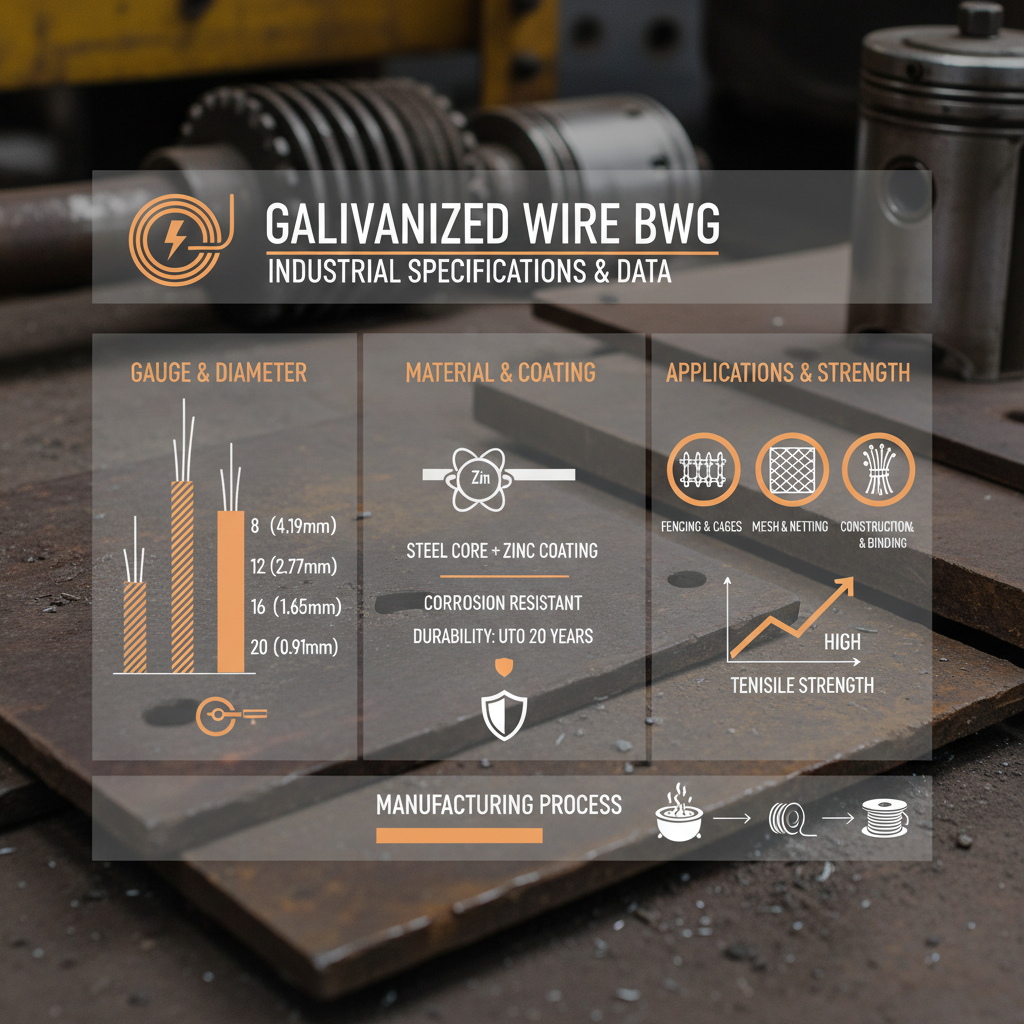
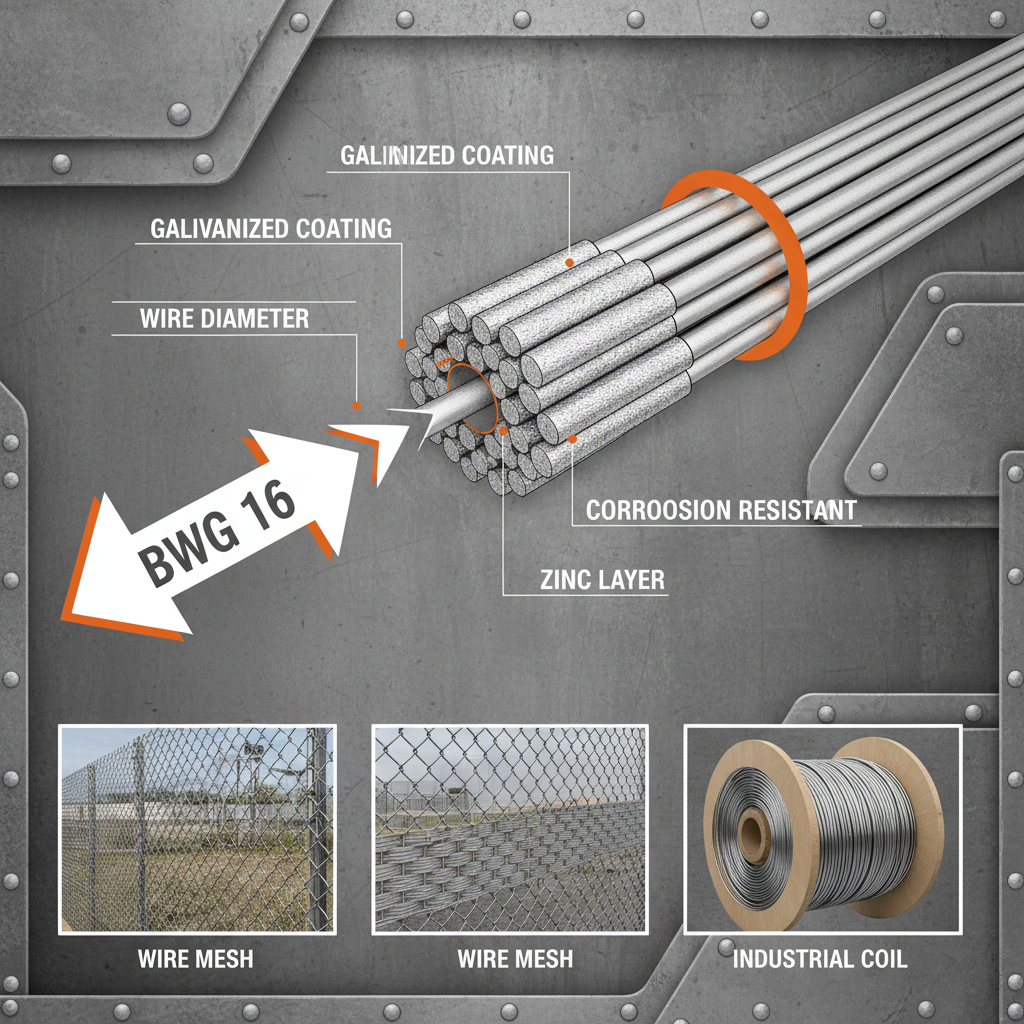
Galvanized wire bwg refers to steel wire coated with a protective layer of zinc. The “bwg” designation refers to the Birmingham Wire Gauge, a standard system for specifying wire diameters. This coating provides exceptional corrosion resistance, making the wire suitable for a wide range of outdoor and harsh environment applications. It’s a foundational material in industries where durability and longevity are paramount.
The importance of galvanized wire bwg extends beyond mere industrial applications. It plays a crucial role in improving lives globally, from providing secure fencing for agricultural communities to supporting critical infrastructure in developing nations. The accessibility and cost-effectiveness of galvanized wire bwg contribute to its widespread adoption and positive impact on communities worldwide.
The Global Relevance of Galvanized Wire bwg
The demand for galvanized wire bwg is intrinsically linked to global economic development and infrastructure projects. According to the World Bank, investments in infrastructure are vital for sustainable economic growth, and galvanized wire bwg forms an integral part of many such projects, including power transmission lines, communication networks, and transportation systems. The steel wire’s durability contributes directly to the long-term viability of these investments.
Furthermore, the United Nations Sustainable Development Goals (SDGs) highlight the need for resilient infrastructure and sustainable agricultural practices. Galvanized wire bwg directly supports these goals by providing durable fencing for livestock, reducing food security risks, and contributing to the longevity of infrastructure projects in vulnerable regions. Its resistance to corrosion minimizes maintenance and replacement costs, aligning with sustainability principles.
However, a challenge lies in ensuring sustainable sourcing and manufacturing practices for galvanized wire bwg. The environmental impact of zinc mining and the energy consumption during the galvanization process require ongoing attention and innovation to mitigate negative effects. The ISO standards for quality and environmental management (ISO 9001 and ISO 14001) are increasingly adopted by manufacturers to address these concerns.
Understanding the Basics of Galvanized Wire bwg
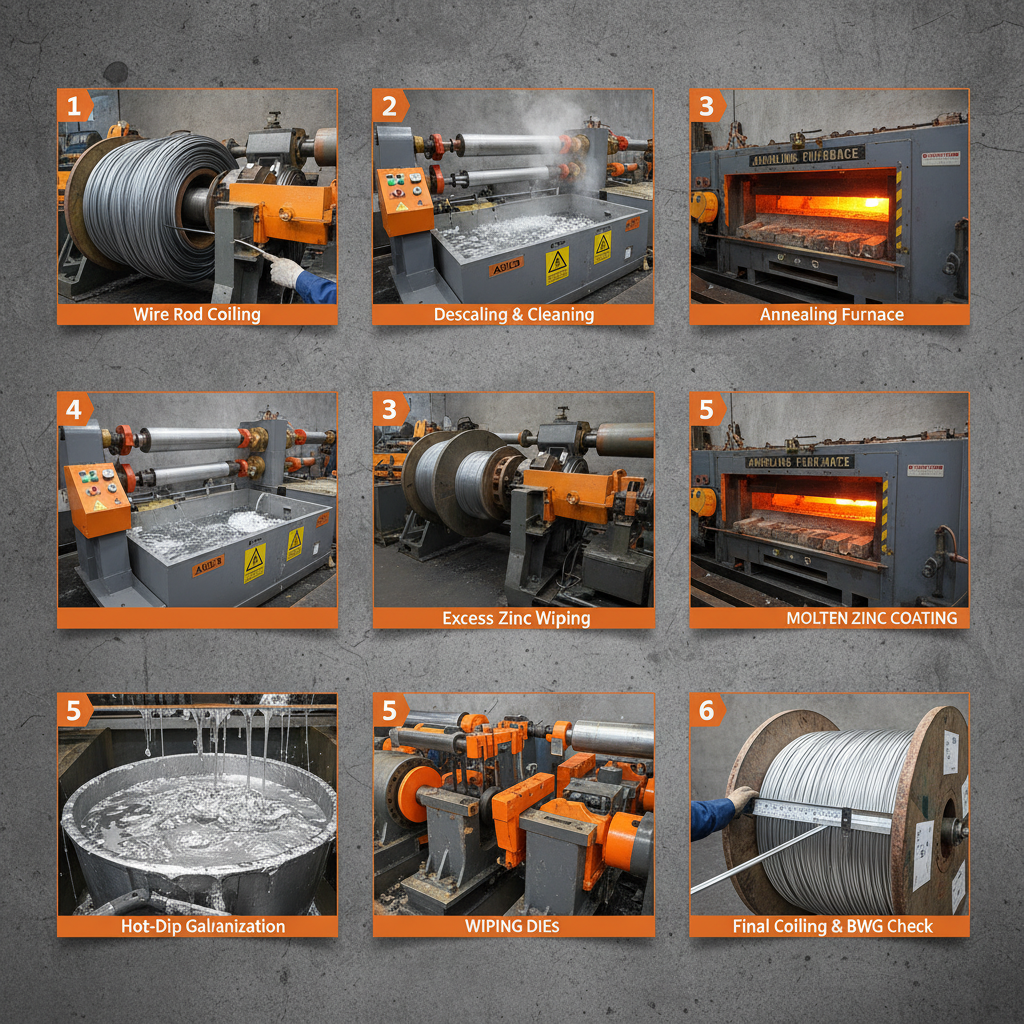
At its core, galvanized wire bwg is a process of applying a zinc coating to steel wire to protect it from rusting and corrosion. This is typically achieved through hot-dip galvanization, where the wire is submerged in molten zinc. The zinc reacts with the steel to form a metallurgical bond, creating a protective layer that prevents oxygen and moisture from reaching the steel substrate.
The bwg (Birmingham Wire Gauge) system is a crucial aspect of specifying galvanized wire. It defines the wire’s diameter, with lower numbers indicating thicker wire. Different bwg values are chosen based on the intended application and the load-bearing requirements. Common bwg sizes range from 6 bwg (thicker) to 36 bwg (thinner), each offering a unique balance of strength and flexibility.
The quality of galvanized wire bwg is influenced by several factors, including the purity of the zinc, the thickness of the coating, and the uniformity of the galvanization process. Adhering to industry standards, such as ASTM specifications, is crucial to ensure consistent quality and performance. Understanding these fundamentals is essential for selecting the appropriate galvanized wire bwg for a given application.
Key Characteristics of Galvanized Wire bwg
Durability is arguably the defining characteristic of galvanized wire bwg. The zinc coating provides a sacrificial layer of protection, meaning the zinc corrodes before the steel, effectively preventing rust and extending the wire’s lifespan significantly. This robustness is critical in outdoor environments and corrosive conditions.
Another key aspect is its versatility. Galvanized wire bwg can be easily cut, bent, welded, and formed into various shapes, making it adaptable to numerous applications. From simple fencing to intricate woven structures, its malleability allows for creative and efficient design solutions.
Galvanized Wire bwg Performance Comparison
Applications Across Industries
In agriculture, galvanized wire bwg is extensively used for fencing livestock, protecting crops, and creating support structures for vineyards and orchards. Its resistance to weathering and animal damage ensures long-term functionality and reduces maintenance requirements. galvanized wire bwg provides a cost-effective solution for securing valuable assets.
The construction industry relies heavily on galvanized wire bwg for reinforcing concrete, creating mesh for plastering, and securing formwork. Its high tensile strength and corrosion resistance contribute to the structural integrity and longevity of buildings and infrastructure projects.
The Enduring Advantages of Galvanized Wire bwg
The primary benefit of utilizing galvanized wire bwg lies in its cost-effectiveness. While the initial cost may be slightly higher than uncoated steel wire, the extended lifespan and reduced maintenance requirements translate to significant long-term savings. This makes it a financially sound choice for projects with budgetary constraints.
Beyond economics, galvanized wire bwg offers substantial environmental benefits. By reducing the need for frequent replacements, it minimizes material waste and conserves natural resources. The longevity of the wire contributes to a smaller carbon footprint and supports sustainable building practices.
Future Trends and Challenges in Galvanized Wire bwg
Ongoing research focuses on developing more environmentally friendly galvanization processes, reducing zinc consumption, and improving the corrosion resistance of coatings. Innovations in alloy compositions and surface treatments promise to further enhance the performance and sustainability of galvanized wire bwg.
The integration of digital technologies, such as predictive maintenance and remote monitoring, can optimize the use of galvanized wire bwg in infrastructure projects. Sensors embedded within the wire can provide real-time data on corrosion levels and structural integrity, enabling proactive maintenance and preventing costly failures.
One challenge lies in addressing the potential health and environmental risks associated with zinc exposure during manufacturing and end-of-life disposal. Implementing stringent safety protocols and promoting responsible recycling practices are essential for mitigating these concerns.
Key Factors Influencing Galvanized Wire bwg Performance
| Zinc Coating Thickness (μm) |
Steel Substrate Quality (Scale 1-10) |
Environmental Exposure Level (1-5) |
Expected Service Life (Years) |
| 15 |
9 |
3 |
30 |
| 25 |
8 |
4 |
45 |
| 35 |
10 |
2 |
60 |
| 10 |
6 |
5 |
15 |
| 20 |
7 |
3 |
25 |
| 30 |
9 |
1 |
50 |
FAQS
The lifespan of galvanized wire bwg in a coastal environment varies depending on the zinc coating thickness, exposure to salt spray, and maintenance practices. Generally, a heavy galvanization (over 25 μm) can provide 20-30 years of service life, but regular inspection and potential recoating may be necessary to extend its durability, mitigating the highly corrosive effects of salt air.
The bwg directly correlates to the wire’s diameter and, consequently, its tensile strength. Lower bwg numbers indicate thicker wire, offering greater strength and load-bearing capacity. Selecting the appropriate bwg is crucial for ensuring the wire can withstand the intended application’s mechanical stresses and maintain structural integrity over time.
While galvanized wire bwg can be used in some potable water systems, it's essential to consult local regulations and standards. Some jurisdictions restrict its use due to potential zinc leaching. Using a certified coating that meets NSF/ANSI 61 standards for drinking water system components is critical to ensure safety and compliance.
The primary environmental concern stems from zinc mining and the energy-intensive galvanization process. Responsible manufacturers prioritize sourcing zinc from sustainable mines, implementing closed-loop water systems, and utilizing energy-efficient technologies to minimize their environmental impact. Recycling galvanized wire at end-of-life is also crucial.
Choosing the correct bwg depends on factors like the type of livestock, fencing height, and terrain. For light livestock like poultry, a higher bwg (thinner wire) may suffice. For larger animals like cattle, a lower bwg (thicker wire) is recommended. Consulting a fencing specialist or referring to industry guidelines can help ensure optimal performance and security.
Hot-dip galvanizing involves immersing steel in molten zinc, creating a thick, durable coating with excellent corrosion resistance. Electrogalvanizing uses an electrolytic process to deposit zinc, resulting in a thinner, smoother coating primarily for aesthetic purposes. Hot-dip galvanizing generally provides superior long-term protection, particularly in harsh environments.
Conclusion
Galvanized wire bwg remains an indispensable material across diverse industries, offering a compelling blend of durability, versatility, and cost-effectiveness. Its ability to withstand harsh environments, coupled with its relatively low maintenance requirements, makes it a sustainable and reliable solution for countless applications, from agricultural fencing to critical infrastructure projects. Understanding the nuances of bwg sizing, galvanization processes, and environmental considerations is crucial for maximizing its benefits.
Looking ahead, continued innovation in galvanization techniques, coupled with a growing emphasis on sustainability, will further enhance the performance and eco-friendliness of galvanized wire bwg. Embracing digital technologies for monitoring and predictive maintenance will optimize its utilization and extend its service life. For further information and to explore a wide range of galvanized wire bwg options, visit our website: www.fivestar-metals.com.