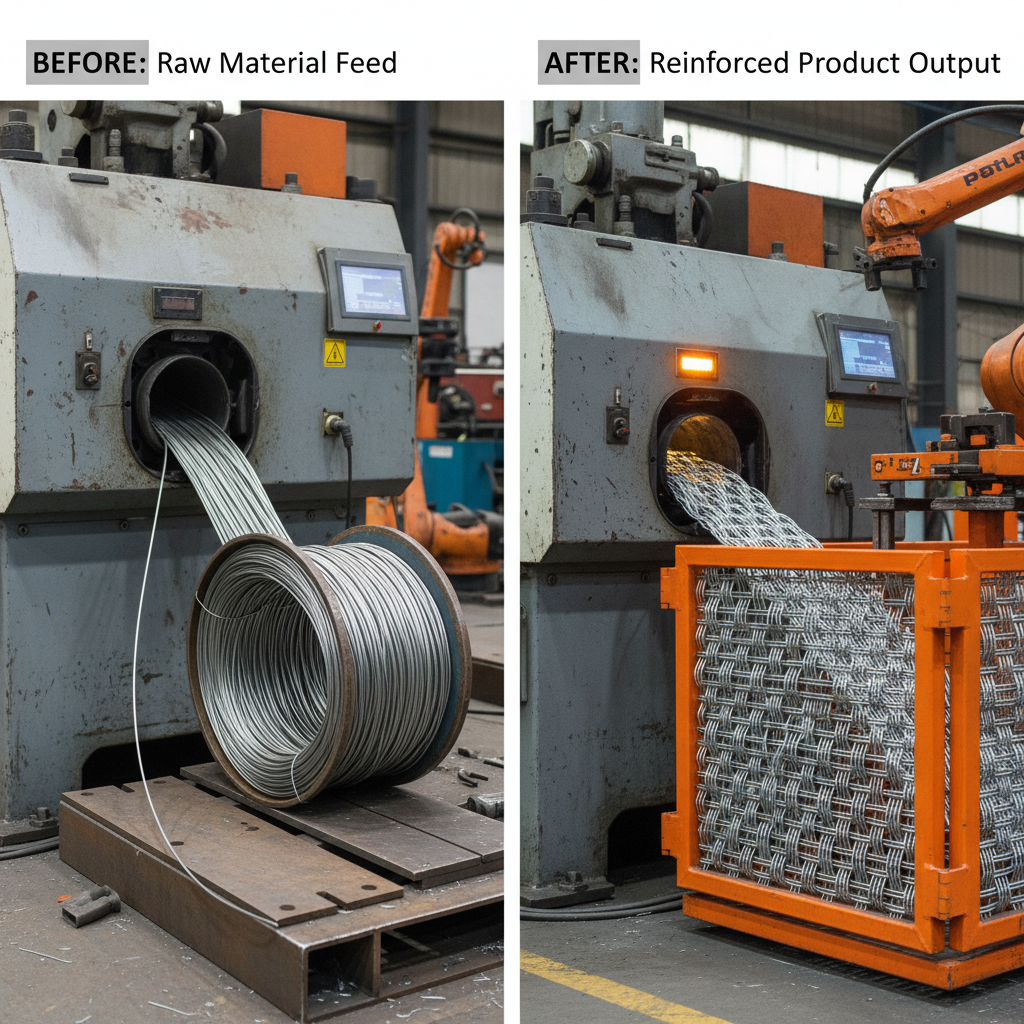
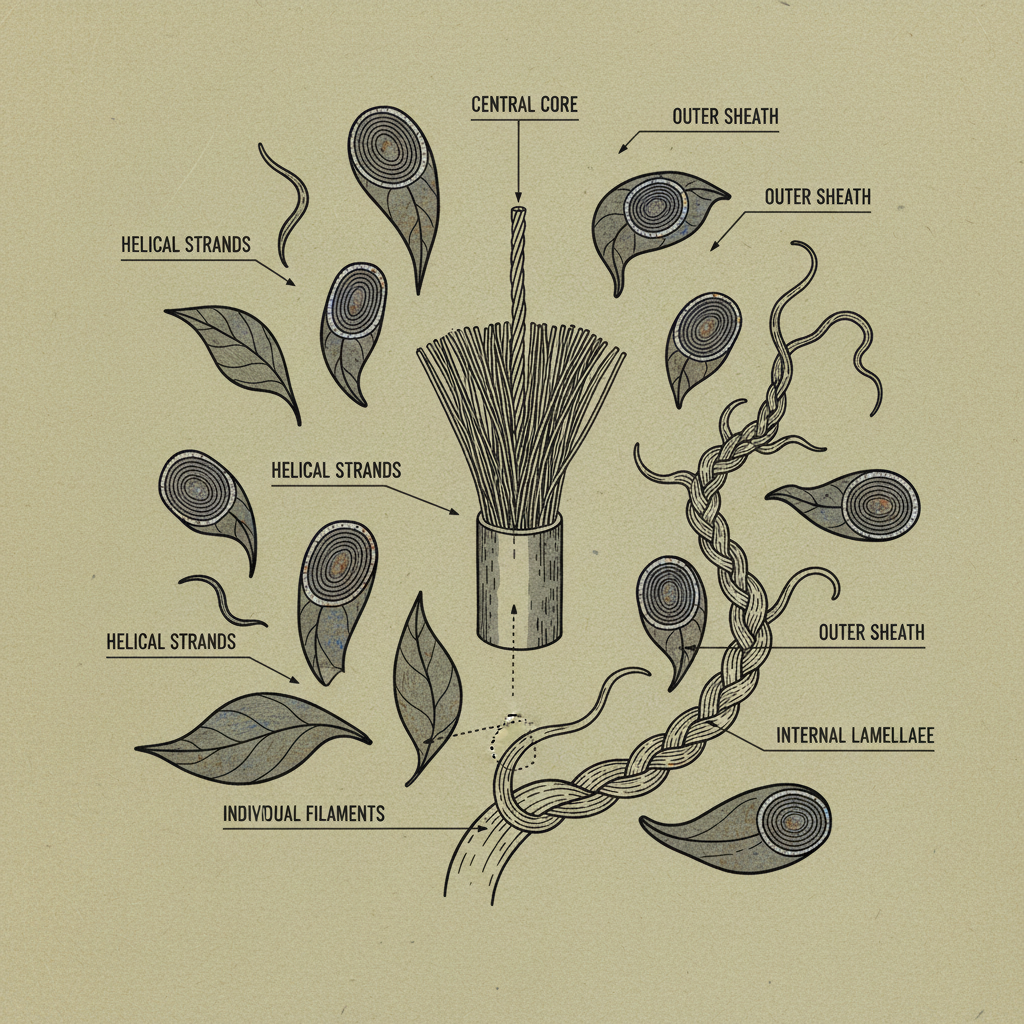
9 gauge galvanized wire is a cornerstone material in countless industries, ranging from construction and agriculture to manufacturing and security. Its widespread adoption stems from a unique combination of strength, durability, and corrosion resistance, making it a reliable and cost-effective solution for diverse applications. Understanding its properties and applications is crucial for professionals across these fields, contributing to safer, more efficient, and longer-lasting infrastructure and products. 9 gauge galvanized wire plays a vital role in maintaining the structural integrity of projects and securing valuable assets.
The global demand for galvanized wire, including 9 gauge, is consistently high, driven by infrastructural development in emerging economies and the need for robust materials in harsh environments. According to industry reports, the market is projected to continue expanding in the coming years. This demand isn’t just about quantity; it’s also about quality and sustainability, prompting advancements in manufacturing processes to minimize environmental impact. Challenges related to raw material costs and fluctuating market conditions are continuously being addressed through innovation and strategic sourcing.
9 gauge galvanized wire offers a practical and dependable solution to numerous challenges faced in various sectors. Its inherent strength and protective coating ensure longevity and minimize maintenance requirements, making it a sustainable choice for long-term projects. The ability to readily form and manipulate the wire into various shapes and configurations further enhances its versatility, leading to its extensive use in everyday life and critical applications.
The Fundamentals of 9 gauge galvanized wire
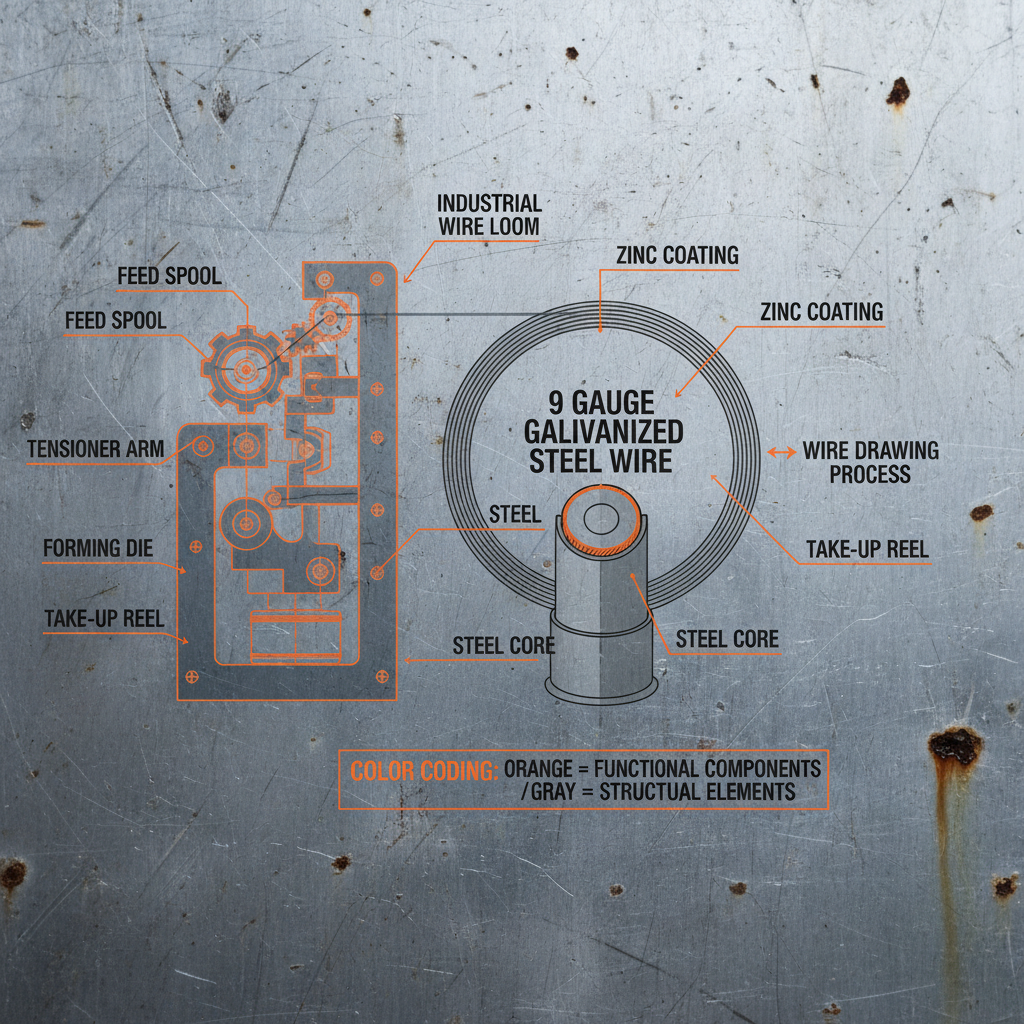
9 gauge galvanized wire, in its simplest form, is a steel wire coated with a layer of zinc. This galvanization process is the key to its exceptional resistance to corrosion. The zinc coating acts as a sacrificial anode, meaning it corrodes first, protecting the underlying steel from rust and degradation. This makes 9 gauge galvanized wire an ideal choice for outdoor applications and environments exposed to moisture, chemicals, or salt.
The “9 gauge” designation refers to the wire’s diameter, with lower gauge numbers indicating thicker wires. This specific gauge strikes an excellent balance between strength and flexibility, making it suitable for a wide range of applications like fencing, binding, crafting, and even industrial filtering. Its versatility and reliability contribute to its enduring popularity across various industries.
Defining 9 gauge galvanized wire and its Industrial Significance
9 gauge galvanized wire is fundamentally a carbon steel wire that has undergone a galvanization process, typically hot-dip galvanization. This involves immersing the steel wire in molten zinc, creating a metallurgical bond that provides superior corrosion protection. The thickness of the zinc coating is carefully controlled to meet specific industry standards and application requirements. This coating isn’t merely a surface layer; it's integral to the wire’s overall performance.
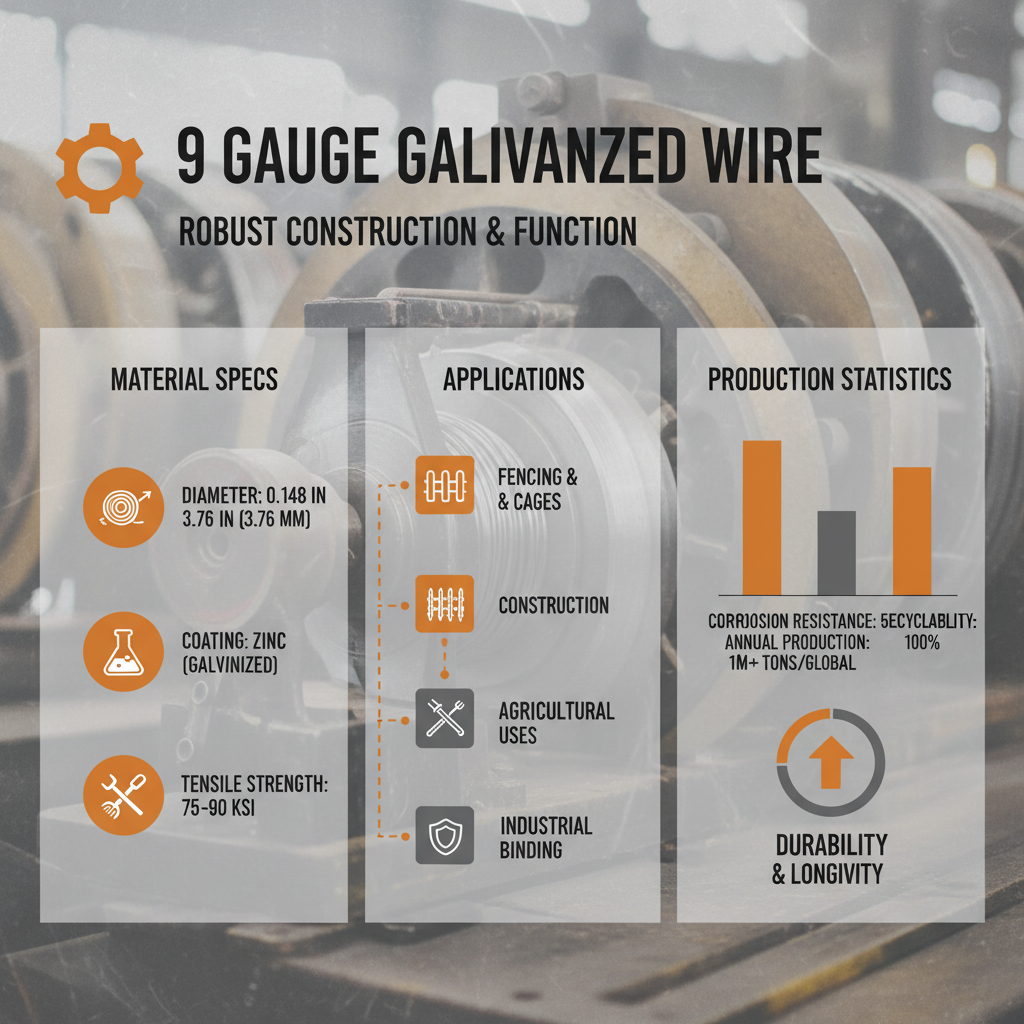
Its industrial significance is profound. The construction sector relies heavily on it for reinforcing mesh, securing formwork, and creating durable fencing systems. In agriculture, it’s used for netting, poultry cages, and vineyard trellises. Manufacturing industries utilize it for binding, securing components, and creating wire products. Even in the home, you'll find it in everyday items like coat hangers and garden ties.
The ability of 9 gauge galvanized wire to withstand harsh environmental conditions without significant degradation makes it a vital component in infrastructure projects and contributes to the longevity and reliability of numerous industrial processes.
Core Properties of 9 gauge galvanized wire
The defining characteristics of 9 gauge galvanized wire extend beyond its corrosion resistance. Its tensile strength, the amount of stress it can withstand before breaking, is a critical property for applications requiring high load-bearing capacity. This strength is directly related to the quality of the steel used in its construction and the consistency of the galvanization process.
Furthermore, its ductility, or ability to be drawn into a wire without breaking, makes it easily formable into various shapes and configurations. This flexibility is particularly useful in applications requiring intricate designs or tight bends. The zinc coating itself also contributes to the wire’s properties, providing a smooth surface that reduces friction and enhances its handling characteristics. Proper galvanization prevents the wire from becoming brittle and ensures a consistent finish.
Another key property is its weldability. While the zinc coating requires specific welding techniques, 9 gauge galvanized wire can be successfully welded, enabling its incorporation into larger structures and assemblies. Understanding these core properties is essential for selecting the appropriate wire for a given application and ensuring optimal performance and longevity.
Key Performance Indicators of 9 gauge galvanized wire
Assessing the performance of 9 gauge galvanized wire involves considering several key indicators. First is the coating thickness, measured in weight per unit area (e.g., g/m²). Higher coating weights generally provide greater corrosion protection, but also increase cost. Secondly, the tensile strength, measured in megapascals (MPa), determines the wire’s load-bearing capacity.
Adhesion of the zinc coating to the steel substrate is critical. Poor adhesion leads to premature coating failure and corrosion. This is typically evaluated through standardized adhesion tests. Another important indicator is the wire’s ductility, which influences its formability and resistance to cracking. The uniformity of the coating is also vital; uneven coating can create weak spots prone to corrosion.
Finally, salt spray testing is a common method for evaluating the long-term corrosion resistance of 9 gauge galvanized wire. This involves exposing the wire to a corrosive salt mist and monitoring the time it takes for rust to appear. These performance indicators enable manufacturers and users to ensure the quality and reliability of the wire.
Performance Metrics for 9 gauge galvanized wire
Global Applications of 9 gauge galvanized wire
The applications of 9 gauge galvanized wire are truly global and span a vast array of industries. In agriculture, it's extensively used in the construction of poultry pens, livestock fencing, and crop support systems, particularly in regions with high humidity or salinity. In the construction sector, it’s a fundamental component of concrete reinforcement, wire mesh, and safety barriers across continents.
In post-disaster relief operations, 9 gauge galvanized wire is often used for temporary shelters, securing debris, and establishing basic infrastructure. Its durability and ease of handling make it ideal for rapid deployment in challenging environments. Furthermore, it is used in manufacturing for creating springs, fasteners, and a variety of wire products.
The Long-Term Value Proposition of 9 gauge galvanized wire
The long-term value of 9 gauge galvanized wire lies in its combination of cost-effectiveness, durability, and sustainability. While the initial cost may be slightly higher than that of non-galvanized steel wire, the extended lifespan and reduced maintenance requirements translate into significant savings over time. This is particularly important in large-scale infrastructure projects where long-term reliability is paramount.
From a sustainability perspective, the use of galvanized wire reduces the need for frequent replacements, minimizing resource consumption and waste generation. The zinc coating also provides a level of protection that can significantly extend the life of the underlying steel, preserving valuable material assets and reducing the environmental impact of steel production.
Future Trends and Challenges for 9 gauge galvanized wire
The future of 9 gauge galvanized wire is intertwined with advancements in materials science and a growing emphasis on sustainability. Research is ongoing to develop even more effective and environmentally friendly galvanization processes, including alternatives to traditional hot-dip galvanization. The integration of nanotechnology to enhance corrosion resistance is also a promising area of exploration.
However, challenges remain, including fluctuating zinc prices and the need to minimize the environmental impact of galvanization byproducts. The development of closed-loop systems to recover and reuse zinc is crucial for promoting circular economy principles. Furthermore, addressing concerns related to the toxicity of zinc compounds and ensuring responsible disposal of galvanized wire at the end of its lifespan are essential for sustainable development.
Adapting to new standards and regulations related to material composition and environmental impact will be critical for manufacturers of 9 gauge galvanized wire to maintain competitiveness and ensure long-term viability.
Analysis of 9 gauge galvanized wire Performance Across Different Manufacturing Methods
| Manufacturing Method |
Corrosion Resistance (1-10) |
Production Cost (1-10) |
Environmental Impact (1-10) |
| Hot-Dip Galvanization |
9 |
6 |
7 |
| Electrogalvanization |
7 |
7 |
6 |
| Sherardizing (Zinc Diffusion) |
8 |
8 |
5 |
| Zinc-Nickel Alloy Plating |
10 |
9 |
4 |
| Mechanical Plating |
6 |
5 |
8 |
| Spray Galvanization |
5 |
4 |
9 |
FAQS
9 gauge galvanized wire offers a superior combination of strength, durability, and corrosion resistance compared to uncoated steel wire or other materials like plastic. The zinc coating acts as a sacrificial barrier, protecting the steel from rust and environmental degradation. This makes it ideal for outdoor applications and harsh environments where longevity is critical. It's also generally more cost-effective in the long run due to reduced maintenance and replacement needs.
The lifespan of 9 gauge galvanized wire in a coastal environment, characterized by high salt content and humidity, varies depending on the thickness of the zinc coating and environmental factors. However, with a standard coating, you can typically expect a lifespan of 10-20 years, although regular inspection and occasional maintenance, like applying a protective coating, can extend this further. Higher coating weights will provide longer-lasting protection.
Generally, 9 gauge galvanized wire isn’t directly recommended for prolonged contact with food or drinking water, as zinc can leach into the substance. However, there are specialized food-grade galvanized coatings available that are designed to minimize this risk. It's essential to verify that the wire meets the necessary safety standards and regulations for food contact applications before use.
Cutting and bending 9 gauge galvanized wire requires care to avoid damaging the protective coating. Use wire cutters designed for hardened steel, and avoid abrasive cutting methods like sawing. When bending, use smooth, gradual bends rather than sharp angles, as sharp bends can crack the coating. After cutting, consider applying a zinc-rich paint or coating to the exposed ends to prevent corrosion.
Store 9 gauge galvanized wire in a dry, well-ventilated area, protected from moisture and direct sunlight. Avoid stacking wire coils directly on the ground, as this can lead to moisture accumulation and corrosion. Ideally, store the wire on pallets or wooden supports to ensure air circulation. Covering the coils with a waterproof tarp can provide additional protection.
Yes, 9 gauge galvanized wire is recyclable. The steel component can be recovered and reused, and the zinc coating can also be recycled. However, separating the zinc coating from the steel can be challenging, so it's essential to use a specialized recycling facility that is equipped to handle galvanized materials. Recycling helps conserve resources and reduce environmental impact.
Conclusion
9 gauge galvanized wire stands as a testament to practical engineering, providing a robust and reliable solution for a diverse range of applications. Its inherent strength, corrosion resistance, and cost-effectiveness make it a cornerstone material in construction, agriculture, manufacturing, and beyond. Understanding its properties, applications, and future trends is crucial for professionals across these industries seeking to build durable, sustainable, and secure infrastructure and products.
Looking ahead, continued innovation in galvanization techniques, coupled with a commitment to sustainable practices, will be critical for maximizing the benefits of 9 gauge galvanized wire while minimizing its environmental impact. For all your 9 gauge galvanized wire needs, explore the quality and selection available at www.fivestar-metals.com, and invest in a material that delivers lasting performance and value.