The Same Product And Company, The Different Quality and Service!
Look, I've spent years on construction sites, getting my hands dirty, and I’ll tell you one thing: reliable materials aren't just nice to have, they’re essential. We're talking about safety, longevity, and frankly, keeping projects on schedule. And when you're dealing with securing, fencing, or even more specialized applications, that's where you turn to bwg 12 14 16 18 galvanized wire. It’s the backbone of a lot of what we build, and choosing the right gauge is critical. It’s not just about cost – it's about doing the job right the first time.
I’ve seen too many projects delayed, and budgets blown, because someone skimped on the wire. Rusting, breaking, needing constant repair...it adds up. bwg 12 14 16 18 galvanized wire, when you get it from a reputable supplier, offers a consistent, robust solution. We're not just buying wire, we’re buying peace of mind, knowing it’s going to hold up under pressure and weather. That consistency is invaluable when you’re coordinating multiple trades and tight deadlines.
And it's not just construction. Think about agriculture, security fencing, even crafting. The versatility of bwg 12 14 16 18 galvanized wire means it’s in demand across a huge range of industries. Understanding the different gauges - 12, 14, 16, 18 - and knowing which one is right for your specific application is key. I've seen guys try to use too thin a wire for a heavy-duty fence, and it just doesn't cut it. It's a lesson learned the hard way, and one you can avoid by understanding the basics.
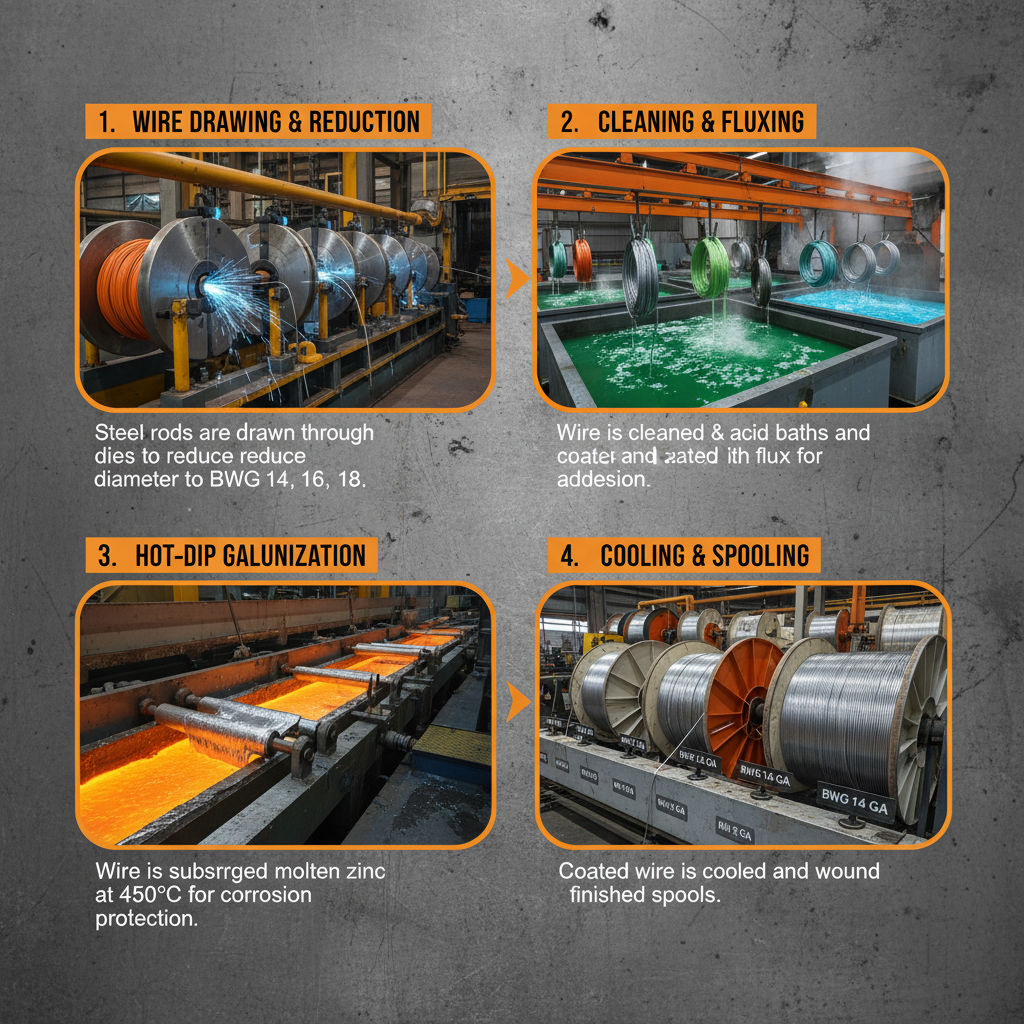
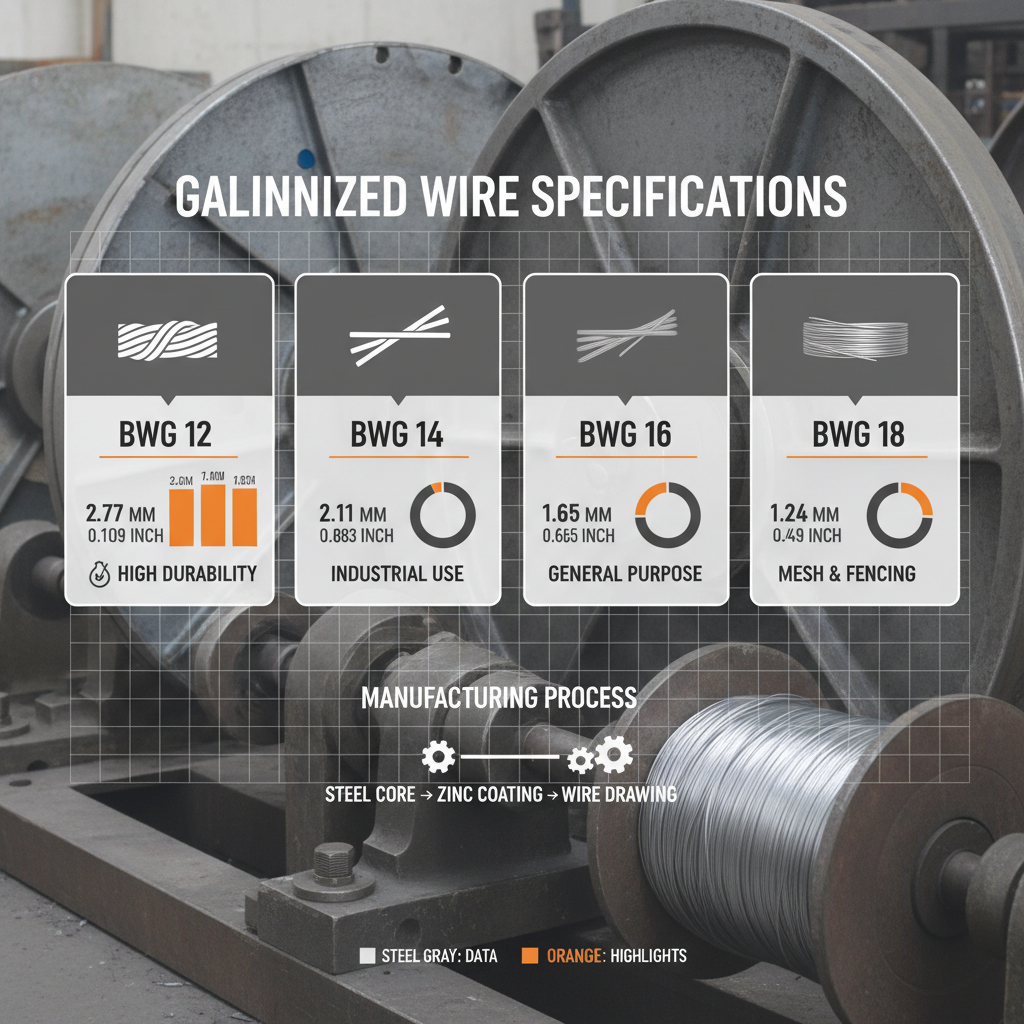
bwg 12 14 16 18 galvanized wire isn’t just a wire; it’s a specific type designed for longevity and resistance to corrosion. The 'galvanized' part is key. It means the steel wire has been coated with zinc, protecting it from rust and the elements. I've seen steel wire corrode within months in harsh environments, while properly galvanized wire will last for years, even decades. This makes it ideal for outdoor applications where exposure to moisture and weather is constant.
The BWG, or Birmingham Wire Gauge, system is the standard for defining the diameter of the wire. Lower numbers mean thicker wire, and therefore greater strength. So, a bwg 12 wire is thicker and stronger than a bwg 16 wire. Getting this right is paramount. You wouldn't use a thin wire for a high-security fence, just like you wouldn’t use a thick wire for delicate binding tasks. It's about matching the material to the application.
bwg 12 is thicker and stronger than bwg 14. It’s better suited for applications that require high tensile strength, like security fencing or heavy-duty support structures. bwg 14 is a good all-around choice for general-purpose fencing, rebar tying, and applications where a little less strength is acceptable. The key is matching the wire gauge to the load it needs to bear. Choosing the wrong gauge could lead to failure or require more frequent repairs.
The lifespan of galvanized wire outdoors depends on a few factors: the thickness of the zinc coating, the environment (saltwater exposure reduces lifespan), and the gauge of the wire. Properly galvanized bwg 12 wire can easily last 20-30 years or more in a typical environment. Lower gauges and harsher conditions will shorten that lifespan. Regular inspection is always recommended.
Generally, yes, but it’s important to choose a reputable supplier and ensure the galvanization process uses safe materials. Some older galvanization processes used lead, which is harmful. Modern galvanization is typically lead-free. Also, make sure there are no sharp ends or burrs that could injure animals.
Yes, you can, but it requires proper preparation. The galvanized coating is slick, so you need to thoroughly clean and roughen the surface before applying a primer specifically designed for galvanized metal. Without proper priming, the paint won't adhere well and will peel over time. Using a compatible paint is also critical to avoid corrosion.
Using wire cutters specifically designed for hard wire is the best method. Regular pliers or cutters will likely damage the blades. Wear safety glasses as cutting galvanized wire can produce small metal fragments. A bolt cutter is also a good option for thicker gauges. Avoid using abrasive cutting tools, as they can create dust and weaken the wire.
Hot-dip galvanization involves immersing the wire in molten zinc, resulting in a thicker, more durable coating. Electro-galvanization uses an electric current to deposit a thinner zinc layer. Hot-dip is generally preferred for outdoor applications needing long-term corrosion protection, while electro-galvanization is often used for applications where a smoother, more uniform coating is desired.
bwg 12 14 16 18 galvanized wire is more than just a commodity; it’s a fundamental building block for a wide range of industries. From construction and agriculture to security and crafting, its durability, versatility, and cost-effectiveness make it an invaluable material. Understanding the different gauges, the galvanization process, and the factors affecting its lifespan allows for informed decision-making, ensuring projects are completed safely, efficiently, and to last.
Looking ahead, the focus on sustainability and responsible manufacturing will drive innovation in the galvanized wire industry. Expect to see advancements in eco-friendly galvanization processes and increased use of recycled materials. By staying informed and partnering with reputable suppliers, we can continue to leverage the benefits of bwg 12 14 16 18 galvanized wire while minimizing our environmental impact.