The Same Product And Company, The Different Quality and Service!
Galvanized metal wire is a versatile material crucial to numerous industries worldwide, ranging from construction and agriculture to telecommunications and security. Its protective zinc coating prevents rust and corrosion, significantly extending its lifespan and making it a cost-effective choice for a wide array of applications. Understanding its properties and uses is fundamental for engineers, architects, and procurement specialists aiming for durable and sustainable solutions.
The global demand for galvanized metal wire is steadily increasing, driven by infrastructure development in emerging economies and a growing emphasis on long-lasting materials. According to the World Steel Association, global steel production continues to rise, indicating a sustained need for protective coatings like galvanization. This demand underscores the importance of optimizing production processes and exploring innovative applications of galvanized wire to meet evolving market needs.
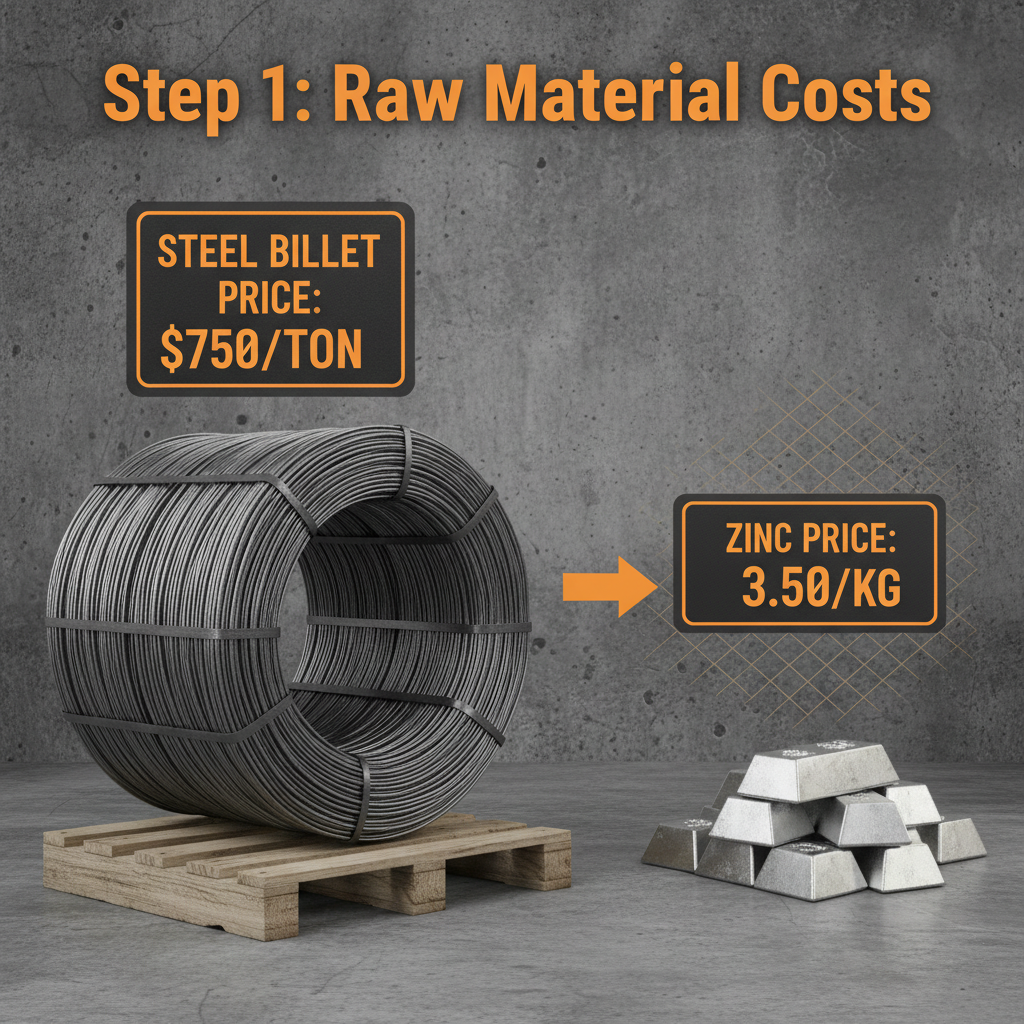
Addressing challenges like fluctuating zinc prices and environmental concerns regarding the galvanization process itself are key factors in ensuring the long-term viability of this essential material. The benefits of using galvanized metal wire, in terms of longevity, reduced maintenance, and overall cost-effectiveness, make it a cornerstone of modern infrastructure and a critical component in numerous essential systems.
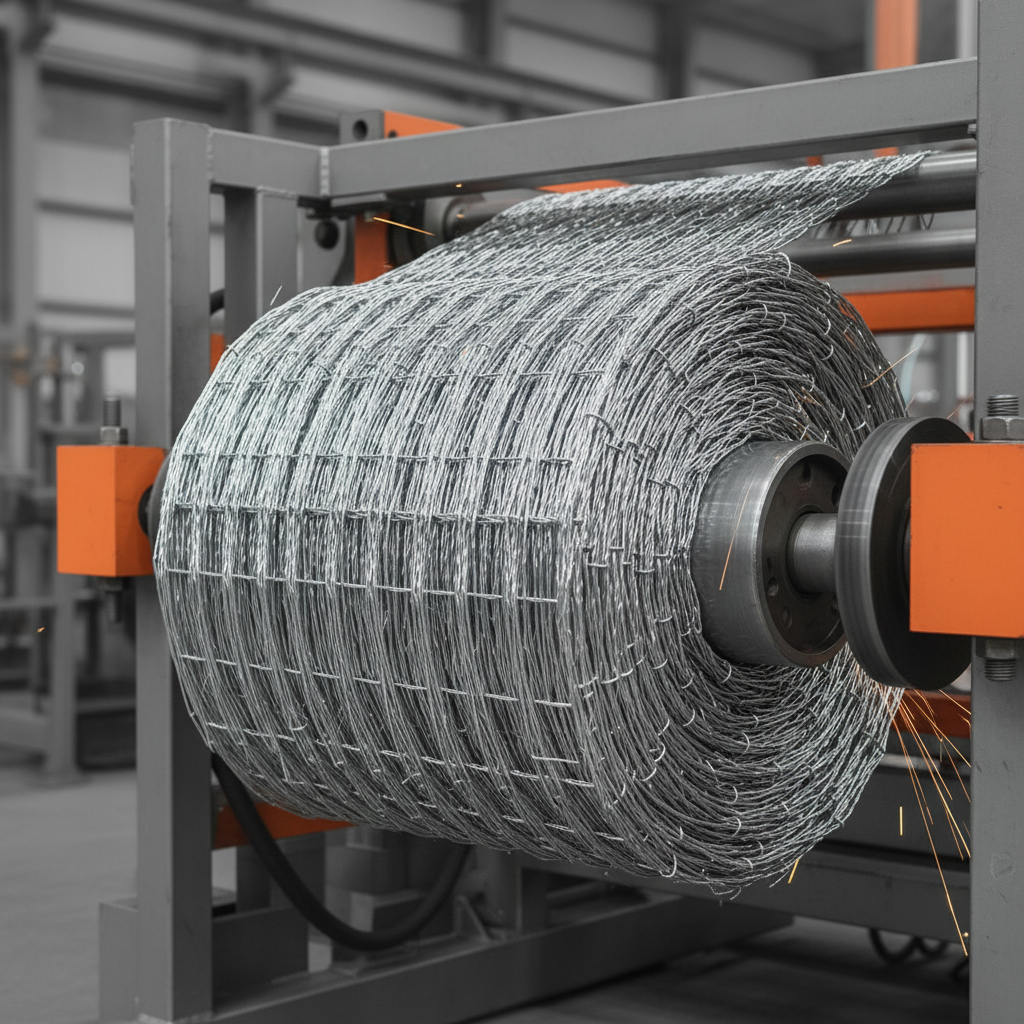
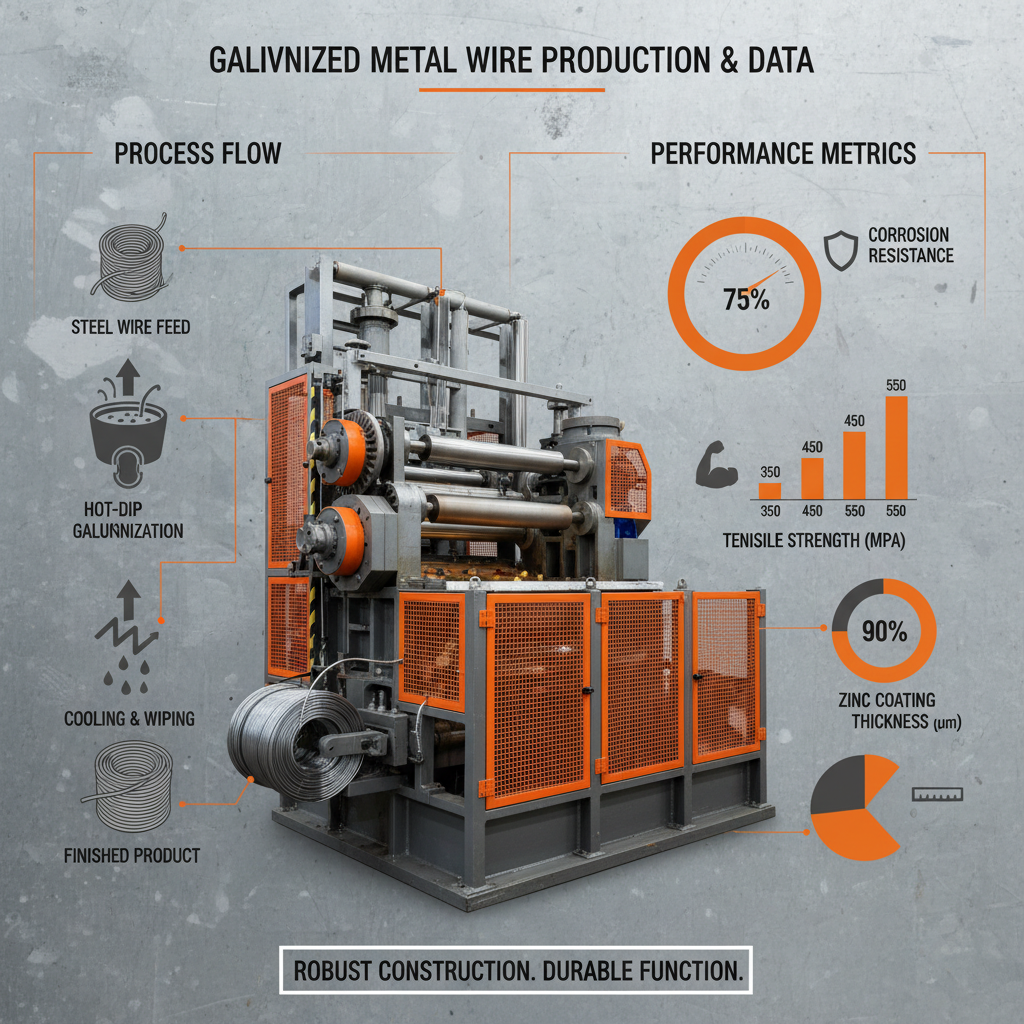
Galvanized metal wire plays a vital role in numerous sectors, offering a robust and cost-effective solution for applications requiring corrosion resistance and durability. From agricultural fencing to high-tensile cables, its versatility stems from the protective zinc coating that safeguards the underlying steel. galvanized metal wire is particularly valuable in environments exposed to harsh weather conditions or corrosive elements.
The production of galvanized metal wire involves a process where steel wire is submerged in a bath of molten zinc, creating a metallurgical bond that prevents rust. This process significantly extends the lifespan of the wire, reducing the need for frequent replacements and minimizing maintenance costs. The resulting product finds applications in construction, manufacturing, and various industrial settings, demonstrating its broad appeal and practical benefits.
Galvanized metal wire offers superior corrosion resistance compared to bare steel wire, significantly extending its lifespan and reducing maintenance costs. The zinc coating acts as a sacrificial anode, protecting the underlying steel from rust and environmental degradation. This makes it ideal for outdoor applications and harsh environments where other materials would quickly corrode. It’s also generally more cost-effective than stainless steel, offering a durable solution at a reasonable price point.
The galvanization process itself typically has a minimal impact on the tensile strength of the steel wire. In some cases, it might even slightly increase the strength due to a phenomenon called “zinc strengthening”. However, the primary benefit lies in enhancing corrosion resistance, which indirectly contributes to long-term structural integrity by preventing weakening caused by rust. Properly galvanized wire maintains its strength and durability for extended periods.
The most common galvanizing methods are hot-dip galvanizing, electrogalvanizing, and zinc spraying. Hot-dip galvanizing provides a thick, durable coating suitable for harsh environments. Electrogalvanizing offers a smoother, more uniform coating for applications requiring precision. Zinc spraying is ideal for coating large or complex shapes. The best method depends on the specific application requirements, including corrosion resistance needs, desired coating thickness, and cost considerations.
Galvanized metal wire offers several environmental benefits. Zinc is a naturally occurring element and is recyclable. The galvanization process itself, while requiring energy, can be made more sustainable through closed-loop systems and wastewater treatment. Compared to materials requiring frequent replacement due to corrosion, galvanized wire reduces material waste and minimizes the environmental impact associated with manufacturing and disposal.
While galvanized metal wire is low maintenance, periodic inspections are recommended, especially in harsh environments. Removing any debris or obstructions that could trap moisture and promote corrosion can help extend its lifespan. Touching up any damaged areas with zinc-rich paint or coating can provide additional protection. Regular cleaning to remove dirt and grime will also contribute to long-term durability.
Yes, galvanized metal wire can be painted or coated, but proper surface preparation is crucial. The galvanized surface should be thoroughly cleaned and lightly roughened to ensure good adhesion of the coating. Using a zinc-rich primer is recommended to maintain corrosion protection, especially in areas where the coating may be damaged. Choosing a compatible paint or coating that doesn't accelerate corrosion is also essential.
Galvanized metal wire remains an essential material in countless industries, offering a unique combination of durability, cost-effectiveness, and versatility. Its ability to withstand corrosion, coupled with its relatively low cost, makes it an ideal choice for a wide range of applications, from agricultural fencing to critical infrastructure components. Understanding its properties and applications is key to optimizing performance and ensuring long-term sustainability.
Looking ahead, ongoing innovation in galvanizing technologies and a growing emphasis on sustainable practices will further enhance the value of galvanized metal wire. By embracing these advancements, we can ensure that this essential material continues to play a vital role in building a more resilient and sustainable future. For high-quality galvanized metal wire solutions, visit our website today: www.fivestar-metals.com.