To be honest, it’s been a crazy year. Everyone's talking about lightweighting, right? Not just in automotive, but even in construction. Less material, same strength… sounds good on paper. But have you noticed how often that translates to fiddly assembly and compromises in durability? I spent a week last month at a pre-fab housing factory in Ohio, and seeing the issues they were having with some of these new composites… well, it’s made me think a lot.
It’s all about balancing innovation with practicality. We get so caught up in chasing the latest specs, we forget what it's like to actually use the stuff.
And speaking of use, the demand for high-strength, corrosion-resistant materials is through the roof. Especially for coastal projects, you know? Everything rusts.
The Current Landscape of barbed wire
Strangely enough, the demand for high-tensile steel barbed wire hasn’t really dipped. Everyone’s focused on fancy polymer composites, but good old-fashioned steel still holds its own. I encountered this at a fencing supplier in Texas last time – they were practically swamped with orders from ranchers needing to reinforce their perimeter fences after those crazy wildfires. It’s a testament to its reliability, you know?
The trend isn’t about replacing it, it's about integrating it – combining it with smarter monitoring systems, better coatings, and more sustainable production methods.
Design Pitfalls to Avoid with barbed wire
One of the biggest mistakes I see is over-engineering the wire itself. Folks get obsessed with the ultimate tensile strength, ignoring the fact that the posts and bracing are often the weak link. You can have the strongest wire in the world, but if your posts are flimsy, it’s all for nothing.
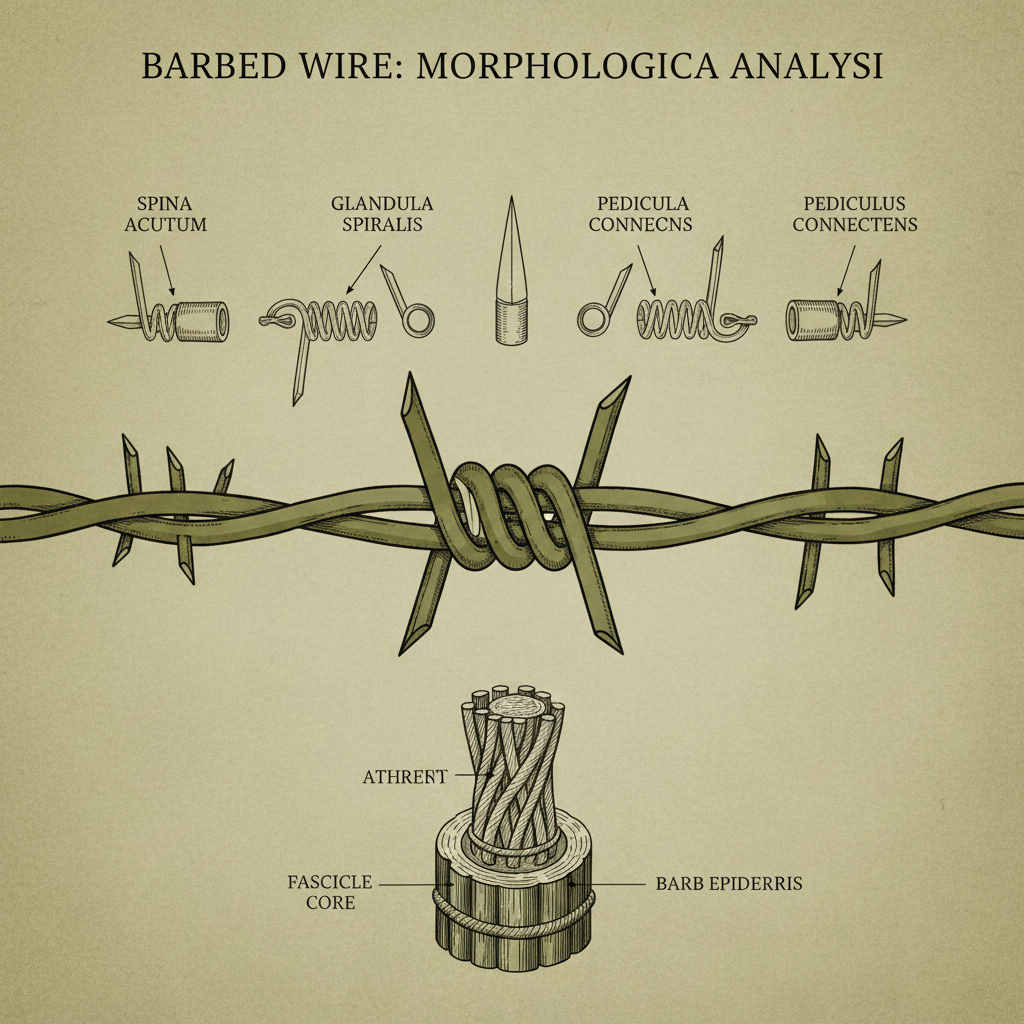
Another issue is the barb design. Some of these fancy, multi-point barbs look great in a catalog, but they clog up with mud and debris in the real world, reducing their effectiveness. Simplicity is often best.
And honestly, a lot of designs don’t account for animal behavior. Cattle, horses… they’ll find a way to test your fence.
Material Science in barbed wire: A Hands-On Perspective
Now, when we talk about steel, it's not just 'steel'. The carbon content, the alloying elements… it all matters. High-carbon steel provides the strength, but it's also more brittle. Low-carbon steel is more ductile, but not as strong. Finding that sweet spot is key.
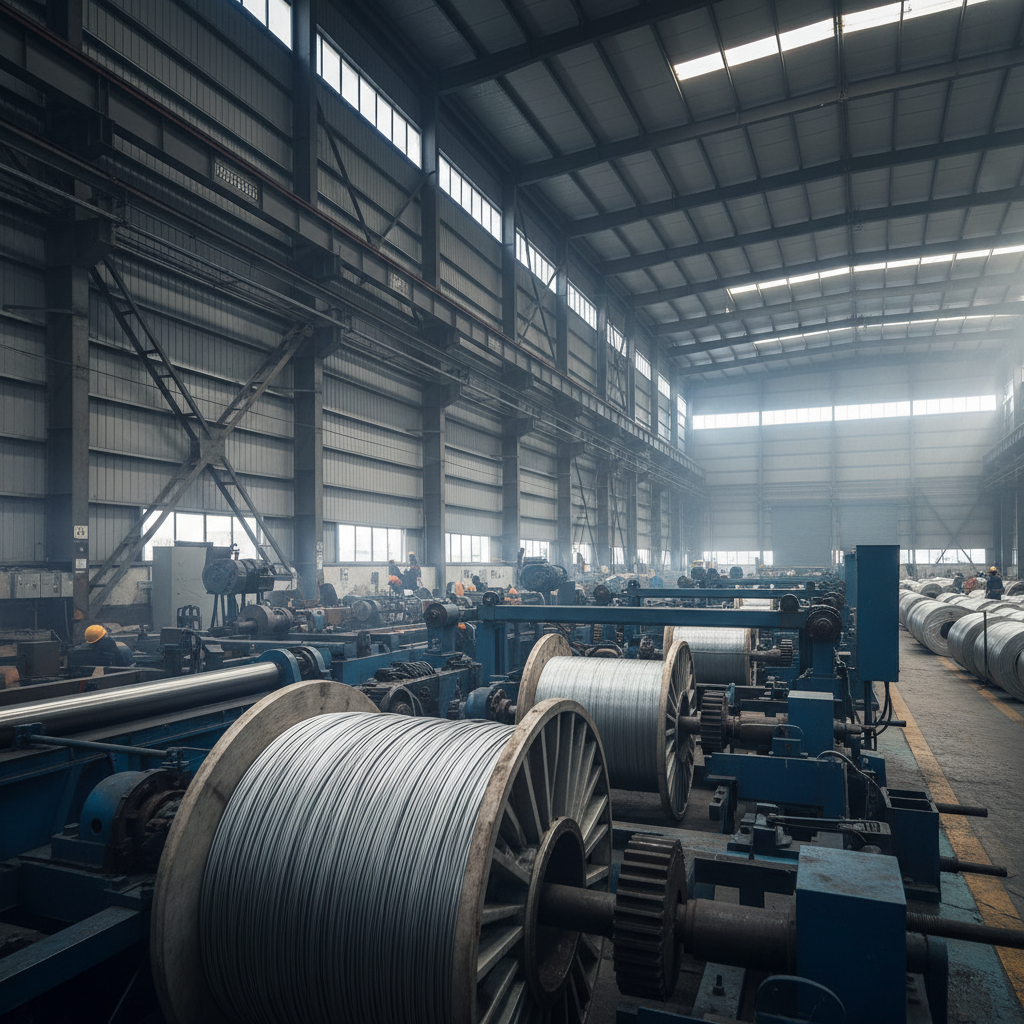
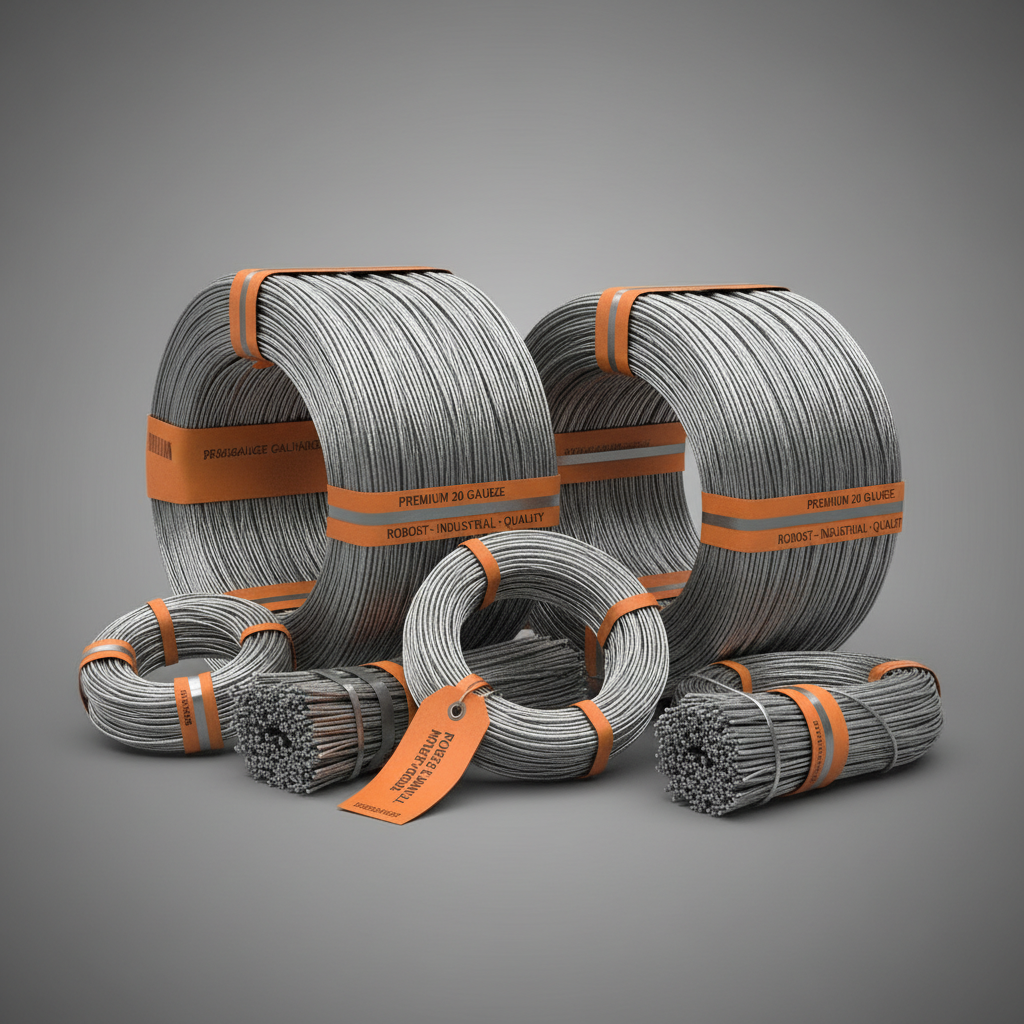
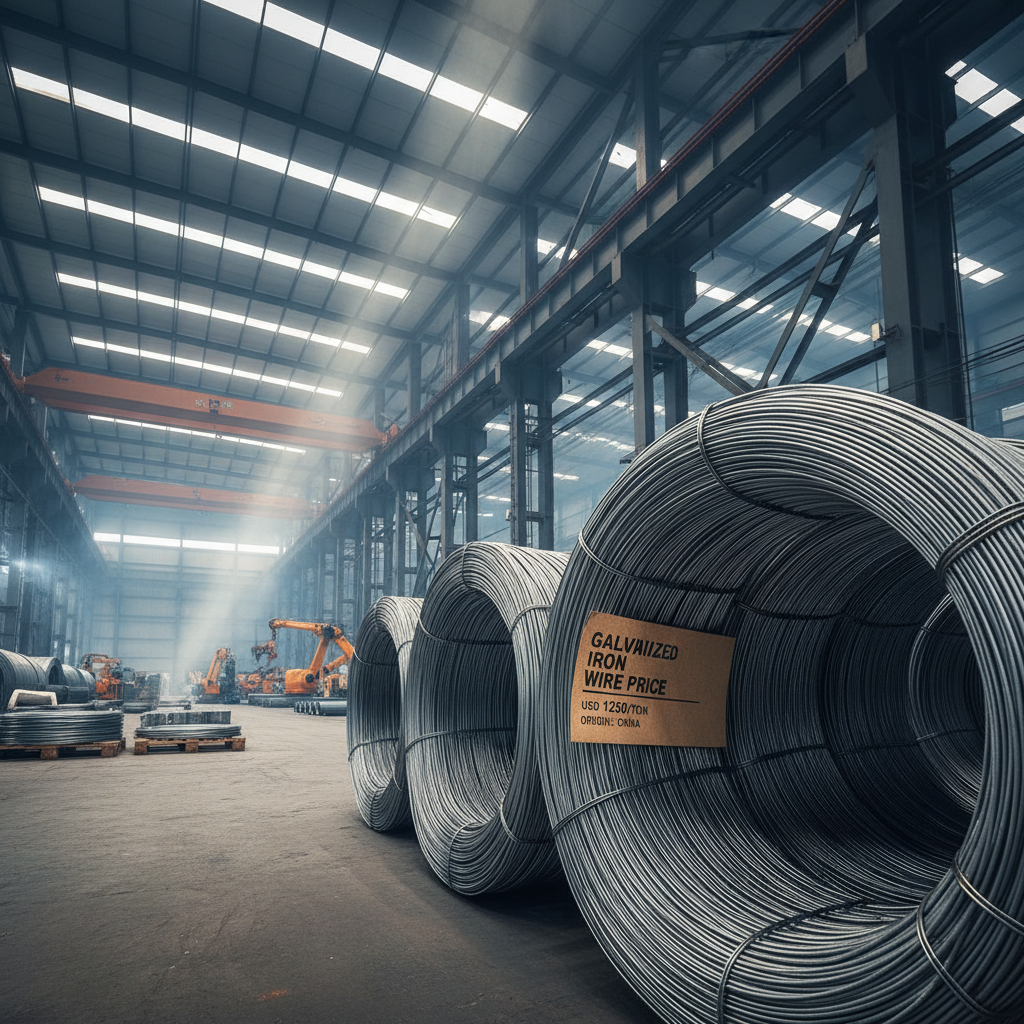
Galvanization is crucial, obviously. But the type of galvanization makes a difference. Hot-dip galvanizing provides a thicker, more durable coating than electro-galvanizing. You can smell the zinc when it's being applied – a kind of metallic, slightly acrid odor. The feel is… rough, almost gritty to the touch. It’s not pleasant work, believe me. But it matters.
We’ve been experimenting with zinc-aluminum alloys as well. They offer even better corrosion resistance, especially in coastal environments. It's a bit more expensive, but the longer lifespan can justify the cost. Anyway, I think the key is picking the right material for the specific environment.
Real-World Testing of barbed wire: Beyond the Lab
Lab tests are fine, but they don’t tell the whole story. I’ve seen wires that aced every lab test fail miserably in the field. The real test is how it holds up to actual stress, weathering, and animal pressure.
We set up test plots on several ranches, subjecting the wire to simulated grazing, high winds, and even intentional damage. We’d stress it with a winch, monitor corrosion rates in different soil types, and observe how animals interacted with it. It’s messy, it’s time-consuming, but it’s the only way to get truly reliable data.
Barbed Wire Performance Metrics
How barbed wire is Actually Used: User Behavior Insights
You know, people don’t always use things the way you expect. I’ve seen ranchers use barbed wire not just for containment, but for creating temporary windbreaks or even supporting climbing plants. It's resourceful, I guess.
And surprisingly, a lot of homeowners are using it for decorative purposes – creating rustic garden borders or trellises. It’s a bit of an odd trend, but hey, whatever floats your boat.
The Pros and Cons of barbed wire: A Pragmatic View
Let's be real, barbed wire isn’t pretty. And it can be dangerous if you’re not careful. But it's incredibly effective, relatively inexpensive, and requires minimal maintenance. Those are big advantages.
The downside? Well, it can injure animals if they get tangled in it. And it's not exactly a visually appealing material. Later… Forget it, I won't mention the liability issues.
It’s a tool. Like any tool, it has its strengths and weaknesses. It’s about understanding those and using it appropriately.
Customization of barbed wire: A Case Study
We had a customer, a small smart-home device manufacturer in Shenzhen, last month. That little boss insisted on changing the standard wire interface to , thinking it would make his sensors look "more modern". He wanted to embed sensors into the wire to monitor tension and potential breaches. It sounded good in theory.
But the result? Total disaster. The connectors were immediately corroded by the environment, the sensors kept failing due to vibrations, and the whole system was a nightmare to install. He wasted a fortune.
That taught us a valuable lesson: sometimes, sticking with proven methods is the best approach.
Summary of barbed wire Customization Considerations
| Customization Area |
Complexity |
Cost Impact |
Potential Risks |
| Coating Material |
Low |
Moderate |
Coating failure, reduced lifespan |
| Barb Shape |
Medium |
Low-Moderate |
Clogging, reduced effectiveness |
| Wire Gauge |
Low |
Moderate |
Reduced tensile strength, increased flexibility |
| Sensor Integration |
High |
High |
Corrosion, connectivity issues, vulnerability |
| Color Coding |
Very Low |
Low |
Fading, visibility issues |
| Post Spacing |
Medium |
Low |
Increased strain, fence failure |
FAQS
In a truly harsh coastal environment, you’re looking at roughly 5-7 years for standard hot-dip galvanized wire. Salt spray is brutal. Zinc-aluminum alloys can extend that to 10-15 years, but it depends heavily on the specific alloy composition and the level of maintenance. Regular inspection and re-coating are crucial to maximize its lifespan, especially near the ocean. Don’t just install it and forget it.
Absolutely. Standard steel wire is the cheapest, followed by galvanized. High-tensile steel is a bit more expensive, and zinc-aluminum alloys are the most costly. The cost difference can range from a few cents per foot to a dollar or more. It really comes down to balancing upfront cost with long-term durability and maintenance requirements. You get what you pay for, generally.
Splice it properly! Don’t just twist the ends together – that’s a recipe for disaster. Use a barbed wire splicer, and make sure the splice is tight and secure. It’s also a good idea to use a section of heavier-gauge wire for the splice to provide extra strength. And always wear gloves – that stuff is sharp. Seriously, I’ve seen guys lose fingers doing a simple repair.
Post spacing is critical. Closer spacing provides more support and reduces strain on the wire. Generally, you want to space posts no more than 8-10 feet apart. In areas with heavy snow or strong winds, you may need to reduce the spacing even further. It’s also important to use sturdy posts that are properly set in the ground. Weak posts are the first thing to go down.
There are some, but they all have trade-offs. Electric fencing is a popular option, but it requires a power source and regular maintenance. High-tensile smooth wire with offset insulators can also be effective, but it's not as visually deterrent as barbed wire. And frankly, nothing matches the sheer durability and low maintenance of good old-fashioned steel barbed wire. It’s not glamorous, but it works.
Wear heavy-duty gloves, long sleeves, and eye protection. Seriously. Barbed wire is not forgiving. Be aware of your surroundings and avoid working in windy conditions. And always use the proper tools for the job. Don’t try to cut or untangle wire with your bare hands. I’ve seen too many injuries to stress this enough. Safety first, always.
Conclusion
Ultimately, barbed wire remains a surprisingly relevant material in today's world. It’s not about being the most high-tech or aesthetically pleasing option; it's about being reliable, durable, and cost-effective. It’s a simple solution to a complex problem, and sometimes, simple is best.
And remember, whether this thing works or not, the worker will know the moment he tightens the screw. That’s what matters. Don’t overthink it, just make sure it’s built to last.