The Same Product And Company, The Different Quality and Service!
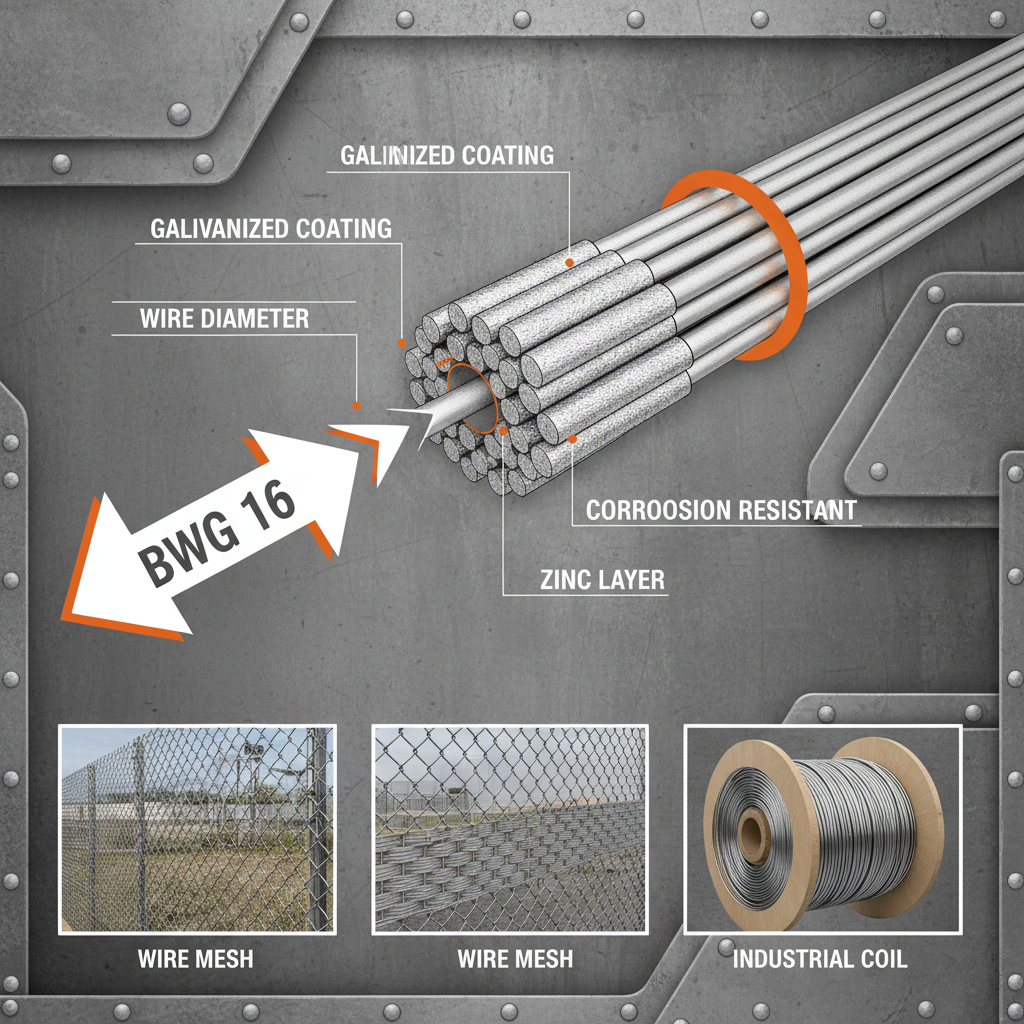
0.13 galvanized wire plays a crucial role in modern infrastructure and various industrial applications globally. Its corrosion resistance, achieved through the galvanization process, significantly extends the lifespan of materials used in construction, agriculture, and manufacturing. This durability translates to reduced maintenance costs and increased safety across numerous sectors, making it a foundational component in both developed and developing nations. Understanding the nuances of 0.13 galvanized wire – its properties, applications, and evolving technologies – is essential for professionals involved in material science, engineering, and supply chain management.
The demand for 0.13 galvanized wire is driven by increasing urbanization and infrastructure development worldwide, particularly in emerging economies. Global steel production and the subsequent need for corrosion protection are key indicators of its market growth. However, challenges related to environmental impact from the galvanization process and the fluctuating costs of zinc necessitate ongoing innovation in alternative coating technologies and sustainable practices. Addressing these challenges is vital for ensuring the long-term viability and responsible use of this essential material.
The versatility of 0.13 galvanized wire allows it to be adapted to a wide range of applications, impacting countless facets of daily life, from securing buildings and fencing to enabling agricultural processes and protecting critical infrastructure. Its robust characteristics make it an indispensable material in the face of both routine wear and unpredictable environmental stressors.
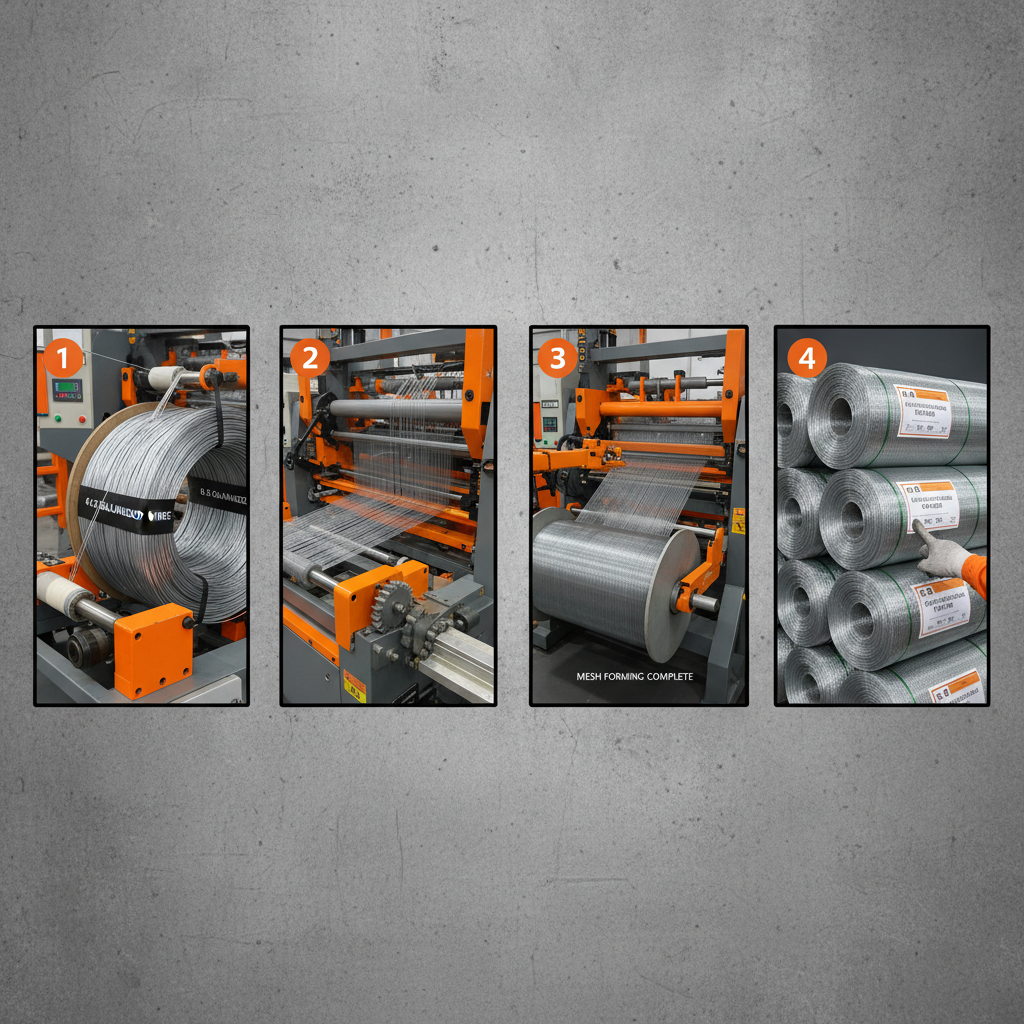
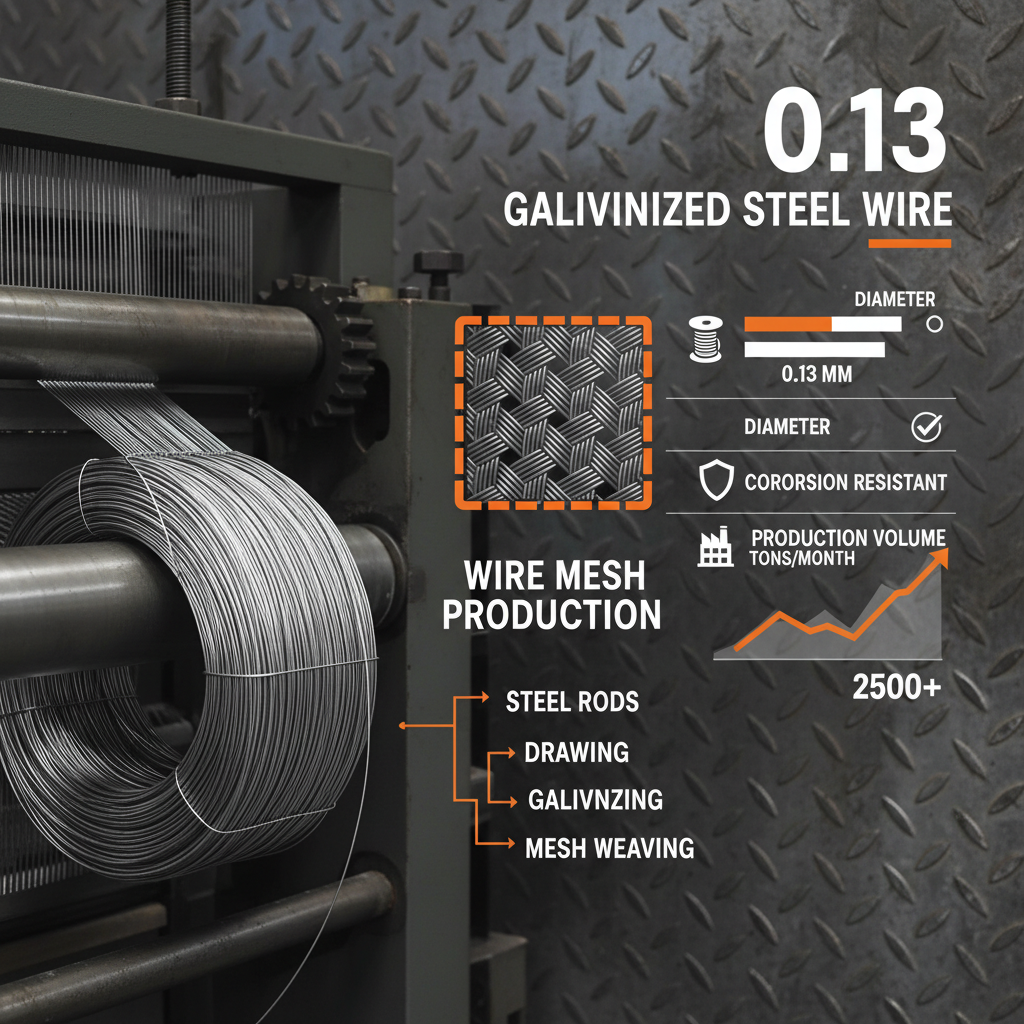
The global production of steel, the primary raw material for 0.13 galvanized wire, reached approximately 1.87 billion metric tons in 2022 (World Steel Association). A significant portion of this steel is processed with galvanization to enhance its durability and prevent corrosion, highlighting the widespread importance of this protective coating. The increasing demand for infrastructure development in Asia-Pacific, particularly in China and India, is a major driver of this demand.
A key challenge lies in balancing the need for corrosion protection with environmental concerns surrounding the galvanization process, specifically the emission of zinc fumes and wastewater treatment. Regulations are becoming increasingly stringent, pushing manufacturers to adopt more sustainable practices and explore alternative coating technologies. The ISO 14001 standard for environmental management systems is frequently implemented in galvanizing plants to demonstrate commitment to responsible manufacturing.
The lifespan of structures utilizing 0.13 galvanized wire is highly variable, dependent on environmental conditions, maintenance practices, and the quality of the galvanization process. However, in moderately corrosive environments, you can generally expect 20-50 years of service life with minimal maintenance. In more severe environments, such as coastal regions with high salt exposure, regular inspections and potential supplementary coatings may be required to maximize longevity.
Stainless steel generally offers superior corrosion resistance compared to 0.13 galvanized wire, but comes at a significantly higher cost. While stainless steel is ideal for extremely harsh environments, 0.13 galvanized wire provides an excellent cost-benefit ratio for many applications. The initial investment for stainless steel can be several times higher, making galvanized wire a more practical choice for large-scale projects or budget-constrained scenarios where a high level of corrosion resistance is still required.
Yes, 0.13 galvanized wire is generally considered safe for use in agricultural applications involving food crops, provided it meets relevant industry standards and regulations. The zinc coating itself is not harmful to plants or animals. However, it's important to ensure that the galvanization process adheres to acceptable lead and cadmium levels, as these are potential contaminants. Look for wire certified to meet agricultural safety standards.
Regular inspections are crucial for identifying areas where the galvanization is damaged or worn. Minor scratches or abrasions can be touched up with zinc-rich paint. Removing any debris or vegetation that traps moisture against the wire is also important. In severe environments, periodic re-galvanization or application of a protective coating may be necessary to extend the structure's lifespan.
Yes, 0.13 galvanized wire can be painted, but proper surface preparation is essential. The galvanized surface must be thoroughly cleaned and etched to ensure good adhesion of the paint. Using a self-etching primer specifically designed for galvanized surfaces is highly recommended. Avoid using oil-based paints, as they may not adhere well. Acrylic or epoxy-based paints are generally the best choice for durability and corrosion protection.
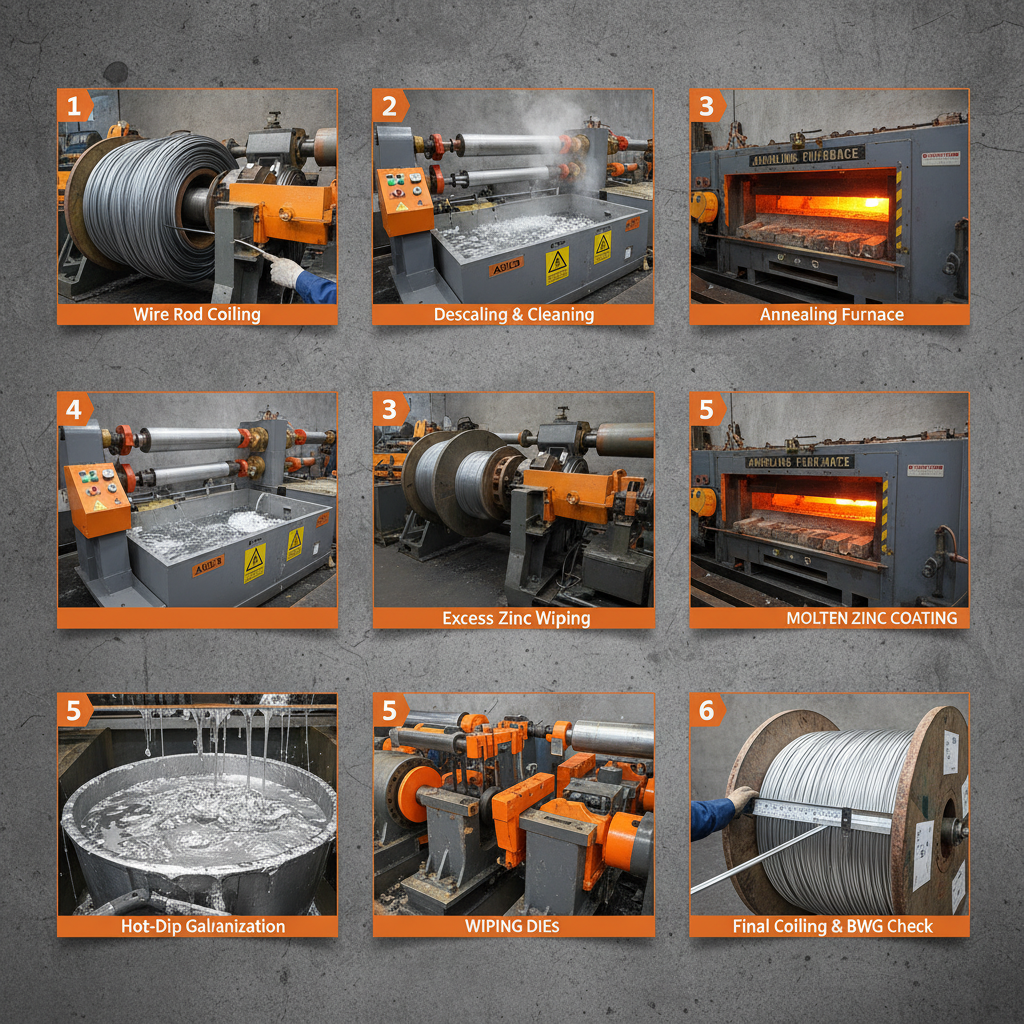
The production of 0.13 galvanized wire involves potential environmental concerns, primarily related to zinc fume emissions and wastewater discharge. Modern galvanizing plants employ pollution control technologies, such as fume collectors and wastewater treatment systems, to minimize these impacts. The use of recycled zinc and the development of more sustainable galvanization processes are also important steps toward reducing the environmental footprint of the industry.
0.13 galvanized wire stands as a cornerstone material in countless industries, providing a robust and cost-effective solution for corrosion protection. Its inherent durability, combined with ongoing advancements in manufacturing processes and sustainable practices, ensures its continued relevance in modern infrastructure and various applications. From agriculture and construction to telecommunications and disaster relief, the benefits of 0.13 galvanized wire extend far beyond mere material performance.
Looking ahead, continued innovation in environmentally friendly galvanization techniques, coupled with a commitment to zinc recycling and the exploration of alternative coatings, will be critical for ensuring the long-term viability and responsible use of this essential material. By prioritizing sustainability and technological advancements, we can harness the full potential of 0.13 galvanized wire to build a more resilient and sustainable future. Visit our website at www.fivestar-metals.com to learn more about our products and services.