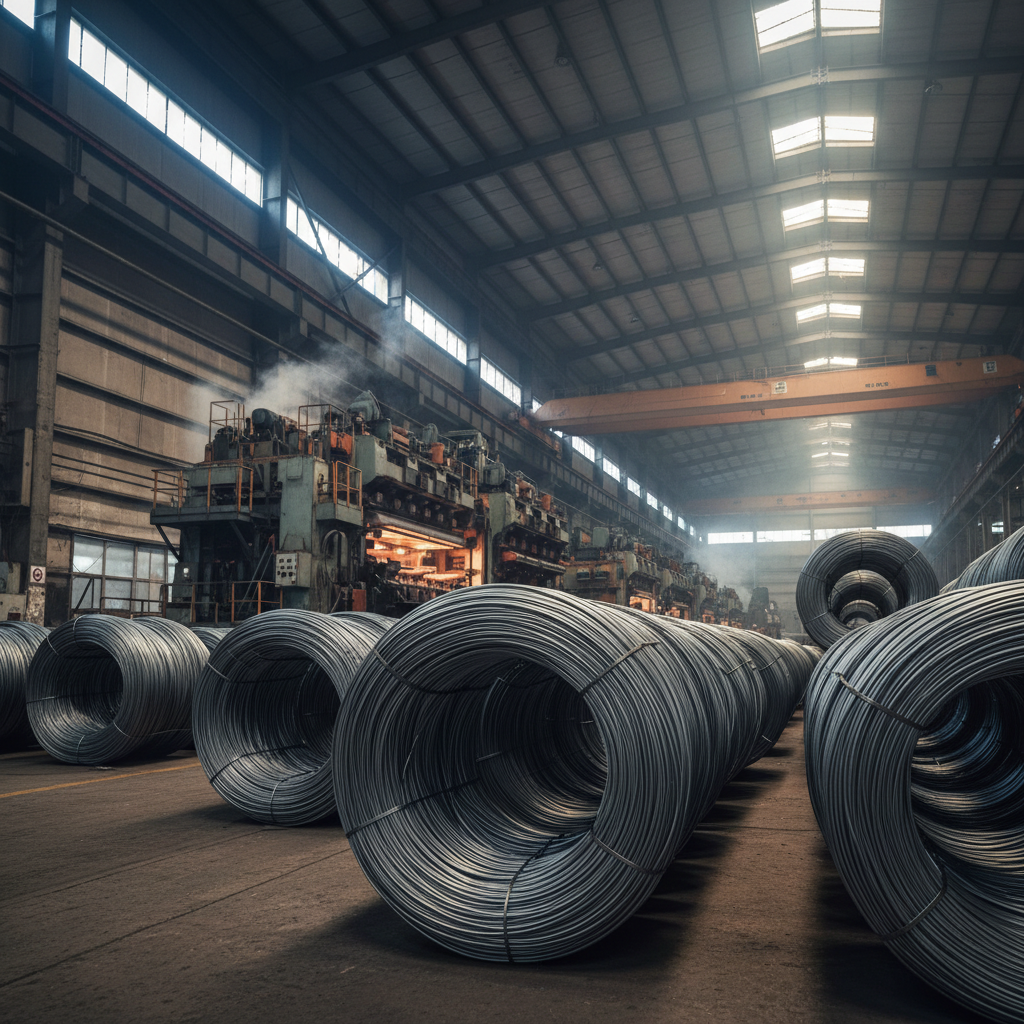
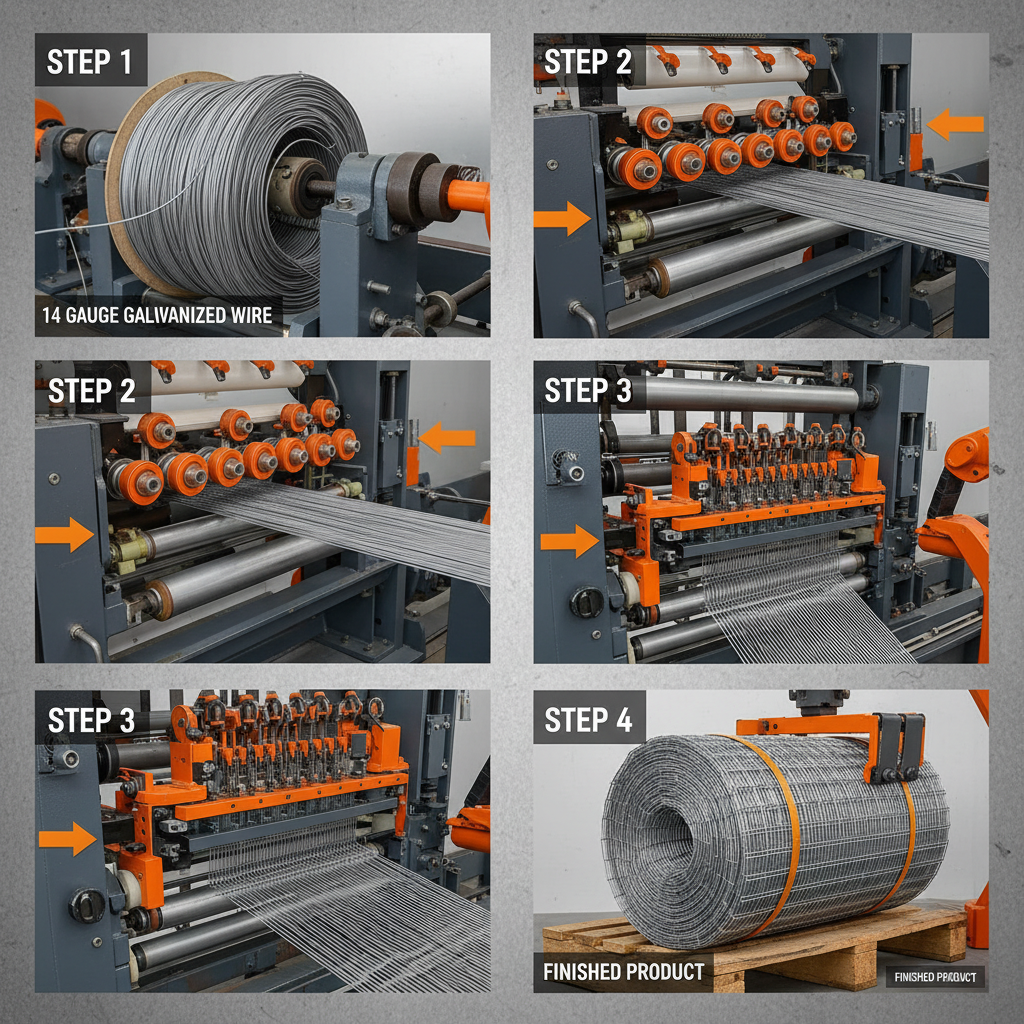
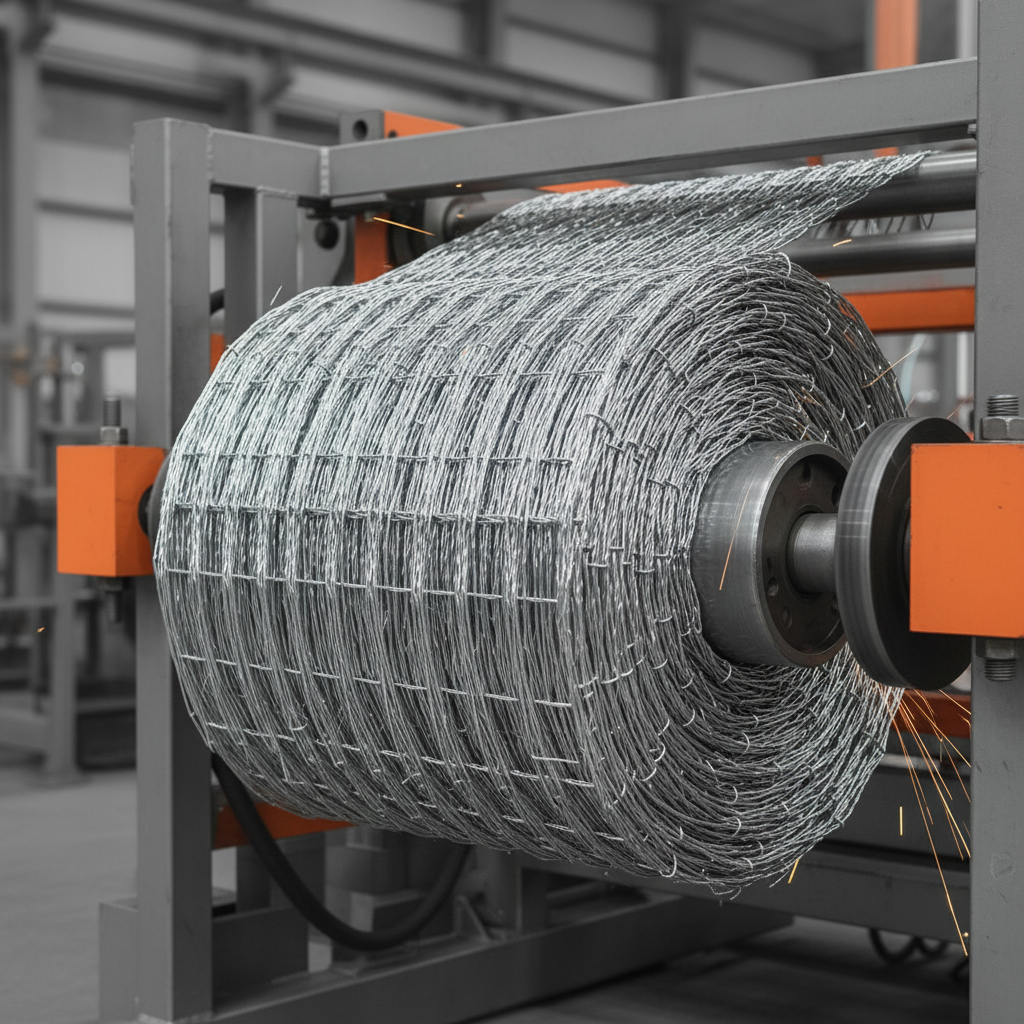
Galvanized wire 4mm stands as a crucial component across a remarkably diverse range of industries and applications globally. Its significance isn’t merely in its metallic form, but in the robust corrosion resistance it offers, stemming from the zinc coating applied to a steel core. This process dramatically extends the lifespan of the wire, making it invaluable in environments prone to moisture, chemicals, and other corrosive elements. Understanding its properties and applications is therefore essential for professionals in construction, agriculture, manufacturing, and countless other fields.
The global demand for galvanized wire 4mm is continuously increasing, driven by infrastructure development in emerging economies and a growing emphasis on durable, long-lasting materials. Reports from the World Steel Association demonstrate a consistent upward trend in steel wire production, with galvanized wire representing a substantial portion of that output. This surge is partially fueled by the need for cost-effective solutions in rapidly expanding urban areas and a proactive approach to mitigating material degradation, particularly in challenging environmental conditions.
Addressing the issue of infrastructure longevity, particularly in cost-sensitive regions, is where galvanized wire 4mm truly shines. Traditional materials often require frequent replacement, leading to significant economic and logistical burdens. Galvanized wire, however, offers a compelling alternative—a balance of affordability, strength, and resistance to the elements—making it a critical resource for sustainable development and efficient project execution.
Defining Galvanized Wire 4mm
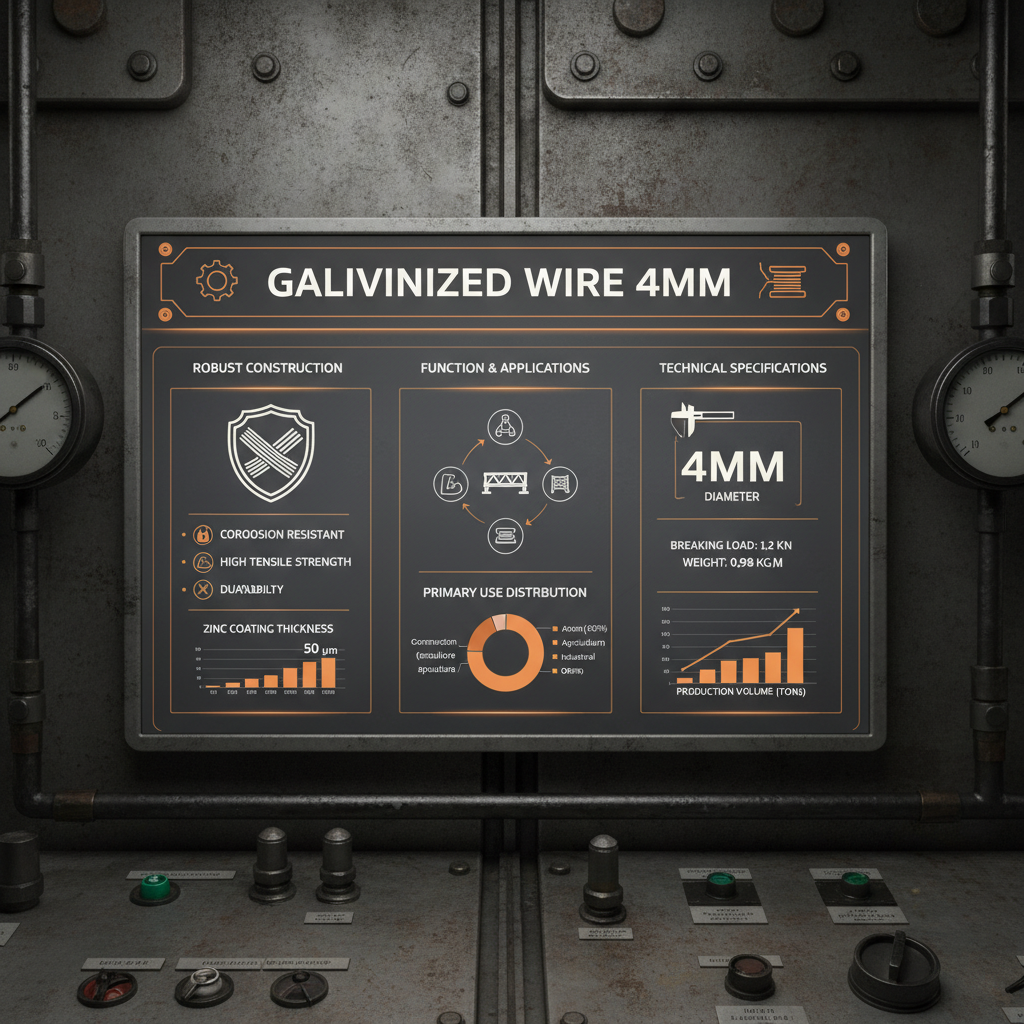
Galvanized wire 4mm is a steel wire that has been coated with a layer of zinc to protect it from rusting and corrosion. The ‘4mm’ refers to the wire’s diameter, a standard size used in a vast array of applications. This process, known as galvanization, creates a barrier that prevents the underlying steel from coming into contact with moisture and atmospheric elements that cause corrosion.
Its connection to modern industry and humanitarian needs is profound. From reinforcing concrete structures to creating fencing for agricultural purposes, and even providing essential materials for temporary shelters in disaster relief situations, galvanized wire 4mm plays a critical, often unseen, role in supporting global infrastructure and safeguarding communities.
Global Relevance & Industry Context
The relevance of galvanized wire 4mm spans the globe, with applications found in virtually every continent. Developing nations experiencing rapid infrastructure growth rely heavily on its cost-effectiveness and durability for construction projects, agricultural fencing, and general utility purposes. Regions prone to harsh weather conditions, such as coastal areas with high salinity, also heavily utilize galvanized wire 4mm due to its superior corrosion resistance.
According to the International Zinc Association, the global demand for galvanized steel, which includes wire, continues to rise, driven by increasing urbanization and infrastructure investments. The United Nations' Sustainable Development Goals (SDGs), particularly those related to infrastructure and sustainable cities, directly benefit from materials like galvanized wire 4mm that promote longevity and reduce maintenance costs.
A significant challenge the widespread adoption of galvanized wire 4mm addresses is the need for sustainable construction materials. The longevity of galvanized steel reduces the frequency of replacements, lowering the demand for new raw materials and minimizing waste. This aligns with a global push towards circular economy principles and responsible resource management.
Understanding the Core Properties
The core properties of galvanized wire 4mm stem from the metallurgical interaction between the steel core and the zinc coating. This isn’t simply a surface application; the zinc bonds with the steel through a process of diffusion, creating a protective layer that is integral to the wire's structural integrity. This bond resists mechanical damage and maintains protection even if the coating is scratched or cut.
The 4mm diameter is a critical specification. It provides a balance between tensile strength and flexibility, making the wire suitable for various forming and weaving applications. Thicker wires offer greater strength, but are less pliable, while thinner wires lack the necessary load-bearing capacity for many structural uses. The 4mm size serves as a versatile sweet spot.
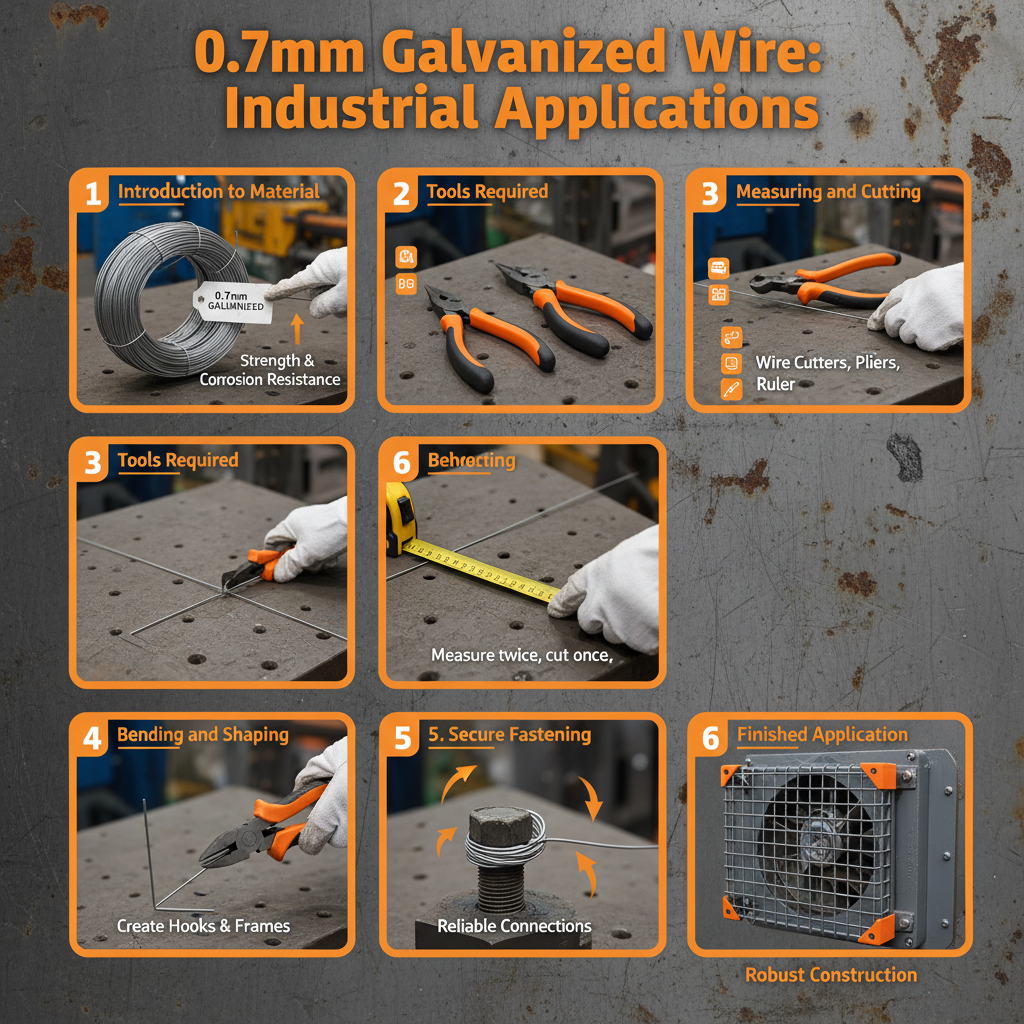
Beyond corrosion resistance and tensile strength, galvanized wire 4mm exhibits good ductility and weldability. Ductility allows the wire to be bent and shaped without fracturing, while weldability facilitates its incorporation into more complex structures. These properties are critical for fabrication and installation processes in diverse industries.
Key Attributes of Galvanized Wire 4mm
One of the key attributes is its exceptional durability. The zinc coating acts as a sacrificial anode, meaning it corrodes before the steel, thereby protecting the steel core from rust. This dramatically extends the service life of the wire, reducing the need for frequent replacements and lowering long-term costs.
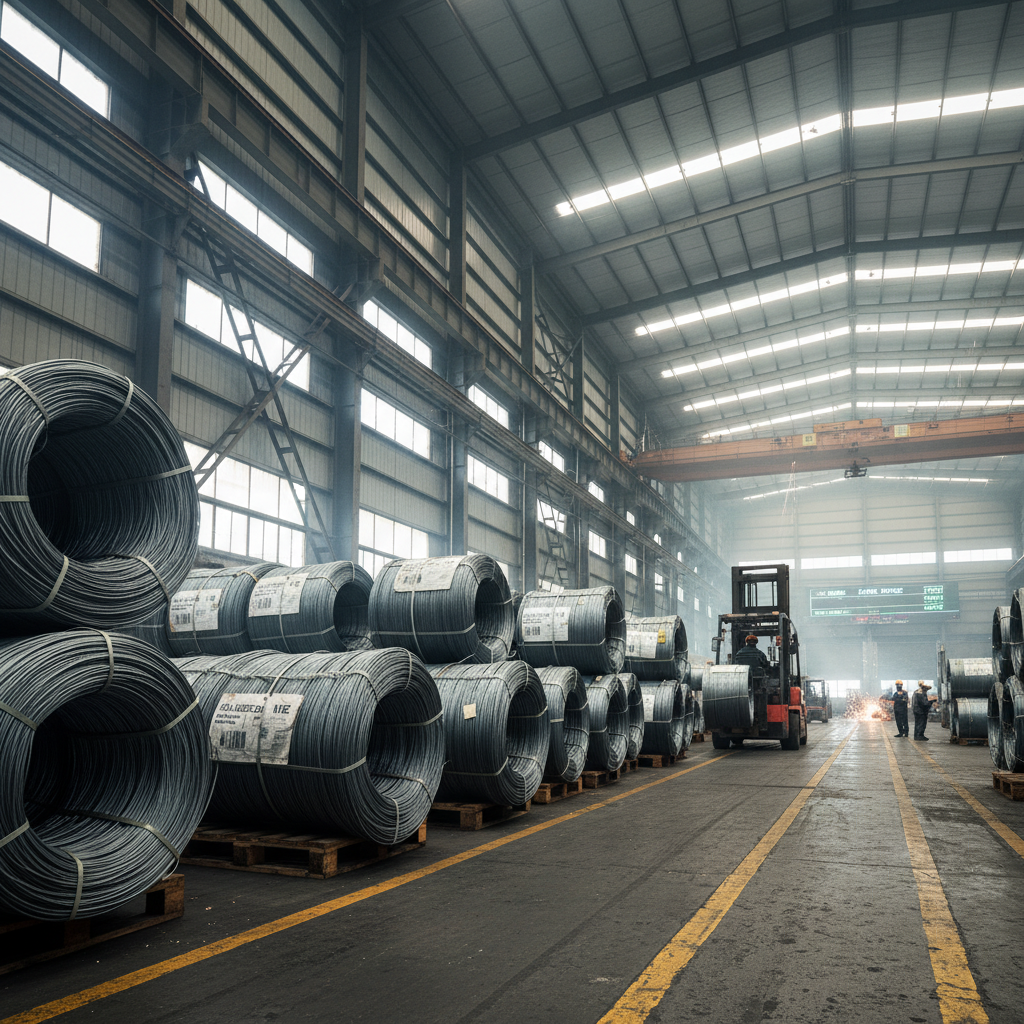
Scalability is another critical advantage. Galvanized wire 4mm is readily available in large quantities from numerous suppliers, making it easy to source for projects of any size. This eliminates potential supply chain bottlenecks and ensures consistent project timelines.
Comparative Cost Analysis of Different Wire Types
Diverse Global Applications
In agriculture, galvanized wire 4mm is extensively used for fencing, protecting crops and livestock from predators and ensuring boundary security. Its resistance to weathering and corrosion makes it ideal for outdoor applications, minimizing maintenance and maximizing longevity. In construction, it’s a crucial component in reinforcing concrete, creating strong and durable structures.
Beyond these core applications, galvanized wire 4mm finds use in a wide range of other industries, including telecommunications (as a component in cable sheathing), automotive manufacturing (in wire harnesses), and even in the creation of artistic installations. In post-disaster relief operations, it's often used for temporary shelters and securing debris, providing immediate assistance to affected communities.
Long-Term Benefits and Value Proposition
The primary tangible benefit of using galvanized wire 4mm is its cost-effectiveness. While the initial investment might be slightly higher than some alternative materials, the extended lifespan and reduced maintenance requirements translate to significant long-term savings. This is particularly important for large-scale projects where replacement costs can quickly escalate.
From a sustainability perspective, galvanized wire 4mm offers a compelling value proposition. The use of a recyclable material, coupled with its longevity, reduces the environmental impact associated with frequent replacements. This contributes to a more circular economy and minimizes resource depletion. The inherent safety and reliability also build trust and confidence among users, ensuring structural integrity and peace of mind.
Future Trends and Innovation
Ongoing research focuses on enhancing the galvanization process itself, exploring alternative zinc alloys and coating techniques to further improve corrosion resistance and extend the lifespan of the wire. Nanotechnology is also being investigated to create even more durable and protective coatings at the molecular level.
The integration of galvanized wire 4mm with smart technologies is another emerging trend. Embedding sensors within the wire mesh could enable real-time monitoring of structural integrity, alerting engineers to potential issues before they escalate. This proactive approach to maintenance aligns with the principles of Industry 4.0 and predictive maintenance.
Furthermore, the increasing emphasis on sustainable materials and green building practices is driving demand for environmentally friendly galvanization processes that minimize waste and reduce energy consumption. The industry is actively exploring ways to optimize resource utilization and reduce its carbon footprint.
FAQS
The lifespan of galvanized wire 4mm in a coastal environment is heavily dependent on the salinity levels and exposure to direct seawater. However, with proper maintenance, it can typically last between 20-30 years. Utilizing thicker zinc coatings and incorporating protective paints can further extend this lifespan. Regular inspection and cleaning to remove salt buildup are also crucial for maximizing durability.
While stainless steel offers superior corrosion resistance in many environments, galvanized wire 4mm provides a cost-effective alternative for applications where extreme corrosion resistance isn't critical. Stainless steel is significantly more expensive, while galvanized wire provides excellent protection against rust and corrosion for a fraction of the cost. The choice depends on the specific application and budgetary constraints.
Yes, galvanized wire 4mm is generally suitable for direct contact with soil, but the lifespan will be reduced depending on the soil's composition and moisture content. Soils with high acidity or chloride levels can accelerate corrosion. For prolonged use in such environments, considering a thicker zinc coating or supplemental corrosion protection is recommended.
Yes, galvanized wire 4mm can be painted, but proper surface preparation is essential. The wire should be thoroughly cleaned and degreased before applying a suitable primer and topcoat. Using a paint specifically designed for galvanized surfaces ensures optimal adhesion and long-term protection.
The galvanization process itself can generate some environmental concerns, particularly related to zinc emissions. However, modern galvanizing plants employ sophisticated pollution control technologies to minimize these emissions. Furthermore, galvanized steel is highly recyclable, reducing the demand for new raw materials and promoting a circular economy. Responsible disposal practices are essential to ensure environmental sustainability.
When handling galvanized wire 4mm, it’s important to wear gloves and eye protection to prevent skin and eye irritation from the zinc coating. Cutting or bending the wire can create sharp edges, so appropriate caution is necessary. Additionally, avoid inhaling dust or fumes generated during cutting or welding operations; ensure adequate ventilation or use respiratory protection.
Conclusion
Galvanized wire 4mm represents a foundational material in countless industries, offering a remarkable balance of durability, cost-effectiveness, and scalability. From reinforcing infrastructure to supporting agricultural practices and providing critical aid in disaster relief, its versatility is undeniable. Understanding its properties and applications is paramount for professionals seeking reliable and sustainable solutions.
Looking ahead, continued innovation in galvanization techniques and the integration of smart technologies promise to further enhance the performance and longevity of galvanized wire 4mm. Investing in research and development in this area will unlock even greater potential for sustainable construction, resilient infrastructure, and a more secure future. For high-quality galvanized wire 4mm and related products, visit our website: www.fivestar-metals.com