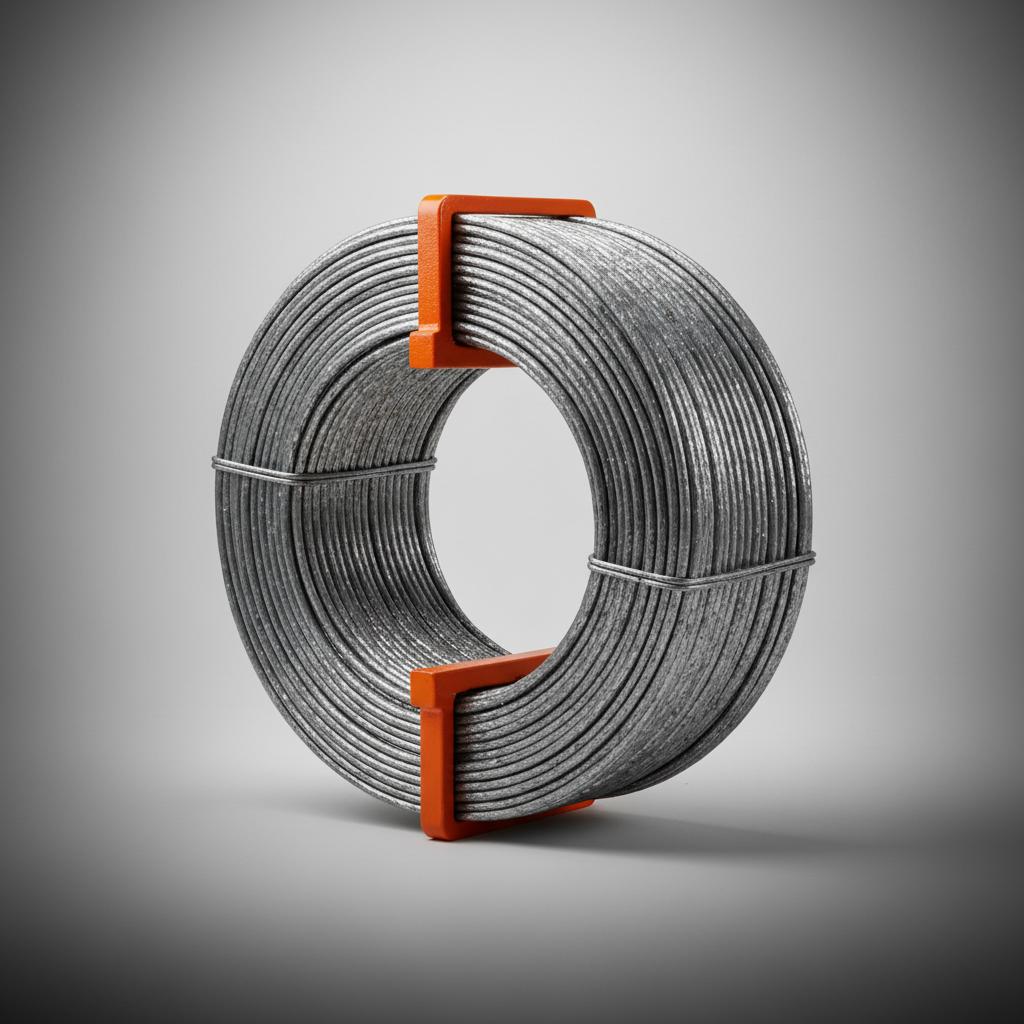
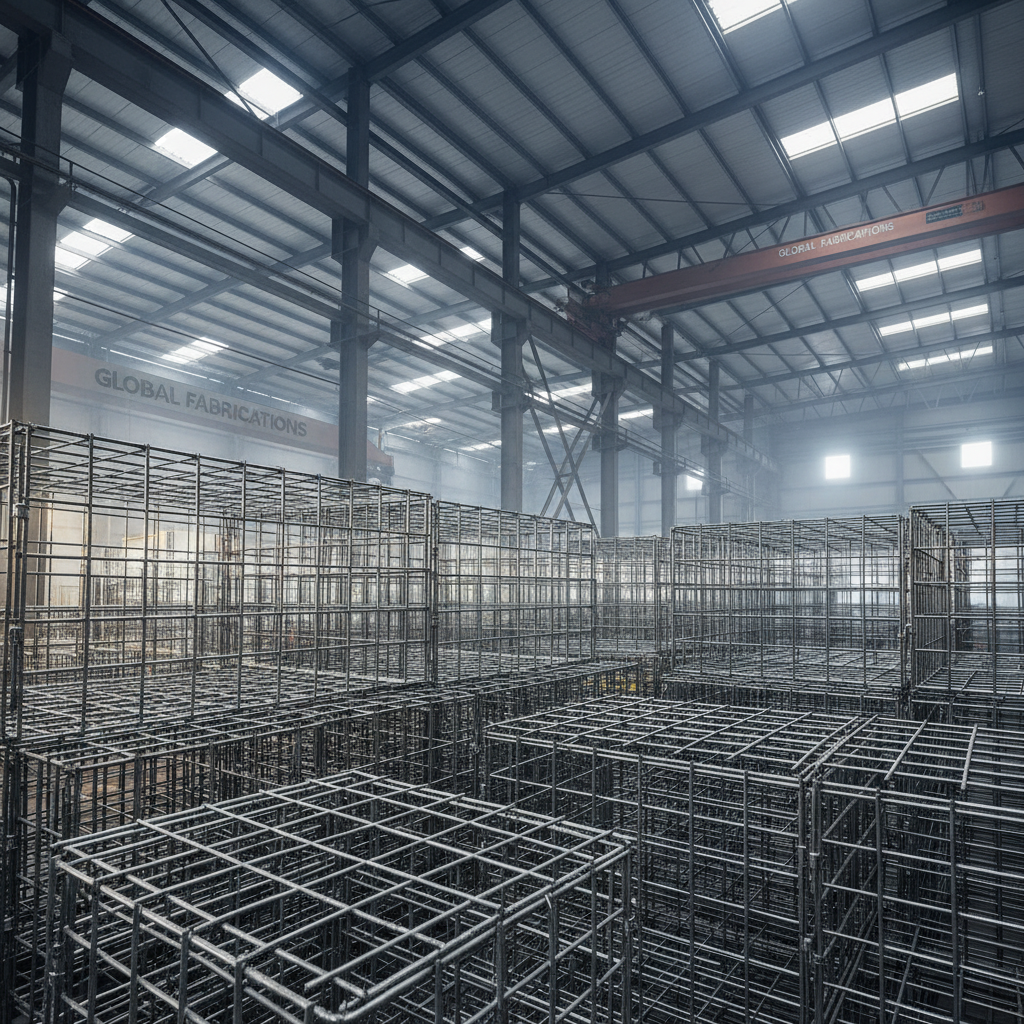
The Same Product And Company, The Different Quality and Service!
0%

Table of Contents

You know, I've been running around construction sites for over a decade now. Seen a lot of things, smelled a lot of things, and definitely gotten my hands dirty. Lately, everyone's talking about prefabrication, modular builds… it’s all the rage. Seems like everyone wants things faster, cheaper, and with less mess. Honestly, it makes sense. Labor's expensive, materials are going up, and no one wants a project to drag on forever. But a lot of folks get caught up in the "shiny new thing" and forget about the practical stuff.

Like, have you noticed how many designs look great on paper but are a nightmare to assemble on site? I encountered this at a factory in Changzhou last time. Beautiful 3D renderings, perfectly aligned components… but then you get there, and the tolerances are off by a millimeter, and suddenly you're spending hours grinding things down. It’s frustrating. And it always comes back to the materials, doesn't it?

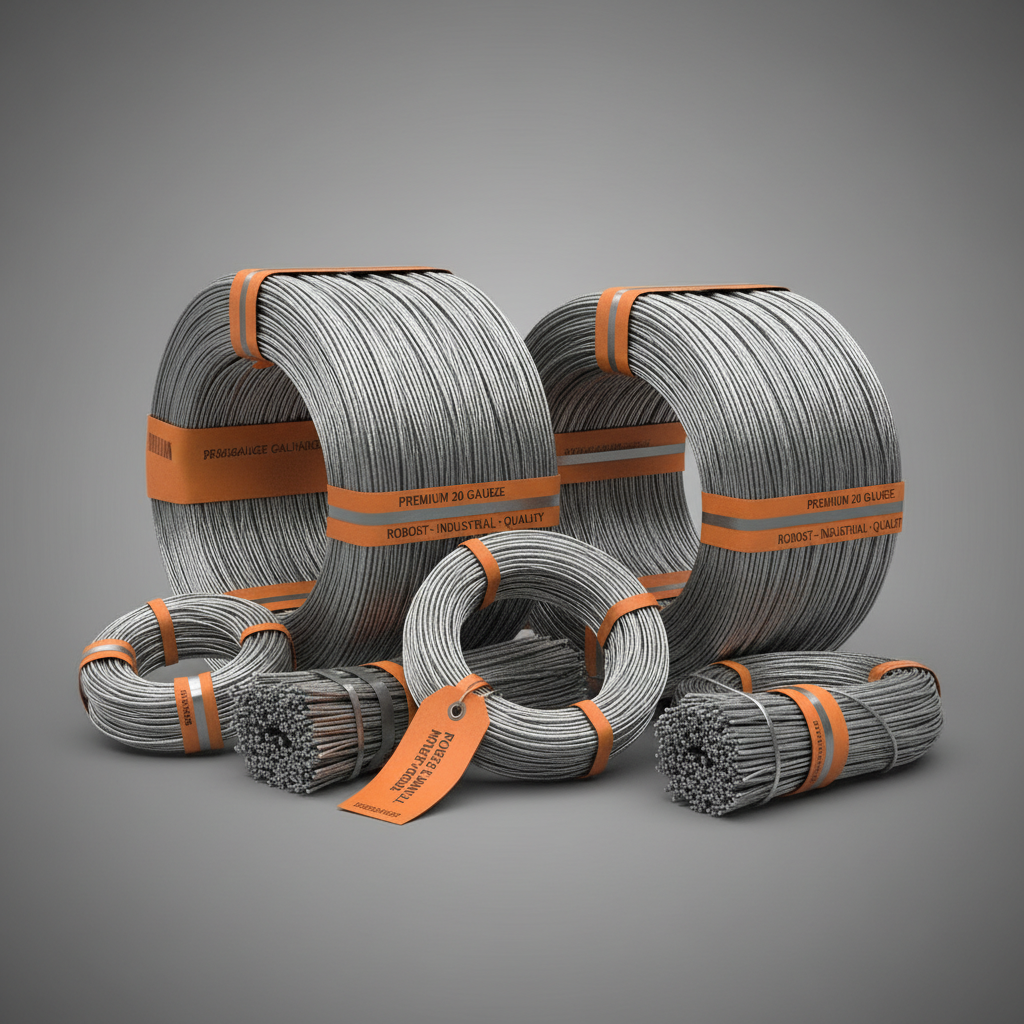
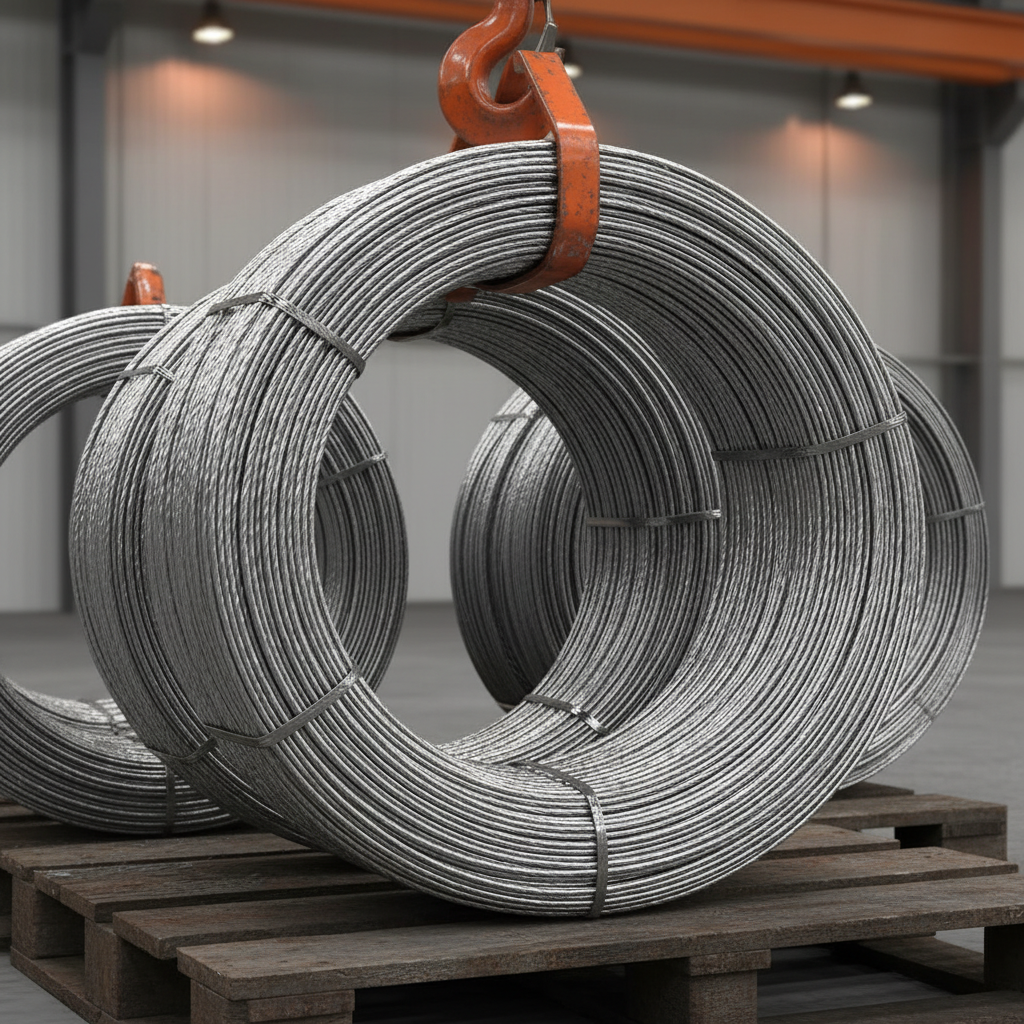
We mainly use galvanized steel wire – mostly for cable ties, hanging support and reinforcement. It’s… well, it smells like steel, you know? That metallic tang. Feels pretty solid in your hand, though you gotta be careful of the sharp ends. We also use a lot of stainless steel wire, especially for coastal projects. It’s a bit more expensive, but worth it if you want something that’s not going to rust to pieces in a few years. And then there’s the PVC-coated stuff, for added protection against corrosion and abrasion. That one's a bit slippery though; gotta wear gloves.
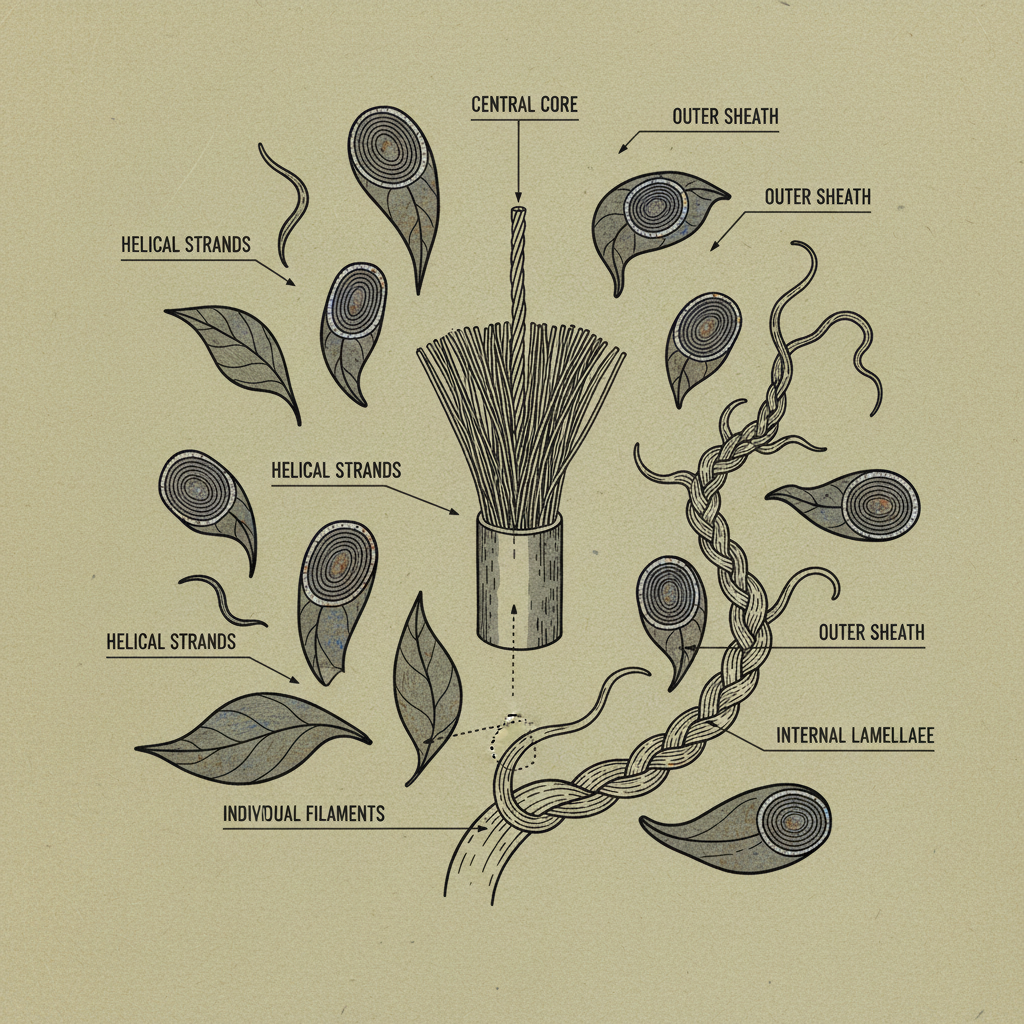
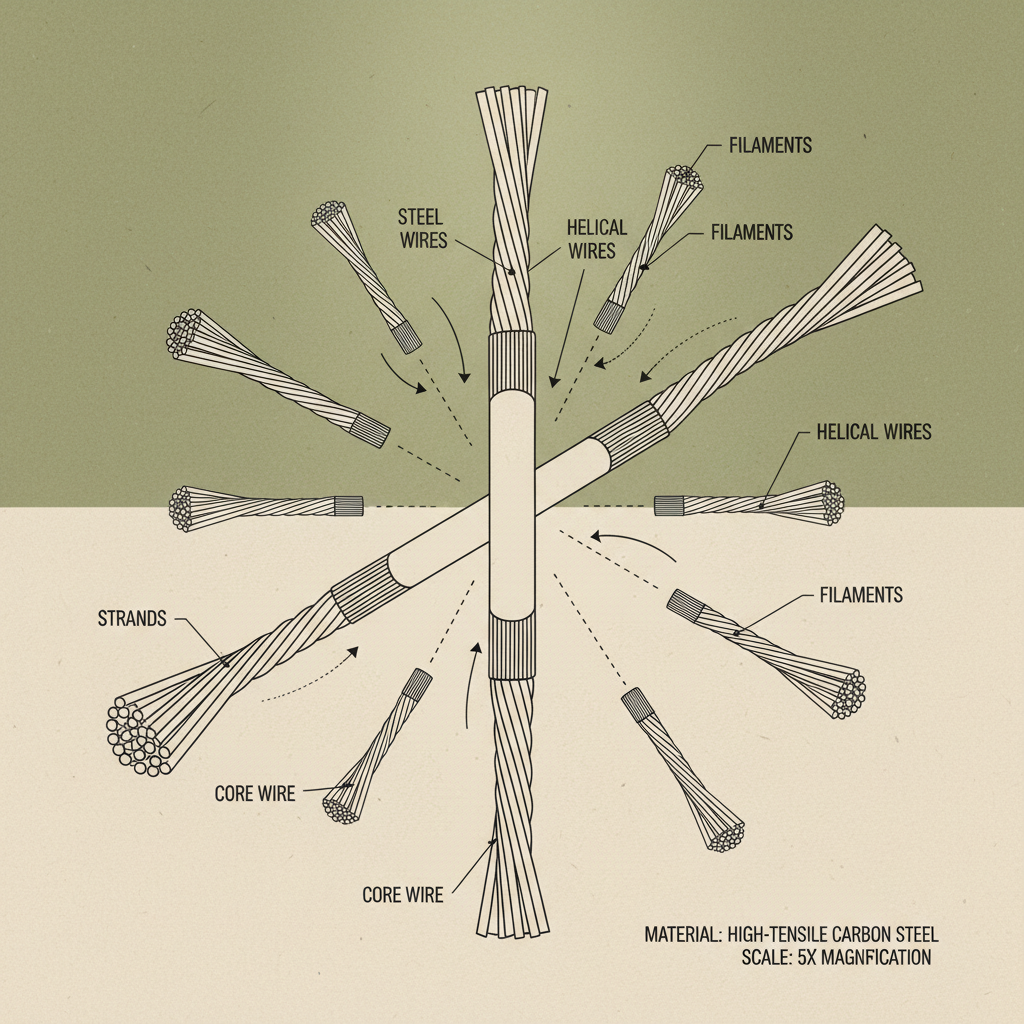
steel wire

Industry Trends & Design Pitfalls

steel wire

Strangely, a lot of designers don't seem to understand the limitations of on-site assembly. They'll spec a design that requires a crane to lift a component into place, but forget that the site might not have a crane. Or they'll design a joint that needs to be welded, but then the welding crew is backed up for days. It's always something. Anyway, I think a good design should be simple, robust, and forgiving. If it can't be assembled by a couple of reasonably skilled workers with basic tools, it’s probably a bad design.

And the push for sustainability is good, don’t get me wrong, but sometimes it leads to compromises in quality. We tested some “eco-friendly” wire recently… let’s just say it didn’t hold up to the stress tests. Looked good in the brochure, though.

Materials: A Hands-On Perspective

The feel of the steel wire, that’s important. A good quality steel wire should have a bit of spring to it. Not too brittle, not too floppy. You can tell a lot just by bending it. The smell, too, can be indicative – a strong, acrid odor might mean there’s a lot of sulfur in the steel, which can make it more prone to corrosion. We handle a lot of different gauges, from thin wire for tying rebar to thick wire for guy lines. Each one has its purpose. The thicker stuff feels reassuringly solid in your hand, you know?

We also get a lot of requests for coated wires, especially PVC and nylon. The coatings add corrosion resistance and make the wire easier to handle, but they also add cost. And sometimes they can actually make things harder – a poorly applied coating can flake off and get in the way.

I once saw a shipment of steel wire that was… off. It felt greasy, and the surface was pitted. Turns out it had been improperly stored and had started to rust internally. Sent it right back. You learn to trust your instincts after a while.

Real-World Testing & Quality Control

Forget the lab tests. Real testing happens on site, under real-world conditions. We pull test samples regularly, just to make sure the wire can handle the load. We also do bend tests, twist tests, and corrosion tests. We’ll bury a length of wire in the ground for a month and then dig it up to see how it’s holding up. It’s not glamorous, but it’s necessary.

The biggest challenge is variability. Even within a single batch of steel wire, there can be differences in strength and ductility. That's why we always inspect the material carefully before using it. And why we have a good relationship with our suppliers. You gotta be able to trust them.

We also pay attention to how the wire behaves in extreme temperatures. We’ve had projects in both scorching deserts and freezing mountains. Steel wire can become brittle in the cold and lose strength in the heat. It’s all about understanding the limitations of the material and designing accordingly.

How Users Actually Utilize Steel Wire

You’d be surprised. Designers might intend for steel wire to be used for one thing, but workers will always find another use for it. Tying things together, patching holes, securing loose materials… it’s the ultimate all-purpose tool. I’ve seen guys use it to improvise repairs on everything from scaffolding to generators.

It’s rarely used as specified. Usually, it’s a quick fix, a workaround for a design flaw, or just a way to make things a little more secure. It’s the duct tape of the construction world.

Steel Wire Usage Distribution


Advantages, Disadvantages, and Customization

The biggest advantage of steel wire is its strength-to-weight ratio. It's incredibly strong for its size and weight, which makes it ideal for a wide range of applications. It’s also relatively inexpensive, which is always a plus. But it’s prone to corrosion, and it can be difficult to work with if you don’t have the right tools.

Customization is usually limited to gauge, coating, and length. We had a customer a few years ago who needed a specific type of wire for a suspension bridge. They wanted it to be extra strong and corrosion-resistant. We worked with the supplier to develop a custom alloy that met their requirements. It wasn't cheap, but it got the job done.

Customer Story: The Debacle

Last month, that small boss in Shenzhen who makes smart home devices insisted on changing the interface to for connecting the sensor wires. He wanted to be "modern," he said. The original design used a simple screw terminal, which was reliable and easy to use. But no, he had to have . The result? The wires kept disconnecting, causing all sorts of problems with the sensors. He ended up having to recall the entire batch and redesign the interface. Cost him a fortune. He learned a valuable lesson that day: sometimes, simple is better.

He called me up afterwards, practically begging for advice. I just told him, "Stick to what works, kid. Don’t chase the latest trends just for the sake of it."

Key Steel Wire Performance Characteristics

Wire Type Tensile Strength (MPa) Corrosion Resistance (1-10) Typical Application
Galvanized Steel 400-550 6 Cable Ties, General Purpose Binding
Stainless Steel 304 500-700 8 Coastal Structures, Marine Environments
PVC Coated Steel 350-500 7 Electrical Wiring, Protection Against Abrasion
High Carbon Steel 700-900 4 Springs, High-Strength Applications
Galvanized High Carbon Steel 650-850 5 Construction, Reinforcement Applications
Stainless Steel 316 600-800 9 Severe Corrosive Environments, Offshore Applications

FAQS

What is the typical lifespan of galvanized steel wire in outdoor applications?

It depends on the environment, of course. But generally, you can expect galvanized steel wire to last anywhere from 5 to 15 years outdoors. Coastal areas with high salt content will shorten the lifespan, while drier inland areas will extend it. Regular inspection and maintenance can help prolong its life, but eventually, it will rust. We generally advise annual inspections, especially in harsh environments.

How do I determine the correct gauge of steel wire for my project?

That's a good question. It depends on the load you need to support and the amount of stretch you can tolerate. A thicker wire will be stronger and have less stretch, but it will also be more expensive and harder to work with. You'll need to calculate the tensile strength requirements of your application and choose a wire that exceeds that. It's always better to err on the side of caution and go with a slightly thicker wire than you think you need.

Is PVC coated steel wire suitable for direct burial?

Not generally. While the PVC coating provides some protection against corrosion, it's not enough to withstand the constant moisture and pressure of direct burial. You're better off using a stainless steel wire or a galvanized steel wire with a more robust corrosion protection system. Direct burial requires serious consideration of soil composition and long-term durability.

What are the safety precautions I should take when working with steel wire?

Wear gloves! Seriously, steel wire can be sharp, and you don't want to cut yourself. Safety glasses are also a good idea, to protect your eyes from flying fragments. And be careful when bending or twisting the wire, as it can spring back and injure you. Proper tool use and awareness are key.

Can steel wire be recycled?

Yes! Steel is one of the most recyclable materials on the planet. Scrap steel wire can be melted down and reused to make new products. It's a sustainable material, especially compared to some of the plastics out there. We always encourage our customers to recycle any unused wire or scrap.

What’s the difference between hard-drawn and annealed steel wire?

Hard-drawn wire is cold-worked, making it very strong but also brittle. Annealed wire is heat-treated to make it softer and more ductile, easier to bend but less strong. For applications needing high strength, like suspension cables, hard-drawn is best. For forming complex shapes, annealed is the way to go. It all depends on the job.

Conclusion

So, there you have it. Steel wire – a simple material, but incredibly versatile and essential to a huge range of applications. From holding up buildings to securing sensors, it's the unsung hero of the construction world. It’s not glamorous, it’s often overlooked, but it gets the job done. We've seen trends come and go, materials evolve, and designs become more complex, but steel wire remains a constant.

Ultimately, whether this thing works or not, the worker will know the moment he tightens the screw. If it feels solid, if it holds, if it lasts… then it's good steel wire. Visit our website at fivestar-metals.com to learn more about our selection and how we can help you with your next project.
William Davis

William Davis

William Davis is our dedicated Product Development Specialist focusing on adapting our wire mesh products for the US market. He works closely with the business development and production departments to translate customer specifications into viable production plans. William is adept at analyzing market research, identifying emerging trends, and implementing innovative
Previous steel wire