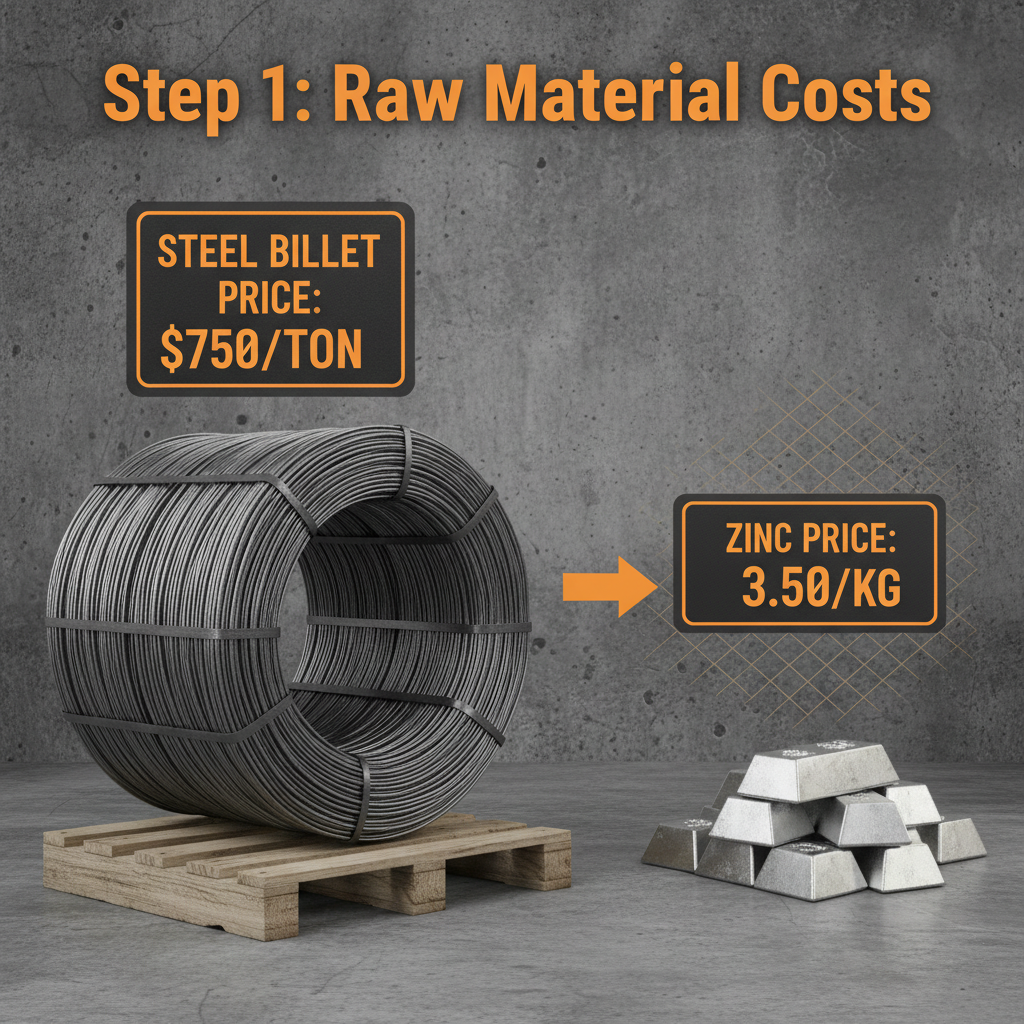
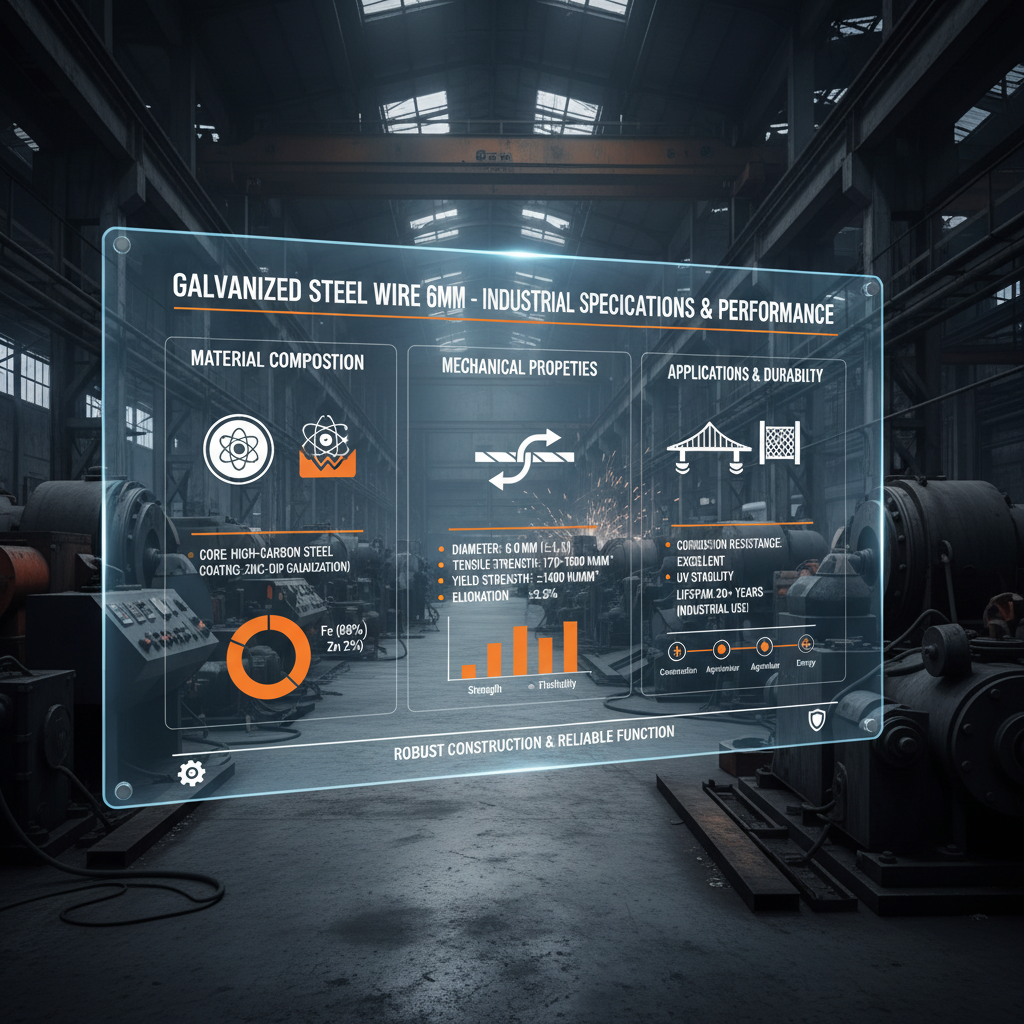
Securing perimeters in agricultural, industrial, and residential settings requires a balance between cost-efficiency and uncompromising strength. For decades, galvanized barbed wire has served as the global gold standard for deterrent fencing, providing a physical and psychological barrier that prevents unauthorized access while remaining adaptable to various terrains.
Beyond simple security, the integration of galvanization—the process of applying a protective zinc coating—addresses the primary enemy of steel: corrosion. In humid, coastal, or chemically aggressive environments, untreated wire fails rapidly, but galvanized solutions ensure long-term structural integrity, reducing the frequency of replacements and lowering overall maintenance costs for property owners.
Understanding the nuances of galvanized barbed wire, from its tensile strength to its coating thickness, allows project managers and farmers to make informed procurement decisions. Whether for livestock management or high-security border control, selecting the right specification is critical for ensuring safety and longevity in the field.
Global Relevance and Industrial Context
On a global scale, the demand for galvanized barbed wire is driven by the necessity of territorial demarcation and asset protection. According to industry trends aligned with ISO standards for metallic coatings, the move toward hot-dipped galvanization has significantly extended the life cycle of fencing in developing nations, where infrastructure must withstand extreme weather without frequent professional intervention.
The primary challenge facing modern land management is the degradation of materials due to oxidation. In agricultural sectors across Asia and the Americas, the failure of non-galvanized fences leads to livestock loss and boundary disputes. By utilizing zinc-coated steel, the industry solves the problem of premature rust, ensuring that the physical deterrent remains sharp and structurally sound for decades.
Defining Galvanized Barbed Wire and Its Purpose
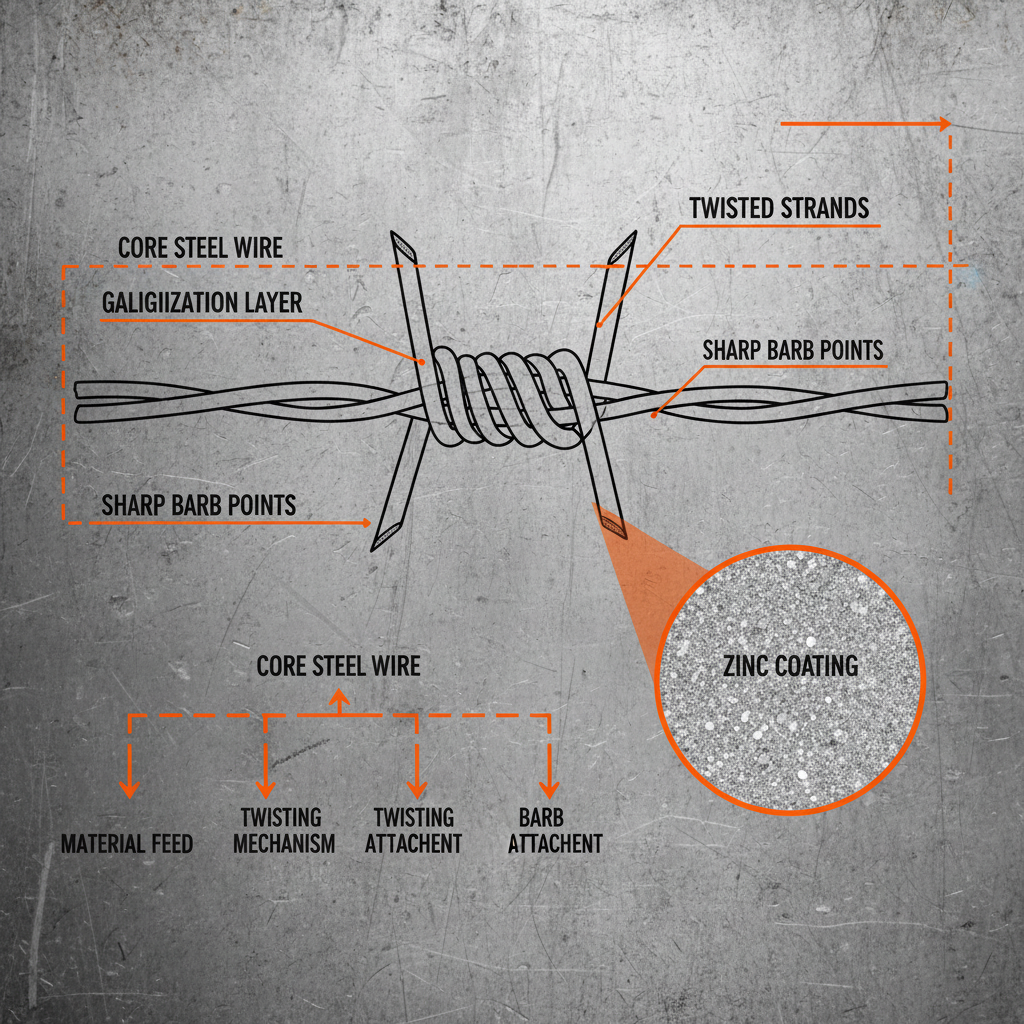
In simple technical terms, galvanized barbed wire consists of two or more strands of steel wire twisted together, with sharp barbs wrapped around the core at regular intervals. The "galvanized" aspect refers to the chemical process where the steel is coated in a layer of zinc, creating a sacrificial anode that protects the underlying iron from rusting when exposed to oxygen and moisture.
Modern industry views this material not just as a fence, but as a critical component of safety infrastructure. From preventing trespassing in industrial zones to managing wildlife migration in conservation areas, its purpose is to create a low-cost, high-impact barrier. Its ability to be deployed quickly across vast distances makes it indispensable for humanitarian needs, such as establishing secure perimeters for temporary shelters or refugee camps.
The evolution of this product has moved toward higher precision. Today's manufacturing focuses on consistent barb spacing and uniform zinc thickness, ensuring that the wire does not have "weak spots" where corrosion can start. This precision ensures that the barrier remains a reliable deterrent throughout its entire lifespan.
Core Components of High-Quality Security Wire
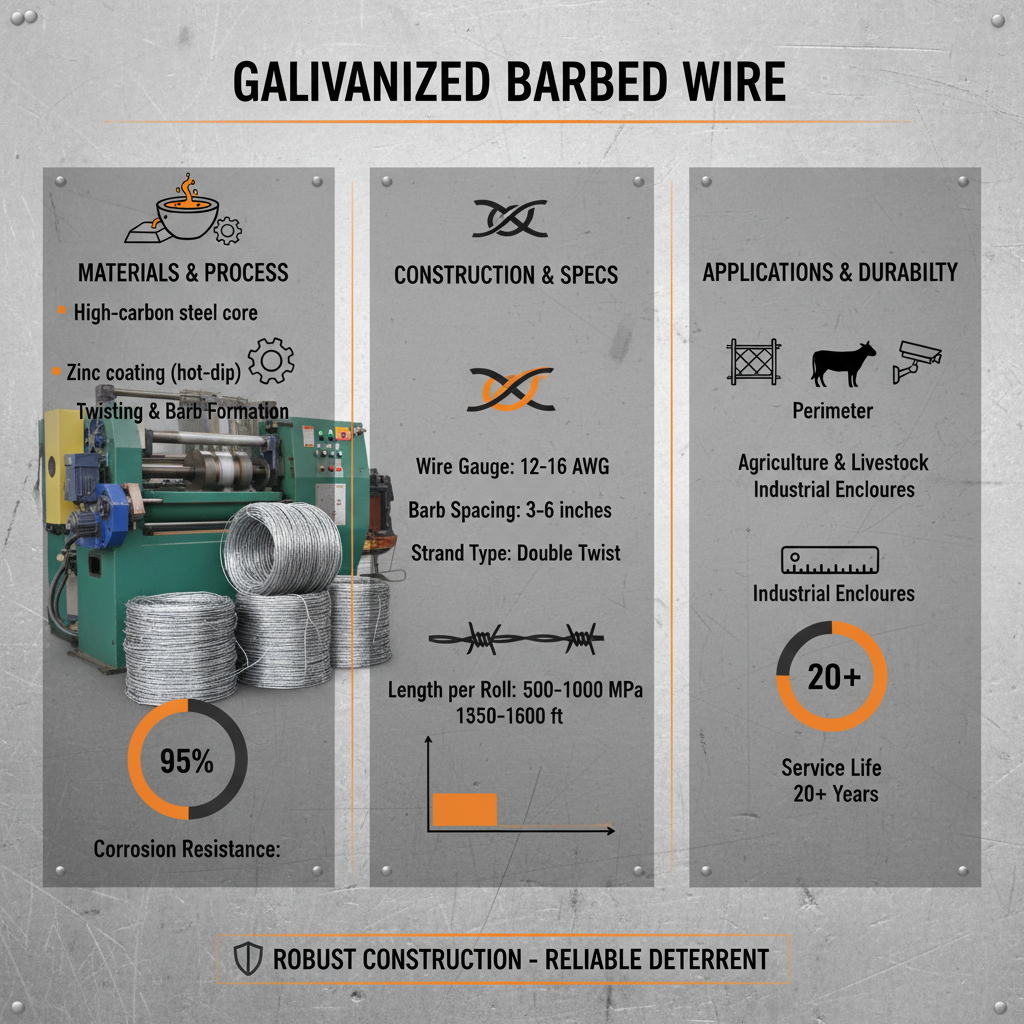
The durability of galvanized barbed wire depends heavily on the quality of the base steel. High-carbon steel is typically preferred to provide the necessary tensile strength, ensuring the wire does not sag or snap under the pressure of animals or attempted breaches.
Another critical factor is the galvanization method. Hot-dipped galvanization offers a significantly thicker zinc layer compared to electro-galvanizing, making it the superior choice for outdoor applications where galvanized barbed wire must face rain, snow, and soil acidity.
Finally, barb geometry and spacing play a vital role in effectiveness. Barbs that are tightly wound and strategically spaced provide a consistent deterrent, while the twist ratio of the main wires determines the overall stability and resistance to cutting tools, balancing flexibility with rigid security.
Performance Metrics and Comparative Efficiency
When evaluating the efficiency of different fencing solutions, the cost-to-longevity ratio is the most important metric. galvanized barbed wire outperforms untreated wire in every environmental category, particularly in salt-heavy coastal regions where oxidation happens exponentially faster.
By analyzing various production methods, we can see a clear distinction in performance based on the zinc coating weight and the steel grade used. This data allows procurement officers to choose the specific variant of wire that matches their environmental risk level, whether it be a light-duty residential fence or a heavy-duty industrial perimeter.
Performance Comparison of Galvanized Barbed Wire Variants
Global Applications and Real-World Use Cases
The application of galvanized barbed wire spans across diverse global sectors. In the agricultural heartlands of Brazil and Australia, it is the primary tool for livestock containment, where vast distances make other fencing types prohibitively expensive. Its ability to be stretched over kilometers of uneven terrain without losing tension makes it a logistical marvel for large-scale farming.
In more critical security contexts, such as remote industrial zones or military installations, galvanized wire is often used as a topping for chain-link fences. This hybrid approach combines the structural height of a mesh fence with the sharp deterrent of the wire, creating a formidable barrier against intruders. In post-disaster relief operations, these materials are frequently deployed to secure hazardous areas quickly, ensuring public safety during reconstruction phases.
Long-Term Value and Sustainability Benefits
From a financial perspective, the long-term value of investing in high-quality galvanized barbed wire lies in the reduction of the Total Cost of Ownership (TCO). While the initial purchase price may be slightly higher than non-galvanized alternatives, the elimination of frequent rust-related repairs and the extended replacement cycle lead to significant savings over a ten-year period.
Sustainability is also an overlooked benefit. Steel is one of the most recycled materials on earth. By extending the life of the fence through galvanization, the frequency of material consumption is lowered, reducing the carbon footprint associated with the production and transport of new steel. This aligns with global efforts to move toward more durable, less wasteful infrastructure.
Beyond the logical and financial arguments, there is an emotional component: peace of mind. For a landowner, knowing that their perimeter is secure and their assets are protected by a reliable, weather-resistant barrier provides a sense of stability and trust. This reliability is what builds the reputation of professional-grade metal products in the global market.
Future Trends in Perimeter Security Materials
The future of galvanized barbed wire is evolving toward "smarter" and "greener" materials. We are seeing a rise in the use of Zinc-Aluminum (Galfan) coatings, which provide even greater corrosion resistance than traditional galvanizing, specifically tailored for hyper-aggressive environments like offshore installations or high-pollution industrial zones.
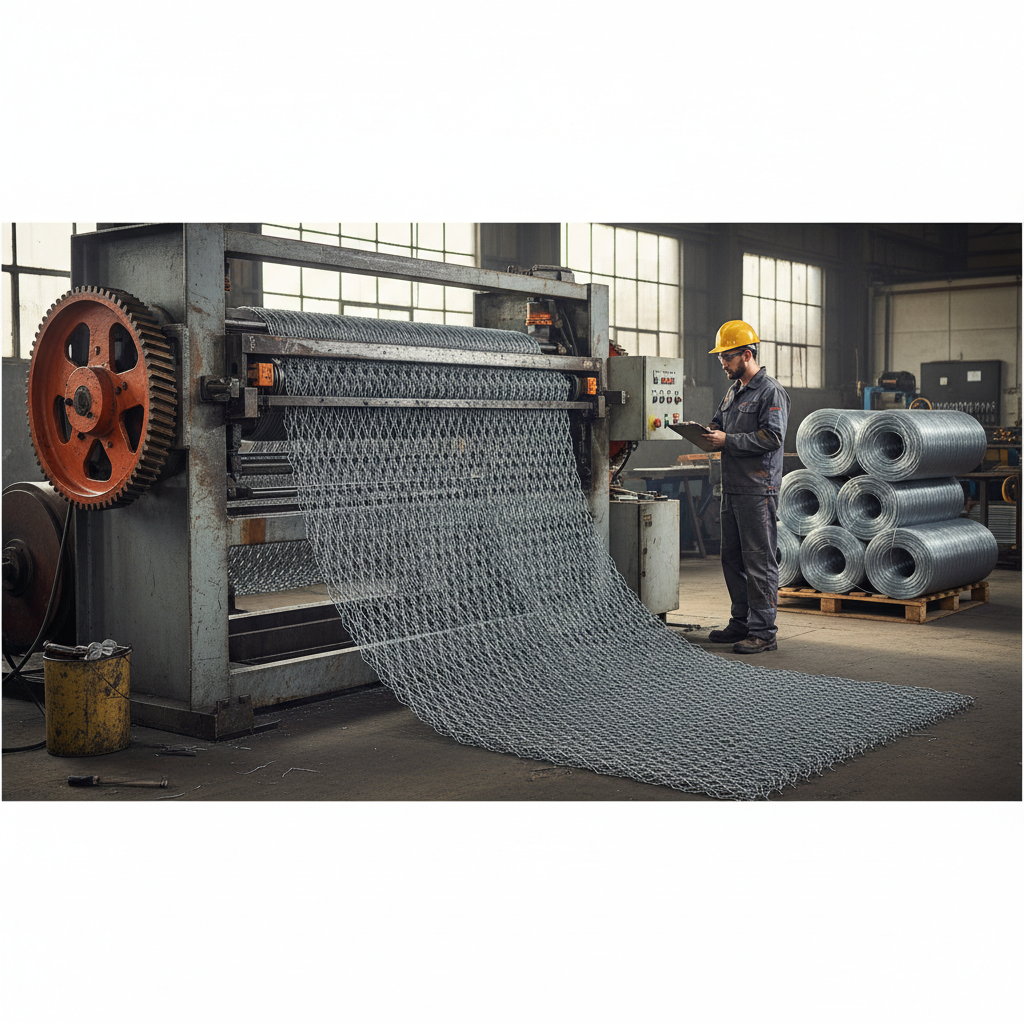
Automation in the manufacturing process is also increasing precision. Advanced CNC twisting machines now allow for customized barb spacing and tensioning, meaning fences can be engineered for specific threats—whether it is preventing small animal intrusion or deterring human trespassers. This move toward specialization allows for a more efficient use of raw materials.
Furthermore, the integration of sustainable energy is influencing how these fences are used. We are seeing the emergence of "integrated perimeters" where galvanized wire is paired with solar-powered sensors or electric pulse systems to create a multi-layered security network that is both physical and digital.
Comparative Analysis of Barbed Wire Coating Technologies
| Coating Type |
Lifespan (Years) |
Corrosion Resistance |
Best Application |
| Hot-Dipped Zinc |
15-30 |
High |
Agriculture & Rural |
| Electro-Galvanized |
5-10 |
Moderate |
Indoor/Dry Areas |
| PVC Coated |
20-40 |
Very High |
Coastal/High Humidity |
| Zinc-Aluminium |
30-50 |
Extreme |
Industrial Borders |
| Black Annealed |
2-5 |
Low |
Temporary Fencing |
| Polymer Hybrid |
25-35 |
High |
Wildlife Conservation |
FAQS
Hot-dipped galvanizing involves immersing the steel in molten zinc, creating a thick, durable layer that is ideal for outdoor and harsh environments. Electro-galvanizing uses an electrical current to apply a thinner zinc layer, which is more aesthetically smooth but offers significantly less protection against corrosion. For long-term outdoor use, hot-dipped galvanized barbed wire is always the recommended choice.
Depending on the coating weight and environmental acidity, high-quality hot-dipped galvanized wire can last anywhere from 15 to 30 years. In extremely wet or coastal areas, the lifespan may be slightly reduced, which is why some users opt for PVC-coated galvanized wire to provide an additional waterproof barrier over the zinc layer.
While highly effective for cattle and sheep, caution should be used with animals that have sensitive hides or high behavioral volatility. In some livestock management strategies, barbed wire is used only on the outer perimeter, while smooth galvanized wire or electric fencing is used for inner paddocks to prevent animal injury while maintaining security.
Preventing sag requires a combination of high-tensile steel wire and the use of proper tensioning tools. Installing sturdy T-posts or wooden stakes at regular intervals and using a wire strainer to pull the galvanized barbed wire taut will ensure the fence maintains its structural integrity and deterrent capability over time.
Yes, primarily because steel is highly recyclable. By using galvanization to extend the life of the fence, you reduce the total volume of steel needed over several decades. Additionally, modern galvanizing plants employ closed-loop systems to minimize zinc waste and environmental runoff, making it a sustainable choice for land management.
Signs of poor galvanization include "white rust" appearing shortly after installation, uneven coating thickness (visible as grey patches), or rapid oxidation at the barb twists. High-quality galvanized barbed wire should have a consistent, metallic luster and a uniform surface without flaking or peeling.
Conclusion
In summary, galvanized barbed wire remains an essential tool for global security and agricultural management. Its unique combination of high-tensile steel strength and the corrosion-resistant properties of zinc ensures that perimeters stay secure regardless of the environment. By understanding the technical differences between coating methods and choosing the right specifications for the specific terrain, property owners can maximize their security while minimizing long-term maintenance costs.
Looking ahead, the industry is moving toward even more durable alloys and sustainable production methods, ensuring that these barriers remain effective in an era of increasing environmental volatility. For those seeking reliable, professional-grade fencing solutions that balance cost with extreme longevity, investing in premium galvanized products is the most logical path forward. Visit our website for more information: www.fivestar-metals.com