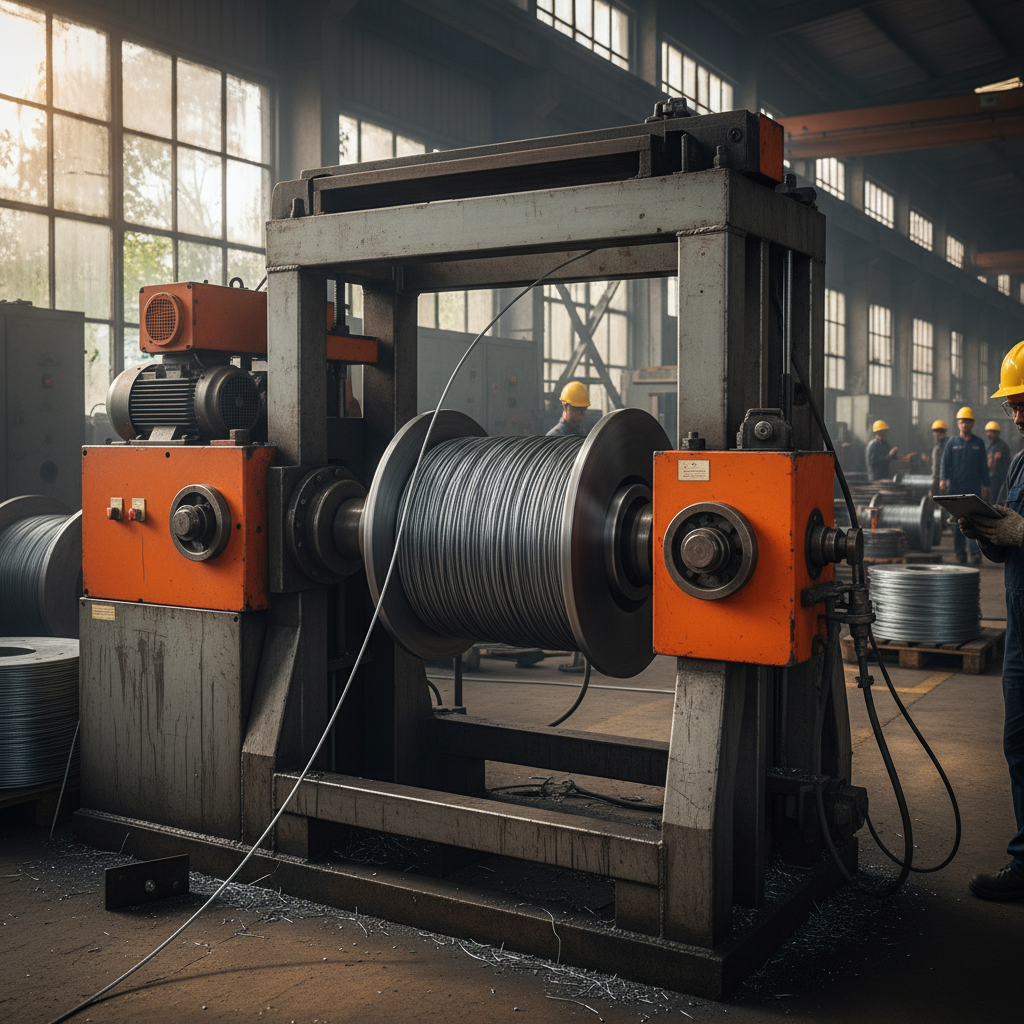
2.2mm galvanized wire is a versatile material finding increasingly critical applications across diverse sectors globally. From agricultural fencing and construction to infrastructure reinforcement and disaster relief, its corrosion resistance, strength, and cost-effectiveness make it an indispensable component in modern infrastructure. Understanding its properties, manufacturing processes, and applications is paramount for engineers, procurement professionals, and anyone involved in building resilient and sustainable structures.
The global demand for 2.2mm galvanized wire is driven by continued infrastructure development in emerging economies, growing awareness of the importance of corrosion protection, and the need for reliable materials in challenging environments. According to the World Steel Association, global steel demand is projected to increase in the coming years, with galvanized steel products representing a significant portion of this growth. This underscores the importance of understanding the nuances of this specific wire gauge for optimal project outcomes.
This comprehensive guide delves into the world of 2.2mm galvanized wire, exploring its characteristics, applications, advantages, and future trends. It serves as an educational resource for professionals seeking to leverage this material for innovative and practical solutions, and aims to highlight its role in addressing critical global challenges.
Introduction to 2.2mm Galvanized Wire
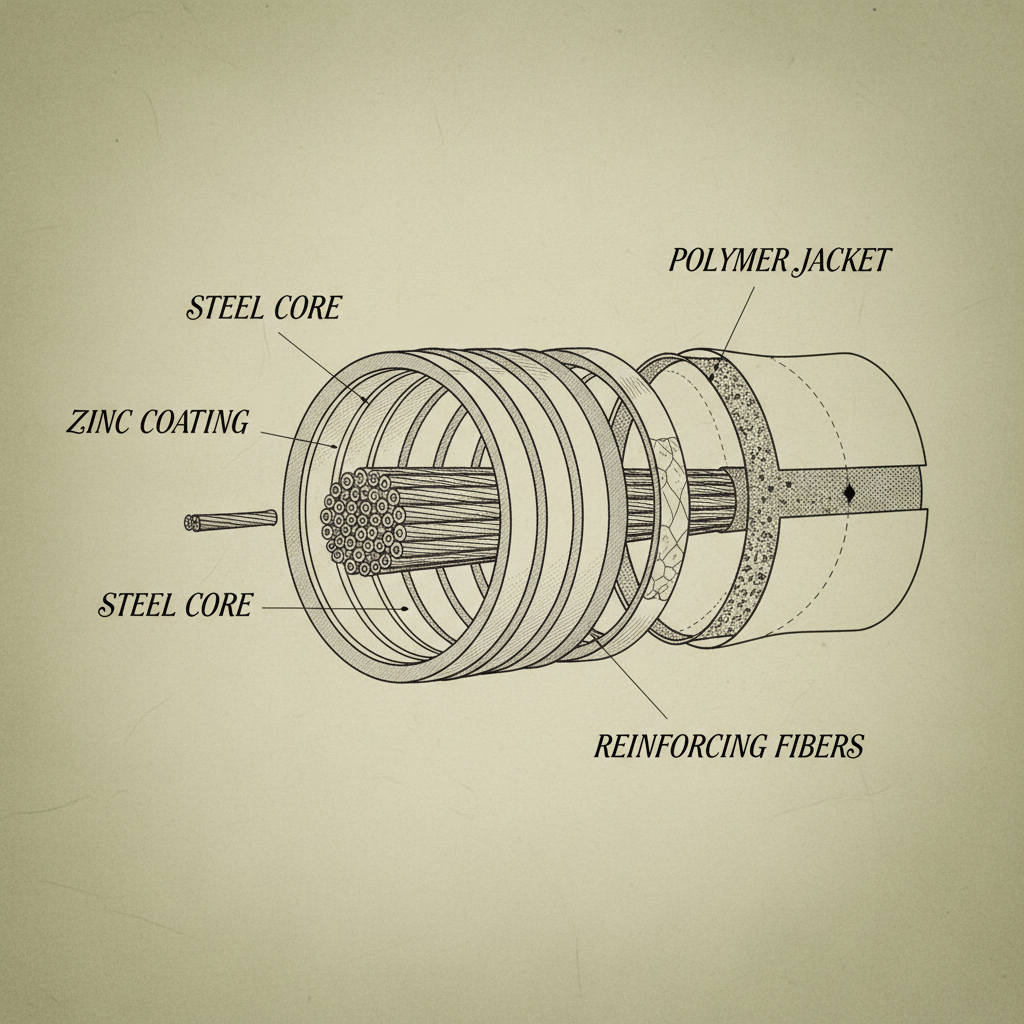
2.2mm galvanized wire represents a specific gauge within the broader family of galvanized steel wires. The “2.2mm” refers to the diameter of the wire, a crucial factor influencing its strength and application suitability. Galvanization, the process of coating steel with zinc, provides exceptional corrosion resistance, making this wire ideal for both indoor and outdoor use.
Its widespread adoption stems from a combination of factors: affordability, ease of handling, and superior performance compared to untreated steel wire. This makes 2.2mm galvanized wire a staple in many industries, contributing to the longevity and reliability of countless structures and products.
Global Relevance and Applications of 2.2mm Galvanized Wire
The global demand for 2.2mm galvanized wire is significantly tied to infrastructure development, particularly in rapidly growing economies. Construction projects, agricultural expansion, and the need for robust fencing solutions all contribute to this demand. Regions experiencing significant population growth and urbanization often see a heightened need for durable and corrosion-resistant materials like this wire.
Furthermore, 2.2mm galvanized wire plays a crucial role in disaster preparedness and relief efforts. Its strength and ease of deployment make it suitable for constructing temporary shelters, securing damaged structures, and creating essential barriers. Organizations like the United Nations and the Red Cross frequently utilize galvanized wire in their humanitarian operations worldwide.
The International Organization for Standardization (ISO) sets standards for galvanized steel products, ensuring quality and performance consistency. Adherence to these standards is vital for maintaining global trade and ensuring the reliability of 2.2mm galvanized wire used in critical applications.
Defining 2.2mm Galvanized Wire
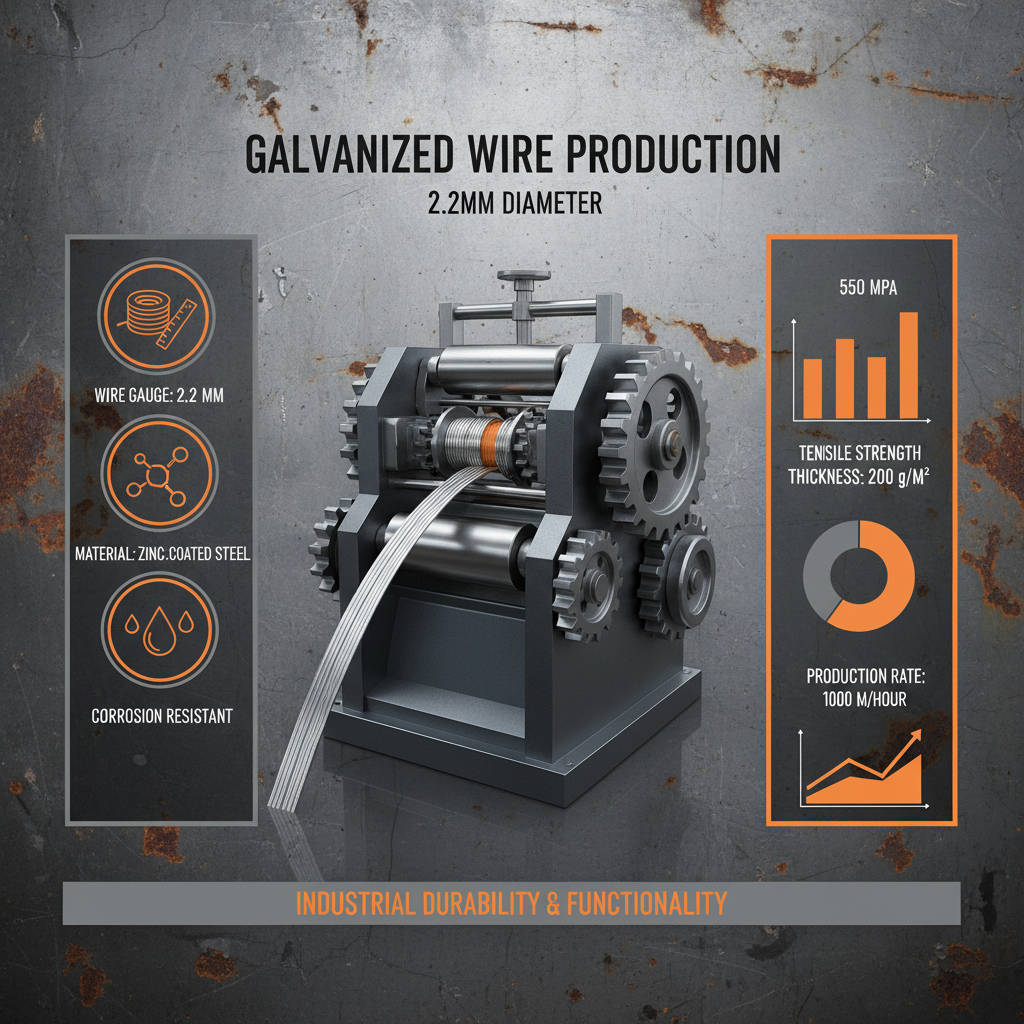
2.2mm galvanized wire is a steel wire with a diameter of 2.2 millimeters that has undergone a galvanization process. This process involves coating the steel with a layer of zinc, creating a metallurgical bond that protects the underlying steel from corrosion. The zinc acts as a sacrificial anode, corroding before the steel itself, thus extending the lifespan of the wire significantly.
This particular gauge – 2.2mm – strikes a balance between strength and flexibility, making it suitable for a wide range of applications. It’s strong enough to provide structural support, yet pliable enough to be easily formed and manipulated. This versatility connects it directly to modern industrial needs and humanitarian requirements alike.
In essence, 2.2mm galvanized wire is not just a building material; it’s a fundamental component in building resilient infrastructure, securing communities, and facilitating recovery in the face of adversity. Its importance extends far beyond its simple construction.
Key Characteristics of 2.2mm Galvanized Wire
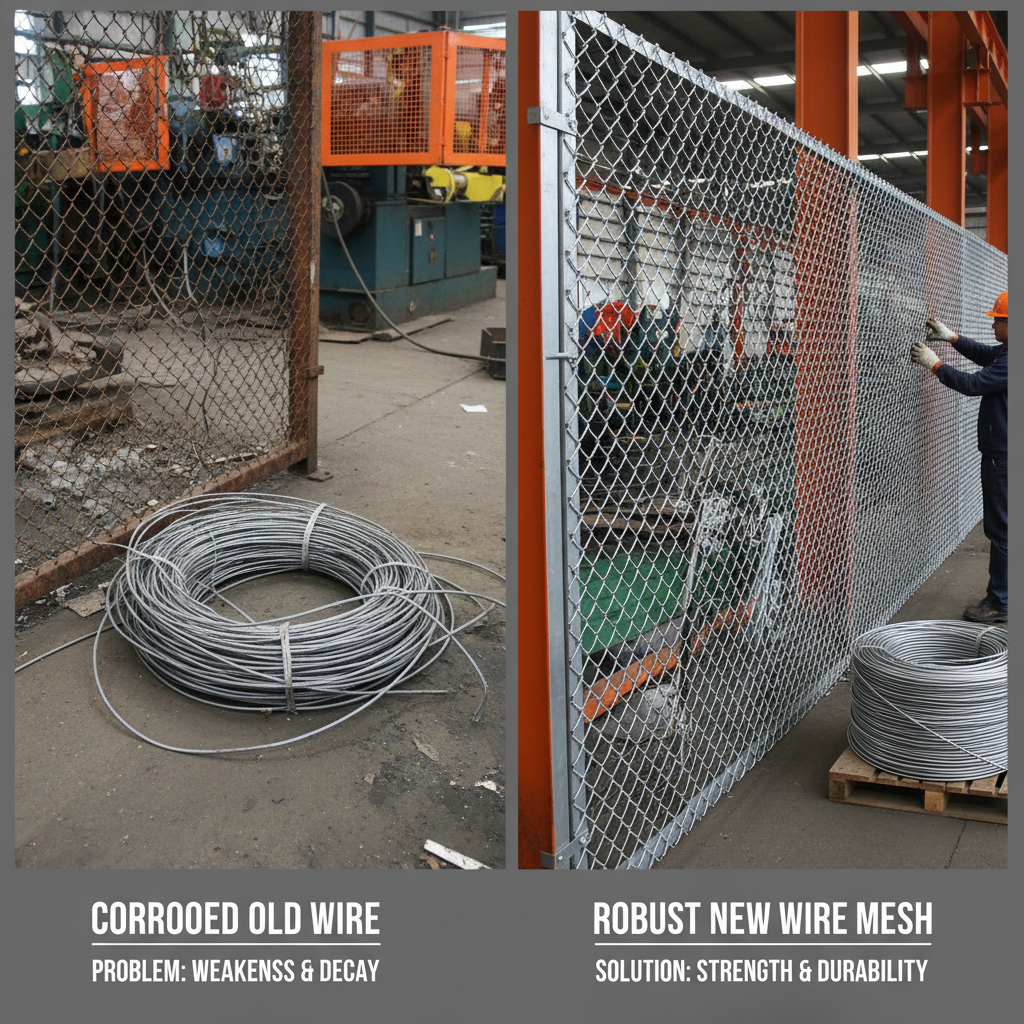
The effectiveness of 2.2mm galvanized wire hinges on several key characteristics. First and foremost is its corrosion resistance. The zinc coating provides a robust barrier against rust and environmental degradation, even in harsh conditions like saltwater exposure. This drastically extends the lifespan of structures and reduces maintenance costs.
Secondly, it boasts considerable tensile strength. The 2.2mm diameter provides enough structural integrity for applications requiring load-bearing capacity, making it suitable for fencing, bracing, and reinforcement. This strength is directly related to the steel grade used in its manufacturing.
Comparative Performance of 2.2mm Galvanized Wire Production Methods
Real-World Applications of 2.2mm Galvanized Wire
In agriculture, 2.2mm galvanized wire is extensively used in the construction of fencing to protect crops and livestock. Its durability ensures long-lasting enclosures that withstand harsh weather conditions and animal pressure. This is particularly critical in regions with challenging climates or large-scale farming operations.
The construction industry relies on 2.2mm galvanized wire for a variety of purposes, including reinforcing concrete, securing formwork, and creating structural supports. Its corrosion resistance is vital in buildings exposed to moisture or saltwater, increasing the lifespan of the structure.
Advantages and Long-Term Value of 2.2mm Galvanized Wire
The primary advantage of using 2.2mm galvanized wire is its exceptional cost-effectiveness. While the initial cost may be slightly higher than untreated steel wire, the significantly extended lifespan and reduced maintenance requirements translate into substantial long-term savings. This is a crucial consideration for projects with limited budgets.
From a sustainability perspective, the durability of galvanized wire reduces the need for frequent replacements, minimizing waste and conserving resources. Moreover, zinc is a recyclable material, further enhancing its environmental profile. The reliability and longevity of structures built with 2.2mm galvanized wire offer peace of mind and increased safety for users.
Future Trends and Innovations in 2.2mm Galvanized Wire
Ongoing research focuses on enhancing the galvanization process to create even more durable and corrosion-resistant coatings. Nano-galvanizing, for instance, explores the use of nanoscale zinc particles to improve coating adhesion and performance. This could extend the lifespan of 2.2mm galvanized wire even further.
The integration of smart technologies, such as sensors embedded within the wire, is also emerging. These sensors could monitor stress levels, corrosion rates, and other critical parameters, providing valuable data for predictive maintenance and structural health monitoring. This is particularly relevant for large-scale infrastructure projects.
Furthermore, advancements in sustainable zinc sourcing and recycling processes are contributing to a more environmentally friendly supply chain for 2.2mm galvanized wire, aligning with the growing global emphasis on circular economy principles.
FAQS
2.2mm galvanized wire is a common choice for agricultural fencing, perimeter security, and livestock enclosures due to its strength and corrosion resistance. It’s used in woven wire fencing, chain-link fencing, and barbed wire. The 2.2mm gauge provides sufficient tensile strength for secure containment, even under pressure from animals or adverse weather. Proper installation is crucial for maximizing its effectiveness.
The galvanization process adds to the initial cost of 2.2mm wire compared to untreated steel. However, this upfront investment is offset by the extended lifespan and reduced maintenance requirements. The zinc coating protects against corrosion, minimizing the need for repairs or replacements. Over the long term, galvanized wire proves more cost-effective due to its durability.
The lifespan of 2.2mm galvanized wire in outdoor applications depends on environmental factors, such as exposure to saltwater, industrial pollutants, and humidity. However, in most general outdoor conditions, it can last 20-50 years with minimal maintenance. Regular inspection and occasional cleaning can further extend its lifespan.
Yes, 2.2mm galvanized wire is well-suited for coastal environments due to its excellent corrosion resistance. However, in highly corrosive marine environments, supplementary protective coatings or thicker galvanization may be recommended to ensure maximum longevity. Regularly rinsing the wire with fresh water can also help to mitigate the effects of salt spray.
The most common types of galvanization for 2.2mm wire include hot-dip galvanizing, electrogalvanizing, and galvanizing by vapor deposition. Hot-dip galvanizing provides the thickest and most durable coating. Electrogalvanizing offers a smoother finish. Galvanizing by vapor deposition is used for specific applications requiring precise coating control.
The gauge, in this case 2.2mm, directly correlates to the wire's cross-sectional area and therefore its tensile strength. A larger gauge (like 2.2mm) indicates a thicker wire, providing greater resistance to breaking under tension. This makes it suitable for applications needing robust structural support, unlike thinner gauges which are more flexible but less strong.
Conclusion
2.2mm galvanized wire stands as a fundamental material in modern construction, agriculture, and infrastructure. Its unique combination of strength, corrosion resistance, and cost-effectiveness makes it a highly valuable asset across a vast spectrum of applications. Understanding its characteristics and utilizing it appropriately contributes to building resilient, sustainable, and long-lasting structures and systems.
Looking ahead, continued innovation in galvanization techniques and the integration of smart technologies will further enhance the performance and value of 2.2mm galvanized wire. By embracing these advancements and prioritizing sustainable practices, we can unlock even greater potential for this versatile material to address global challenges and improve the quality of life for communities worldwide. Visit our website for more information: www.fivestar-metals.com