The Same Product And Company, The Different Quality and Service!
Galvanized chicken wire is a versatile and widely used woven wire mesh, primarily known for its protective applications across diverse industries. From agriculture and construction to crafting and security, its robust nature and cost-effectiveness make it a staple material globally. Understanding its composition, properties, and applications is crucial for professionals and individuals alike, contributing to efficient project planning and durable solutions.
The global demand for galvanized chicken wire is significant, driven by factors such as increasing agricultural production, rapid urbanization, and growing infrastructure development. According to the World Steel Association, global steel production, a key component of galvanization, continues to rise, indicating a steady need for coated wire products like chicken wire. This demand is particularly pronounced in emerging economies experiencing infrastructural growth.
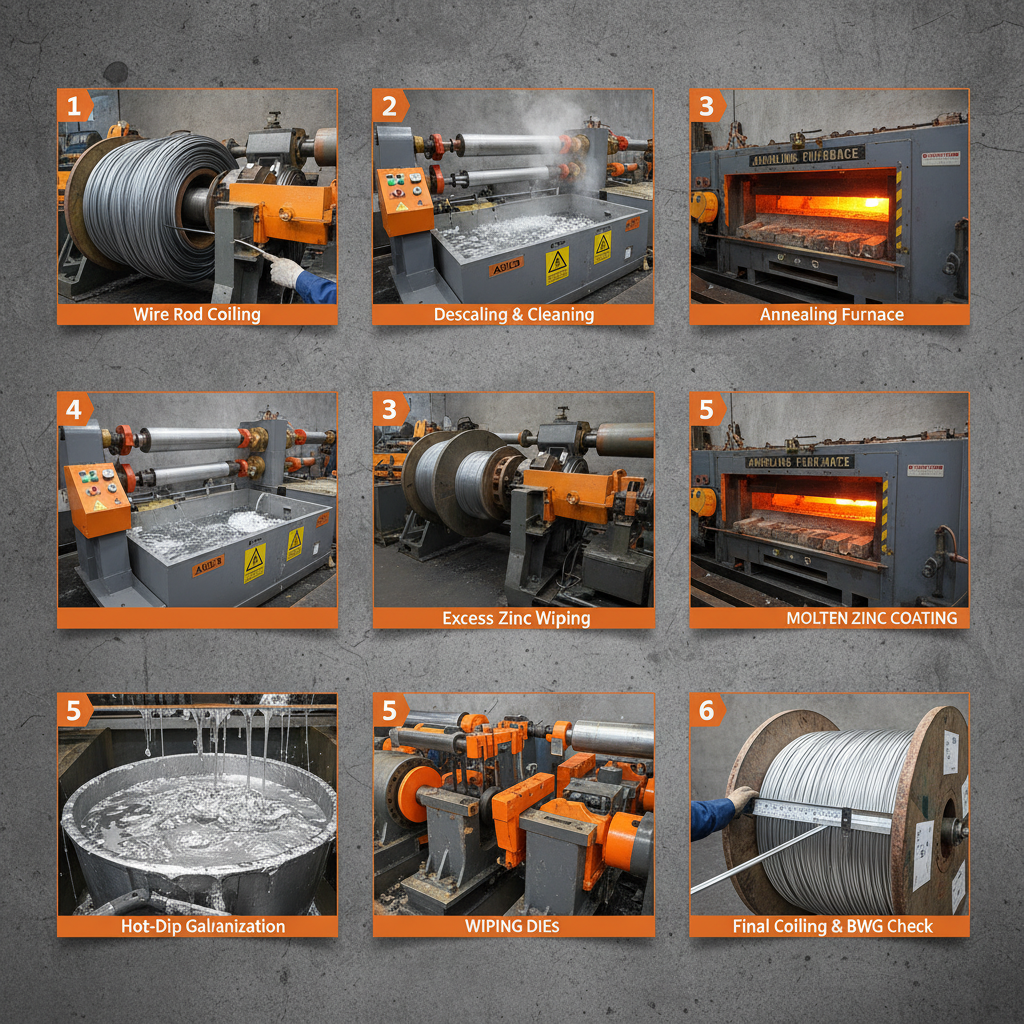
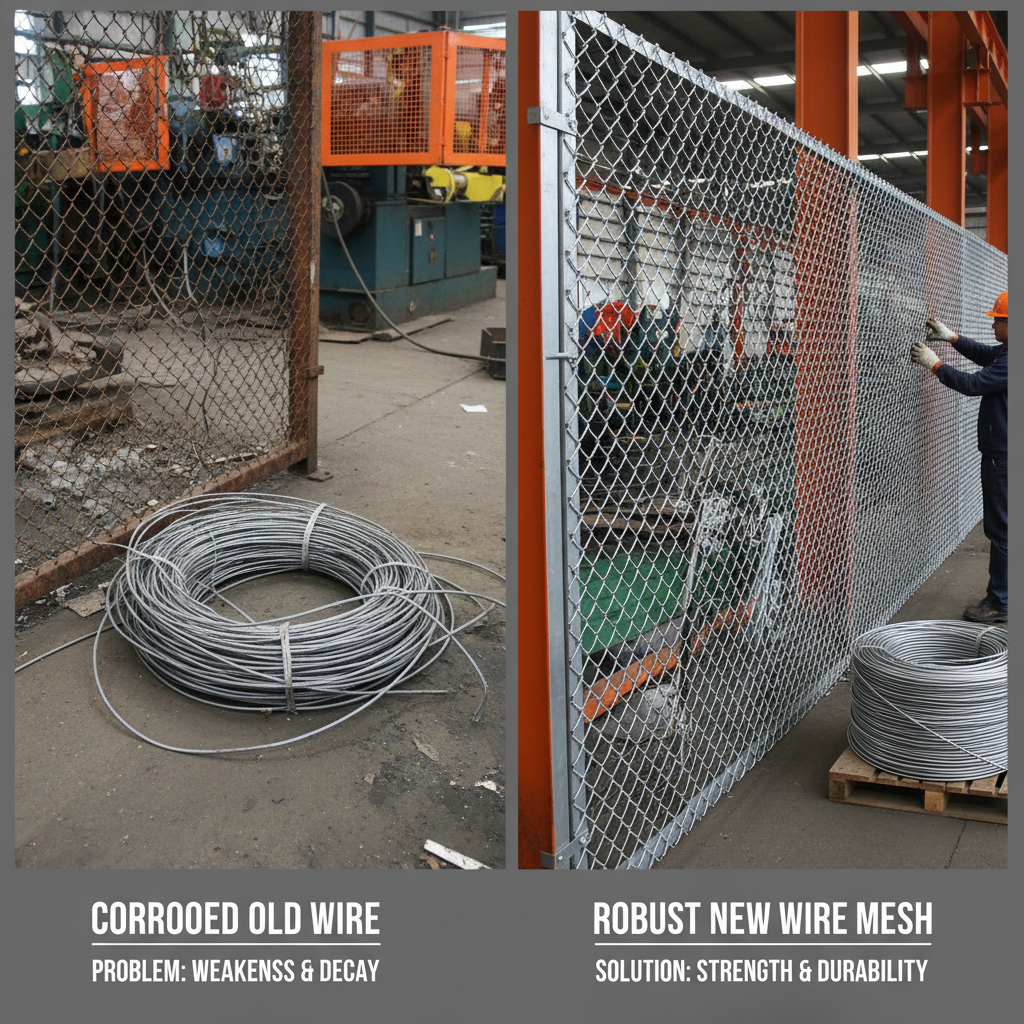
This enduring material addresses critical challenges related to containment, protection, and structural support. The galvanization process – applying a protective zinc coating to steel wire – significantly enhances its resistance to corrosion, extending its lifespan and reducing maintenance costs. This makes galvanized chicken wire an essential component in projects where longevity and reliability are paramount.
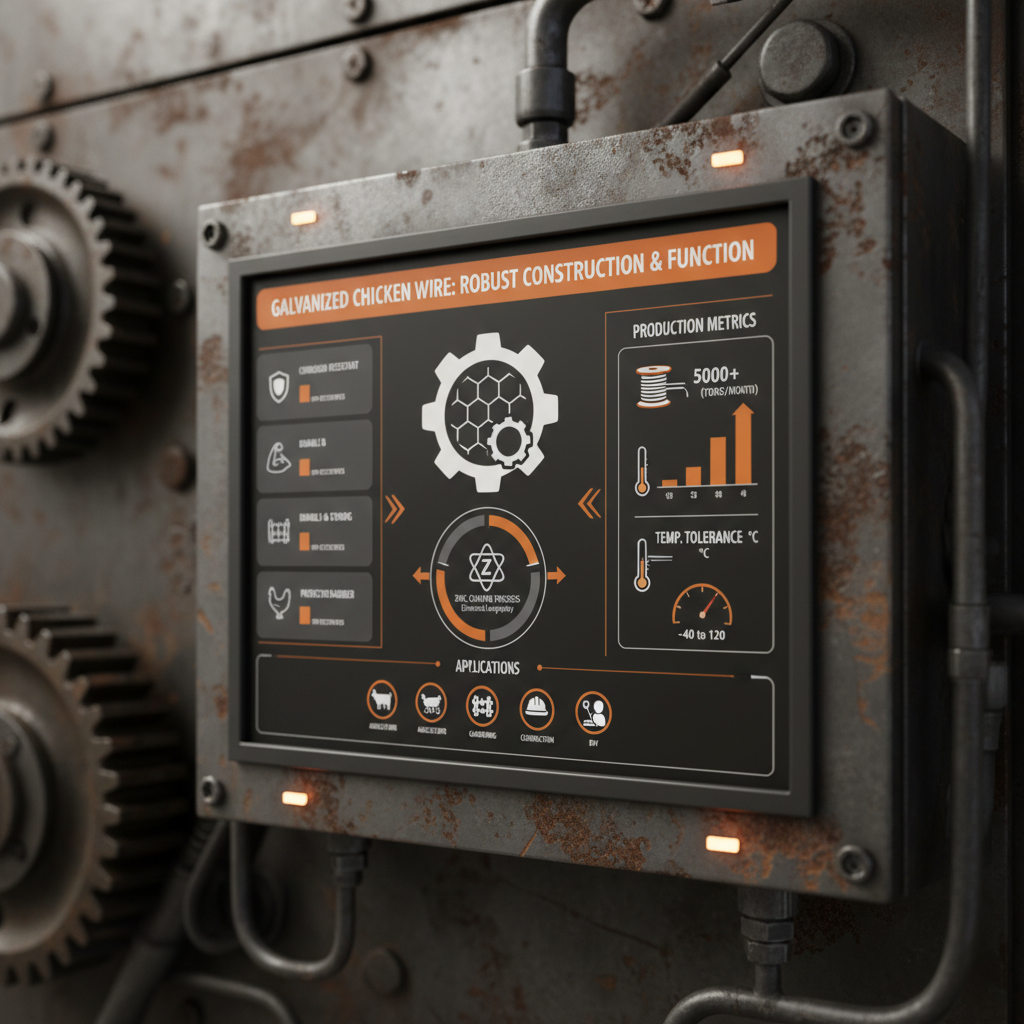
Galvanized chicken wire, fundamentally, is a mesh typically woven from steel wire that has undergone a galvanization process. This involves coating the steel with zinc, providing a protective layer against rust and corrosion. The resulting wire is then woven into a hexagonal pattern, creating a versatile and robust material.
Its connection to modern industry and even humanitarian needs stems from its affordability, ease of use, and durability. It’s widely utilized in construction, agriculture, animal containment, and increasingly in disaster relief scenarios where rapid and effective fencing or shelter components are needed. The availability of galvanized chicken wire directly impacts numerous industries and communities.
The lifespan of galvanized chicken wire in agricultural settings varies depending on factors like climate, soil conditions, and coating thickness. However, with a standard hot-dip galvanized coating, you can generally expect 10-20 years of service. Areas with high salinity or acidic soil may experience shorter lifespans, requiring more frequent inspection and potential replacement. Properly maintaining the surrounding environment and avoiding physical damage will contribute to a longer lifespan.
Hot-dip galvanizing generally provides superior corrosion resistance compared to electrogalvanizing. This is due to the thicker zinc coating achieved in the hot-dip process, which offers greater sacrificial protection. Electrogalvanizing produces a thinner, more uniform coating, making it suitable for applications where appearance is critical and corrosion exposure is moderate. Hot-dip is preferable where long-term durability in harsh conditions is paramount.
Yes, galvanized chicken wire can be painted or powder-coated, but proper surface preparation is crucial. The galvanized surface must be thoroughly cleaned and etched to ensure good adhesion. Using a zinc-rich primer is highly recommended to maintain the galvanic protection. Avoid applying coatings that could trap moisture and accelerate corrosion underneath.
Galvanized chicken wire can be cut using wire cutters or tin snips. Wear gloves and eye protection during cutting, as the wire can be sharp. Joining sections can be done by twisting the wires together, using hog rings, or employing specialized wire joining tools. Ensure the joins are secure and provide adequate structural integrity.
Generally, galvanized chicken wire is considered safe for use around edible plants, as the zinc coating is not readily absorbed by plants. However, there's a very small potential for zinc leaching, especially in acidic soils. Using a thicker coating and avoiding direct contact between the wire and edible parts of the plants can minimize any risk.
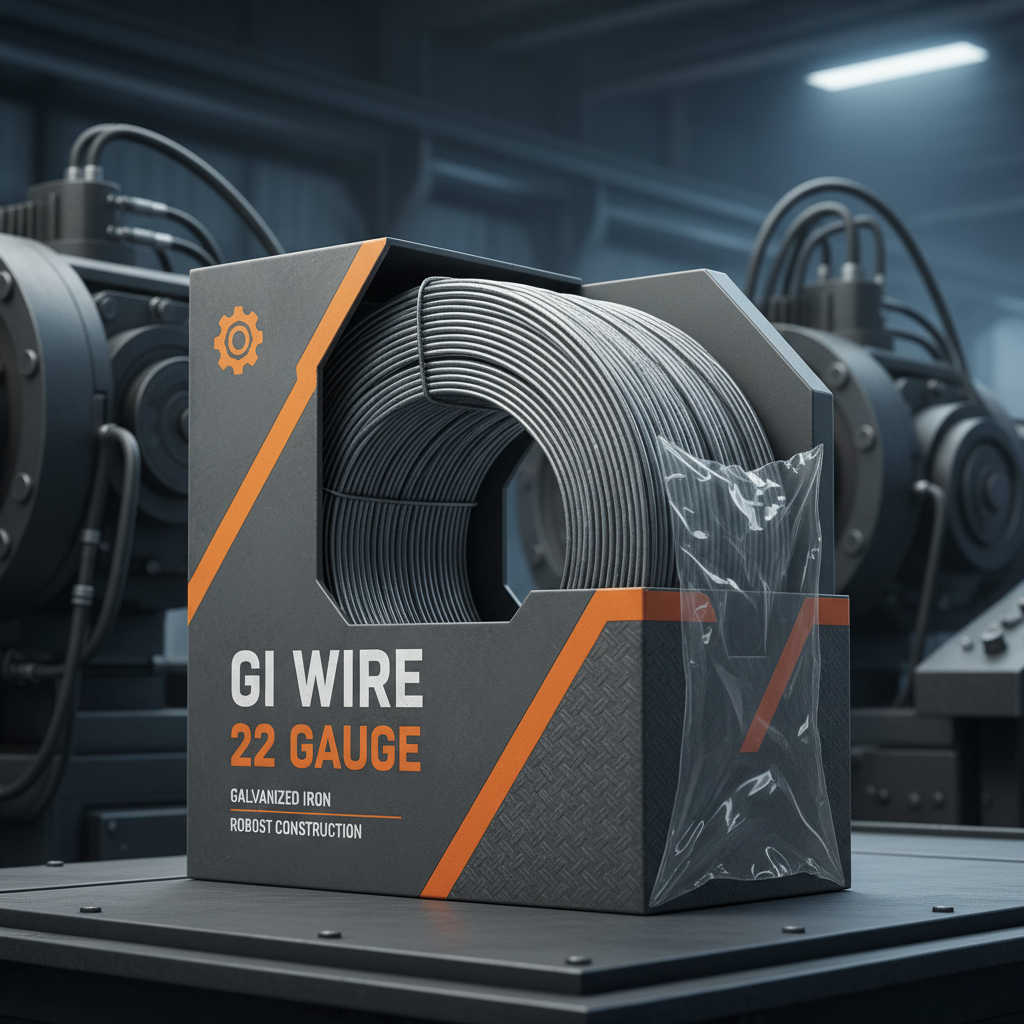
The gauge of chicken wire (its thickness) is a crucial factor in determining its strength and suitability for specific applications. Lower gauge numbers indicate thicker, stronger wire. For example, 19-gauge wire is considerably stronger than 28-gauge. Thicker wire is ideal for applications requiring significant strength, like animal containment or heavy-duty fencing, while thinner wire is suitable for lighter applications like garden netting or crafting projects.
Galvanized chicken wire remains a remarkably versatile and essential material across a multitude of industries. Its combination of affordability, durability, and corrosion resistance ensures its continued relevance in agricultural, construction, security, and even creative applications. The galvanization process itself is a cornerstone of its longevity, providing a crucial barrier against the elements.
Looking ahead, continued innovation in coating technologies, weaving techniques, and sustainable manufacturing practices will further enhance the performance and environmental footprint of galvanized chicken wire. By understanding its core properties, advantages, and emerging trends, individuals and professionals can leverage this material to create lasting and reliable solutions for a wide range of challenges. Visit our website at www.fivestar-metals.com for all your galvanized chicken wire needs.