The Same Product And Company, The Different Quality and Service!
galvanized wire 6mm is a versatile material vital across numerous industries globally. Its protective zinc coating prevents corrosion, making it indispensable for construction, agriculture, and manufacturing. The demand for galvanized wire 6mm is consistently high, driven by infrastructural developments in emerging economies and the need for durable, long-lasting materials in diverse applications. Understanding its properties and uses is crucial for professionals and stakeholders alike.
The global market for galvanized wire, including the 6mm variant, is significant. Reports from organizations like the World Steel Association demonstrate a continuous upward trend in steel wire production, with galvanized wire representing a substantial portion. This growth is fueled by the need for cost-effective corrosion protection in a variety of environments. The challenge lies in balancing increasing demand with sustainable production practices and ensuring consistent quality.
galvanized wire 6mm plays a critical role in addressing infrastructure needs, especially in developing nations. It facilitates everything from fencing and cable stays to reinforcement in concrete structures and protective cages. Its affordability and ease of use make it a practical solution for diverse projects, contributing to economic growth and improved quality of life.
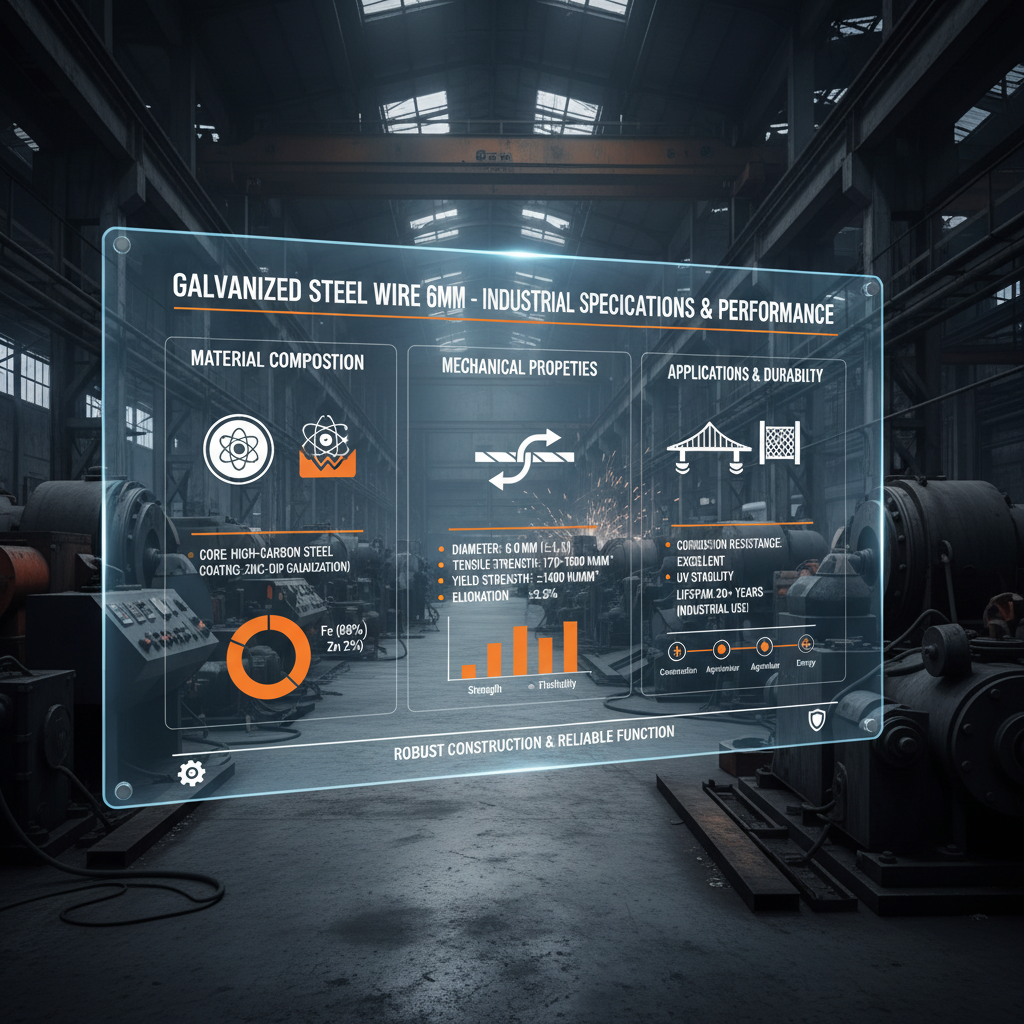
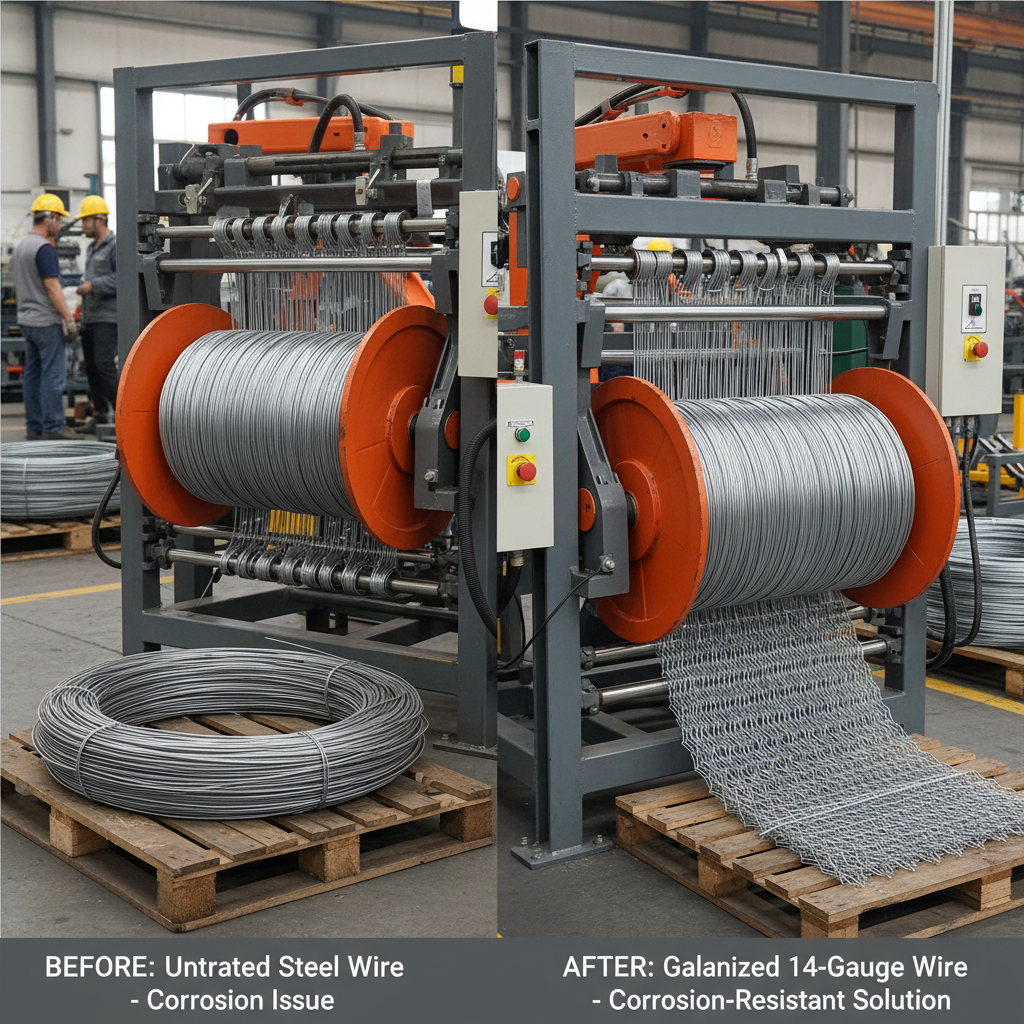
galvanized wire 6mm is a widely used material in a range of applications, distinguished by its steel core coated with a protective layer of zinc. This coating provides excellent resistance to corrosion, making it ideal for both indoor and outdoor use. Its 6mm diameter provides a good balance of strength and flexibility, catering to diverse project requirements.
The production process involves applying zinc through hot-dip galvanization, electrogalvanization, or other methods, resulting in a durable, reliable material. The quality of the zinc coating is critical to the longevity and performance of the wire, and adherence to industry standards like ISO ensures consistent quality and performance.
The lifespan of galvanized wire 6mm in outdoor applications varies depending on environmental conditions. However, in most moderate environments, it can last between 20 to 50 years. Factors such as exposure to salt spray, industrial pollutants, and the thickness of the zinc coating significantly affect its longevity. Regular inspection and occasional maintenance can extend its lifespan.
The thickness of the zinc coating is directly proportional to the level of corrosion resistance. A thicker coating provides a greater barrier against corrosive elements, resulting in a longer service life. Coatings are typically measured in weight per unit area (e.g., grams per square meter) and are categorized into different classes based on their thickness. Selecting the appropriate coating thickness is crucial for specific environmental conditions.
Yes, galvanized wire 6mm can be painted or powder coated, but proper surface preparation is essential. The galvanized surface must be thoroughly cleaned and etched to ensure good adhesion of the coating. Applying a zinc-rich primer before the topcoat is recommended for enhanced corrosion protection. It's crucial to use coatings compatible with galvanized steel to avoid adverse reactions.
galvanized wire 6mm is widely used in agriculture for fencing to contain livestock, protect crops from animals, and establish boundaries. It's also used for supporting trellises, constructing poultry cages, and creating netting for shade structures. Its durability and resistance to corrosion make it ideal for the harsh outdoor environment of agricultural settings.
Galvanized wire 6mm is generally considered environmentally friendly due to the recyclability of both steel and zinc. Zinc is a naturally occurring element, and galvanized steel can be readily recycled at the end of its service life. However, the galvanization process itself can generate some waste, and responsible manufacturers prioritize minimizing environmental impact through waste management practices and efficient resource utilization.
When working with galvanized wire 6mm, wear appropriate personal protective equipment (PPE), including gloves, safety glasses, and a dust mask. Cutting or bending the wire can create sharp edges, so handle it with care. Avoid inhaling zinc fumes during welding or cutting operations. Ensure adequate ventilation in the work area and follow all relevant safety guidelines.
In summary, galvanized wire 6mm is a versatile and essential material offering superior corrosion resistance, strength, and cost-effectiveness. Its widespread applications across agriculture, construction, telecommunications, and various other industries underscore its importance in modern infrastructure and manufacturing. Understanding its properties and the factors influencing its performance is critical for professionals seeking durable, reliable solutions.
Looking ahead, continued innovation in galvanization techniques, combined with a focus on sustainable production practices, will further enhance the value and environmental compatibility of galvanized wire 6mm. We encourage you to explore the possibilities and discover how this material can contribute to the success of your projects. Visit our website at www.fivestar-metals.com to learn more about our galvanized wire 6mm products and services.