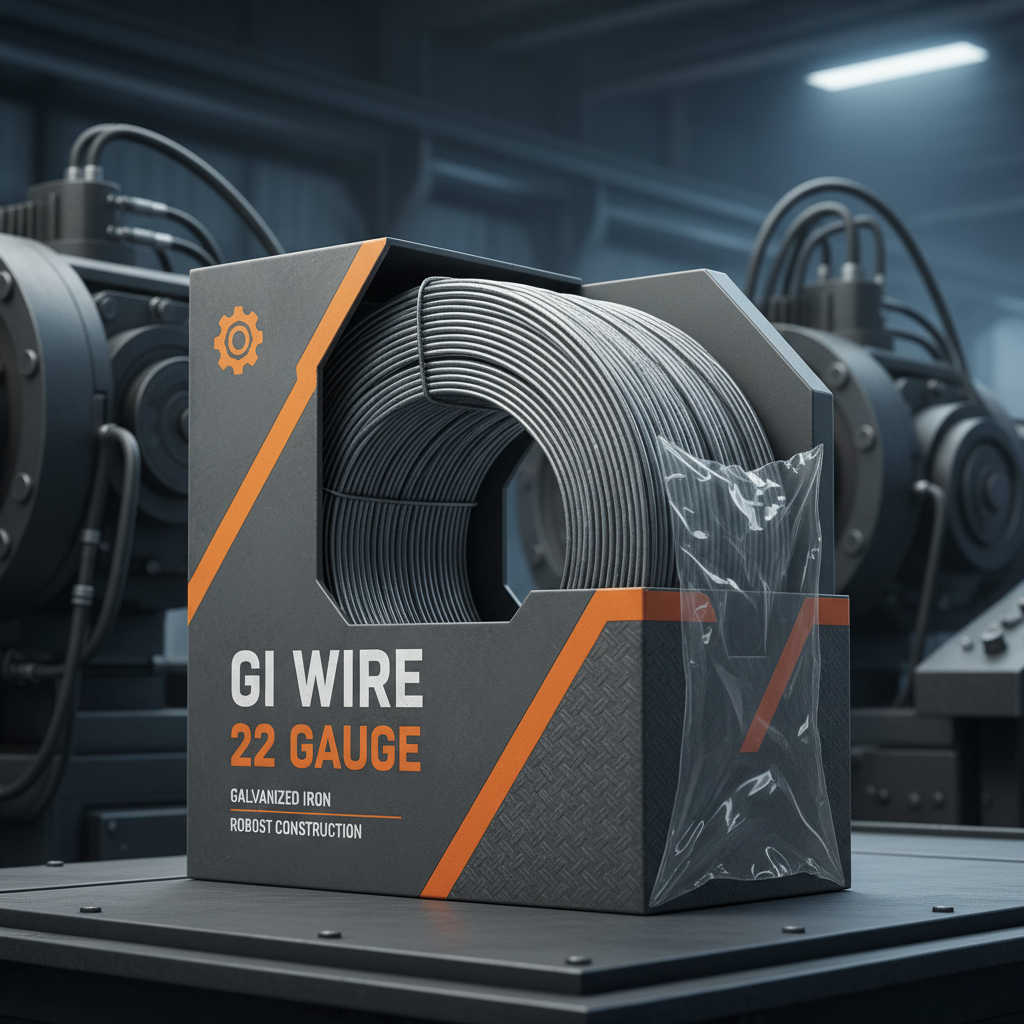
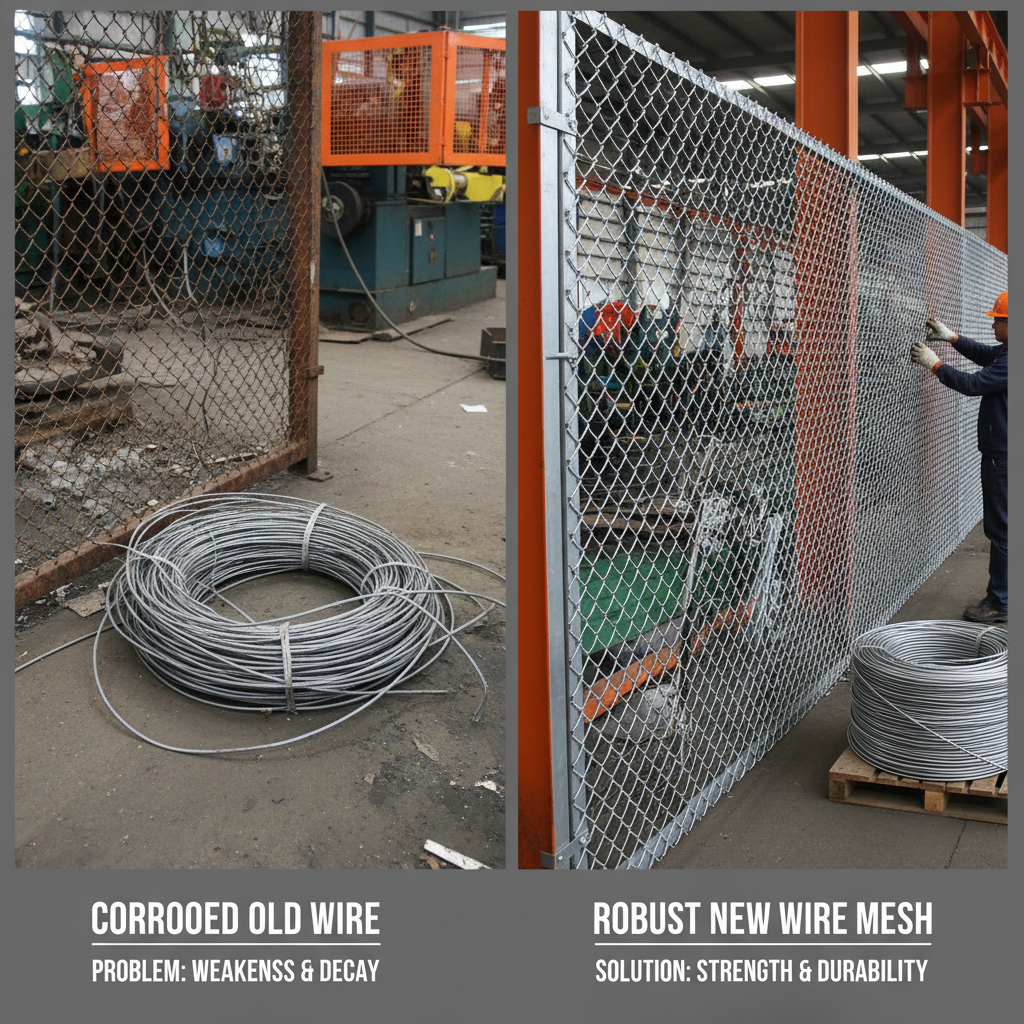
GI wire 22 gauge, or galvanized iron wire with a diameter of 22 gauge, represents a critical component in various industries, from construction and agriculture to manufacturing and security. Its widespread use stems from its robust corrosion resistance, achieved through the galvanization process—coating the iron wire with a protective layer of zinc. This makes it ideal for applications exposed to the elements, significantly extending its lifespan and reducing maintenance costs. Understanding the specifications and applications of gi wire 22 gauge is crucial for engineers, procurement professionals, and end-users alike.
The demand for gi wire 22 gauge is fueled by global infrastructure development and the need for durable, cost-effective materials. Emerging economies, in particular, are driving growth in sectors reliant on this wire, such as fencing, construction, and agricultural support systems. According to recent market reports, the galvanized wire market is projected to continue its upward trajectory, demonstrating the enduring importance of this material. However, challenges related to raw material costs and environmental regulations are prompting innovation in manufacturing processes and the exploration of alternative coating technologies.
Essentially, gi wire 22 gauge serves as a foundational material for countless applications. Its ability to provide strong, reliable support and containment makes it an indispensable element in modern construction, agriculture, and security systems, contributing to infrastructure resilience and overall economic growth. Its availability and affordability further solidify its position as a preferred choice in many applications.
The Importance of GI Wire 22 Gauge in Modern Industry
GI wire 22 gauge is a workhorse material in numerous industries, acting as a vital connecting element across a spectrum of applications. Its affordability and ease of use, combined with its corrosion resistance, make it an attractive option for large-scale projects. For example, in the construction industry, it’s commonly used for reinforcing concrete, securing formwork, and creating durable fencing solutions.
Beyond construction, gi wire 22 gauge plays a critical role in agriculture, where it’s used in vineyard trellises, poultry fencing, and general farm repairs. The wire’s galvanized coating protects it from the harsh outdoor environment, ensuring long-lasting performance even in challenging conditions. This makes it a sustainable and cost-effective solution for farmers looking to build robust and enduring agricultural infrastructure.
Defining GI Wire 22 Gauge: A Technical Overview
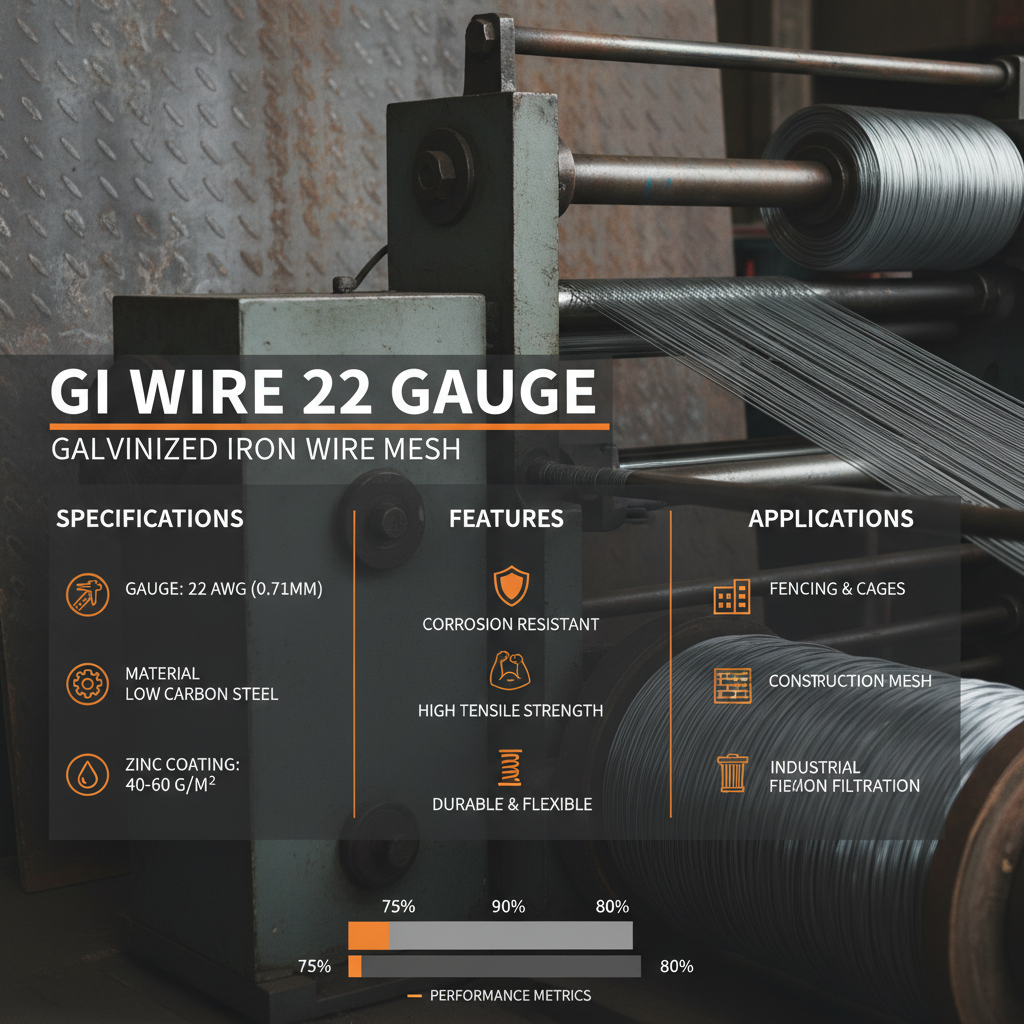
GI wire 22 gauge refers to a low-carbon steel wire that has been coated with a layer of zinc through a process known as galvanization. The “22 gauge” designation signifies the wire's diameter, with a lower gauge number indicating a thicker wire. Specifically, 22 gauge wire has a diameter of approximately 0.028 inches or 0.71 millimeters. This specific gauge provides a balance between strength, flexibility, and cost-effectiveness.
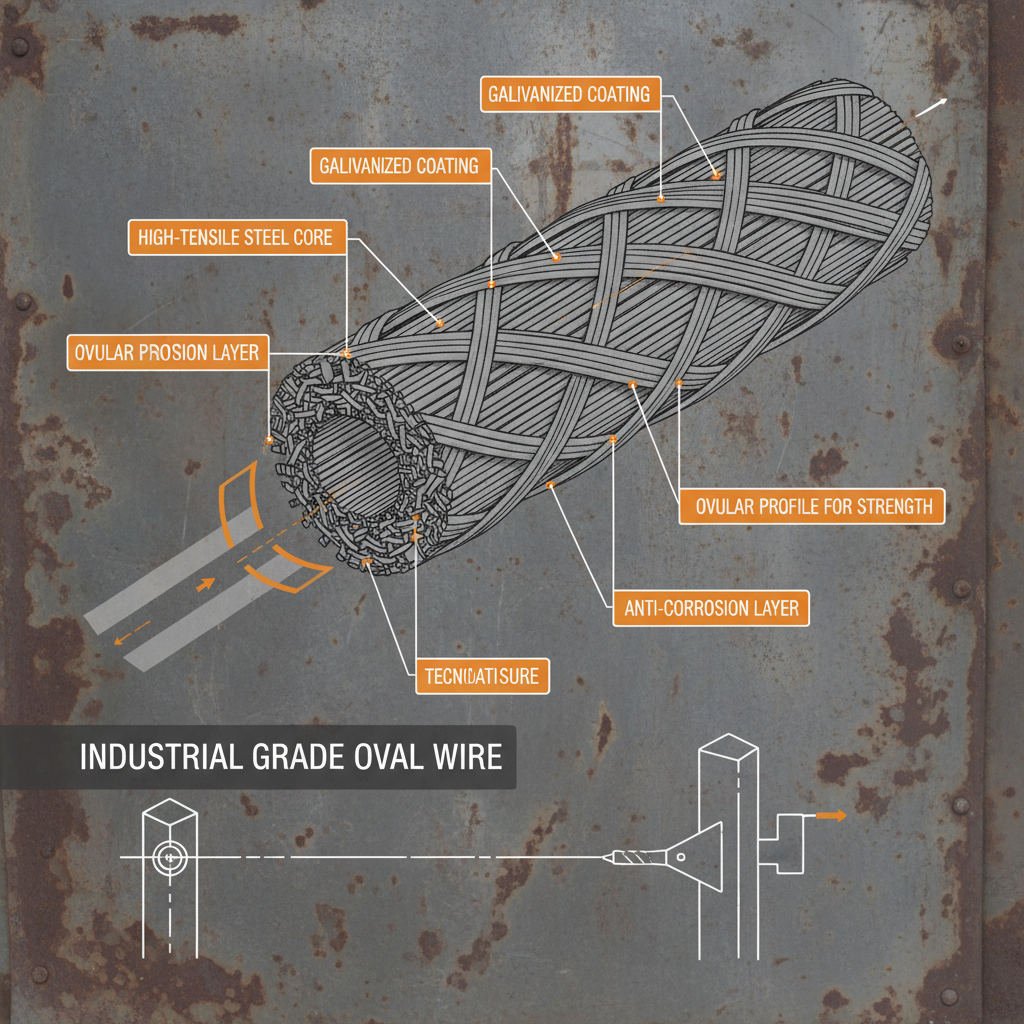
The galvanization process is critical to the wire’s performance. Zinc acts as a sacrificial anode, corroding before the underlying steel. This protective mechanism prevents rust and significantly extends the wire's service life, even in corrosive environments. Different galvanization methods, such as hot-dip galvanizing and electro-galvanizing, offer varying levels of zinc coating thickness and corrosion resistance.
Understanding the technical specifications of gi wire 22 gauge – including its tensile strength, elongation percentage, and zinc coating weight – is essential for selecting the appropriate wire for a given application. These parameters ensure that the wire meets the required performance standards and provides the desired level of durability and reliability.
Core Properties and Characteristics of GI Wire 22 Gauge
The defining characteristic of gi wire 22 gauge is its exceptional corrosion resistance. This is directly attributable to the zinc coating which, as mentioned earlier, acts as a barrier against moisture and atmospheric elements. This characteristic extends the lifespan of structures and components utilizing this wire, minimizing replacement and maintenance costs. The performance in coastal regions or industrial environments with high salt content is significantly improved compared to uncoated steel wire.
Beyond corrosion resistance, gi wire 22 gauge exhibits good tensile strength, enabling it to withstand significant pulling forces without breaking. This is critical in applications like fencing and binding, where the wire must maintain its integrity under stress. Its malleability also allows for easy shaping and bending, making it adaptable to various construction and manufacturing needs. The wire’s relatively low cost further contributes to its popularity.
Furthermore, gi wire 22 gauge is relatively lightweight, making it easy to handle and install. This characteristic reduces labor costs and simplifies construction processes. While not as strong as thicker gauge wires, its balance of strength, flexibility, and affordability makes it an ideal choice for a wide range of general-purpose applications.
Real-World Applications of GI Wire 22 Gauge
One of the most common applications of gi wire 22 gauge is in the construction of fences, particularly chain-link fences and barbed wire. Its resistance to weathering ensures long-lasting perimeter security for residential, commercial, and agricultural properties. It’s also widely used in tying rebar within concrete structures, providing essential reinforcement and stability.
In agriculture, gi wire 22 gauge is frequently used for constructing vineyard trellises, supporting climbing plants, and creating protective enclosures for livestock. The wire's durability ensures it can withstand the elements and the weight of growing vegetation. Its use in poultry netting helps contain birds and protect them from predators.
GI Wire 22 Gauge Application Breakdown
Advantages and Long-Term Value Proposition
The primary advantage of gi wire 22 gauge lies in its cost-effectiveness. Compared to other materials like stainless steel or aluminum, it offers a significantly lower initial investment without compromising on essential performance characteristics. This makes it an attractive option for projects with budgetary constraints.
Its longevity is another key benefit. The galvanized coating protects the steel from rust and corrosion, extending its service life and reducing the need for frequent replacements. This translates into long-term cost savings and minimizes downtime associated with maintenance and repairs. The reduced maintenance demands also contribute to a lower total cost of ownership.
Future Trends and Technological Advancements
Ongoing research is focused on improving the galvanization process to enhance corrosion resistance and reduce environmental impact. New coating technologies, such as zinc-aluminum alloys, are being explored to provide even greater protection against corrosion and extend the lifespan of gi wire 22 gauge.
Furthermore, advancements in automated wire drawing and coating processes are leading to increased production efficiency and lower manufacturing costs. These innovations are making gi wire 22 gauge even more competitive in the global market. Digitalization and data analytics are also playing a role in optimizing production processes and improving quality control.
The integration of smart sensors and monitoring systems is another emerging trend. These systems can track the performance of gi wire 22 gauge in real-time, providing valuable insights into its condition and predicting potential failures. This proactive approach can help prevent costly downtime and ensure the long-term reliability of structures and components utilizing this wire.
Challenges and Solutions in GI Wire 22 Gauge Utilization
One of the primary challenges associated with gi wire 22 gauge is the potential for hydrogen embrittlement during the galvanization process. This can lead to a reduction in the wire's ductility and tensile strength. To mitigate this risk, manufacturers employ techniques such as baking and the use of inhibitors to remove hydrogen from the wire.
Another challenge is the environmental impact of the galvanization process, which can generate wastewater containing zinc and other heavy metals. To address this, manufacturers are implementing closed-loop systems to recycle and reuse wastewater, minimizing pollution and reducing resource consumption. Adoption of more sustainable galvanization methods is also becoming increasingly important.
Finally, ensuring consistent quality control throughout the manufacturing process is crucial. Regular testing and inspection of the wire's dimensions, coating thickness, and mechanical properties are essential to ensure it meets the required performance standards. Implementation of robust quality management systems, such as ISO 9001, can help address this challenge.
Summary of Challenges and Solutions for GI Wire 22 Gauge
| Challenge |
Impact on GI Wire 22 Gauge |
Solution |
Effectiveness (1-10) |
| Hydrogen Embrittlement |
Reduced ductility and tensile strength |
Baking & Inhibitors |
9 |
| Environmental Impact of Galvanization |
Wastewater containing heavy metals |
Closed-Loop Recycling Systems |
8 |
| Inconsistent Coating Thickness |
Variable corrosion resistance |
Automated Coating Control |
7 |
| Raw Material Cost Fluctuations |
Price volatility and profitability |
Strategic Sourcing & Contracts |
6 |
| Quality Control Issues |
Non-conforming products and customer dissatisfaction |
ISO 9001 Implementation |
8 |
| Limited Strength Compared to Other Materials |
Not suitable for high-stress applications |
Proper Application Selection |
7 |
FAQS
The lifespan of structures utilizing gi wire 22 gauge can vary significantly based on environmental conditions and the quality of the galvanization process. However, with proper coating and maintenance, it can typically last between 20 to 50 years, even in moderately corrosive environments. Regular inspection and re-coating when necessary can further extend its service life.
While gi wire 22 gauge offers corrosion resistance, it's generally not recommended for direct and continuous immersion in saltwater. The marine environment is particularly aggressive, and even galvanized steel can corrode over time. For marine applications, materials like stainless steel or specialized marine-grade coatings are more suitable. However, gi wire 22 gauge can be used in some marine applications if adequately protected.
Hot-dip galvanizing involves immersing the steel wire in a bath of molten zinc, resulting in a thicker, more durable coating. Electro-galvanizing uses an electric current to deposit a thinner layer of zinc. Hot-dip galvanizing generally provides superior corrosion resistance, but electro-galvanizing offers a smoother finish and tighter tolerances. The choice depends on the specific application requirements.
High temperatures can potentially affect the zinc coating of gi wire 22 gauge. Extremely high temperatures can cause the zinc to melt or become brittle. However, under normal operating conditions, temperature fluctuations typically don’t significantly impact the wire's performance. If the wire is exposed to very high temperatures, consider using a heat-resistant coating or alternative materials.
Galvanizing, while offering a long-lasting product, does have some environmental considerations regarding the use of zinc and the potential for wastewater generation. However, modern galvanizing facilities employ closed-loop systems and responsible waste management practices to minimize their environmental impact. Furthermore, the durability of gi wire 22 gauge reduces the need for frequent replacements, contributing to resource conservation.
When working with gi wire 22 gauge, it's important to wear appropriate personal protective equipment (PPE), including gloves and eye protection, to prevent cuts and abrasions. Be cautious when cutting or bending the wire, as sharp edges can be created. Proper ventilation is also recommended when welding or applying heat to galvanized steel to avoid inhaling zinc fumes.
Conclusion
In conclusion, gi wire 22 gauge remains a foundational material across diverse industries due to its robust corrosion resistance, affordability, and versatility. From construction and agriculture to security applications, its ability to provide durable and reliable support makes it an indispensable component in numerous projects. Understanding its properties, applications, and potential challenges is vital for maximizing its value and ensuring long-term performance.
Looking ahead, continued innovation in galvanization technologies and sustainable manufacturing practices will further enhance the benefits of gi wire 22 gauge. Its adaptability to emerging trends like smart infrastructure and digital monitoring systems positions it for continued relevance in the future. For reliable and high-quality gi wire 22 gauge solutions, gi wire 22 gauge, visit our website today.