Cold drawn galvanized wire plays a crucial role in modern infrastructure and various industrial applications globally. Its unique combination of strength, corrosion resistance, and cost-effectiveness makes it indispensable for projects ranging from construction and agriculture to telecommunications and security. Understanding its properties and applications is essential for engineers, builders, manufacturers, and anyone involved in projects where durability and longevity are paramount. The demand for cold drawn galvanized wire continues to grow alongside increasing infrastructure development worldwide.
The significance of cold drawn galvanized wire extends beyond mere structural support. It enables safer, more reliable systems in critical applications like power transmission, fencing, and cable support. Its relatively low environmental impact, compared to some alternative materials, also contributes to sustainable development efforts. Addressing challenges related to production efficiency and quality control will be vital to meeting the escalating global demand for this versatile material.
Ultimately, a thorough understanding of cold drawn galvanized wire’s capabilities empowers informed decision-making, leading to more resilient, cost-effective, and sustainable solutions across diverse industries. The continued refinement of its manufacturing processes and exploration of new applications promise even greater benefits in the future.
The Importance of Cold Drawn Galvanized Wire
The widespread adoption of cold drawn galvanized wire stems from its ability to provide a robust and long-lasting solution across a multitude of applications. Its superior corrosion resistance, compared to bare steel wire, significantly extends the lifespan of structures and components, reducing maintenance costs and ensuring safety. This makes it particularly valuable in harsh environments and critical infrastructure projects.
Furthermore, the cold drawing process enhances the wire’s tensile strength and dimensional accuracy, allowing for precise engineering and reliable performance. This combination of properties contributes to its increasing use in demanding applications where failure is not an option, such as high-security fencing, suspension cables, and agricultural structures.
Defining Cold Drawn Galvanized Wire
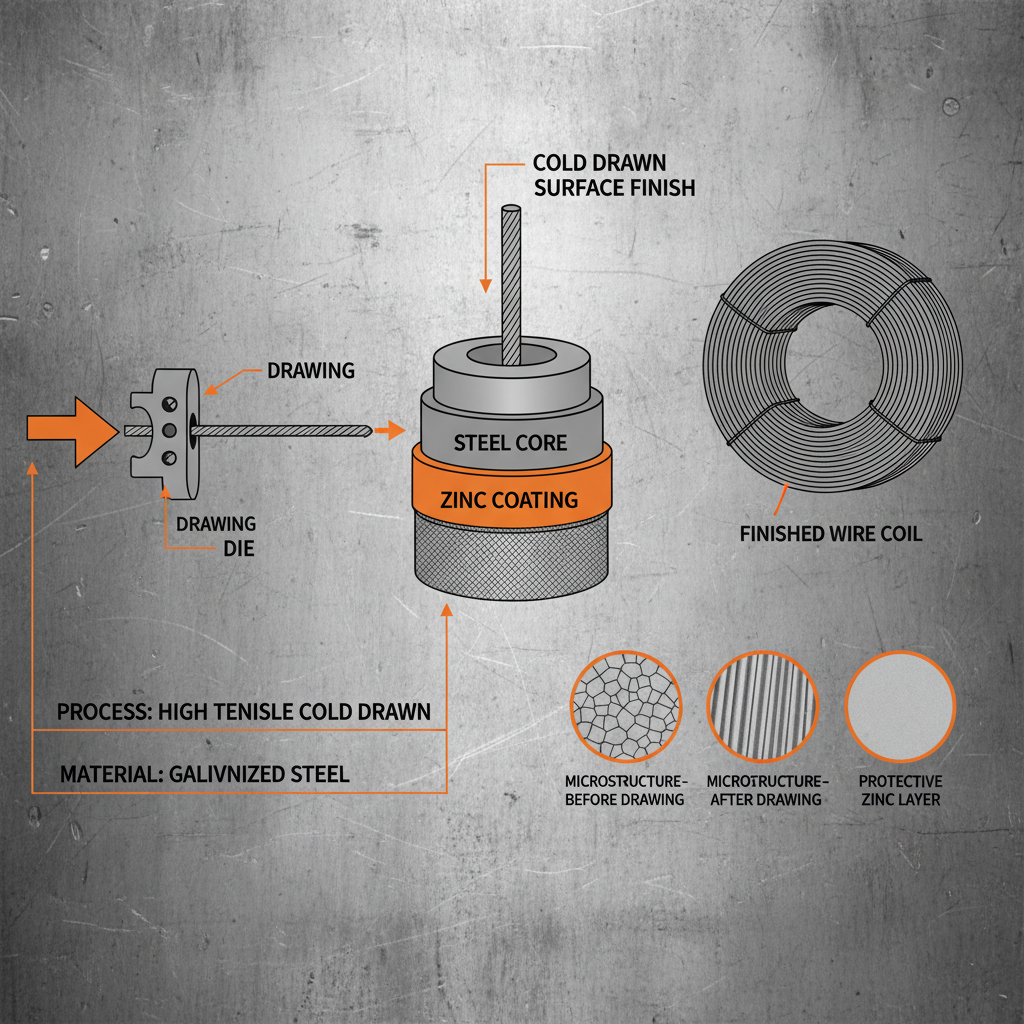
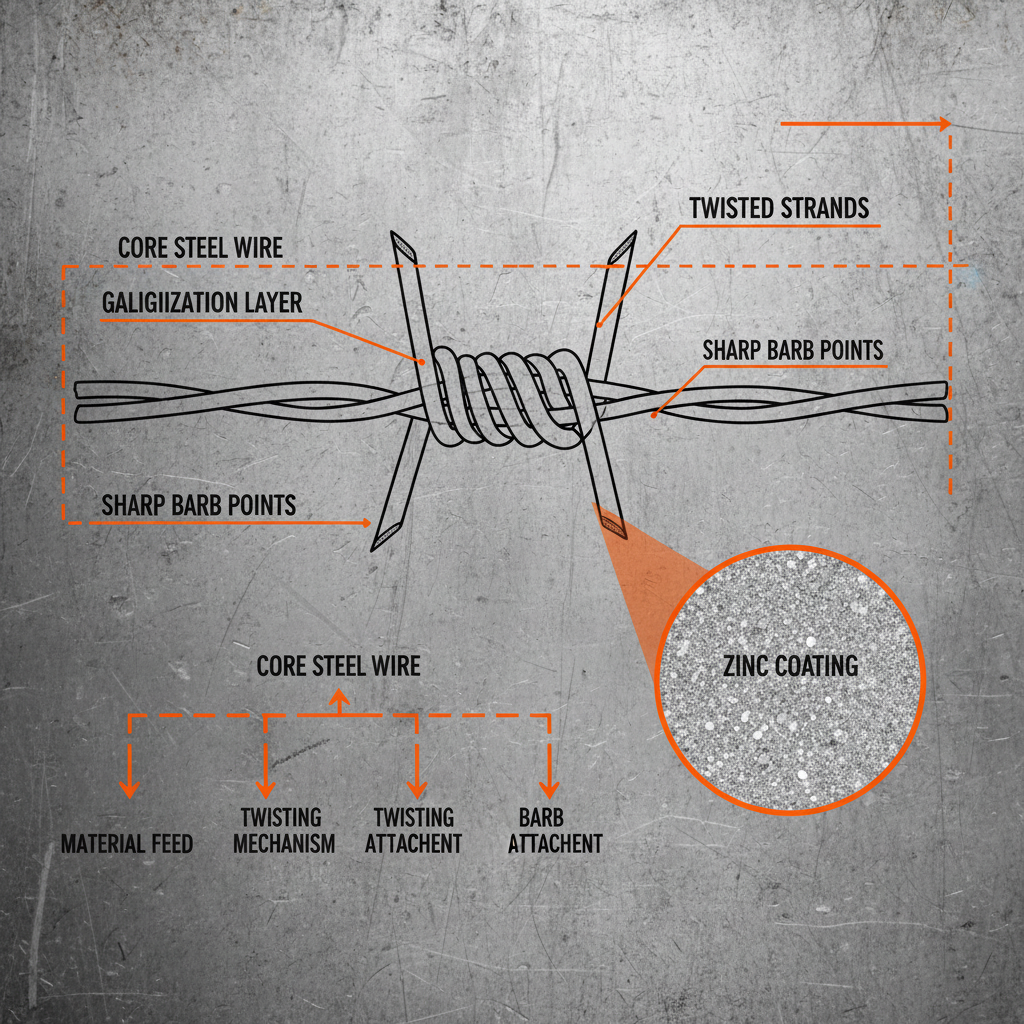
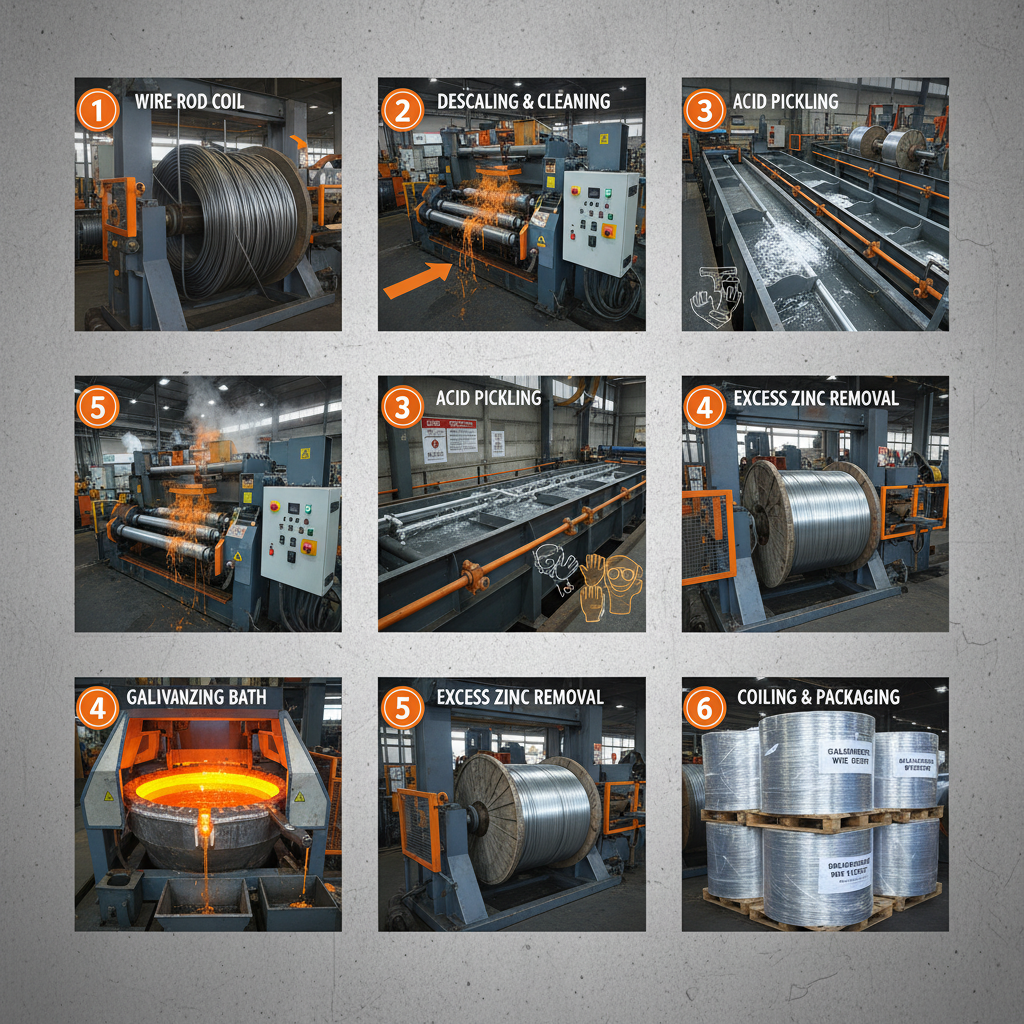
Cold drawn galvanized wire is steel wire that has undergone two primary processes: galvanization and cold drawing. Galvanization involves coating the steel wire with a protective layer of zinc, providing exceptional corrosion resistance. This is typically achieved through a hot-dip galvanizing process, where the wire is immersed in molten zinc.
Following galvanization, the wire is subjected to cold drawing, a process where it is pulled through a series of dies to reduce its diameter and increase its tensile strength. This process also improves the wire's surface finish and dimensional accuracy. The resulting cold drawn galvanized wire exhibits a unique combination of properties making it ideal for diverse industrial uses.
This type of wire is a fundamental building block in numerous industries, addressing critical needs for durable, reliable, and cost-effective materials. Its availability and versatility have made it a cornerstone of modern infrastructure and manufacturing.
Core Properties of Cold Drawn Galvanized Wire
The key properties of cold drawn galvanized wire are its high tensile strength, excellent corrosion resistance, and superior ductility. The cold drawing process work-hardens the steel, increasing its strength without compromising its flexibility. The zinc coating provides a sacrificial barrier, protecting the steel from rust and corrosion even if the coating is scratched or damaged.
Furthermore, galvanized wire possesses good weldability and solderability, enabling easy fabrication and integration into complex structures. Its consistent diameter and smooth surface also contribute to its reliable performance in automated manufacturing processes. The specific properties of the wire can be tailored by adjusting the steel grade, zinc coating thickness, and cold drawing parameters.
These combined characteristics make it a superior choice compared to other wire materials in applications where long-term durability and resistance to environmental factors are essential. It's a material designed to withstand the test of time and challenging conditions.
Key Factors Influencing Performance
Several factors significantly influence the performance of cold drawn galvanized wire. The quality of the steel used as the raw material is paramount, impacting its tensile strength and ductility. The thickness and uniformity of the zinc coating directly affect its corrosion resistance; thicker coatings generally provide better protection.
The cold drawing process itself must be carefully controlled to avoid introducing defects that could weaken the wire. Proper annealing after cold drawing is critical to relieve stress and maintain ductility. Also, the storage and handling of the wire are important to prevent damage to the zinc coating.
Performance Metrics for Different Cold Drawn Galvanized Wire Manufacturing Processes
Global Applications and Industries Served
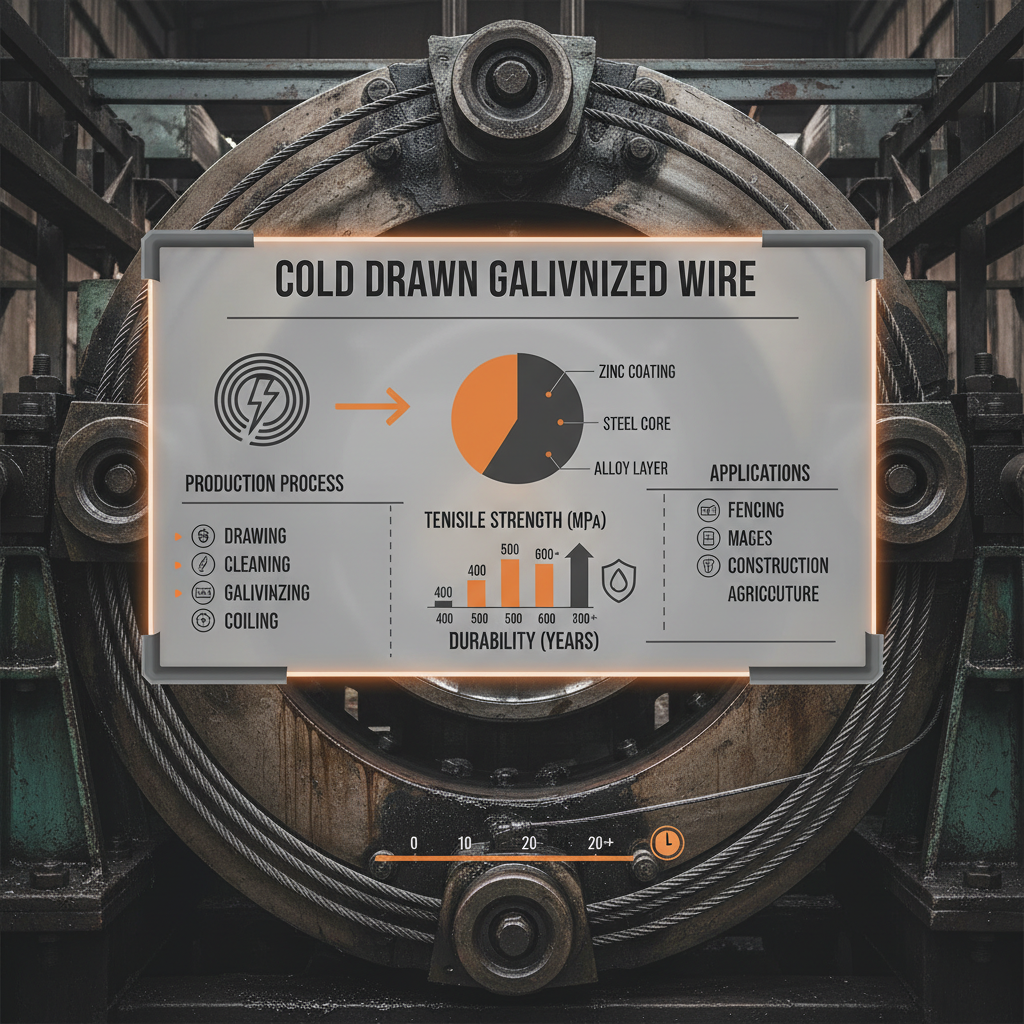
Cold drawn galvanized wire finds extensive use in agriculture for fencing, animal cages, and crop support structures. In the construction industry, it is vital for reinforcing concrete, creating suspension cables, and securing building materials. Telecommunications relies on it for cable stays and grounding wires, ensuring reliable communication networks.
The automotive industry utilizes it in various components, leveraging its strength and corrosion resistance. Security applications, such as high-security fencing and razor wire, depend on its robust properties to deter unauthorized access. From marine environments to power grids, its versatility makes it an essential material across the globe.
Advantages and Long-Term Value Proposition
The primary advantage of using cold drawn galvanized wire is its extended lifespan and reduced maintenance requirements. The zinc coating protects against corrosion, minimizing the need for costly repairs and replacements. This translates to significant long-term cost savings for businesses and infrastructure projects.
Beyond cost-effectiveness, it provides enhanced safety and reliability in critical applications. Its strength and durability ensure structural integrity, reducing the risk of failures. The material's environmental benefits, stemming from its long service life and recyclability, further enhance its value proposition.
Ultimately, choosing cold drawn galvanized wire represents a commitment to quality, durability, and sustainable practices. It's a strategic investment that delivers long-term returns and peace of mind.
Future Trends and Innovation in Wire Technology
Ongoing research and development are focused on improving the performance and sustainability of cold drawn galvanized wire. Innovations in zinc alloy coatings aim to enhance corrosion resistance further. The integration of nanotechnology is being explored to create self-healing coatings that can repair minor damage and extend the wire's lifespan.
Automation in the manufacturing process is increasing efficiency and reducing production costs. The development of more environmentally friendly galvanizing techniques is also a key priority. These advancements will solidify cold drawn galvanized wire’s position as a leading material for a wide range of applications.
Furthermore, the integration of smart sensors into the wire itself could enable real-time monitoring of structural integrity, providing valuable data for predictive maintenance and improved safety.
FAQS
Cold drawn galvanized wire offers superior corrosion resistance due to the zinc coating, significantly extending its lifespan compared to bare steel. The cold drawing process enhances its strength and dimensional accuracy, making it ideal for applications requiring durability and precision. It is also relatively cost-effective, providing a long-term value proposition.
Traditional hot-dip galvanizing can generate some environmental concerns related to zinc emissions and wastewater. However, modern galvanizing facilities employ advanced pollution control technologies to minimize these impacts. Furthermore, the long lifespan of galvanized wire reduces the need for frequent replacements, lowering overall material consumption and waste generation.
In agriculture, cold drawn galvanized wire is widely used for constructing fences to contain livestock, protecting crops from pests, and providing support for growing plants. It’s utilized in animal cages, poultry netting, and vineyard trellises. Its corrosion resistance is crucial in resisting the harsh outdoor environment and agricultural chemicals.
Yes, cold drawn galvanized wire is a suitable choice for many marine applications, but the level of protection required depends on the severity of the environment. Thicker zinc coatings and specialized alloys offer improved resistance to saltwater corrosion. It's commonly used in boat rigging, dock construction, and marine fencing, but regular inspection and maintenance are still recommended.
Ensure the wire meets relevant industry standards (e.g., ASTM) and is sourced from a reputable supplier. Look for consistent zinc coating thickness, smooth surface finish, and accurate dimensions. Request certificates of analysis and conduct regular quality checks to verify compliance with specifications.
Cold drawing significantly increases the tensile strength and improves the surface finish of the wire compared to other methods. It allows for precise control over dimensions and tolerances, resulting in a more consistent and reliable product. While other methods might be cheaper upfront, cold drawing generally offers better long-term performance and durability.
Conclusion
In conclusion, cold drawn galvanized wire stands as a versatile and essential material across a vast spectrum of industries. Its unique combination of strength, corrosion resistance, and cost-effectiveness ensures its continued relevance in modern infrastructure and manufacturing. From agricultural applications to high-security systems, its reliability and durability offer significant long-term benefits.
Looking ahead, ongoing innovation in materials science and manufacturing processes will further enhance the performance and sustainability of this crucial material. Choosing cold drawn galvanized wire is an investment in quality, longevity, and responsible resource management. We encourage you to visit our website for more information.