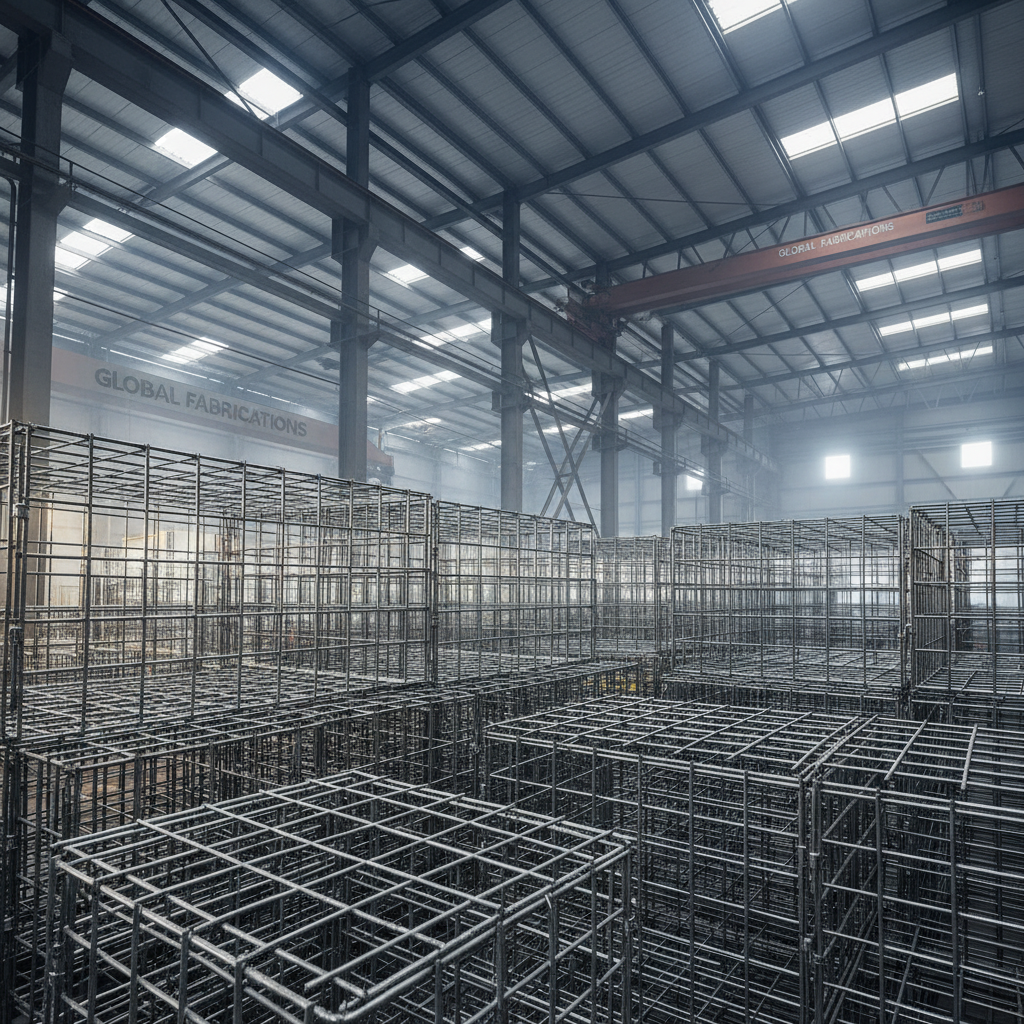
Galvanized wire cages are increasingly vital in a world facing growing demands for robust, adaptable, and cost-effective enclosure solutions. From agricultural applications and animal containment to industrial storage and security, these cages offer a compelling combination of strength, longevity, and affordability. Understanding their construction, benefits, and diverse applications is crucial for professionals across various sectors and for organizations addressing humanitarian challenges globally.
The global market for wire mesh products, including galvanized wire cages, is experiencing steady growth, driven by infrastructure development, agricultural expansion, and increasing security concerns. According to industry reports, the demand for corrosion-resistant materials is particularly high in coastal regions and harsh environments, fueling the adoption of galvanized steel. This trend highlights the importance of reliable enclosure solutions capable of withstanding challenging conditions.
Galvanized wire cages address a critical need for secure and durable containment, particularly in situations where rapid deployment, cost-effectiveness, and resistance to corrosion are paramount. They represent a significant advancement over traditional materials, offering a compelling alternative for a wide range of applications, making them indispensable in modern industry and emergency response efforts.
The Core Properties of galvanized wire cages
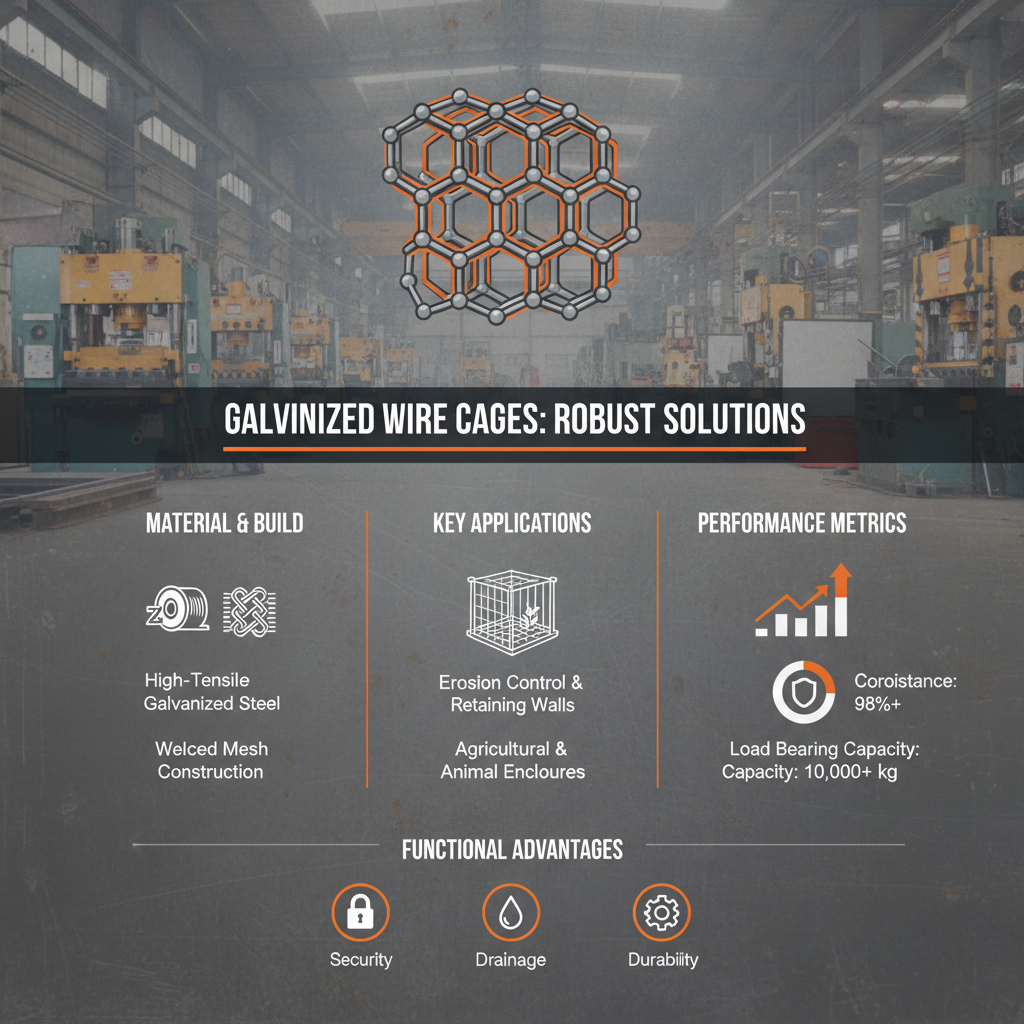
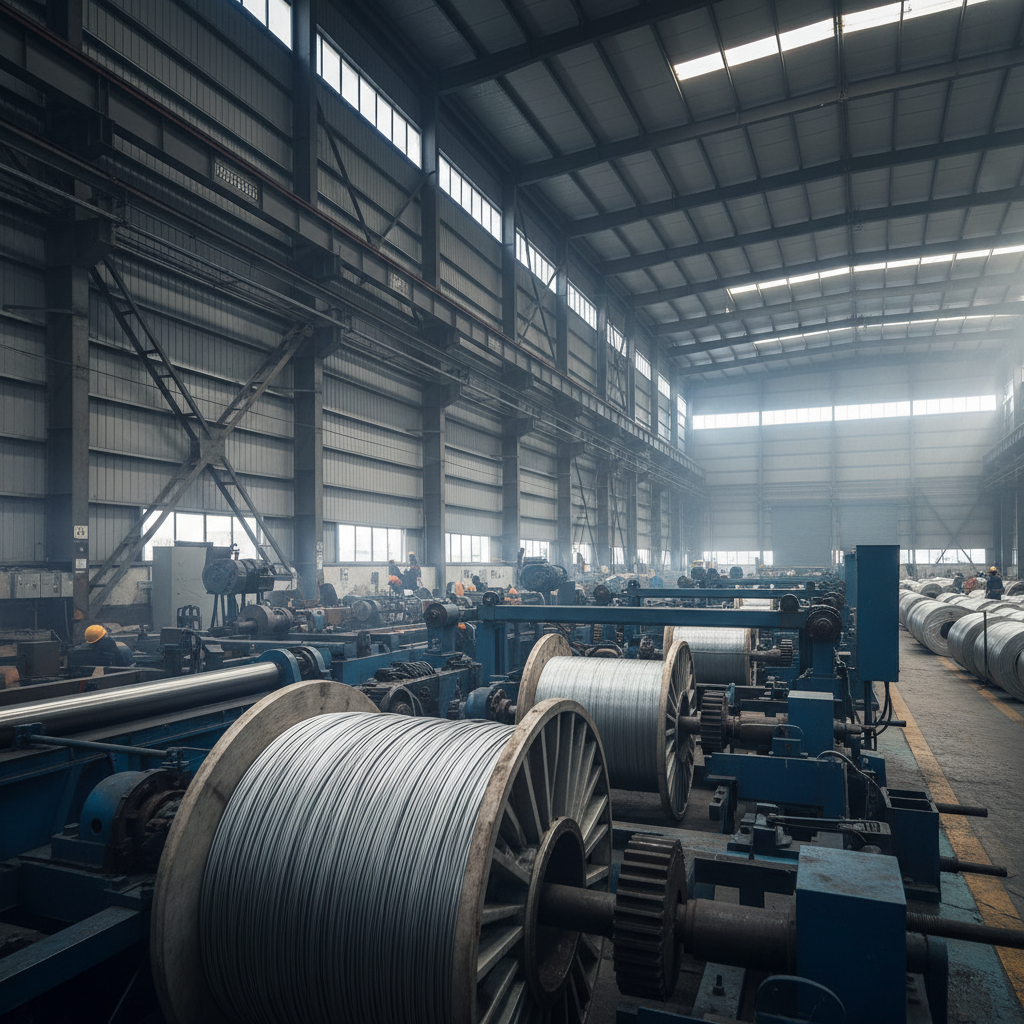
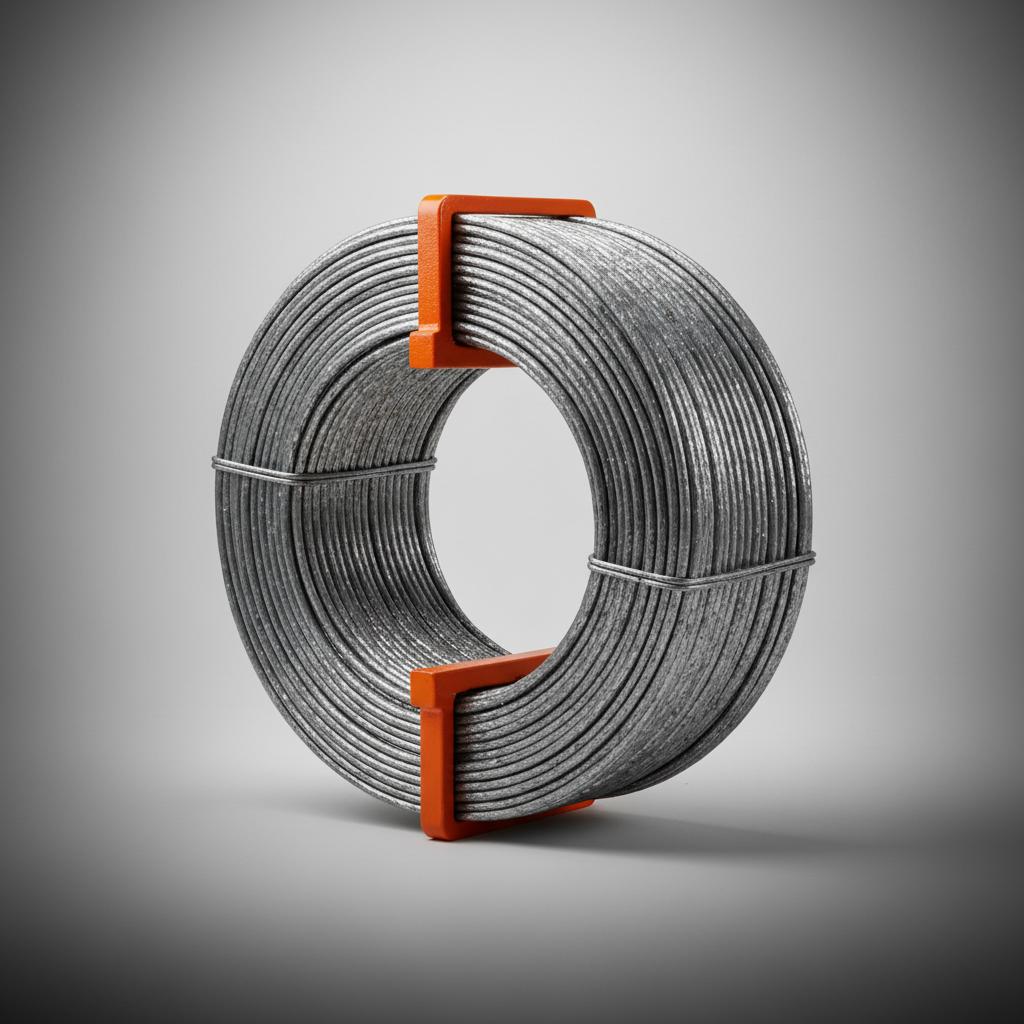
The inherent strength and flexibility of galvanized wire cages stem from the properties of steel wire combined with the protective qualities of the galvanization process. Steel provides the structural integrity needed for secure containment, while galvanization – the application of a zinc coating – provides a critical barrier against corrosion. This protective layer significantly extends the lifespan of the cages, even in harsh environmental conditions.
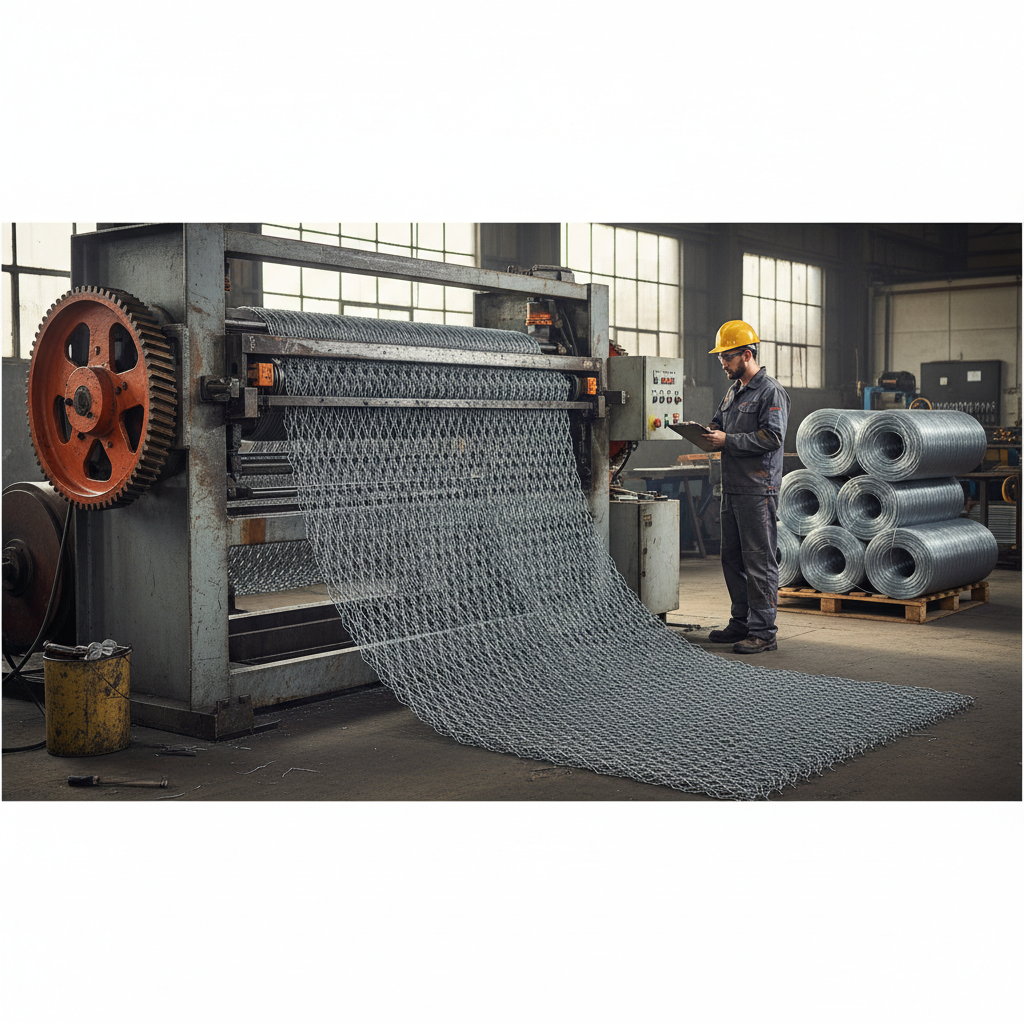
The manufacturing process allows for a variety of wire gauges and mesh sizes, enabling customization for diverse applications. From tightly woven meshes for secure animal containment to more open designs for ventilation and visibility, galvanized wire cages can be tailored to meet specific requirements, enhancing their versatility and functionality.
The Global Significance of galvanized wire cages
Galvanized wire cages play a vital role in addressing a multitude of global needs. In agriculture, they provide secure enclosures for livestock, protecting animals from predators and ensuring efficient farming practices. In disaster relief, they offer rapidly deployable solutions for temporary housing, security perimeters, and material containment. Organizations like the UNHCR often utilize these cages for creating safe and secure environments in refugee camps.
The demand for these cages is particularly pronounced in developing countries where infrastructure is limited and the need for cost-effective security and containment solutions is high. They are also crucial in industrial settings worldwide for storing materials, protecting equipment, and enhancing workplace safety. The global trade in wire mesh products reflects this widespread necessity, representing a multi-billion dollar industry.
The increasing frequency of natural disasters and humanitarian crises underscores the importance of readily available and durable containment solutions. Galvanized wire cages, with their portability and resistance to corrosion, are ideally suited to meet these urgent needs, offering a practical and reliable response in challenging circumstances.
Understanding the Galvanization Process
Galvanization is the process of applying a protective zinc coating to steel or iron, inhibiting corrosion. The most common method is hot-dip galvanization, where steel is submerged in a bath of molten zinc. This creates a metallurgical bond between the zinc and the underlying steel, forming a robust and durable barrier against environmental factors.
The zinc coating acts as a sacrificial anode, meaning that it corrodes before the steel, protecting the steel from rust and degradation. Even if the zinc coating is scratched or damaged, it continues to provide corrosion protection through localized galvanic action. This self-healing property is a key advantage of galvanization, ensuring long-term durability for galvanized wire cages.
Other galvanization methods, such as electrogalvanization and sherardizing, are also used, each offering different levels of coating thickness and surface finish. The choice of method depends on the specific application and performance requirements, ensuring optimal corrosion protection for diverse uses of galvanized wire cages.
Key Performance Indicators of galvanized wire cages
Evaluating the performance of galvanized wire cages requires considering several key indicators. These metrics help determine the suitability of the cages for specific applications and assess their long-term durability and cost-effectiveness.
One crucial factor is the zinc coating thickness, measured in grams per square meter (g/m²). Higher coating thickness provides greater corrosion resistance. Another important aspect is the wire gauge, which impacts the cage’s structural strength and ability to withstand stress. Mesh size is also critical, determining the level of security and containment provided.
Comparative Performance of Different galvanized wire cages Manufacturing Methods
Diverse Applications Across Industries
The versatility of galvanized wire cages leads to a broad spectrum of applications across numerous industries. In agriculture, they are used for poultry enclosures, livestock pens, and protecting crops from pests. Industrial facilities rely on them for storing materials, securing equipment, and creating safety barriers.
Construction sites utilize galvanized wire cages for erosion control, sediment containment, and protecting sensitive areas. The mining industry employs them for reinforcing tunnel walls and preventing landslides. And, as previously mentioned, disaster relief organizations depend on them for establishing temporary shelters, security perimeters, and managing logistics in crisis situations.
Long-Term Benefits and Return on Investment
Investing in galvanized wire cages offers substantial long-term benefits, extending beyond initial cost savings. Their durability significantly reduces the need for frequent replacements, minimizing maintenance expenses and downtime. The corrosion resistance ensures a prolonged lifespan, even in harsh environmental conditions.
Furthermore, the use of galvanized steel contributes to sustainability by reducing resource consumption and minimizing waste. Compared to other materials, galvanized wire cages require less energy to produce and have a lower environmental impact over their lifecycle. These factors translate into a strong return on investment, making them a financially and environmentally responsible choice.
Emerging Trends and Future Innovations
The future of galvanized wire cages is poised for innovation, driven by advancements in materials science and manufacturing techniques. Researchers are exploring new zinc alloys with enhanced corrosion resistance and improved mechanical properties. Automation and robotics are streamlining production processes, increasing efficiency and reducing costs.
The integration of smart technologies, such as embedded sensors for monitoring structural integrity, is also emerging as a potential trend. These sensors could provide real-time data on the condition of the cages, enabling proactive maintenance and preventing failures. Sustainable manufacturing practices and the use of recycled materials are also gaining prominence, aligning with the growing emphasis on environmental responsibility.
Ongoing research focuses on optimizing galvanization processes to reduce zinc consumption and minimize environmental impact. This includes exploring alternative coating methods and developing more efficient recycling technologies for zinc-containing waste.
Summary of Challenges and Solutions in galvanized wire cages Applications
| Challenge |
Impact on galvanized wire cages Performance |
Potential Solution |
Implementation Cost (1-10) |
| Corrosion in Harsh Marine Environments |
Reduced lifespan, structural weakening. |
Employing thicker zinc coatings, utilizing zinc-nickel alloys. |
7 |
| Mechanical Damage during Transport |
Compromised coating, potential for rust. |
Improved packaging, reinforced handling procedures. |
4 |
| Variations in Wire Gauge |
Uneven structural integrity, potential failure points. |
Implementing stricter quality control measures during manufacturing. |
6 |
| High Initial Cost |
Budget constraints, preference for cheaper alternatives. |
Demonstrating long-term cost savings through lifecycle analysis. |
5 |
| Limited Availability of Skilled Installers |
Improper installation, reduced performance. |
Providing comprehensive training programs for installers. |
8 |
| Environmental Concerns with Zinc Production |
Negative environmental impact, sustainability issues. |
Utilizing recycled zinc and promoting responsible mining practices. |
7 |
FAQS
Galvanized wire cages offer significant advantages in terms of durability, longevity, and resistance to environmental factors. Unlike wood, they are not susceptible to rot or insect damage. Compared to plastic, they possess superior strength and can withstand higher temperatures without deformation. The galvanized coating provides excellent corrosion protection, making them ideal for outdoor applications and harsh environments. This leads to reduced maintenance costs and a longer service life.
The lifespan of a galvanized wire cage is directly correlated to the galvanization method employed. Hot-dip galvanizing, producing a thicker coating, generally offers the longest lifespan, often exceeding several decades. Electrogalvanizing provides a thinner coating and shorter lifespan, suitable for less corrosive environments. Sherardizing offers a uniform coating and good corrosion resistance, falling between the two in terms of longevity. The specific environment and maintenance practices also play a crucial role.
Galvanized wire cages offer environmental benefits compared to some alternatives. Zinc is a naturally occurring element and is recyclable. The durability of galvanized steel reduces the need for frequent replacements, minimizing waste. While the galvanization process itself has environmental considerations, advancements in technology are focused on reducing waste and promoting responsible zinc sourcing. Using recycled steel in the manufacturing process further enhances their sustainability.
Selecting the right wire gauge and mesh size is critical for optimal performance. Wire gauge determines the structural strength and load-bearing capacity of the cage; thicker gauges are required for heavier loads or higher security. Mesh size dictates the level of containment; smaller mesh sizes prevent the escape of smaller animals or materials. Consider the specific requirements of the application, including the size and behavior of the contents, the potential for external forces, and any security concerns.
Minor damage to the zinc coating can be addressed with zinc-rich paints or coatings. For larger areas of damage, localized hot-dip galvanizing may be feasible. However, extensive damage may require cage replacement. Regular inspection and preventative maintenance, such as applying protective coatings, can help extend the lifespan of the cages and minimize the need for repairs. It’s important to address any damage promptly to prevent corrosion from spreading.
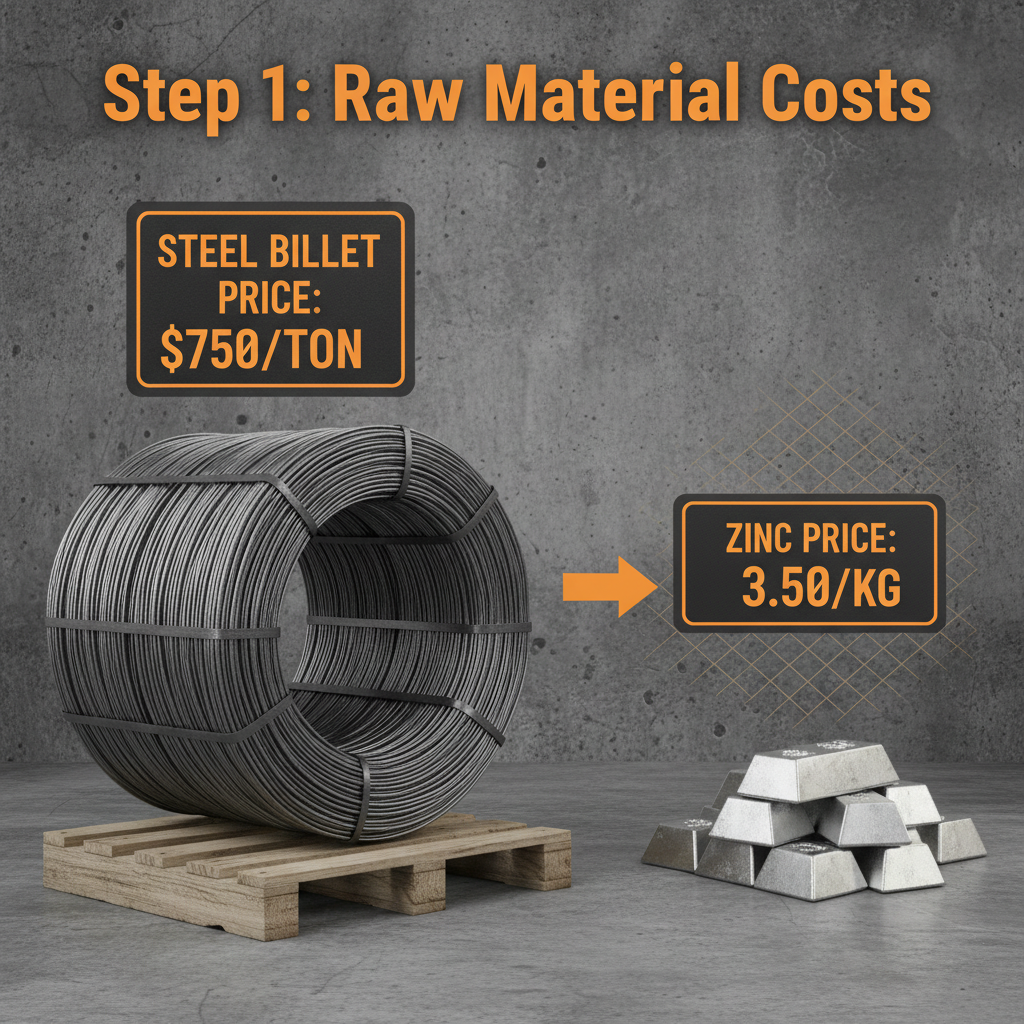
The cost of galvanized wire cages varies significantly depending on factors like size, wire gauge, mesh size, coating thickness, and quantity ordered. Smaller, standard-sized cages may cost between $50 and $200, while large, custom-built cages can exceed $1,000. Factors influencing pricing include steel prices, zinc prices, manufacturing complexity, and shipping costs. Obtaining quotes from multiple suppliers is recommended to ensure competitive pricing.
Conclusion
Galvanized wire cages represent a versatile and robust solution for a wide array of containment and security needs. Their inherent durability, corrosion resistance, and cost-effectiveness make them an invaluable asset across numerous industries, from agriculture and construction to disaster relief and industrial storage. By understanding their properties, applications, and future trends, professionals can effectively leverage these cages to enhance safety, efficiency, and sustainability.
Looking ahead, continued innovation in materials science and manufacturing techniques will further enhance the performance and environmental profile of galvanized wire cages. Embracing these advancements and prioritizing responsible sourcing and lifecycle management will solidify their position as a critical component of infrastructure and security systems worldwide. Visit our website at www.fivestar-metals.com to learn more about our range of galvanized wire cage solutions.