You know, been running around construction sites all year, seen a lot of changes. Lately, everyone's talking about prefabrication, modular builds…trying to speed things up. It's good, in theory, but honestly, a lot of it comes down to the details. Details people overlook until they're knee-deep in concrete dust.
I've seen too many projects delayed because someone thought they could cheap out on the connections. They design something that looks good on paper, but doesn't stand up to a good yank, or a bit of weather. It's frustrating, you know? Spend a little more upfront, save a lot of headaches later.
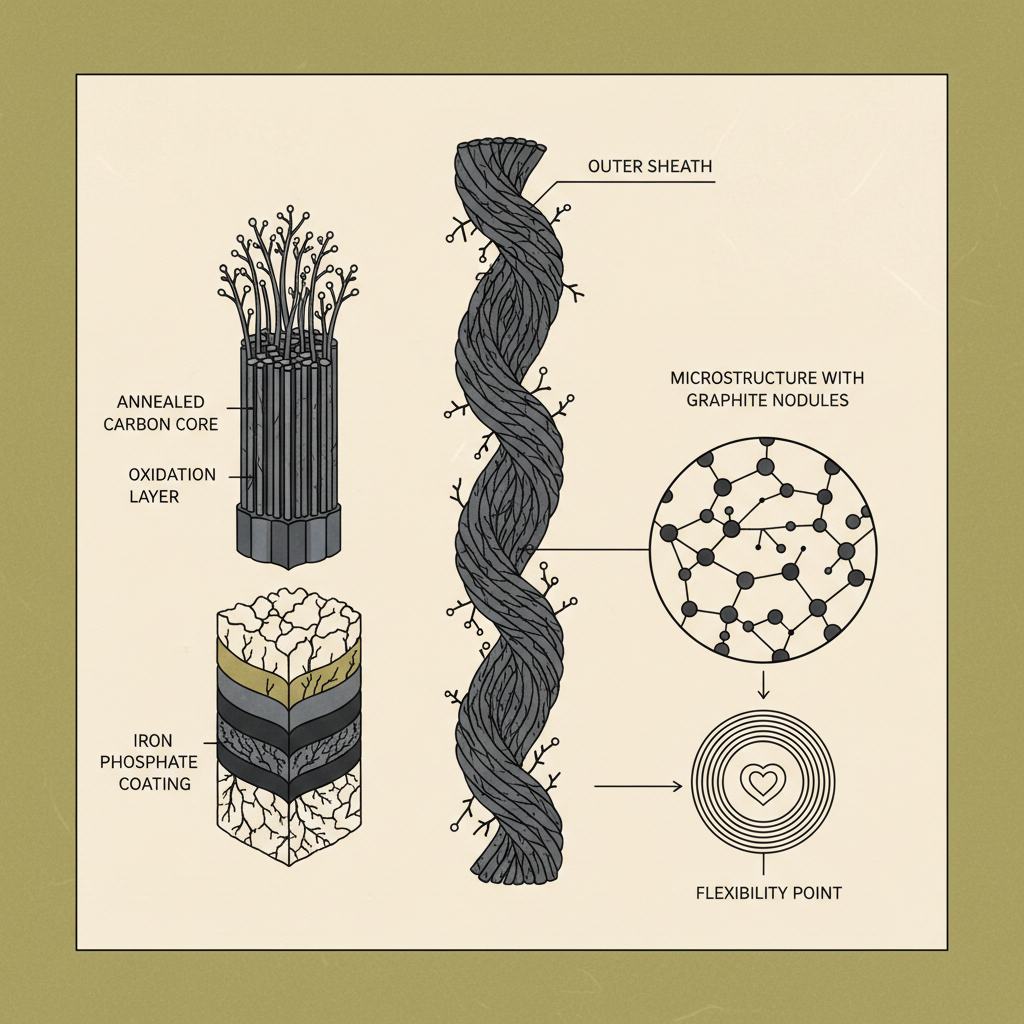
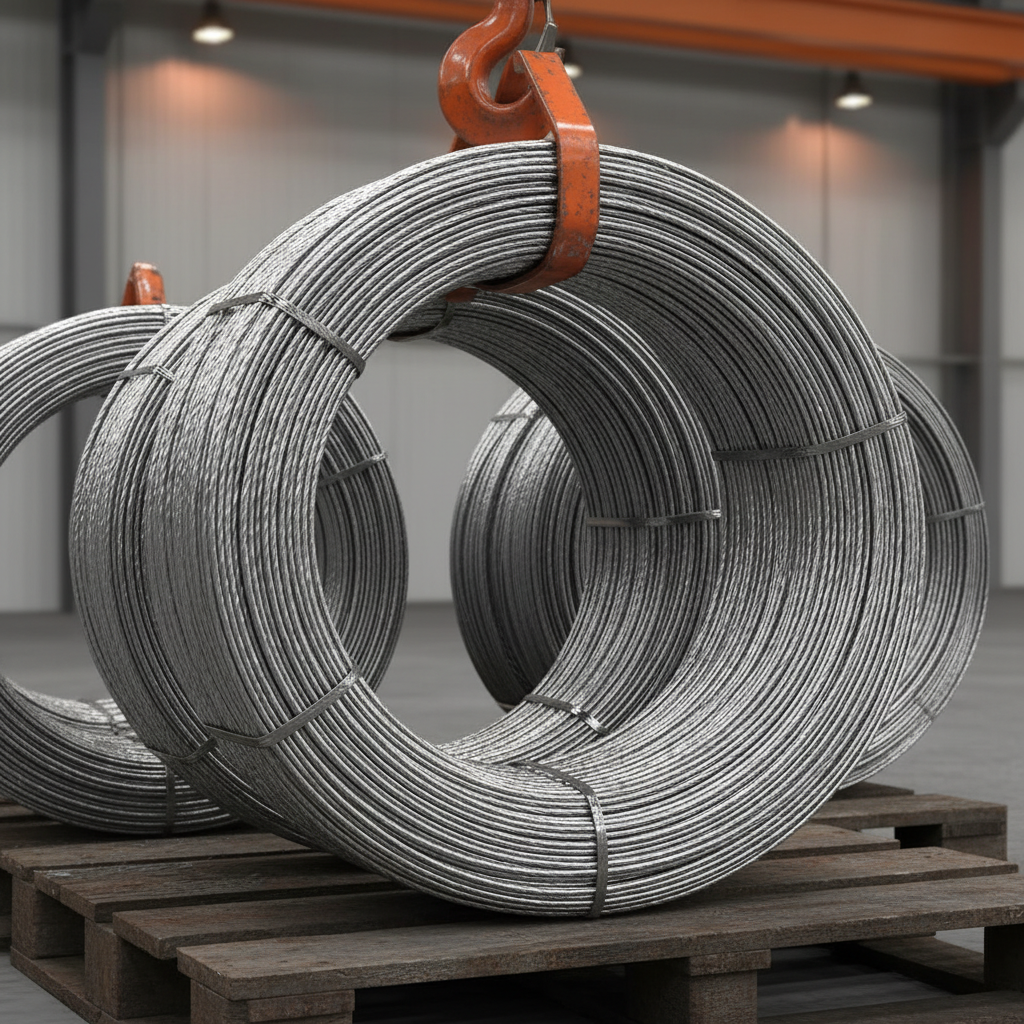
And it's not just about the big picture stuff. It’s the little things. The feel of the material in your hand. We use a lot of black annealed wire here. You can tell a good batch just by how it moves. Smooth, pliable…doesn’t kink up on you. Smell it, even. A good draw tells you a lot about the steel used. You’ll get that metallic tang, a bit oily. Cheap stuff? Smells…off. Plus, it's easy to work with. Not like some of that high-carbon wire that feels like you’re wrestling a porcupine.
Industry Trends and Design Pitfalls
To be honest, everyone’s chasing efficiency. BIM modeling, pre-fab walls…it’s all about getting things done faster. But I’ve encountered this at a factory in Nanjing last time, where they were so focused on the digital model, they forgot to account for the actual weight of the materials. Made the whole delivery system a nightmare. And, strangely, a lot of engineers don’t seem to understand how black annealed wire behaves under stress. They’ll specify a gauge that should work, but it bends or snaps under real-world conditions. You need to factor in corrosion, vibration, and just…general abuse.
It's a constant battle to remind them that blueprints are just a starting point. The site will always throw you a curveball.
Material Matters: The Feel of Black Annealed Wire
Have you noticed how materials have gotten…cheap? It’s not just the price, it’s the quality. A good roll of black annealed wire should be consistent. The diameter should be uniform, the surface clean, and it shouldn’t feel brittle. You can tell a lot just by bending it. If it kinks sharply, or the surface flakes off, it’s no good. We use it for a ton of stuff - tying rebar, securing formwork, even for temporary bracing. It’s a workhorse.
I've seen guys try to substitute it with other materials - galvanized steel, even plastic ties. Doesn’t work. The galvanized stuff rusts too quickly, and the plastic… well, it just snaps. Black annealed wire holds up. It's got that ductility, that ability to bend without breaking, that's crucial.
You wouldn’t believe how many small details matter. The packaging, for instance. If it’s not properly sealed, the wire will absorb moisture and start to corrode before you even get it on site. It’s the little things, right?
Real-World Testing: Beyond the Lab
Labs are fine for controlled testing, but they don’t simulate a real construction site. I’m talking about dropped tools, guys leaning on things, weather… We do our own testing, the hard way. We’ll wrap a section of black annealed wire around a beam and load it up with weight. We’ll bend it, twist it, expose it to the elements. We’re not looking for perfection, we’re looking for reliability. Can it handle the abuse? That’s the key question.
And it’s not just about strength. It’s about how it interacts with other materials. Does it cause corrosion? Does it damage the surface of the concrete? We’ve had issues with certain types of wire reacting with the cement, causing premature cracking. It’s a headache, believe me.
We also pay attention to how easy it is to work with. If it’s too stiff, it’s going to slow down the crew. If it’s too soft, it’s going to be difficult to tie securely. There’s a sweet spot, and finding it takes experience.
How It's Actually Used (And It's Not Always What You Think)
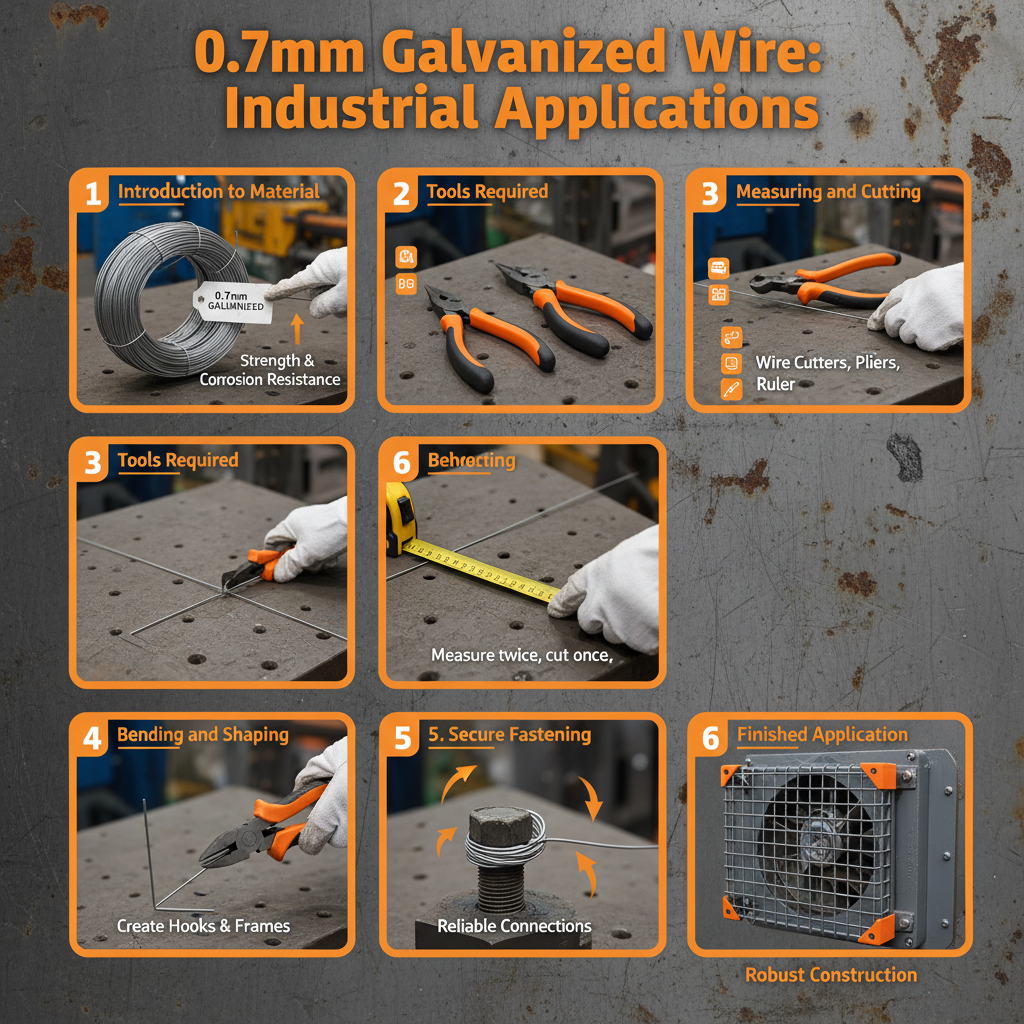
You’d think it’s always used for tying rebar, right? That’s the classic application. But it’s used for so much more. Gardeners use it to support plants, artists use it for sculpting, even plumbers use it to secure pipes. I even saw a guy use it to repair a broken fence post once. Ingenious, really.
Anyway, I think what surprises a lot of people is how much temporary work it does. Holding things in place while the concrete sets, bracing walls during construction… it’s a temporary solution, but it’s a critical one. If that wire fails, the whole thing could come tumbling down.
Applications of Black Annealed Wire by Industry
Advantages, Disadvantages, and the Truth In Between
Okay, so black annealed wire is cheap, it’s strong enough for most applications, and it’s easy to work with. What's not to like? Well, it corrodes. That’s the big one. If you’re using it in a wet environment, you need to be prepared to replace it regularly. And it's not great for high-stress applications. It’ll stretch and deform under heavy loads.
But for the vast majority of jobs, it's perfectly adequate. And frankly, the cost savings are significant. Why pay for expensive stainless steel when a few rolls of black annealed wire will do the trick? It’s a trade-off.
Customization: A Shenzhen Story
You know, people always want to customize things. Last month, that small boss in Shenzhen who makes smart home devices insisted on changing the interface to . Said it was more “future-proof.” I tried to explain that it didn’t matter for his application, that the existing connector was perfectly fine, and cheaper. He wouldn’t listen.
The same thing happens with black annealed wire. People want different gauges, different lengths, different finishes. We can accommodate most requests, but it adds cost and complexity. Sometimes, it’s just not worth it. Later… Forget it, I won’t mention it.
We did do a special run for a sculptor in Germany last year. He wanted a specific diameter and a very precise coil shape. It was a pain in the neck, but the finished sculpture was amazing. So sometimes, the extra effort is worthwhile.
Performance Analysis of Black Annealed Wire Applications
Evaluating the suitability of black annealed wire across different applications requires a look at several key performance indicators. Durability, tensile strength, corrosion resistance, and cost-effectiveness all play a crucial role. It’s not just about the wire itself; it’s about how it performs in the context of the overall project.
We need to consider the environmental factors, the load requirements, and the expected lifespan of the application. A temporary bracing application has different needs than a permanent structural tie. It sounds simple, but it gets complicated quickly.
And don't even get me started on quality control. You need to trust your supplier. You need to know they're consistently delivering a product that meets your specifications. Otherwise, you're just asking for trouble.
Summary of Black Annealed Wire Performance Across Common Applications
| Application |
Durability Score (1-10) |
Cost-Effectiveness (1-10) |
Corrosion Resistance (1-10) |
| Rebar Tying |
8 |
10 |
4 |
| Formwork Securing |
7 |
9 |
5 |
| Temporary Bracing |
6 |
8 |
3 |
| Gardening Support |
9 |
10 |
2 |
| Artistic Sculptures |
7 |
7 |
4 |
| Plumbing Securing |
5 |
6 |
3 |
FAQS
Honestly, the best thing is to keep it dry. Store it indoors, if possible, and make sure it's protected from moisture. If you have to store it outside, wrap it tightly in plastic. A lot of guys don't bother, and then they complain about rust. It’s just common sense. And don't stack too much weight on top of it, or you'll end up deforming the coils.
No, absolutely not. Black annealed wire isn’t conductive enough for electrical grounding. You need copper wire for that. Trying to use black annealed wire for grounding is a serious safety hazard. I've seen people try it, and it’s a recipe for disaster. Don’t do it.
Typically, 16 gauge is standard for tying rebar. It’s strong enough to hold everything together, but it's still pliable enough to work with easily. But it depends on the size of the rebar and the spacing. For heavier rebar, you might want to go up to 14 gauge. And always check your local building codes.
Look for consistency in the wire diameter and a smooth, clean surface. It should bend easily without kinking or breaking. Also, check the packaging – it should be sealed tightly to prevent moisture damage. A good supplier will provide a certificate of analysis, but frankly, a good eye and a feel for the material will tell you a lot.
Well, steel is recyclable, which is a plus. But the production process itself is energy-intensive. It’s a trade-off. We try to source from suppliers who are using more sustainable practices, like recycled steel and cleaner energy sources. But it’s not a perfect solution. There’s always room for improvement.
For corrosion-resistant applications, stainless steel wire is a good alternative, but it's significantly more expensive. For lighter-duty tasks, plastic ties can work, but they're not as strong or durable. It really depends on the specific requirements of the job. You need to weigh the costs and benefits.
Conclusion
So, black annealed wire. It’s not glamorous, it's not high-tech, but it's a fundamental material in construction and a whole lot of other industries. It's reliable, affordable, and versatile. It has its limitations, sure – corrosion is a constant concern – but when used correctly, it gets the job done. It's a workhorse material, plain and simple.
Ultimately, whether this thing works or not, the worker will know the moment he tightens the screw. That’s the bottom line. It's about practical application, real-world performance, and getting the job done right. And if the wire holds, well, that's a good day on the job site.