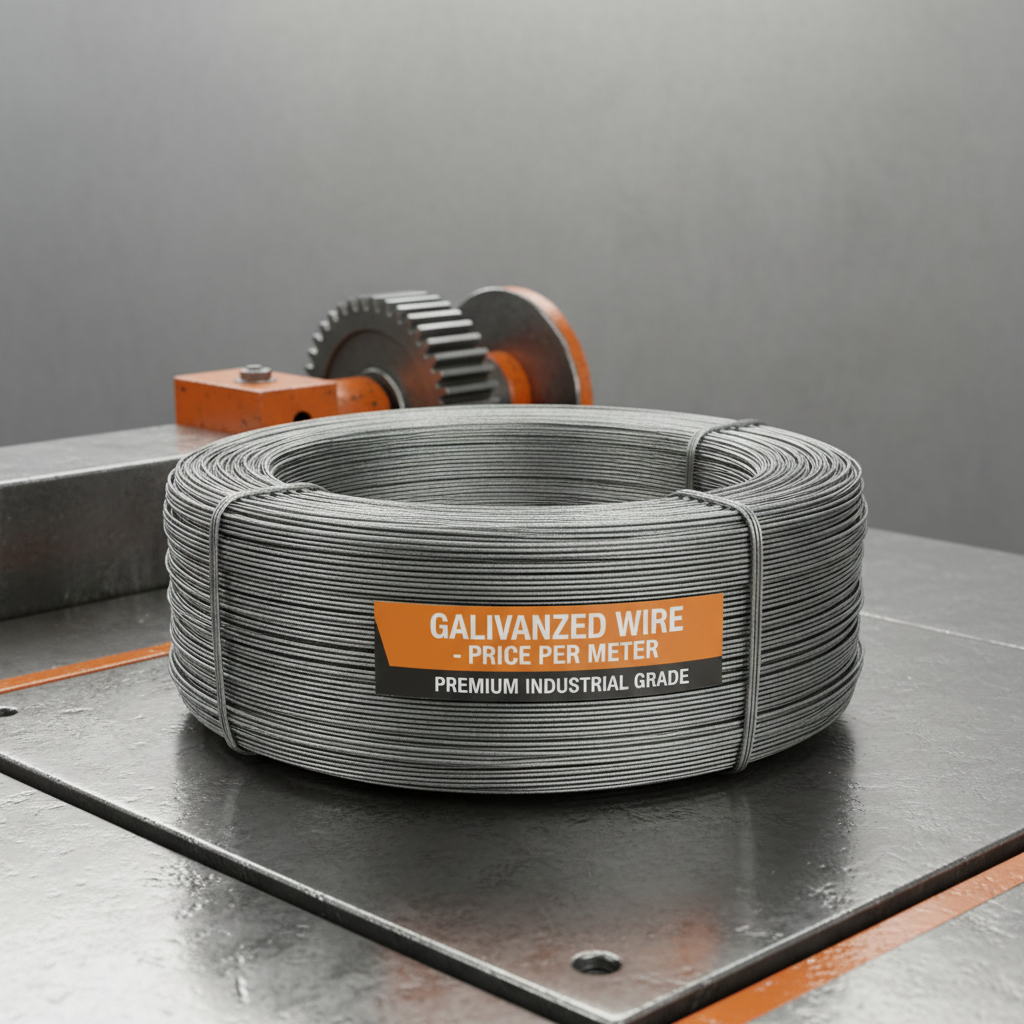
ASTM A641 galvanized wire plays a crucial role in modern infrastructure and construction, offering robust corrosion protection for a wide array of applications. Its consistent quality and adherence to stringent standards make it a preferred material globally, particularly in demanding environments where longevity and reliability are paramount. Understanding its properties and applications is vital for engineers, builders, and anyone involved in projects requiring durable, long-lasting wire solutions.
The global demand for galvanized wire, including astm a641 galvanized wire, is directly linked to economic development, infrastructure spending, and the increasing need for protective coatings against corrosion. According to a recent report by the World Steel Association, global steel demand continues to grow, driven largely by emerging economies. This translates to a parallel increase in demand for products like galvanized wire, essential for safeguarding steel structures.
Challenges such as increasing material costs and environmental concerns related to traditional galvanizing processes are prompting innovation within the industry. However, the fundamental need for cost-effective corrosion protection remains, positioning astm a641 galvanized wire as a cornerstone material for decades to come.
Defining astm a641 Galvanized Wire
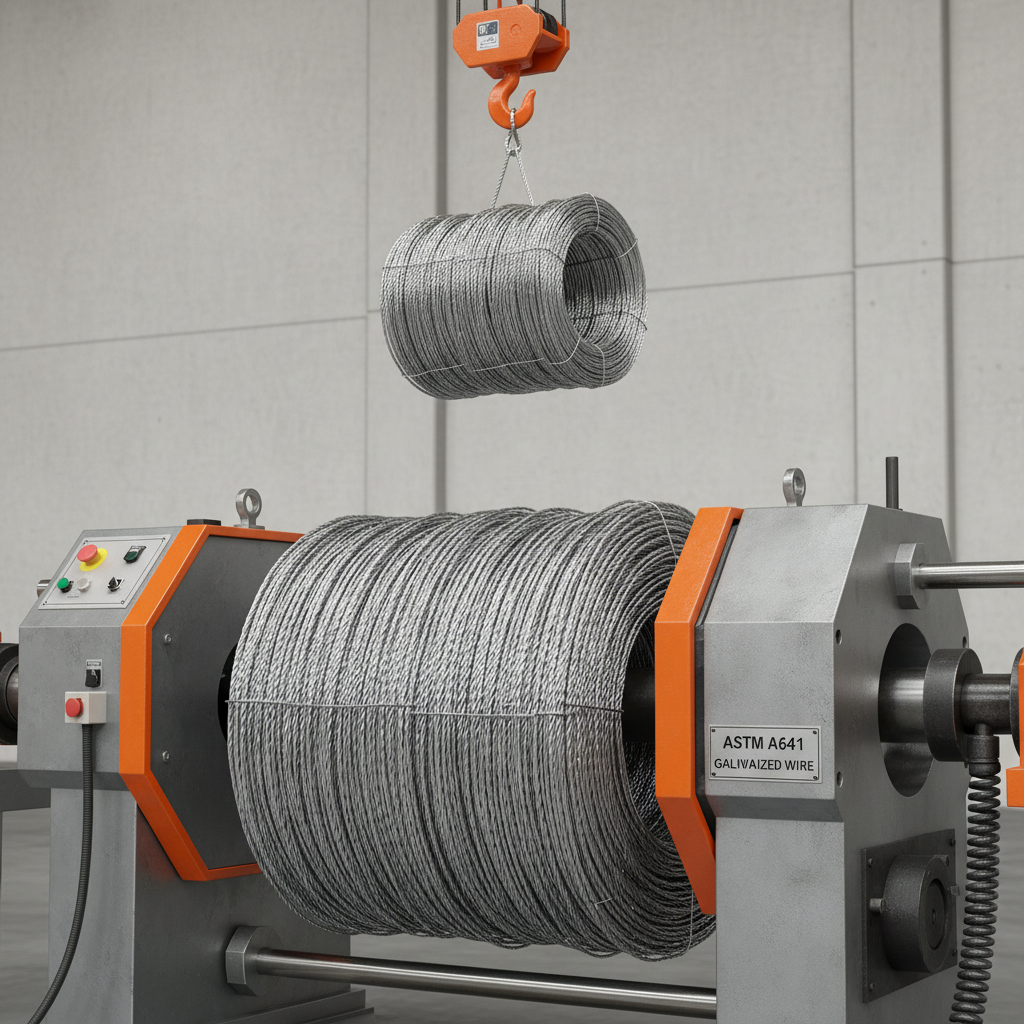
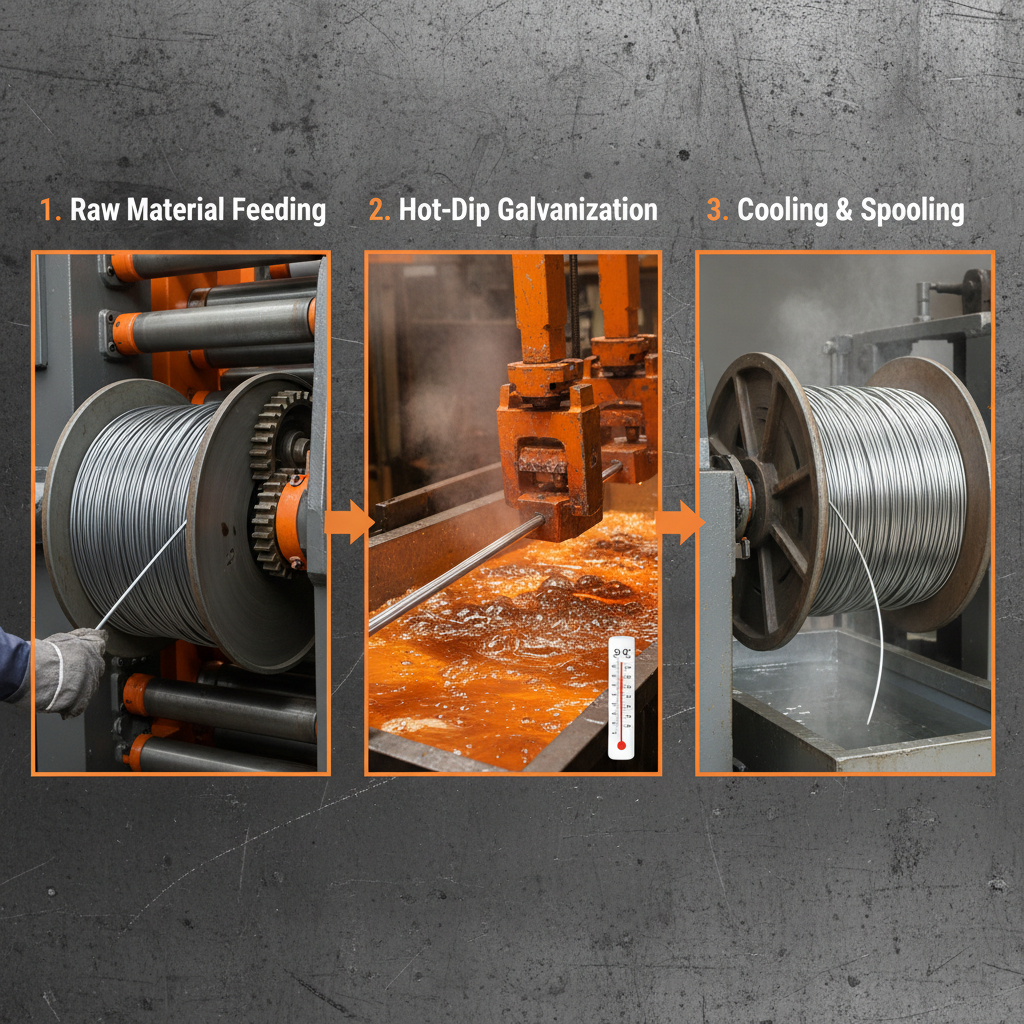
ASTM A641 is a standard specification for zinc-coated carbon steel wire. Essentially, astm a641 galvanized wire is carbon steel wire that has been coated with a layer of zinc to protect it from rust and corrosion. This process, known as galvanization, extends the lifespan of the wire significantly, making it suitable for a broad range of outdoor and harsh-environment applications. astm a641 galvanized wire is known for its consistent zinc coating thickness and excellent mechanical properties.
The importance of this material extends far beyond simply preventing rust. In infrastructure projects, its longevity reduces maintenance costs and enhances safety. In agricultural applications, it protects fencing and netting from the elements, leading to increased productivity. It is a cornerstone of many modern industries, contributing to efficient and sustainable infrastructure.
Global Relevance and Industry Context
Globally, the demand for corrosion-resistant materials is experiencing steady growth. Factors like aging infrastructure, increasing environmental regulations, and the need for cost-effective long-term solutions are driving this trend. ASTM A641 galvanized wire directly addresses these needs by offering a durable and relatively inexpensive method of protecting steel from corrosion. Countries with significant infrastructure development, such as China, India, and those in Southeast Asia, represent key markets for this material.
The construction industry is a primary driver of demand, utilizing astm a641 galvanized wire in bridge cables, guardrails, and structural supports. Furthermore, the agricultural sector relies heavily on it for fencing and animal containment. The electrical industry uses it for grounding wires and transmission line hardware. These diverse applications highlight its importance across various economic sectors.
A major challenge facing the industry is the environmental impact of traditional galvanizing processes. The use of hexavalent chromium, a known carcinogen, is being phased out in many regions. This is leading to increased investment in alternative galvanizing technologies and the development of more environmentally friendly coatings.
Understanding the Specifications of astm a641 Galvanized Wire
The astm a641 galvanized wire standard covers several key specifications, including wire diameter, tensile strength, zinc coating weight, and coating uniformity. Different classes of wire are defined based on their ductility and tensile strength, allowing for selection based on specific application requirements. Understanding these specifications is crucial for ensuring the wire performs as intended.
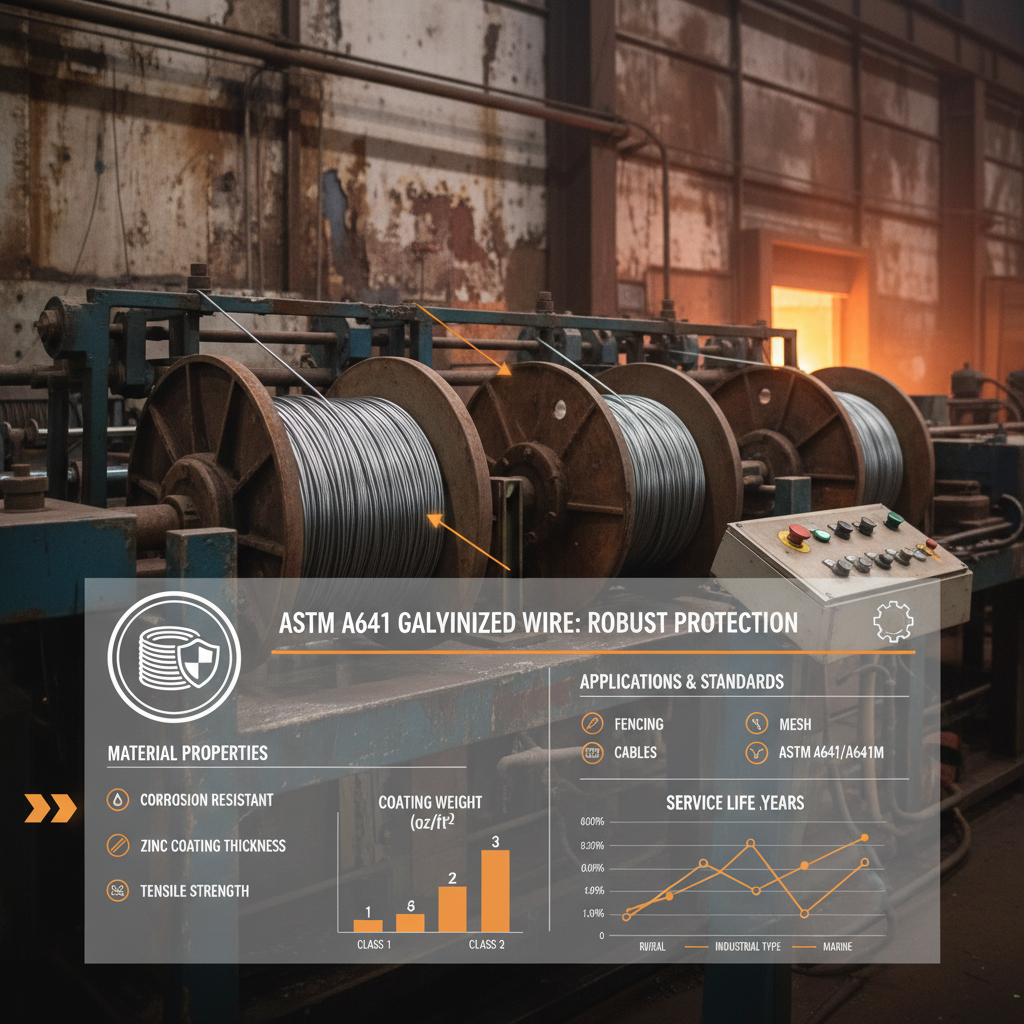
The zinc coating weight is particularly important, as it directly impacts the level of corrosion protection provided. ASTM A641 specifies different coating classes (e.g., Class 1, Class 3) based on the amount of zinc applied. Higher coating classes offer greater corrosion resistance but may also be more expensive. Choosing the appropriate coating class involves balancing performance requirements with budgetary constraints.
Adherence to the astm a641 standard is typically verified through rigorous testing procedures, including tensile tests, coating thickness measurements, and corrosion resistance tests. Reputable manufacturers will provide certification to demonstrate compliance with the standard, ensuring product quality and reliability.
Key Attributes of astm a641 Galvanized Wire
The primary attribute of astm a641 galvanized wire is its superior corrosion resistance. The zinc coating acts as a sacrificial anode, corroding preferentially to the underlying steel and protecting it from rust. This significantly extends the service life of the wire, reducing maintenance costs and improving overall structural integrity.
Another key attribute is its high tensile strength. ASTM A641 wire is manufactured from high-carbon steel, which provides excellent strength and durability. This makes it suitable for applications where high loads or stresses are present, such as in bridge cables and fencing.
Corrosion Resistance of astm a641 Galvanized Wire in Different Environments
Applications of astm a641 Galvanized Wire Across Industries
The versatility of astm a641 galvanized wire makes it suitable for a wide range of applications. In construction, it is used in bridge cables, highway guardrails, chain-link fences, and roofing systems. Its corrosion resistance ensures the longevity and safety of these structures.
Agricultural applications include fencing for livestock containment, poultry netting, and vineyard trellising. The wire’s durability withstands harsh weather conditions and prevents animal damage, protecting crops and livestock.
The Long-Term Value Proposition of astm a641 Galvanized Wire
Investing in astm a641 galvanized wire delivers significant long-term value. While the initial cost may be slightly higher than uncoated steel wire, the extended lifespan and reduced maintenance requirements result in lower overall lifecycle costs. This is particularly important for large infrastructure projects where long-term durability is essential.
The use of galvanized wire also contributes to sustainability by reducing the need for frequent replacements, conserving resources and minimizing waste. Its reliability enhances safety and protects investments, providing peace of mind for both builders and end-users.
Furthermore, a consistent supply of high-quality astm a641 galvanized wire fosters trust and collaboration within the construction and infrastructure industries, promoting efficient project delivery and reliable long-term performance.
Future Trends and Innovations in Galvanized Wire Technology
Ongoing research and development efforts are focused on improving the performance and sustainability of galvanized wire. This includes exploring new zinc alloy coatings that offer enhanced corrosion resistance and exploring alternative galvanizing processes that minimize environmental impact.
The integration of digital technologies, such as sensors and data analytics, is also emerging. This allows for real-time monitoring of corrosion levels and proactive maintenance scheduling, further extending the lifespan of galvanized structures.
As the demand for sustainable infrastructure solutions grows, we can expect to see increased adoption of environmentally friendly galvanizing techniques and the development of even more durable and reliable astm a641 galvanized wire products.
Analysis of Key Factors Influencing the Performance of astm a641 Galvanized Wire
| Environmental Exposure |
Coating Thickness (μm) |
Steel Substrate Quality |
Estimated Service Life (Years) |
| Marine (Saltwater) |
150 |
High (Low Impurities) |
20-30 |
| Industrial (High Pollution) |
120 |
Medium |
30-40 |
| Rural (Low Pollution) |
80 |
High |
50-60 |
| Suburban (Moderate Pollution) |
100 |
Medium |
40-50 |
| Freshwater (Rivers/Lakes) |
90 |
High |
45-55 |
| Controlled Indoor Environment |
60 |
Medium |
70+ |
FAQS
The lifespan of astm a641 galvanized wire in outdoor applications varies significantly based on the environment. In rural settings with low pollution, it can last 50-60 years or more. However, in harsh marine environments or industrial areas, the lifespan may be reduced to 20-30 years. Factors like coating thickness and steel quality also play a crucial role. Regular inspections and maintenance can extend the wire’s life considerably.
Stainless steel generally offers superior corrosion resistance compared to astm a641 galvanized wire, but at a significantly higher cost. Galvanized wire is a more economical option for many applications where extremely high corrosion resistance isn’t required. For projects with budgetary constraints, astm a641 galvanized wire provides a cost-effective balance between performance and price.
The safety of astm a641 galvanized wire in contact with drinking water is a complex issue. While the zinc coating itself is generally considered safe in small amounts, leaching can occur, particularly in acidic water. It's important to check local regulations and ensure the wire meets specific standards for potable water applications. Coatings may be required for prolonged direct contact.
Common causes of failure include mechanical damage, corrosion due to prolonged exposure to harsh environments, and coating defects. Areas exposed to abrasion, impact, or sharp bends are more susceptible to corrosion. Insufficient coating thickness or uneven coating application can also lead to premature failure. Regular inspections and preventative maintenance are critical to identifying and addressing potential issues.
To prevent corrosion during storage, astm a641 galvanized wire should be stored in a dry, well-ventilated area, protected from moisture and direct sunlight. Ideally, it should be stored indoors or under a waterproof covering. Avoid stacking wire directly on the ground, and consider using pallets to elevate it and promote airflow.
When purchasing astm a641 galvanized wire, look for certifications from reputable organizations that verify compliance with the ASTM A641 standard. Mill test reports (MTRs) provide detailed information about the wire’s chemical composition, mechanical properties, and coating characteristics. ISO 9001 certification indicates the manufacturer has a quality management system in place.
Conclusion
ASTM A641 galvanized wire remains a critical material in modern infrastructure, construction, and numerous other industries. Its robust corrosion resistance, combined with its cost-effectiveness and versatility, makes it an ideal solution for a wide array of applications. Understanding its specifications and proper application techniques is crucial for maximizing its long-term performance and realizing its full value.
Looking ahead, advancements in galvanizing technology and the increasing demand for sustainable materials will drive further innovation in this field. By embracing these advancements and prioritizing quality control, we can ensure that astm a641 galvanized wire continues to play a vital role in building a more durable, resilient, and sustainable future. For high-quality astm a641 galvanized wire and expert advice, visit our website: www.fivestar-metals.com.