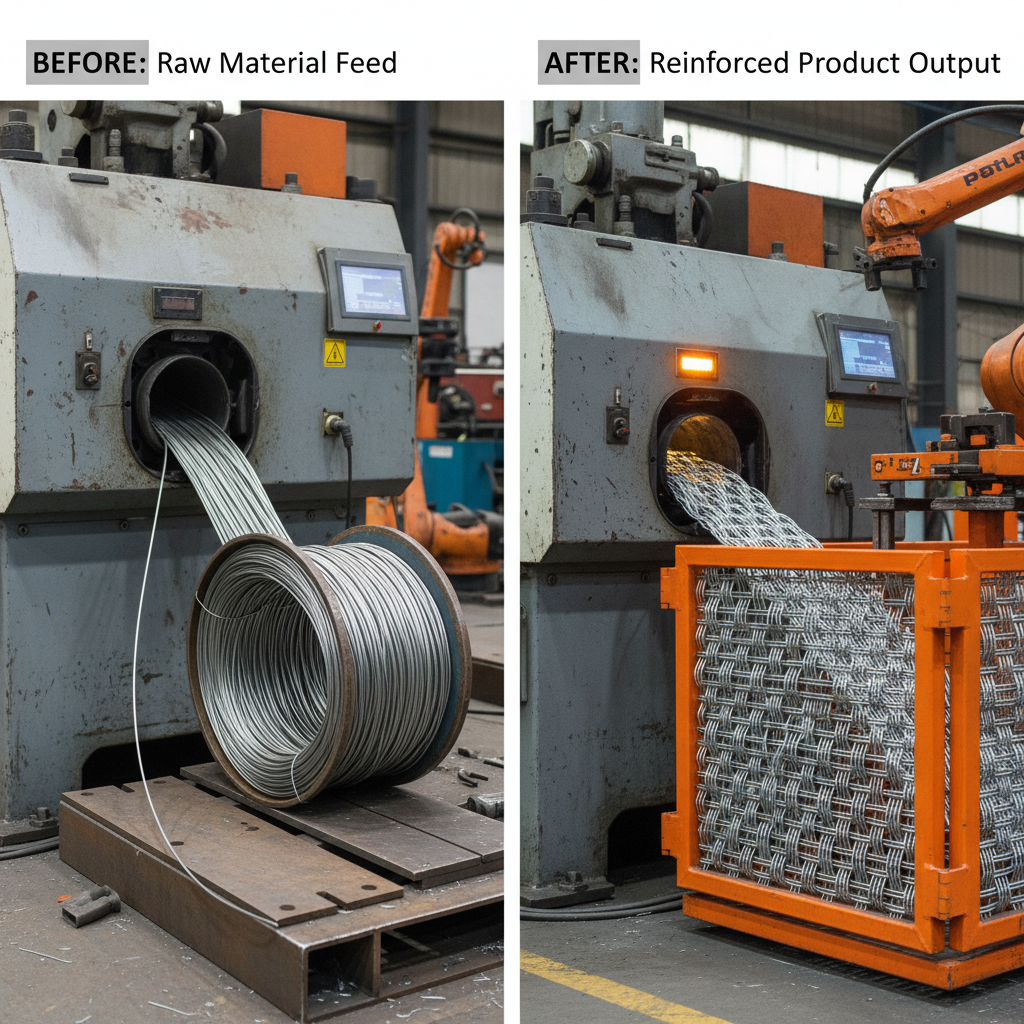
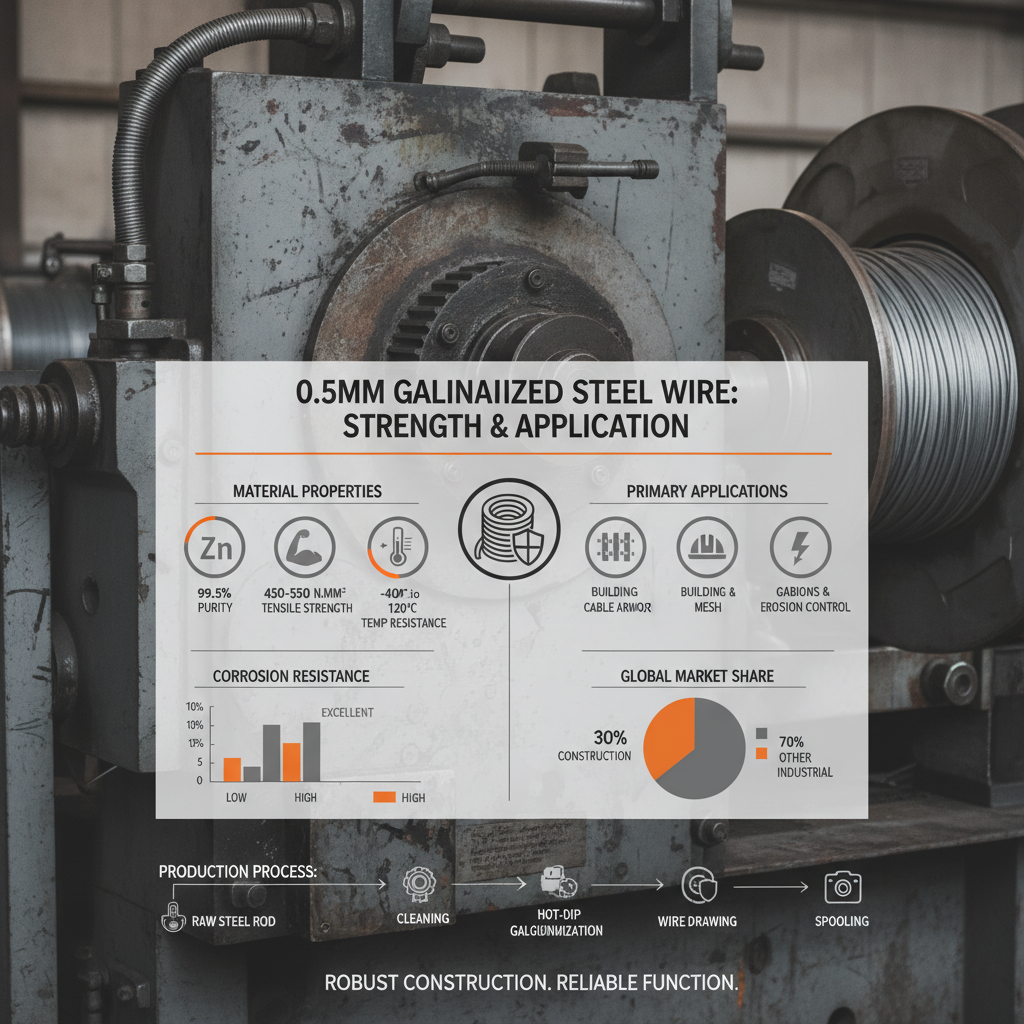
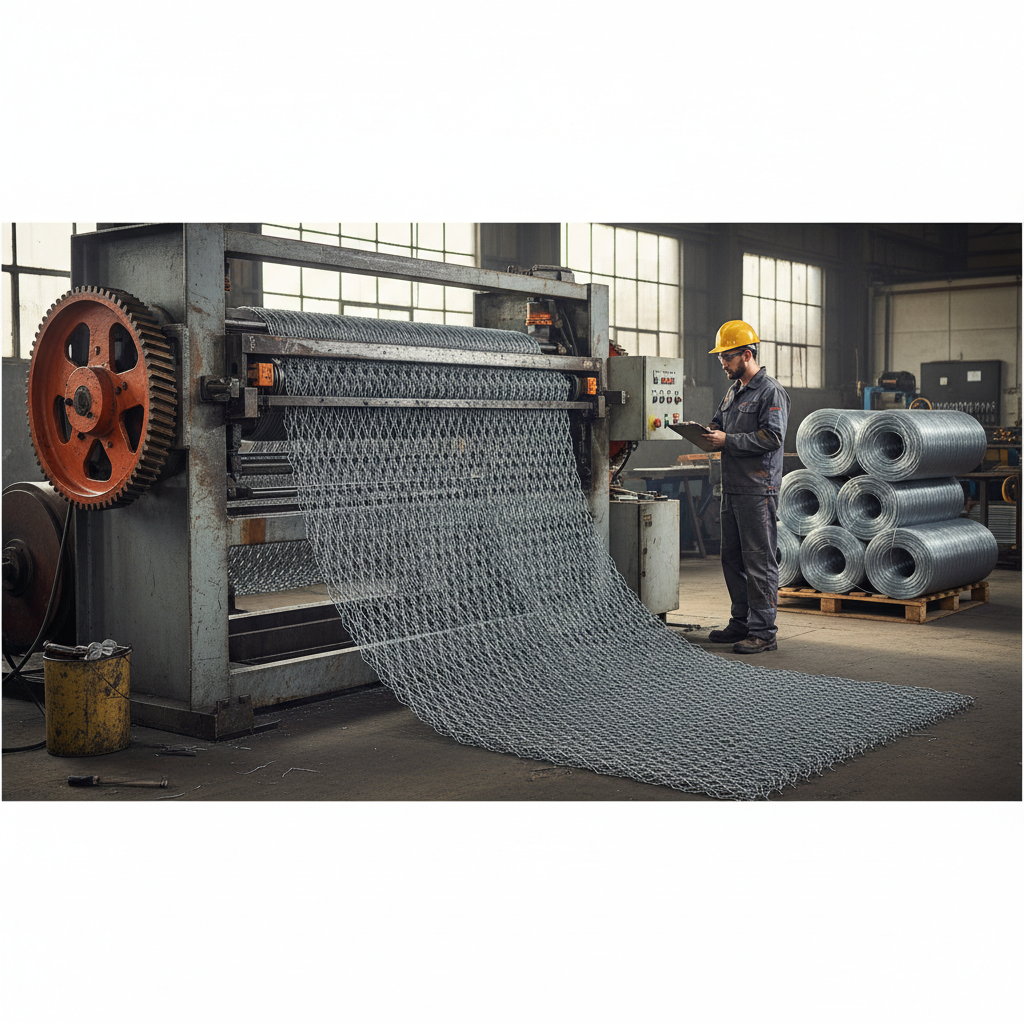
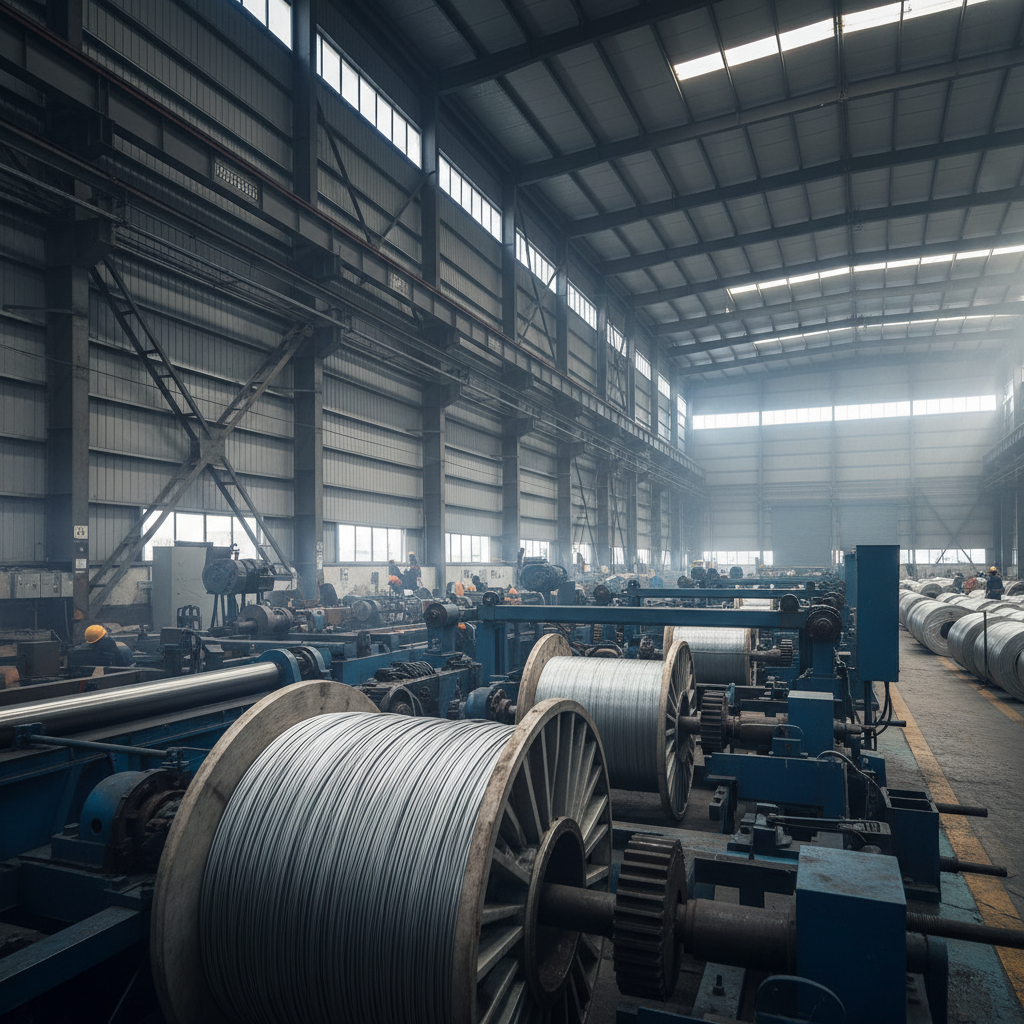
0.5mm galvanized wire, a seemingly simple material, plays a crucial role in countless applications worldwide, from securing infrastructure to supporting agricultural practices and enabling rapid disaster response. Its combination of strength, corrosion resistance, and affordability makes it an essential component in diverse sectors. Understanding the properties and applications of this wire is vital for engineers, construction professionals, aid organizations, and anyone involved in building and maintaining a resilient world.
The global demand for 0.5mm galvanized wire is steadily increasing, driven by expanding infrastructure projects in developing nations, a growing awareness of the need for corrosion protection in coastal environments, and the escalating frequency of natural disasters. According to the World Steel Association, galvanized steel production reached record levels in recent years, indicating a strong reliance on this protective coating. This demand highlights the importance of sustainable sourcing and efficient production methods for 0.5mm galvanized wire to meet the world’s growing needs.
At its core, 0.5mm galvanized wire provides a cost-effective and reliable solution to combat corrosion, significantly extending the lifespan of structures and materials. Its versatility allows for widespread use, empowering communities and industries across the globe. From reinforcing concrete to crafting secure fencing, the impact of this often-unseen material is immense, and continued innovation promises even broader applications in the future.
The Significance of 0.5mm Galvanized Wire
0.5mm galvanized wire holds a significant position due to its unique balance of properties. Its relatively small diameter allows for flexibility and ease of manipulation in a wide range of applications, while the galvanization process provides crucial protection against environmental degradation. This makes it suitable for environments where other materials would quickly corrode and fail. 0.5mm galvanized wire is often used in applications requiring repeated bending or shaping without compromising structural integrity.
Beyond its practical applications, 0.5mm galvanized wire contributes to sustainability by extending the lifespan of projects, reducing the need for frequent replacements and minimizing waste. By choosing galvanized wire, projects can reduce their overall environmental footprint and contribute to a more responsible and circular economy.
Understanding 0.5mm Galvanized Wire: A Definition
0.5mm galvanized wire is a steel wire that has been coated with a layer of zinc through a process called galvanization. The '0.5mm' refers to the wire’s diameter, making it a relatively thin gauge. This coating provides exceptional corrosion resistance, protecting the steel from rust and environmental damage. The zinc acts as a sacrificial anode, corroding before the steel itself, thereby preserving the structural integrity of the wire.
This wire isn't just a commodity; it’s a fundamental building block for numerous industries. It’s directly connected to modern infrastructure development and humanitarian aid, providing essential materials for constructing shelters, securing crops, and reinforcing structures in both developed and developing nations. Its affordability and ease of use make it a practical choice for a diverse range of applications.
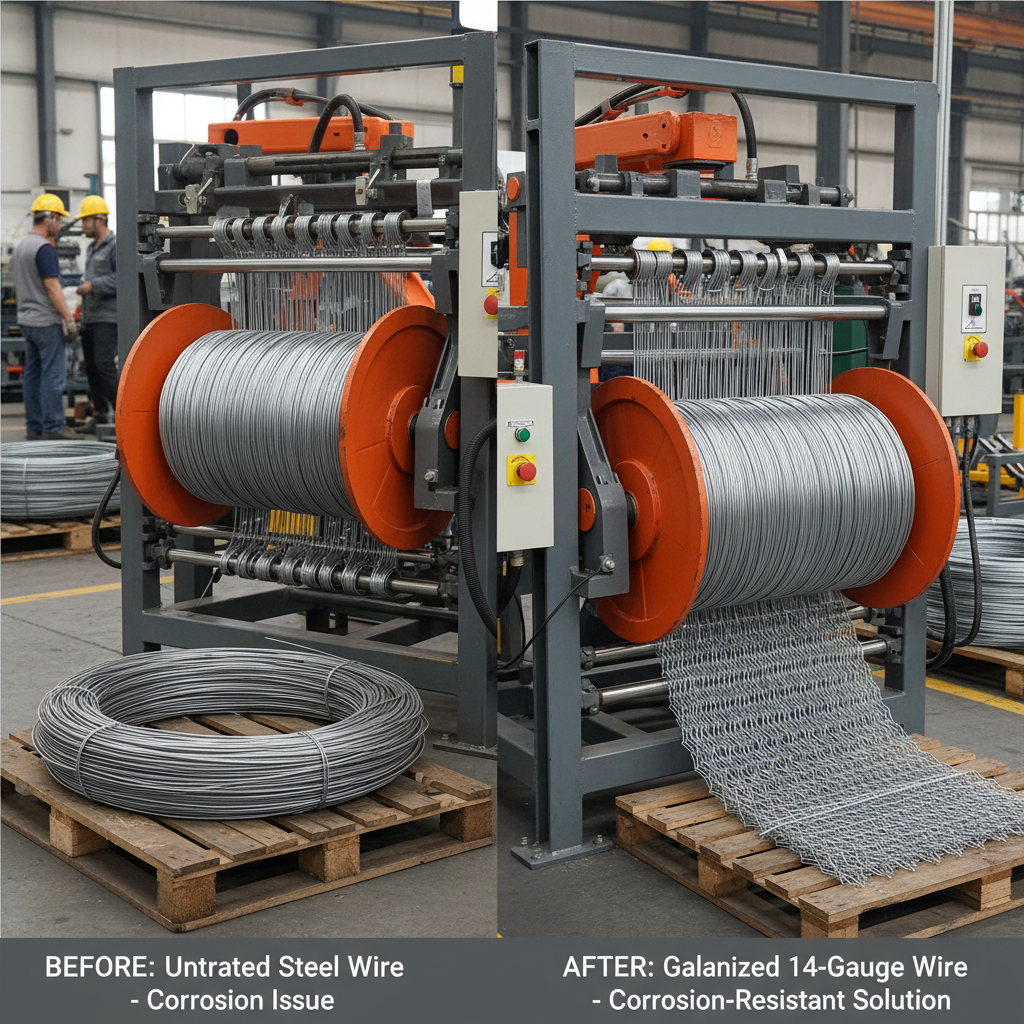
The galvanization process significantly enhances the wire’s usability. Without it, steel would quickly succumb to rust, leading to failures and costly replacements. 0.5mm galvanized wire, therefore, becomes a reliable and long-lasting material, contributing to more sustainable and resilient projects.
Core Properties of 0.5mm Galvanized Wire
One of the defining characteristics of 0.5mm galvanized wire is its exceptional durability. The zinc coating creates a protective barrier, shielding the steel from moisture, chemicals, and other corrosive elements. This durability translates into a longer lifespan for structures and applications where the wire is utilized, reducing maintenance and replacement costs.
The flexibility of 0.5mm galvanized wire is another key property. Its relatively small diameter allows for easy bending, shaping, and manipulation, making it ideal for applications requiring intricate designs or adaptable forms. This flexibility doesn’t compromise its strength, allowing it to maintain structural integrity even when subjected to bending or tension.
Cost-effectiveness is a significant advantage of 0.5mm galvanized wire. Compared to other corrosion-resistant materials like stainless steel or brass, galvanized wire offers a comparable level of protection at a significantly lower price point. This makes it an attractive option for projects with budget constraints without sacrificing quality or longevity.
Real-World Applications of 0.5mm Galvanized Wire
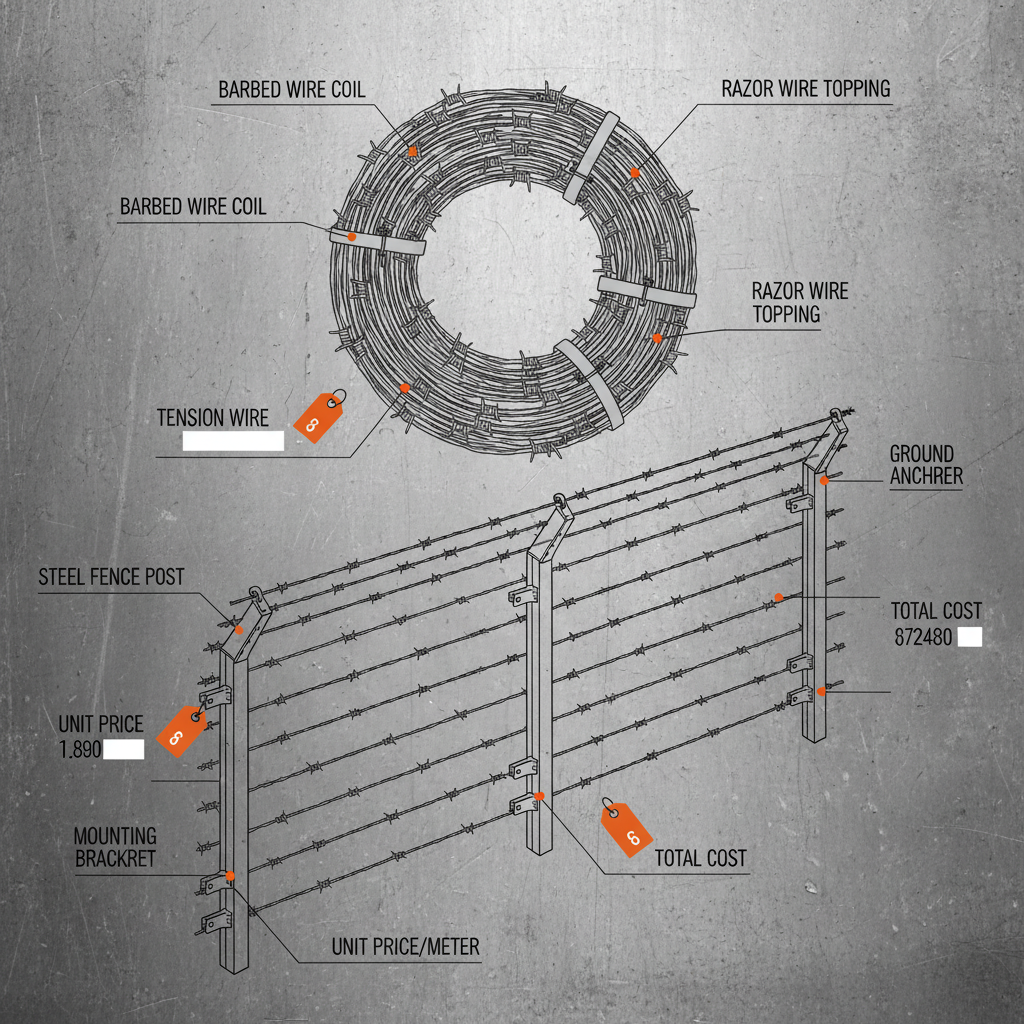
0.5mm galvanized wire is prominently featured in agriculture, used for fencing to protect crops and livestock from predators and harsh weather conditions. It’s also vital in construction, where it’s employed to reinforce concrete, create wire mesh, and secure building materials. The wire’s corrosion resistance makes it especially valuable in coastal areas or environments prone to humidity.
In the telecommunications industry, 0.5mm galvanized wire can be found in cable stays, supporting structures, and grounding systems. Its strength and resistance to environmental factors ensure reliable performance even in challenging conditions. The same properties make it a popular choice for securing signage and displays in outdoor settings.
0.5mm Galvanized Wire Application Performance Ratings
Global Impact and Industry Benefits
0.5mm galvanized wire has a wide-reaching global impact. In post-disaster relief operations, it's crucial for constructing temporary shelters, securing debris, and establishing communication networks. In remote industrial zones, it provides essential materials for infrastructure development and ongoing maintenance. Its accessibility and cost-effectiveness make it an ideal choice for projects with limited resources.
Industries like manufacturing benefit from the wire’s versatility, utilizing it in the production of various components and products. The automotive industry uses it in cable ties and securing mechanisms, while the packaging industry relies on it for creating secure closures and reinforcing packaging materials.
Advantages and Long-Term Value Proposition
The advantages of using 0.5mm galvanized wire extend beyond immediate cost savings. Its longevity significantly reduces long-term maintenance and replacement costs, making it a fiscally responsible choice. The material’s inherent safety features, such as its resistance to corrosion and its ability to withstand significant stress, contribute to a more secure environment.
From a social impact perspective, 0.5mm galvanized wire enables the construction of durable and reliable infrastructure, empowering communities and improving quality of life. The innovation inherent in the galvanization process itself—continuously refined to enhance corrosion resistance and sustainability—demonstrates a commitment to responsible material science. This builds trust with consumers and partners alike.
Future Trends and Innovation in 0.5mm Galvanized Wire
The future of 0.5mm galvanized wire is intertwined with the broader trends of sustainability and technological advancement. Researchers are exploring new galvanization techniques that utilize more environmentally friendly processes and reduce waste. The integration of smart coatings and sensors into galvanized wire is also a growing area of interest, enabling real-time monitoring of corrosion levels and structural integrity.
As the demand for renewable energy increases, 0.5mm galvanized wire will play a crucial role in constructing and maintaining wind turbines, solar panels, and other green energy infrastructure. Furthermore, the rise of automation and digital transformation in manufacturing will drive the development of more efficient and precise galvanization processes, leading to higher quality and lower production costs.
Summary of Key Challenges and Solutions for 0.5mm Galvanized Wire
| Challenge |
Impact on 0.5mm Galvanized Wire |
Potential Solution |
Implementation Cost (1-10) |
| Environmental Impact of Zinc Production |
Higher carbon footprint, potential pollution |
Utilize recycled zinc, optimize production processes |
7 |
| Galvanization Process Inconsistencies |
Variable coating thickness, potential corrosion issues |
Implement automated process control systems |
8 |
| Competition from Alternative Materials |
Loss of market share to stainless steel or plastics |
Highlight cost-effectiveness and corrosion resistance |
4 |
| Supply Chain Disruptions |
Delays in production, increased costs |
Diversify sourcing, build strategic partnerships |
6 |
| Limited Traceability of Zinc Source |
Difficulty verifying ethical and sustainable sourcing |
Implement blockchain technology for supply chain tracking |
9 |
| Waste Generation during Galvanization |
Disposal of by-products, environmental concerns |
Develop closed-loop systems for waste recovery and reuse |
7 |
FAQS
0.5mm galvanized wire offers a compelling balance of strength, affordability, and corrosion resistance. While plastic might be cheaper initially, it lacks the structural integrity and longevity of galvanized steel. Stainless steel, although highly corrosion-resistant, comes at a significantly higher cost. Galvanized wire effectively bridges the gap, providing robust protection against environmental degradation at a reasonable price point, making it ideal for a wide range of applications where cost-effectiveness is crucial.
Traditionally, the galvanization process has environmental implications due to zinc production and potential waste generation. However, ongoing advancements are mitigating these concerns. Utilizing recycled zinc, optimizing production processes to minimize waste, and developing closed-loop systems for by-product recovery are key strategies. Additionally, the extended lifespan of galvanized wire reduces the need for frequent replacements, decreasing overall material consumption and environmental impact.
Due to its corrosion resistance, 0.5mm galvanized wire generally requires minimal maintenance. Periodic inspections are recommended to identify any areas of damage or wear, particularly in harsh environments. Minor scratches or abrasions can be addressed with touch-up paint specifically designed for galvanized surfaces. However, compared to materials prone to rust, galvanized wire offers a significantly reduced maintenance burden, saving time and resources.
Yes, 0.5mm galvanized wire exhibits excellent performance in saltwater and marine environments, though the rate of corrosion is higher than in freshwater settings. For particularly harsh marine conditions, thicker galvanization coatings or specialized alloys may be recommended. Regular inspections are crucial to monitor for corrosion and ensure long-term structural integrity. However, even in challenging marine environments, galvanized wire provides a cost-effective and reliable solution.
When handling 0.5mm galvanized wire, it’s important to wear appropriate personal protective equipment (PPE), including gloves and eye protection, to prevent skin irritation and injury from sharp edges. Proper ventilation is recommended when cutting or welding galvanized wire to avoid inhaling zinc fumes. Follow standard safety protocols for working with metal materials to ensure a safe working environment.
The 0.5mm diameter strikes a balance between strength and flexibility. This size is ideal for applications needing conformability, such as tying, binding, or creating intricate structures. While it’s not as strong as thicker gauges, its flexibility allows for ease of use in applications where substantial load-bearing capacity isn't the primary concern. This versatility makes it a popular choice across diverse industries.
Conclusion
0.5mm galvanized wire stands as a testament to the power of simple yet effective materials. Its unique combination of durability, flexibility, and cost-effectiveness makes it an indispensable component in countless applications worldwide. From reinforcing infrastructure to aiding disaster relief efforts, this wire plays a crucial role in building a more resilient and sustainable future.
Looking ahead, continued innovation in galvanization techniques, coupled with a growing emphasis on sustainable sourcing and responsible manufacturing, will only enhance the value of 0.5mm galvanized wire. We invite you to explore our extensive range of high-quality galvanized wire products and discover how Fivestar Metals can meet your specific needs.