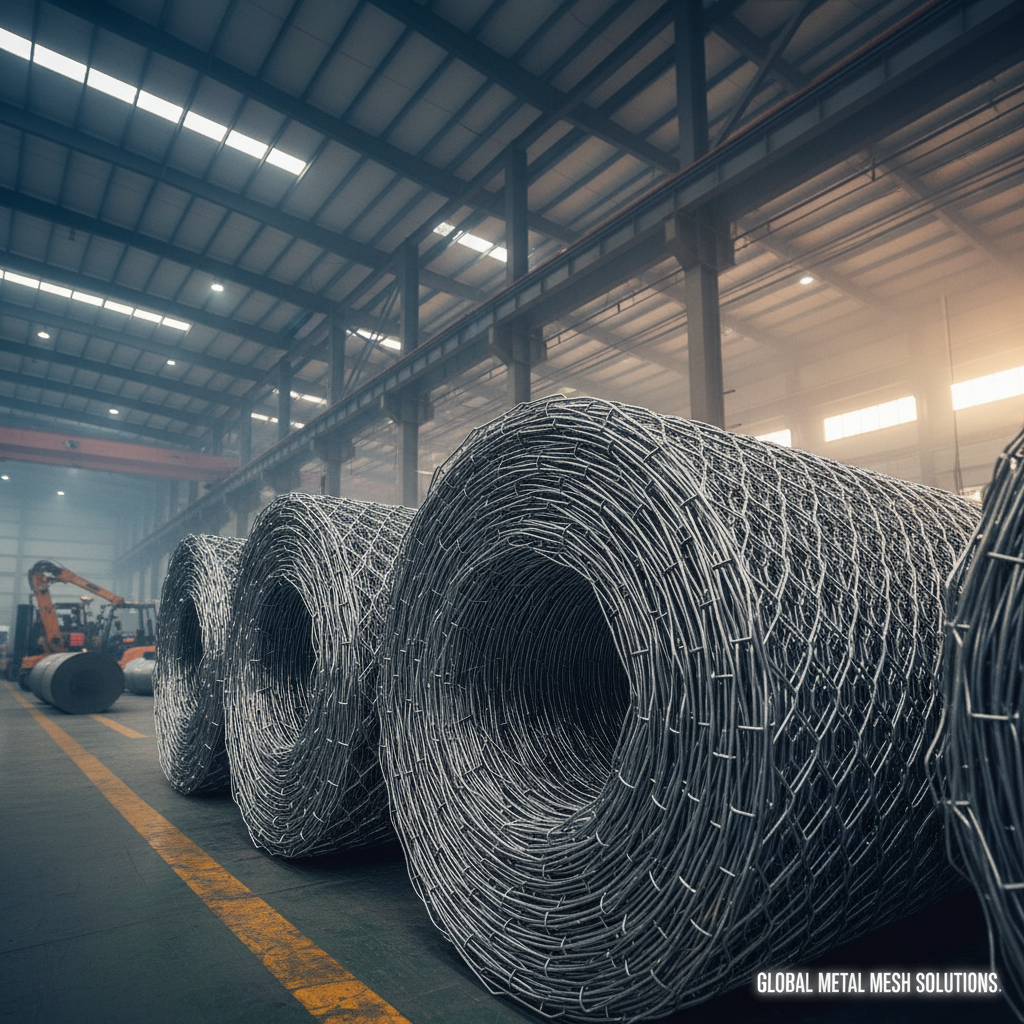
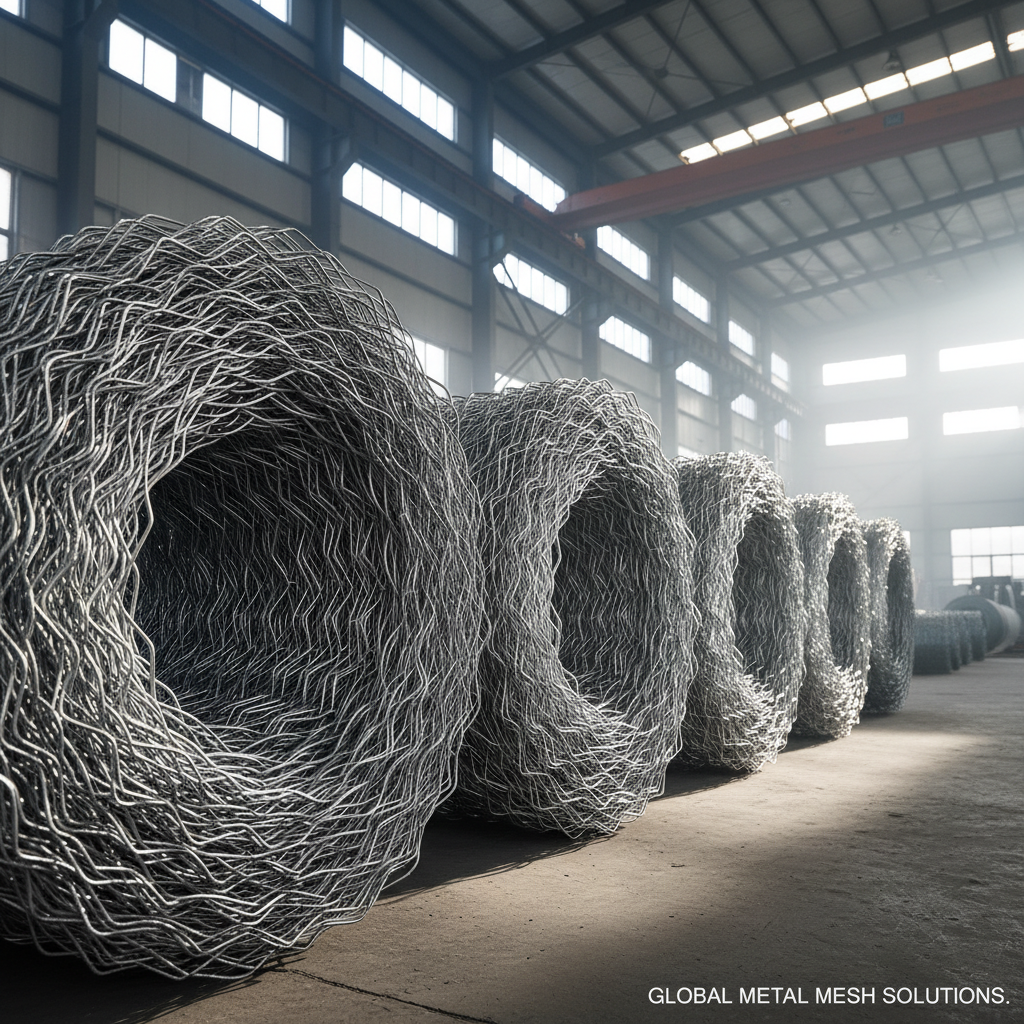
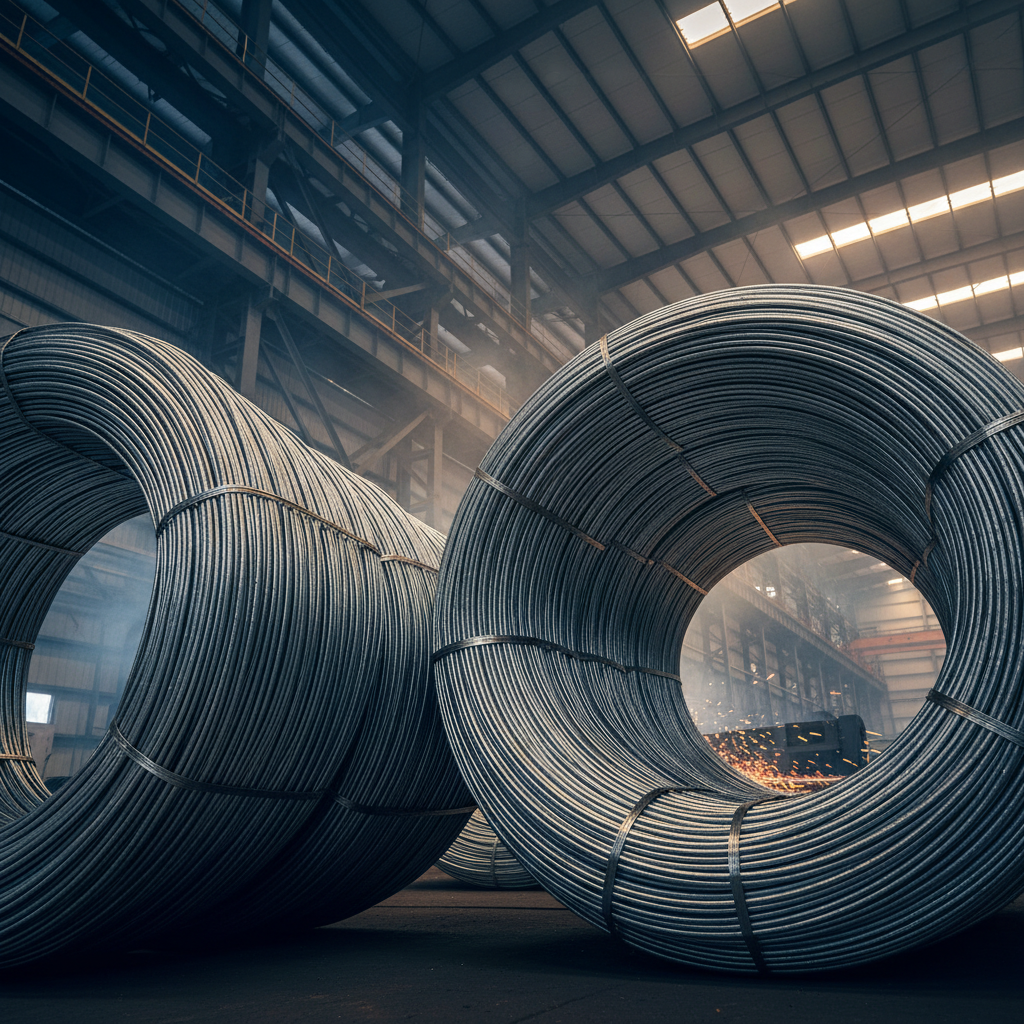
Chicken wire galvanized is a versatile and widely used woven mesh material, essential in countless applications from agriculture and construction to security and crafting. Its inherent strength, combined with the protective layer of galvanization, ensures longevity and resistance to corrosion, making it a cornerstone material globally. Understanding its properties and uses is crucial for efficient project planning and cost-effective solutions.
The global demand for chicken wire galvanized is significant, driven by the increasing needs of livestock farming, poultry enclosures, and building infrastructure, particularly in developing nations. According to the World Steel Association, galvanized steel production represents a substantial portion of the overall steel market, indicating the widespread reliance on this protective coating. Addressing challenges like material sourcing and sustainable manufacturing are key to meeting this demand responsibly.
This robust material plays a critical role in humanitarian efforts, offering rapid deployment solutions for temporary shelters and secure perimeters in disaster relief scenarios. Its affordability and ease of installation make it an invaluable asset in providing immediate protection and support to affected communities.
The Fundamental Properties of chicken wire galvanized
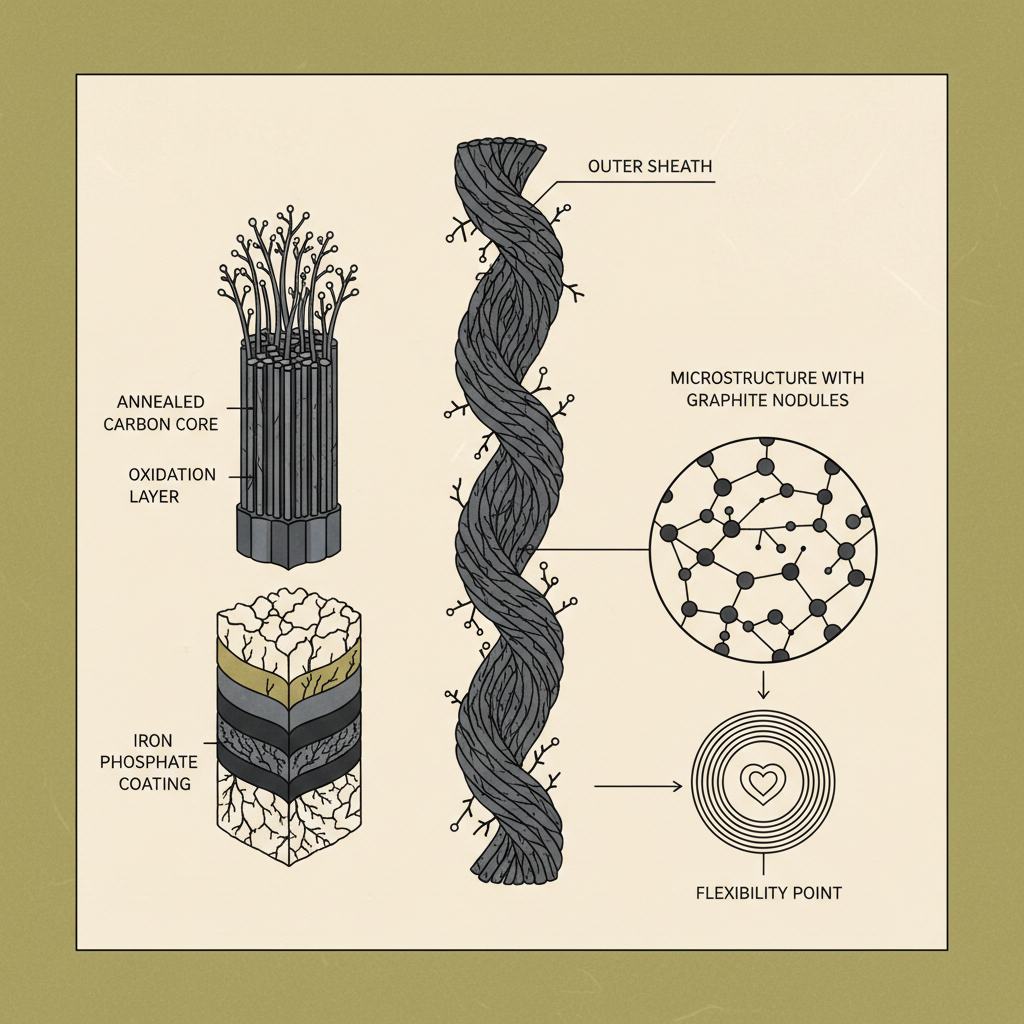
Chicken wire galvanized, at its core, is characterized by its flexibility and strength. The woven wire construction provides a resilient barrier, capable of containing animals, supporting plants, or providing security. The galvanization process – applying a protective zinc coating – is critical. It significantly enhances the wire's resistance to rust and corrosion, extending its lifespan even in harsh environments.
The gauge (thickness) of the wire and the mesh size (distance between the wires) determine the specific applications. Heavier gauge wires and smaller mesh sizes provide greater strength and security, while lighter gauges and larger meshes are more suitable for gardening and agricultural uses. Selecting the appropriate chicken wire galvanized is crucial for optimal performance.
The Historical Development of chicken wire galvanized
The origins of wire mesh can be traced back to ancient civilizations, but the modern form of chicken wire emerged in the late 19th century. Initially, it was primarily used for poultry enclosures – hence the name. The development of efficient galvanization techniques in the early 20th century significantly boosted its popularity, making it a more durable and reliable material for a wider range of applications.
Early manufacturing processes were labor-intensive, but advancements in automation dramatically increased production capacity and reduced costs. This widespread availability contributed to its adoption in construction, agriculture, and various industrial sectors. Understanding this history provides valuable context to its current prominence.
The continuous improvement of galvanization methods, from hot-dip galvanizing to electrogalvanizing, has played a key role in extending the service life and enhancing the protective qualities of chicken wire, making it a staple material for both indoor and outdoor use.
Manufacturing Processes of chicken wire galvanized
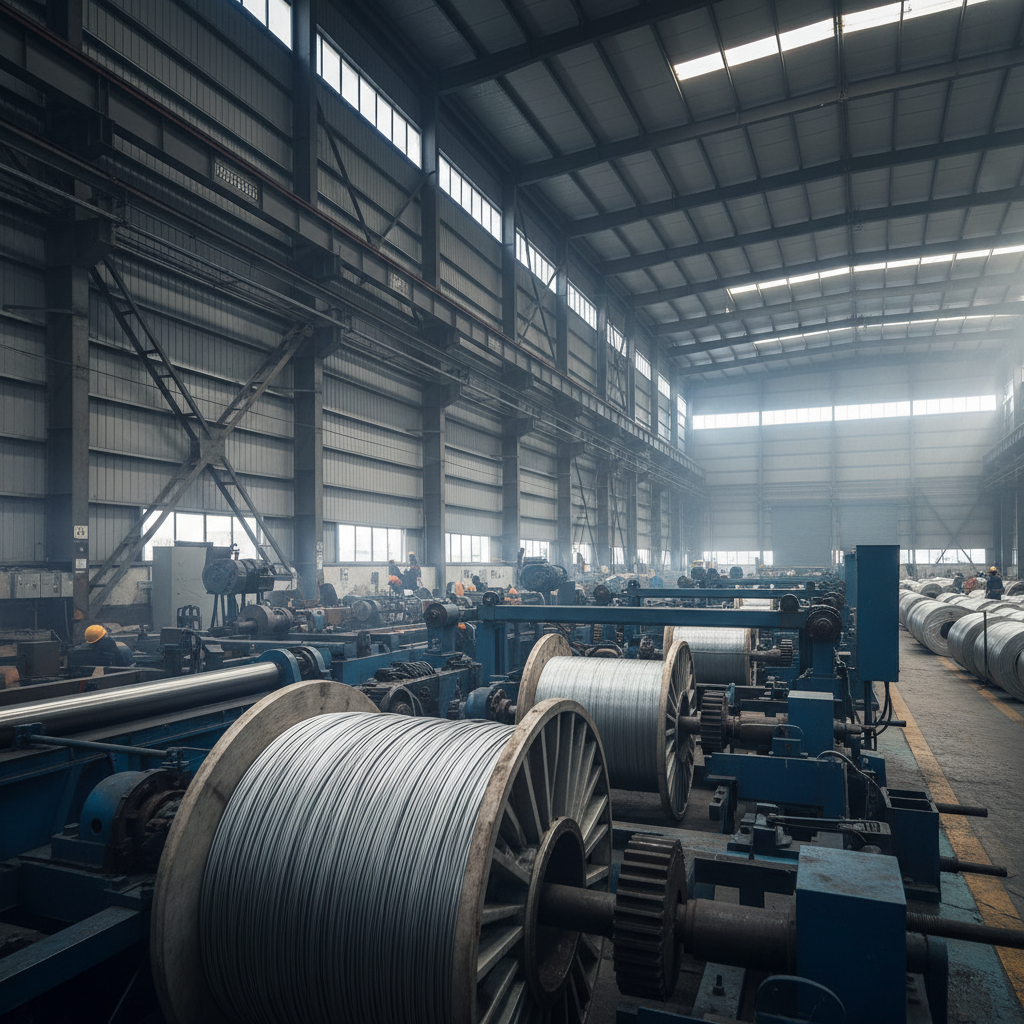
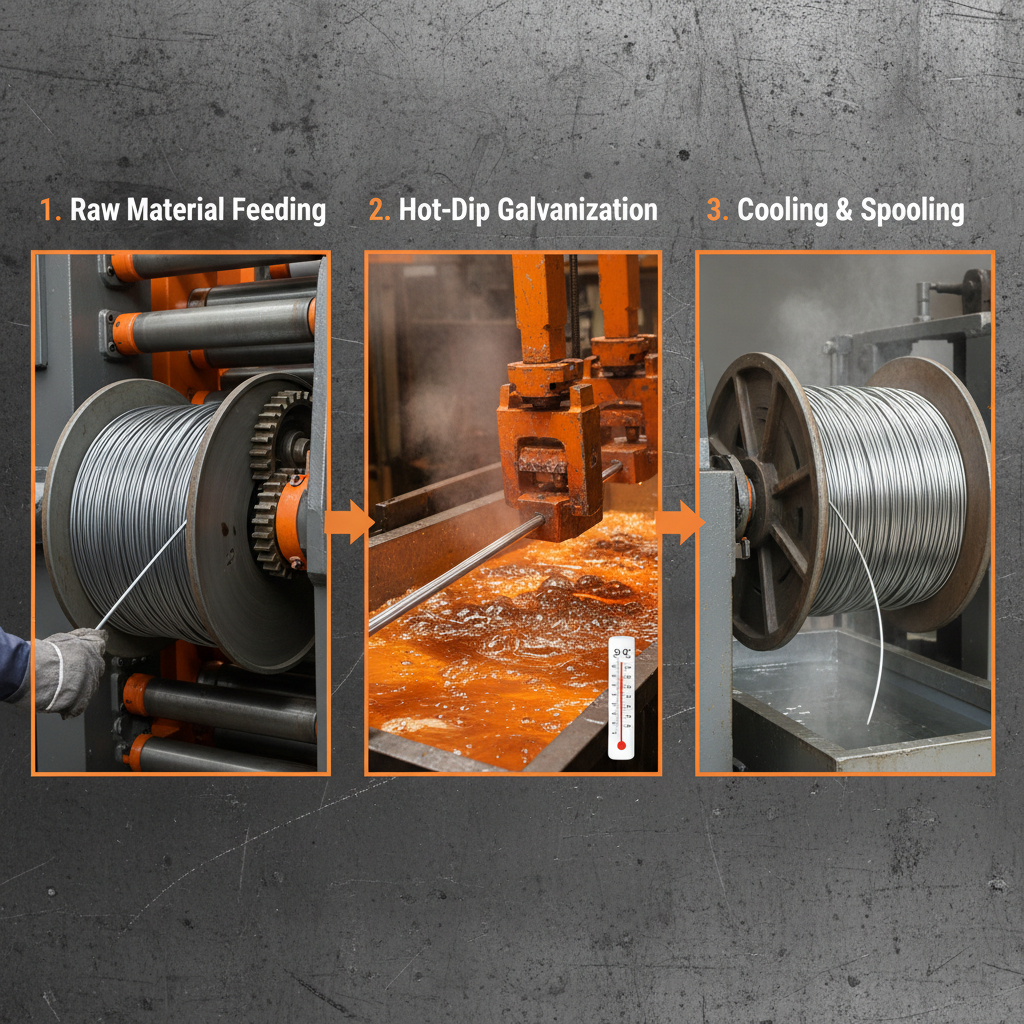
The manufacturing of chicken wire galvanized involves several key stages. It begins with drawing steel wire to the desired gauge. This wire is then fed into a wire weaving machine, which interlocks the wires to create the characteristic hexagonal mesh pattern. This process requires precise engineering to ensure consistent mesh size and wire tension.
Following the weaving process, the chicken wire undergoes galvanization. The most common method is hot-dip galvanizing, where the wire mesh is submerged in a bath of molten zinc. This creates a metallurgical bond between the zinc and the steel, providing a robust and long-lasting protective coating. Electrogalvanizing is an alternative, utilizing an electrolytic process to deposit zinc onto the wire.
Quality control is essential throughout the manufacturing process. Regular inspections are conducted to ensure adherence to industry standards and customer specifications. This includes verifying wire gauge, mesh size, coating thickness, and overall structural integrity. Proper manufacturing is critical to producing high-quality chicken wire galvanized.
Cost Analysis and Economic Impact of chicken wire galvanized
Chicken wire galvanized remains a highly cost-effective solution for a variety of applications. Compared to alternative materials like welded wire or solid fencing, it offers a significant price advantage, particularly for large-scale projects. The cost is influenced by factors such as wire gauge, mesh size, coating thickness, and order volume.
The economic impact extends beyond the initial material cost. Its durability and low maintenance requirements translate into long-term savings. Furthermore, the ease of installation reduces labor costs, contributing to overall project efficiency.
Cost Comparison of Different Mesh Materials
Global Applications and Industry Standards for chicken wire galvanized
The applications of chicken wire galvanized are incredibly diverse. In agriculture, it is used for creating poultry runs, protecting crops from pests, and constructing temporary fencing. Construction utilizes it for lathing (providing a base for plaster), reinforcing concrete, and creating safety barriers.
Industries like mining and manufacturing leverage its strength and durability for screening, filtration, and protective enclosures. Its use extends to crafting, DIY projects, and even specialized applications like creating molds for ceramics and sculptures. Regions with robust agricultural sectors, like Southeast Asia and South America, are significant consumers of chicken wire.
Environmental Considerations of chicken wire galvanized
While galvanization significantly extends the lifespan of steel, the environmental impact of zinc production and the potential for zinc leaching are concerns. However, modern galvanization processes are continually evolving to minimize these effects.
Recycling chicken wire galvanized is crucial to reduce waste and conserve resources. The zinc coating can be recovered during the steel recycling process, contributing to a circular economy. Choosing manufacturers committed to sustainable practices is a responsible approach.
Research is ongoing to develop alternative coatings and more environmentally friendly galvanization techniques, further reducing the environmental footprint of this essential material.
Future Trends and Innovations in chicken wire galvanized
The future of chicken wire galvanized is focused on enhancing its sustainability and performance. Innovations in coating technologies, such as the development of zinc-aluminum alloys, offer improved corrosion resistance and potentially lower environmental impact.
Automation in manufacturing processes will continue to drive down costs and improve efficiency. Smart mesh systems, incorporating sensors for monitoring environmental conditions or security breaches, represent a potential area of future development.
The integration of digital technologies, like IoT-enabled monitoring of corrosion levels, will enable proactive maintenance and extend the lifespan of chicken wire galvanized installations.
Summary of Future Trends in Chicken Wire Galvanized
| Trend Category |
Innovation Focus |
Potential Impact |
Adoption Timeline |
| Coating Technology |
Zinc-Aluminum Alloys |
Enhanced Corrosion Resistance, Reduced Zinc Usage |
Short-Term (1-3 years) |
| Manufacturing Automation |
Robotic Weaving & Coating |
Reduced Costs, Increased Production Capacity |
Medium-Term (3-5 years) |
| Smart Mesh Systems |
Integrated Sensors |
Real-Time Monitoring, Enhanced Security |
Long-Term (5-10 years) |
| Digital Integration |
IoT-Enabled Monitoring |
Predictive Maintenance, Extended Lifespan |
Medium-Term (3-5 years) |
| Sustainable Materials |
Bio-based Coatings |
Reduced Environmental Footprint |
Long-Term (5-10 years) |
| Recycling Technologies |
Improved Zinc Recovery |
Circular Economy, Resource Conservation |
Short-Term (1-3 years) |
FAQS
The lifespan of chicken wire galvanized varies depending on environmental conditions and the thickness of the zinc coating. Typically, it can last anywhere from 5 to 20 years. Coastal areas with high salt content will see a shorter lifespan, while inland, less corrosive environments will allow for a longer service life. Proper installation and maintenance can also extend its longevity.
Small tears or breaks in chicken wire galvanized can often be repaired using wire ties or hog rings. For larger damage, it may be necessary to replace the affected section. Applying a zinc-rich paint or coating to exposed steel can help prevent further corrosion. It's essential to address damage promptly to maintain the integrity of the mesh.
Galvanized chicken wire has a zinc coating that protects against corrosion. PVC-coated chicken wire adds a layer of plastic over the galvanization, providing even greater protection and a colored finish. PVC coating is ideal for applications where aesthetics are important or where a non-conductive barrier is needed. However, PVC coating adds to the cost.
Generally, chicken wire galvanized is considered safe for use around animals, but it's important to ensure the edges are smooth and free of sharp points. Animals may be injured by rough edges. Using appropriate fasteners and ensuring proper installation can minimize risks. Always monitor animals for any signs of injury.
Rabbits can squeeze through surprisingly small openings. For effective rabbit containment, a mesh size of 1 inch x 1 inch or smaller is recommended. A heavier gauge wire is also advisable, as rabbits may attempt to gnaw through the mesh. Proper burying of the wire along the base is also crucial to prevent digging underneath.
Proper installation involves stretching the wire taut and securing it to sturdy posts using staples, wire ties, or clips. Ensure the wire is pulled tight to prevent sagging. Overlap edges by several inches and secure them firmly. Consider using a wire stretcher for larger areas. Avoid using materials that could corrode and weaken the installation.
Conclusion
In conclusion, chicken wire galvanized remains an indispensable material across diverse industries, offering a balance of affordability, durability, and versatility. Its evolution from simple poultry fencing to a cornerstone material in construction, agriculture, and beyond underscores its adaptability and enduring relevance. Understanding its properties, manufacturing processes, and applications is essential for informed decision-making.
Looking ahead, continued innovation in coating technologies, manufacturing automation, and sustainable practices will further enhance the value of chicken wire galvanized. By embracing these advancements, we can maximize its benefits while minimizing its environmental impact. For high-quality chicken wire galvanized and expert advice, visit our website today!