Galvanized wire supplier plays a critical role in modern infrastructure and a surprising number of everyday applications. From securing fencing and agricultural structures to providing corrosion resistance in industrial settings, a reliable galvanized wire supplier is fundamental. The global demand for galvanized wire is consistently strong, driven by growth in construction, agriculture, and manufacturing, especially in developing nations. Ensuring consistent quality and timely delivery from a trusted supplier is paramount for projects of all scales.
The global galvanized wire market is estimated to reach substantial figures in the coming years, fuelled by urbanization and infrastructure development, particularly in Asia-Pacific. According to industry reports, the demand for corrosion-resistant materials is increasing due to environmental concerns and the need for long-lasting infrastructure. A dependable galvanized wire supplier needs to navigate supply chain challenges, quality control standards (like ISO certifications), and increasingly stringent environmental regulations.
Understanding the nuances of galvanized wire sourcing – from zinc coating types to wire gauge and tensile strength – is essential for project success. Choosing the right supplier can mean the difference between a durable, long-lasting installation and premature failure, ultimately impacting cost, safety, and sustainability. This article explores the key aspects of working with a galvanized wire supplier, encompassing definitions, applications, advantages, and future trends.
Introduction to galvanized wire supplier
A galvanized wire supplier isn’t merely a vendor; they are a critical link in the supply chain for industries reliant on corrosion-resistant materials. They specialize in providing wire that has undergone a galvanization process—typically involving a zinc coating—to protect it from rust and environmental degradation. The quality of the galvanization directly affects the lifespan and performance of any structure or product utilizing the wire. Choosing a suitable galvanized wire supplier requires careful consideration of factors beyond price.
The role extends beyond simply stocking and selling wire. A comprehensive galvanized wire supplier will offer various wire gauges, zinc coating thicknesses, and tensile strengths to meet diverse application requirements. They will also provide technical expertise, quality certifications, and logistical support to ensure a seamless supply chain for their customers. This expertise is especially vital as industries demand increasingly specific and high-performance materials.
Defining the Role of a galvanized wire supplier
A galvanized wire supplier is a company that specializes in the distribution of steel wire that has been coated with zinc. This zinc coating acts as a barrier against corrosion, protecting the underlying steel from rust and extending the wire’s lifespan, particularly in harsh environmental conditions. The supplier typically sources wire in bulk from manufacturers and then distributes it to various industries, often cutting and packaging it to specific customer requirements.
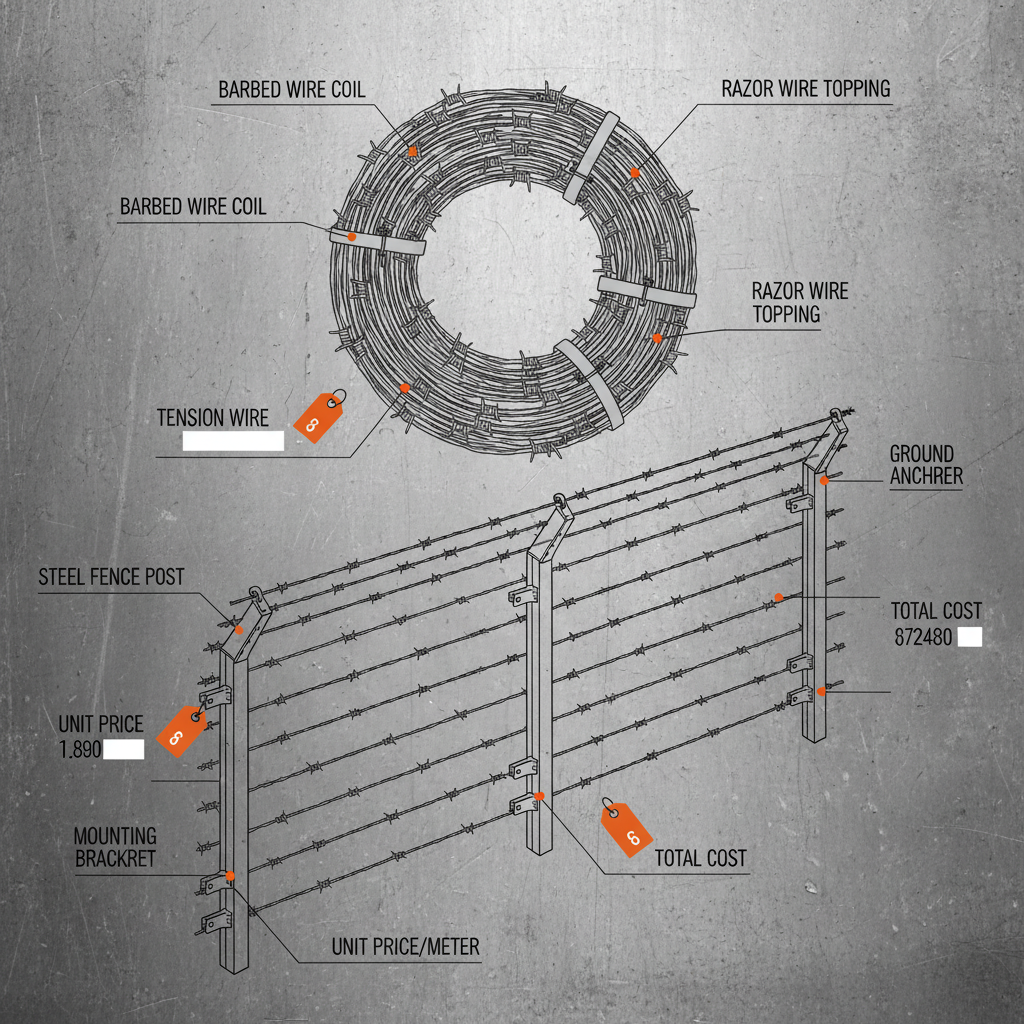
The connection to modern industry is substantial. Galvanized wire is ubiquitous in construction (fencing, roofing, rebar), agriculture (poultry netting, vineyard support), telecommunications (stay wires), and manufacturing (cable armoring, springs). Without reliable access to galvanized wire, many crucial infrastructure projects and industrial processes would be significantly hampered.
Furthermore, in humanitarian contexts, a readily available galvanized wire supplier is essential for rapid deployment of temporary shelters, securing food storage facilities, and constructing emergency infrastructure in disaster-stricken areas. The wire’s durability and resistance to the elements make it an indispensable material in these critical situations.
Key Attributes of a Reliable galvanized wire supplier
Reliability isn't just about delivering product; it’s about consistency. A dependable galvanized wire supplier should consistently meet specifications regarding wire gauge, zinc coating thickness, tensile strength, and overall quality. This consistency is crucial for maintaining the integrity of projects that rely on uniform material properties.
Beyond quality, responsiveness is paramount. A good supplier promptly addresses inquiries, provides accurate lead times, and efficiently handles order changes. Excellent communication and a proactive approach to problem-solving are hallmarks of a customer-focused supplier. They understand that delays or errors in material supply can have cascading effects on project schedules.
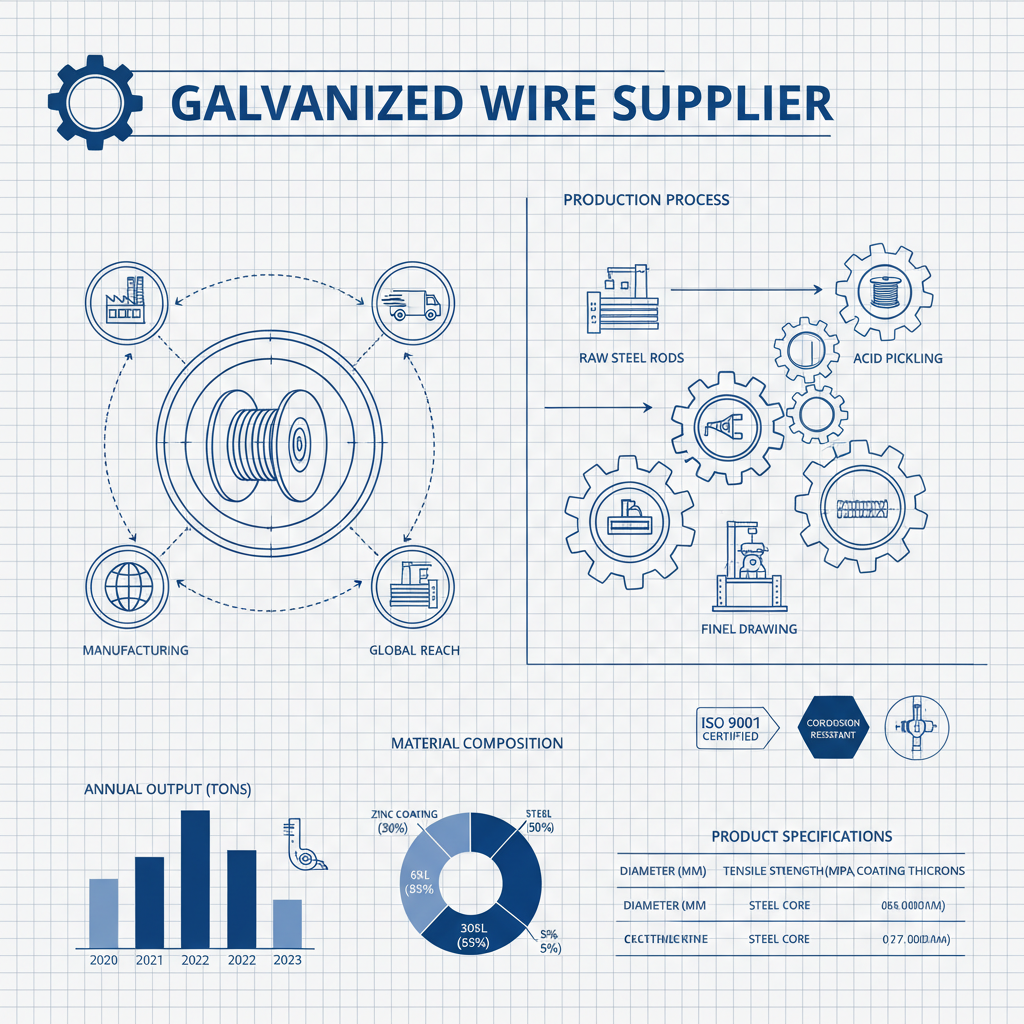
Finally, a credible supplier will have relevant certifications (like ISO 9001 for quality management) and provide documentation verifying the material’s compliance with industry standards. This demonstrates a commitment to quality control and assures customers that they are receiving a product that meets required specifications.
Core Components Influencing galvanized wire supplier Performance
Durability is perhaps the most critical factor. The zinc coating’s thickness and uniformity directly impact the wire’s resistance to corrosion. A higher-quality galvanization process, such as hot-dip galvanizing, provides a thicker and more durable coating, resulting in a longer lifespan for the wire. This is crucial for applications exposed to harsh weather conditions or corrosive environments.
Scalability allows a galvanized wire supplier to accommodate fluctuating demands. Whether a customer needs a small quantity for a repair job or a large volume for a major infrastructure project, the supplier must have the capacity to fulfill the order efficiently. This requires robust inventory management and strong relationships with manufacturing partners.
galvanized wire supplier Performance Metrics
Global Applications and Industries Served by a galvanized wire supplier
The agricultural sector is a major consumer of galvanized wire, utilizing it for fencing to protect crops and livestock, constructing poultry netting, and providing support for vineyards and orchards. In regions with intensive farming practices, like the Netherlands or California, the demand for high-quality galvanized wire is consistently high.
Construction relies heavily on galvanized wire for a multitude of applications, including reinforcing concrete (rebar), securing roofing materials, and creating durable fencing systems. Rapid urbanization in countries like India and China is driving substantial growth in the construction industry and, consequently, the demand for a reliable galvanized wire supplier.
Furthermore, galvanized wire plays a vital role in infrastructure projects, such as telecommunications networks, where it’s used as stay wire to support towers and poles. In remote industrial zones, where corrosion is a significant concern, galvanized wire is often chosen for its ability to withstand harsh environmental conditions.
Advantages of Partnering with a Quality galvanized wire supplier
Cost-effectiveness is a primary benefit. While the initial cost of galvanized wire may be slightly higher than uncoated steel, its extended lifespan significantly reduces long-term maintenance and replacement costs. This makes it a financially sound choice for projects requiring durability and longevity.
Sustainability is another key advantage. By reducing the need for frequent replacements, galvanized wire minimizes waste and conserves resources. The zinc coating is also recyclable, contributing to a more circular economy.
Future Trends and Innovations in the galvanized wire supplier Landscape
The development of advanced zinc alloys with improved corrosion resistance is a key trend. These alloys offer enhanced protection and can extend the lifespan of galvanized wire even further, particularly in aggressive environments. Research into alternative coatings, such as zinc-aluminum alloys, is also ongoing.
Digitalization is transforming the supply chain, with online ordering platforms, real-time inventory tracking, and automated logistics becoming increasingly common. This allows galvanized wire suppliers to offer greater transparency, faster delivery times, and improved customer service.
Sustainable manufacturing practices are gaining prominence, with suppliers adopting eco-friendly galvanization processes and reducing their carbon footprint. This is driven by both regulatory pressure and growing customer demand for environmentally responsible products.
Challenges and Solutions in the galvanized wire supplier Industry
One significant challenge is fluctuating zinc prices, which can impact the cost of galvanized wire. Suppliers mitigate this by establishing long-term contracts with zinc producers and employing hedging strategies to stabilize pricing. Another challenge is maintaining consistent quality control across large production volumes.
Supply chain disruptions, as experienced during recent global events, pose another hurdle. Building resilient supply chains through diversification of sourcing and strategic inventory management is essential. Investing in advanced testing and inspection technologies also helps ensure consistent quality.
Finally, evolving environmental regulations require suppliers to adopt more sustainable manufacturing processes. This can involve investing in cleaner production technologies, reducing waste, and implementing robust environmental management systems.
Summary of Challenges and Solutions for galvanized wire supplier
| Challenge |
Impact on galvanized wire supplier |
Solution |
Implementation Difficulty (1-10) |
| Zinc Price Volatility |
Increased production costs, unpredictable pricing |
Long-term contracts, hedging strategies |
7 |
| Quality Control Consistency |
Variations in coating thickness, potential for corrosion |
Advanced testing equipment, stringent QC protocols |
6 |
| Supply Chain Disruptions |
Material shortages, delayed deliveries |
Diversified sourcing, strategic inventory |
8 |
| Environmental Regulations |
Increased compliance costs, potential fines |
Sustainable manufacturing processes, waste reduction |
5 |
| Skilled Labor Shortage |
Difficulty maintaining expertise in galvanization processes |
Training programs, apprenticeship initiatives |
4 |
| Competition & Pricing Pressure |
Reduced profit margins, difficulty differentiating |
Value-added services, niche market focus |
7 |
FAQS
Lead times for large orders can vary depending on the wire gauge, coating thickness, and current production schedule. Generally, you can expect a lead time of 2-4 weeks, but it's best to contact a galvanized wire supplier directly for a precise quote and estimated delivery date. Factors like raw material availability and transportation logistics can also influence the timeframe. Planning ahead and placing orders well in advance is highly recommended, especially for critical projects.
Several zinc coating types exist, including hot-dip galvanizing, electrogalvanizing, and zinc-aluminum alloys like Galfan. Hot-dip galvanizing provides the thickest and most durable coating, ideal for harsh environments. Electrogalvanizing offers a smoother finish and is suitable for applications requiring precise dimensions. Galfan combines zinc, aluminum, and a small amount of mischmetal, providing enhanced corrosion resistance. Your galvanized wire supplier can advise on the best coating for your specific needs.
Look for certifications like ISO 9001 (quality management system) and ISO 14001 (environmental management system). These demonstrate a commitment to quality control and responsible manufacturing practices. Depending on your industry, other certifications, such as those related to specific product standards or regulatory requirements, may be necessary. A reputable galvanized wire supplier will readily provide documentation verifying their certifications.
Clearly communicate your project requirements to the galvanized wire supplier, including wire gauge, tensile strength, coating thickness, and any specific industry standards. Request a Certificate of Analysis (COA) for each batch of wire to verify its chemical composition and mechanical properties. Conduct your own quality control checks upon delivery to ensure the wire meets your expectations.
While both offer corrosion resistance, galvanized steel uses a zinc coating to protect the underlying steel, whereas stainless steel relies on the addition of chromium to create a self-passivating surface. Stainless steel generally offers superior corrosion resistance but is significantly more expensive. Galvanized steel is a cost-effective alternative for many applications where extreme corrosion resistance isn't required. A good galvanized wire supplier can help you evaluate which material is best suited for your needs.
Store galvanized wire in a dry, well-ventilated area to prevent corrosion. Avoid stacking it directly on the ground or exposing it to moisture. If the wire is stored outdoors, cover it with a waterproof tarp. Proper storage will help maintain the wire's protective coating and ensure its longevity. Contact your galvanized wire supplier for specific storage recommendations based on the wire type and coating.
Conclusion
In conclusion, selecting the right galvanized wire supplier is a crucial decision impacting project durability, cost-effectiveness, and sustainability. Factors such as coating quality, scalability, responsiveness, and adherence to industry standards are paramount. By understanding the nuances of galvanized wire and partnering with a reputable supplier, businesses can ensure they receive a reliable, high-performance material that meets their specific needs.
Looking ahead, advancements in zinc alloy technology, coupled with the growing adoption of digital supply chain solutions, promise to further enhance the quality and efficiency of galvanized wire procurement. Prioritizing sustainable manufacturing practices and building resilient supply chains will be essential for navigating future challenges and meeting the evolving demands of a global market. Visit our website at www.fivestar-metals.com to explore our comprehensive range of galvanized wire products and solutions.