Securing vast perimeters and managing livestock require a reliable structural foundation, and the barbed wire fence post serves as the critical backbone of these security systems. By providing the necessary tension and vertical support, these posts ensure that barbed wire remains taut and effective, preventing unauthorized access and ensuring animal containment. Understanding the nuances of post selection is essential for any land manager looking to maximize the longevity of their boundary markers.
Globally, the demand for high-quality fencing solutions is driven by the need for agricultural efficiency and border security. From the sprawling ranchlands of North America to the industrial zones of Southeast Asia, the stability of a fence is only as strong as the barbed wire fence post supporting it. Without a properly engineered post, wire sag occurs, compromising the security integrity and increasing the frequency of costly repairs.
In this comprehensive guide, we explore the technical specifications, material advantages, and strategic installation methods of the barbed wire fence post. Whether you are dealing with corrosive coastal environments or high-pressure livestock lean, choosing the right post material—be it galvanized steel, T-posts, or treated timber—determines the overall return on investment for your infrastructure project.
Global Importance of Barbed Wire Fence Post Systems
The global reliance on the barbed wire fence post extends beyond simple farming. According to international agricultural standards and land management data, the stability of border demarcations is pivotal for reducing land disputes and managing wildlife migration. In many developing regions, the implementation of standardized metal posts has replaced decaying wooden alternatives, significantly reducing the labor required for fence maintenance.
From a macro-economic perspective, the scalability of these systems allows for the rapid enclosure of large tracts of land, which is essential for industrial scaling in mining and large-scale livestock operations. The integration of high-tensile steel in the barbed wire fence post has revolutionized the industry, allowing for wider spans between posts without sacrificing the structural integrity of the perimeter.
Defining the Barbed Wire Fence Post in Modern Industry
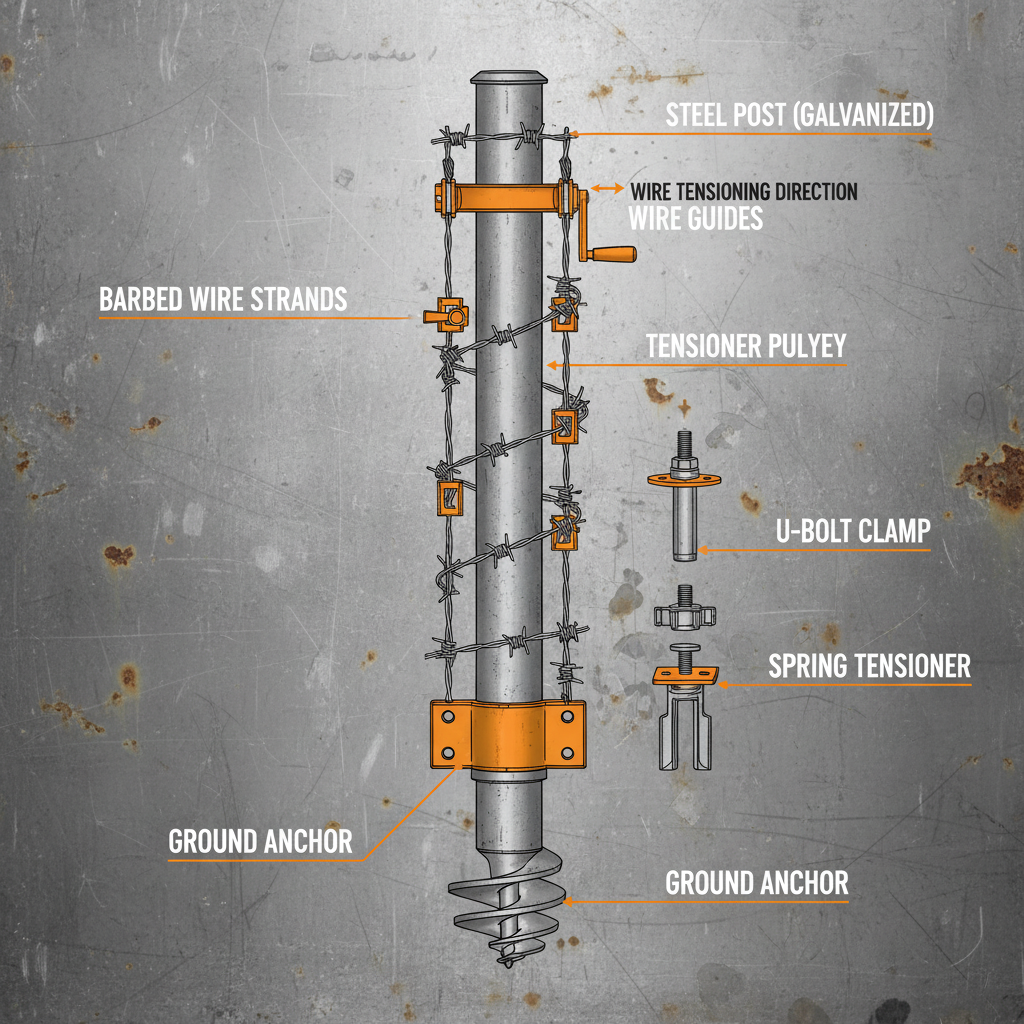
At its most basic level, a barbed wire fence post is a vertical support member designed to hold barbed wire at a specific height and tension. Unlike standard fence posts, these are engineered to withstand the lateral pull of high-tension wires and the physical impact of livestock or intruders. They act as the anchor points that transform a simple strand of wire into a formidable physical barrier.
In the context of modern manufacturing, these posts are no longer just "sticks in the ground." They are precision-engineered components, often utilizing Hot Dipped Galvanized Steel (HDG) to prevent oxidation. The interaction between the post's surface chemistry and the environment is a key area of industrial focus, ensuring that the post does not corrode where the wire makes contact, which is often the first point of failure in cheaper systems.
Furthermore, the humanitarian aspect of these structures cannot be overlooked. In disaster-relief zones or temporary settlement areas, the rapid deployment of barbed wire fence post systems helps in creating organized zones, securing food supplies, and providing a basic level of security for displaced populations, proving that industrial hardware has vital social utility.
Core Components and Durability Factors
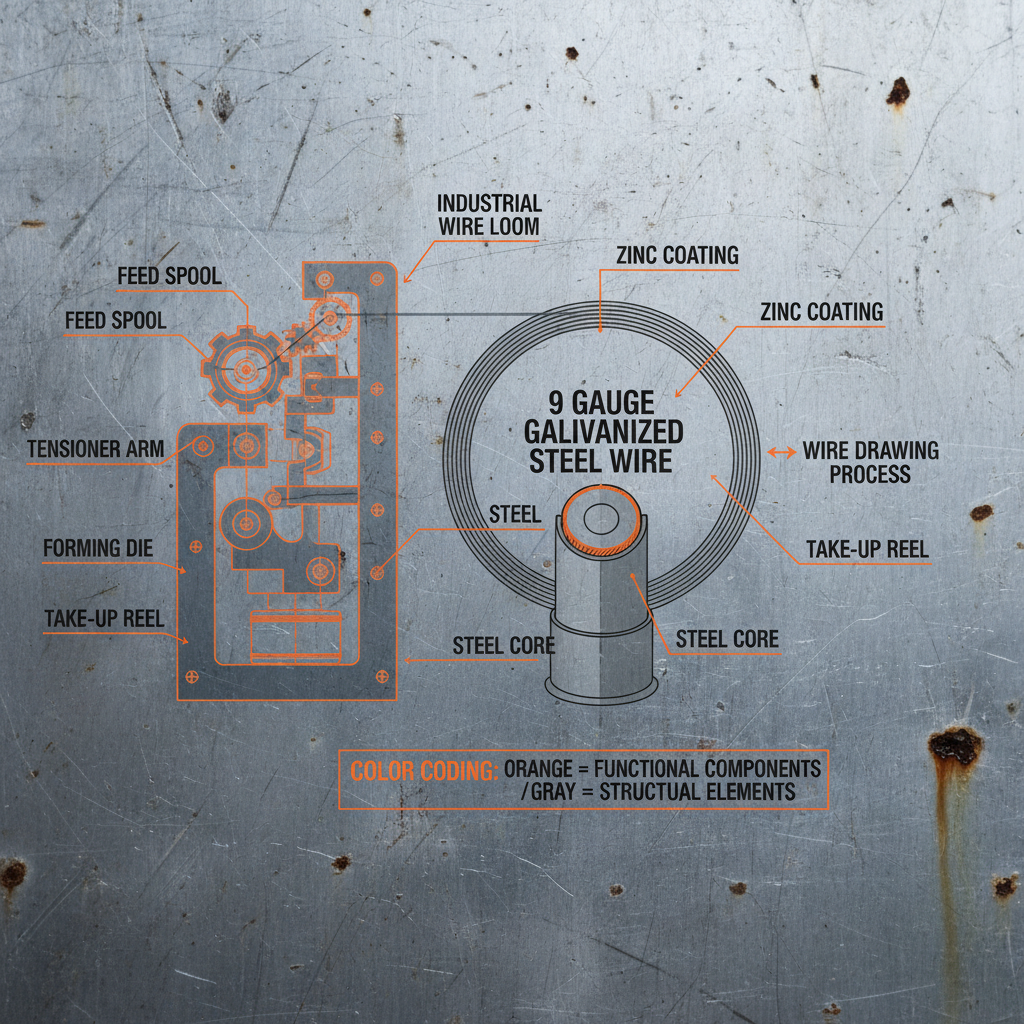
The longevity of a barbed wire fence post is primarily determined by its material composition. Zinc coatings are the industry standard, providing a sacrificial layer that protects the inner steel from rust. The thickness of this coating, often measured in microns, determines whether a post will last five years or fifty years in a humid climate.
Another critical factor is the structural geometry of the barbed wire fence post. T-posts, for example, utilize a cruciform shape to provide maximum resistance to bending while minimizing the amount of steel used. This balance of strength-to-weight ratio is what makes modern fencing cost-effective and easy to transport over long distances.
Finally, the anchoring mechanism—how the post interacts with the soil—is paramount. Whether it is a driven post or a concrete-set post, the depth of the embedment must be sufficient to counteract the tension of the wire. A failure in the barbed wire fence post foundation often leads to a "domino effect," where one leaning post puts undue pressure on the rest of the line.
Performance Metrics of Different Post Types
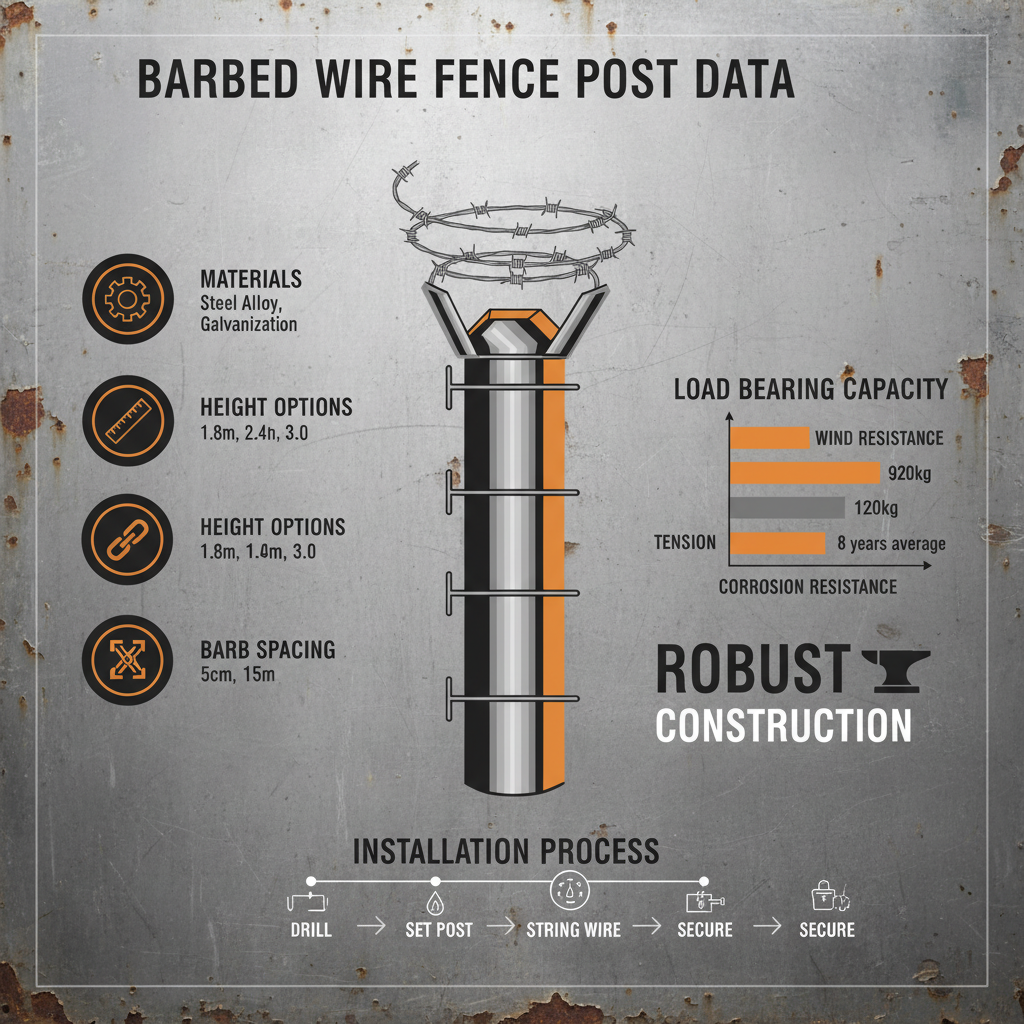
When selecting a barbed wire fence post, engineers look at several key metrics: load-bearing capacity, corrosion resistance, and installation speed. While heavy-duty pipe posts offer the highest strength, they are significantly slower to install than the ubiquitous T-post. The choice usually depends on whether the post is intended as a "line post" or a "corner/brace post," with the latter requiring far more rigidity.
The following data represents a comparative analysis of the most common materials used for barbed wire fence post applications, focusing on their efficiency across various operational environments.
Comparison of Barbed Wire Fence Post Material Performance
Global Applications and Real-World Use Cases
In remote industrial zones, such as mining sites in the Australian Outback or oil fields in Texas, the barbed wire fence post is the primary tool for securing hazardous areas. In these regions, extreme temperature fluctuations can cause steel to expand and contract; therefore, posts are often installed with specific tolerances to prevent the wire from snapping during winter freezes or sagging during summer heat.
Additionally, in agricultural sectors across Brazil and India, the use of galvanized barbed wire fence post systems has drastically improved livestock management. By creating secure paddocks, farmers can implement rotational grazing, which prevents soil erosion and increases the quality of the forage, demonstrating how a simple piece of hardware contributes to ecological sustainability.
Long-Term Value and Sustainable Advantages
Investing in a high-grade barbed wire fence post offers immense long-term value through the reduction of "lifecycle costs." While a low-cost, ungalvanized post may seem attractive initially, the cost of replacement and the labor associated with re-tensioning the fence every three years far outweigh the initial premium of a professional-grade post.
From a sustainability angle, the shift toward recyclable steel posts is a positive trend. Unlike chemically treated wood, which can leach toxins into the soil, a steel barbed wire fence post is fully recyclable at the end of its lifespan. This creates a circular economy within the construction and agriculture industries.
Moreover, there is a psychological dimension to the reliability of these posts. For a landowner, the knowledge that their boundaries are secure provides peace of mind and trust in the infrastructure. The reliability of the barbed wire fence post translates directly into the perceived value and security of the property.
Future Innovations in Fence Post Engineering
The future of the barbed wire fence post is being shaped by materials science. We are seeing the emergence of "smart posts" equipped with tension sensors that can alert a land manager via a mobile app if a wire has been cut or a post has leaned beyond a certain degree. This integration of IoT (Internet of Things) transforms a passive barrier into an active security system.
Automation is also playing a role in installation. Pneumatic post-drivers are becoming more accessible, allowing for the installation of thousands of barbed wire fence post units in a fraction of the time previously required. This reduces human error and ensures that every post is driven to the exact same depth for uniform tension.
Additionally, new polymer coatings are being developed to supplement galvanization, providing a double layer of protection against the most aggressive saltwater environments. This ensures that the barbed wire fence post can withstand the harshest coastal conditions without the risk of structural oxidation.
Comparative Analysis of Barbed Wire Fence Post Specifications
| Post Material |
Corrosion Resistance |
Installation Speed |
Typical Lifespan |
| Galvanized Steel T-Post |
High |
Very Fast |
20-30 Years |
| Hot-Dipped Pipe Post |
Very High |
Moderate |
40-50 Years |
| Treated Pine Post |
Moderate |
Slow |
10-15 Years |
| PVC Coated Steel |
Extreme |
Fast |
30-40 Years |
| Wrought Iron Post |
Low |
Very Slow |
15-20 Years |
| Composite Resin Post |
Immune |
Moderate |
25-35 Years |
FAQS
Spacing typically depends on the post type and the livestock involved. For standard T-posts, spacing is usually between 10 to 15 feet. However, for high-tension systems using heavy-duty barbed wire fence post units, you can extend this to 20 feet. Always place closer spacing at corners and gates to handle the increased tension load.
The most effective method is selecting posts that are Hot Dipped Galvanized (HDG). Unlike electro-galvanized posts, HDG provides a thicker zinc layer. For extreme environments, applying a cold-galvanizing spray to the areas where the wire is clipped to the barbed wire fence post can prevent localized corrosion.
While possible, it is not recommended for long-term use. High-tensile wire exerts significant force that can cause wooden posts to bow or snap over time. Using a steel barbed wire fence post is far more reliable for maintaining the necessary tension over several years without failure.
A general rule of thumb is that 1/3 of the total post length should be underground. For a 6-foot post, 2 feet should be embedded. In sandy or loose soil, increasing this depth or using a concrete footer for the barbed wire fence post is essential to prevent leaning.
T-posts are superior for "line" sections due to their cost-efficiency and ease of installation. However, pipe posts are essential for corners and end-points because they can be braced more effectively. A professional fence usually combines both: pipe posts for the skeleton and barbed wire fence post T-types for the fill.
Leaning is usually a sign of soil erosion or excessive wire tension. The best solution is to reset the barbed wire fence post and add a diagonal brace or a "deadman" anchor to the corner post to redistribute the tension across the line.
Conclusion
The structural integrity of any perimeter security system rests entirely on the quality and installation of the barbed wire fence post. From selecting the correct galvanization level to ensuring the proper embedment depth and spacing, every detail contributes to a fence that is durable, cost-effective, and secure. By shifting from temporary solutions to engineered steel posts, land managers can significantly reduce maintenance overhead while enhancing the safety of their assets.
As we look toward the future, the integration of smarter materials and automated installation will further refine the efficiency of boundary management. Whether you are securing a small farm or a massive industrial complex, prioritizing the quality of your barbed wire fence post is an investment in long-term stability and security. For premium fencing solutions and expert guidance, visit our website: www.fivestar-metals.com.