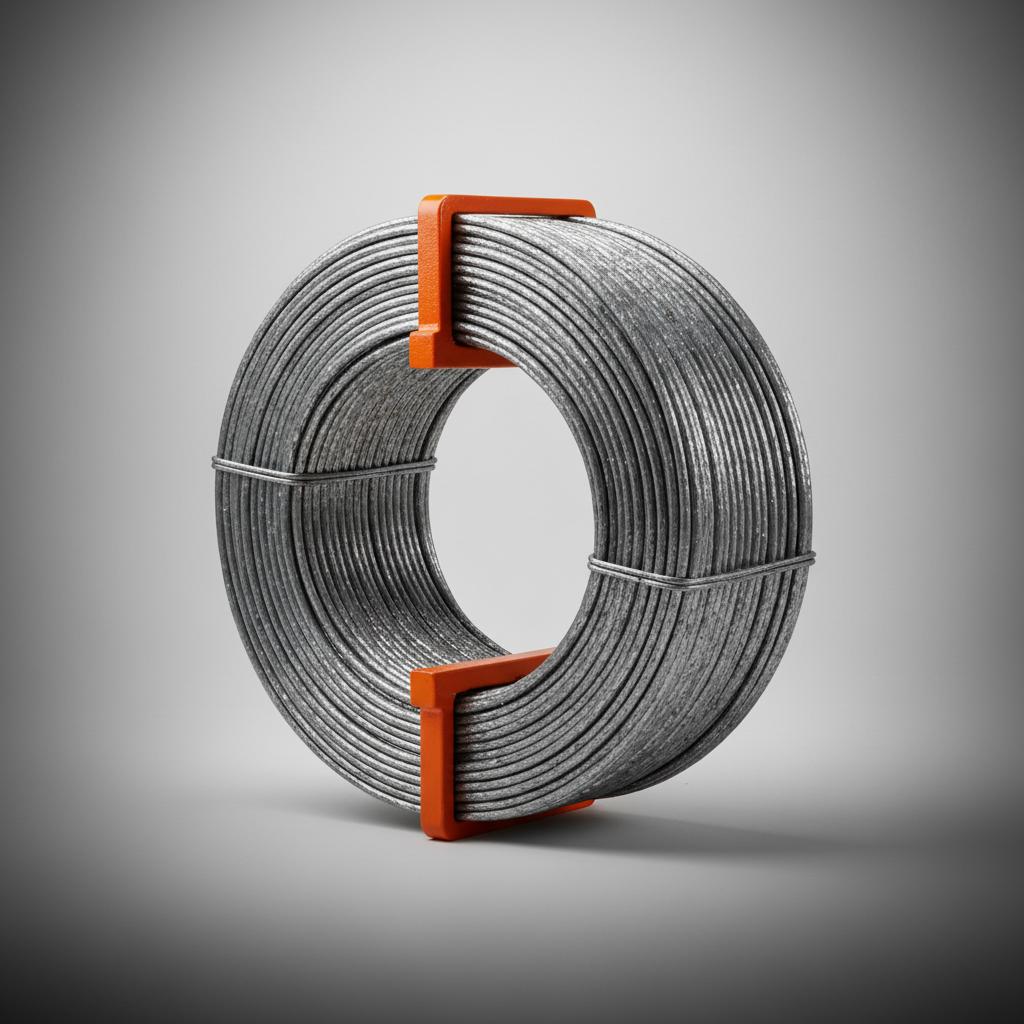
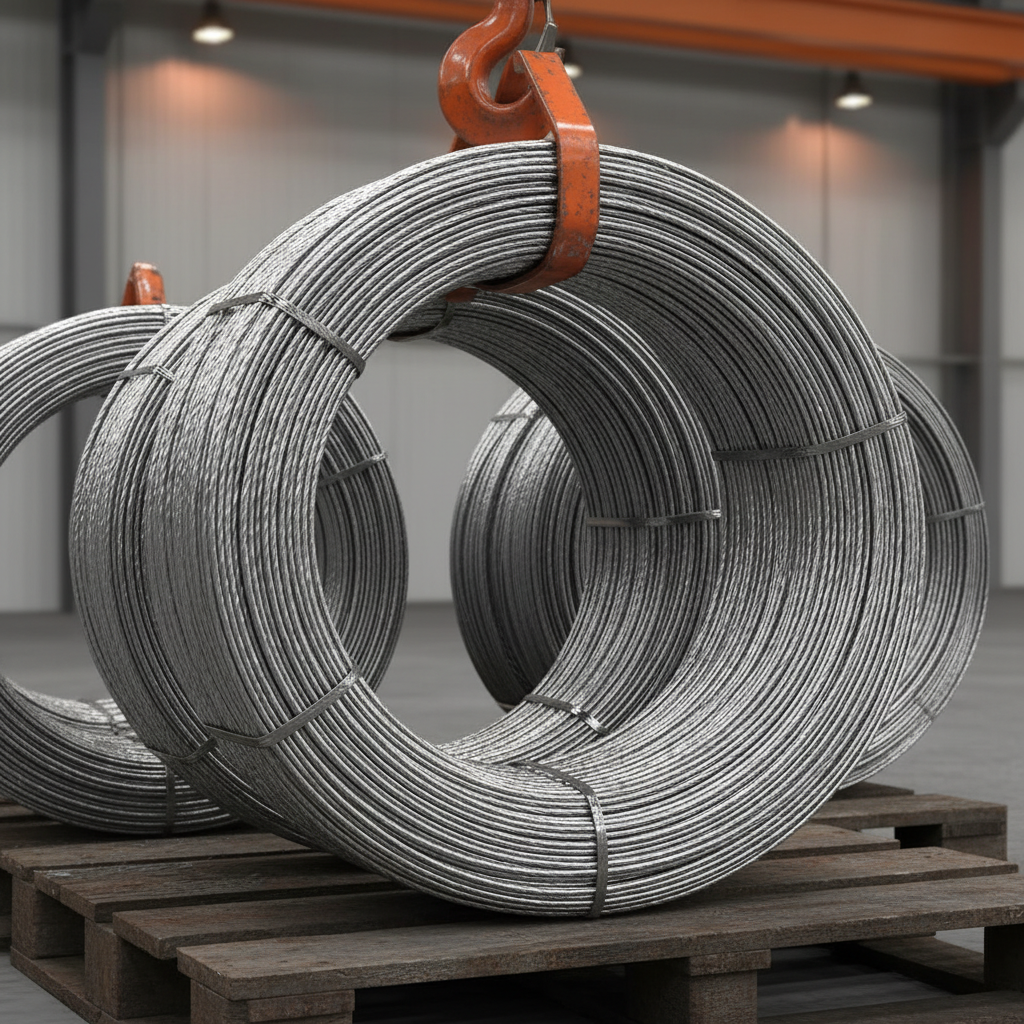
Galvanized wire 2mm, a staple in countless industries, represents a foundational material for construction, agriculture, and manufacturing globally. Its widespread use stems from its robust corrosion resistance, achieved through a zinc coating protecting the underlying steel. This simple yet effective process dramatically extends the lifespan of steel products, reducing maintenance costs and environmental impact. Understanding the properties and applications of galvanized wire 2mm is crucial for professionals involved in infrastructure development, resource management, and sustainable building practices.
The global demand for galvanized wire 2mm is significant, driven by increasing infrastructure projects, particularly in developing nations, and a growing focus on durable, long-lasting materials. According to the World Steel Association, coated steel products, including galvanized wire, constitute a substantial portion of the steel market, indicating a sustained need for corrosion-resistant solutions. This demand necessitates a reliable supply chain and a commitment to quality manufacturing standards to meet the needs of diverse sectors.
Addressing challenges like fluctuating zinc prices and the need for environmentally friendly galvanizing processes is paramount. Continuous innovation in coating technologies and sustainable material sourcing will be key to maintaining the accessibility and effectiveness of galvanized wire 2mm in the years to come, ensuring its continued role as a vital component of modern infrastructure and industrial applications.
The Significance of Galvanized Wire 2mm
Galvanized wire 2mm plays a vital role in securing structures and creating durable products. Its 2mm diameter strikes a balance between strength and flexibility, making it ideal for a wide range of applications where tensile strength and formability are crucial. The zinc coating provides a sacrificial layer, preventing corrosion even when the steel is scratched or damaged, which is particularly important in harsh environments.
The significance of this material extends beyond mere physical properties; it contributes to economic sustainability by reducing replacement costs and minimizing downtime due to corrosion. Furthermore, its use aligns with environmentally conscious practices by extending the lifespan of steel components, decreasing the demand for new steel production and conserving natural resources.
Global Context & Industry Relevance
The demand for galvanized wire 2mm is intricately linked to global economic trends and infrastructure development. Rapid urbanization in Asia, Africa, and South America is driving substantial demand for construction materials, including galvanized wire for fencing, reinforcement, and cable securing. The steel industry, as reported by the IISI (International Iron and Steel Institute), consistently shows coated products as a major segment of production, emphasizing the widespread adoption of galvanization techniques.
Beyond construction, the agricultural sector relies heavily on galvanized wire 2mm for fencing, netting, and securing crops. The automotive industry uses it in various components, leveraging its corrosion resistance. The electrical sector utilizes it for grounding wires and cable bracing. These diverse applications collectively contribute to a consistently strong global market for this essential material.
A current challenge lies in balancing increased demand with sustainable production practices. Innovations in galvanizing processes, such as reducing zinc consumption and minimizing waste, are vital to ensuring the long-term viability of galvanized wire 2mm as a globally relevant material.
Defining Galvanized Wire 2mm
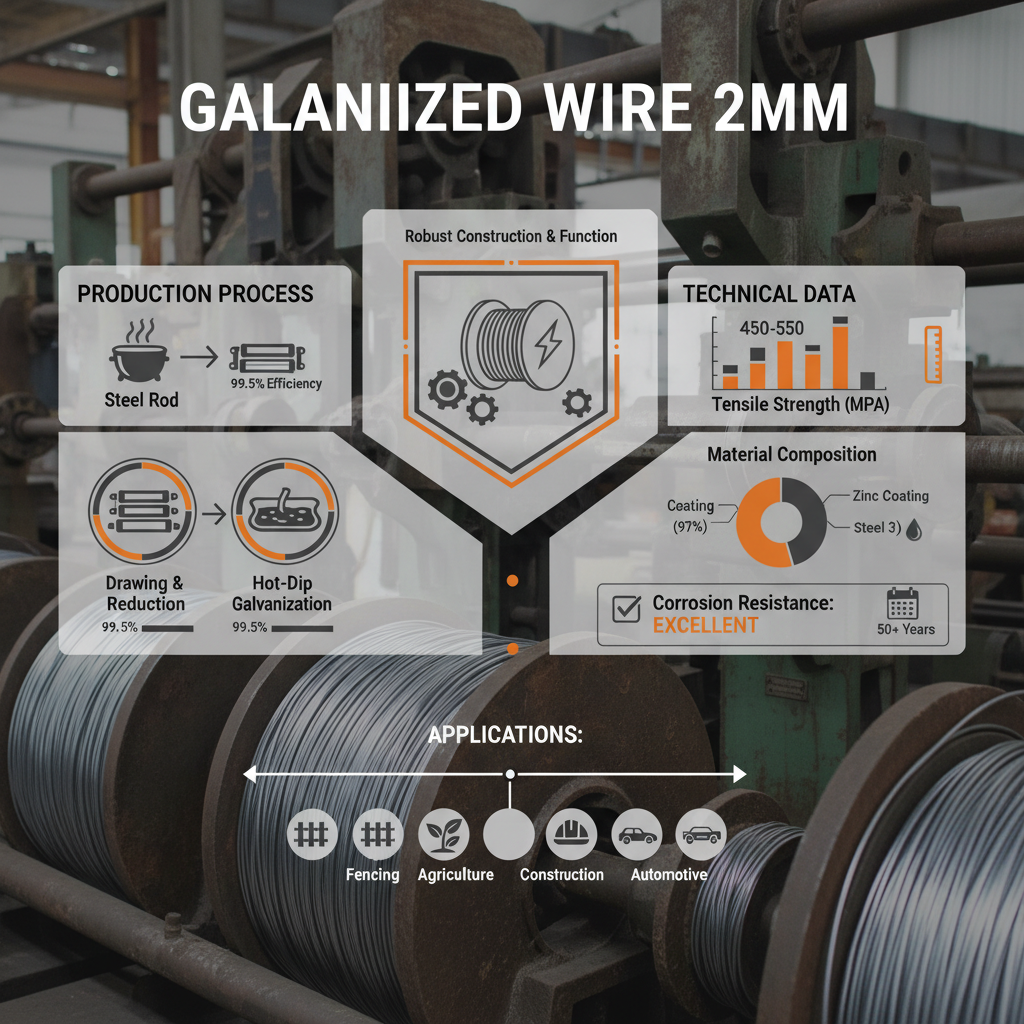
Galvanized wire 2mm is a steel wire coated with a layer of zinc through a process called galvanization. The 2mm refers to the diameter of the wire, a standard size commonly used for various applications requiring a balance between strength and flexibility. This coating acts as a barrier against corrosion, protecting the underlying steel from environmental factors such as moisture, oxygen, and chemicals.
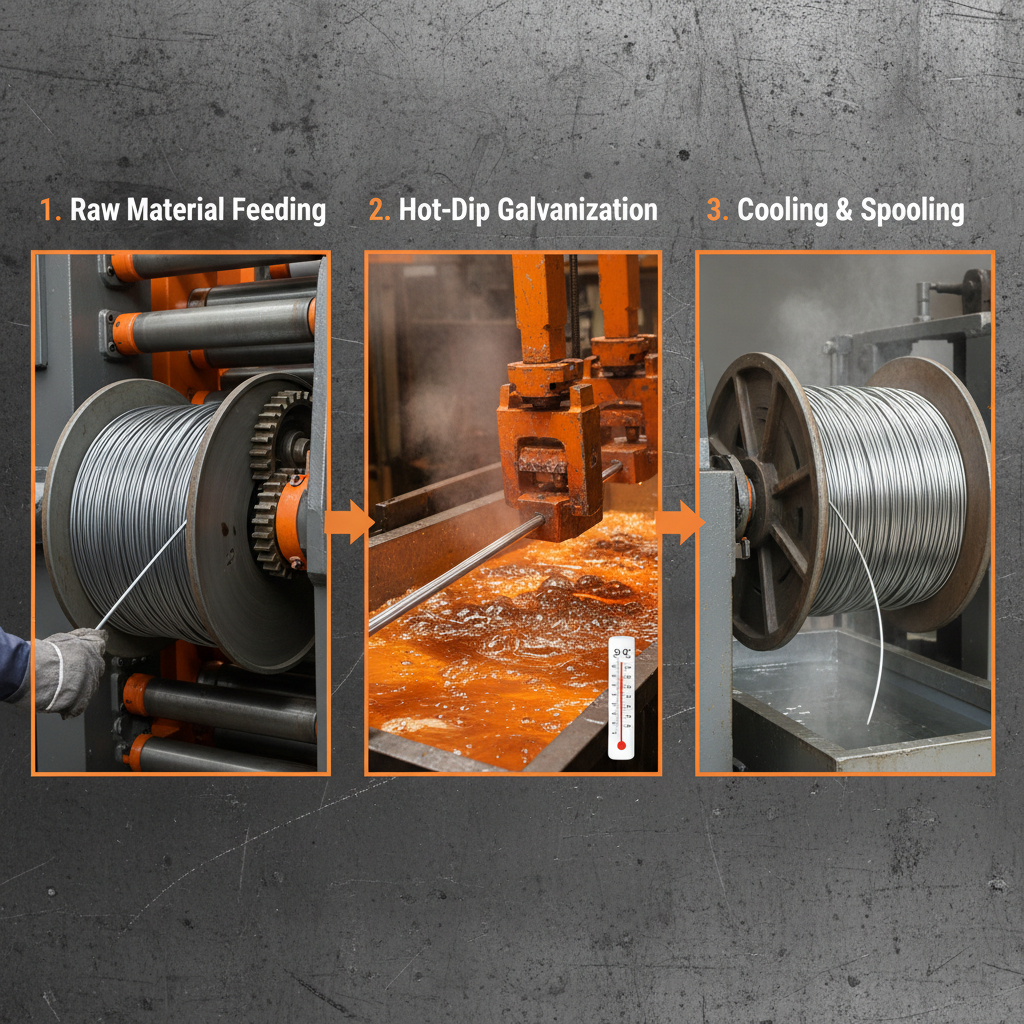
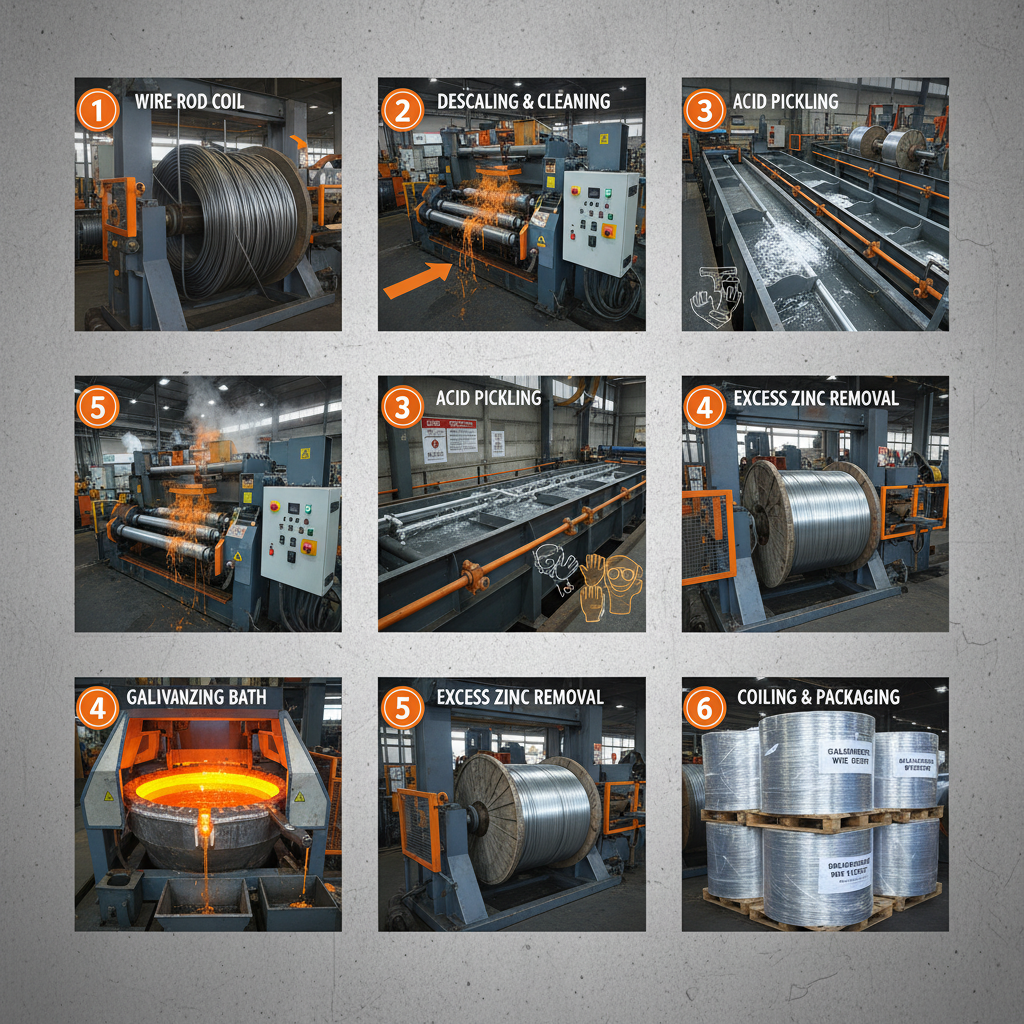
The galvanization process typically involves immersing the steel wire in a bath of molten zinc. This creates a metallurgical bond between the zinc and the steel, resulting in a durable and protective coating. Other methods, such as electro-galvanization, are also used, offering different coating thicknesses and properties.
This process is critical because steel, while strong, is susceptible to rust. Galvanizing extends the service life of steel components significantly, reducing the need for frequent replacements and contributing to resource conservation, making galvanized wire 2mm a fundamental element in modern industry and humanitarian efforts alike.
Core Characteristics of 2mm Galvanized Wire
The key characteristics of galvanized wire 2mm underpin its broad range of applications. Firstly, its corrosion resistance is paramount, preventing rust and degradation even in harsh environments. Secondly, its tensile strength allows it to withstand significant pulling forces, making it suitable for fencing, cabling, and securing loads.
Thirdly, the ductility of the wire – its ability to be drawn into thinner wires or formed into different shapes – provides versatility in manufacturing. Finally, the relatively low cost of galvanization compared to other corrosion-resistant treatments makes it an economically viable solution for many projects.
Galvanized Wire 2mm Performance Metrics
Diverse Applications Worldwide
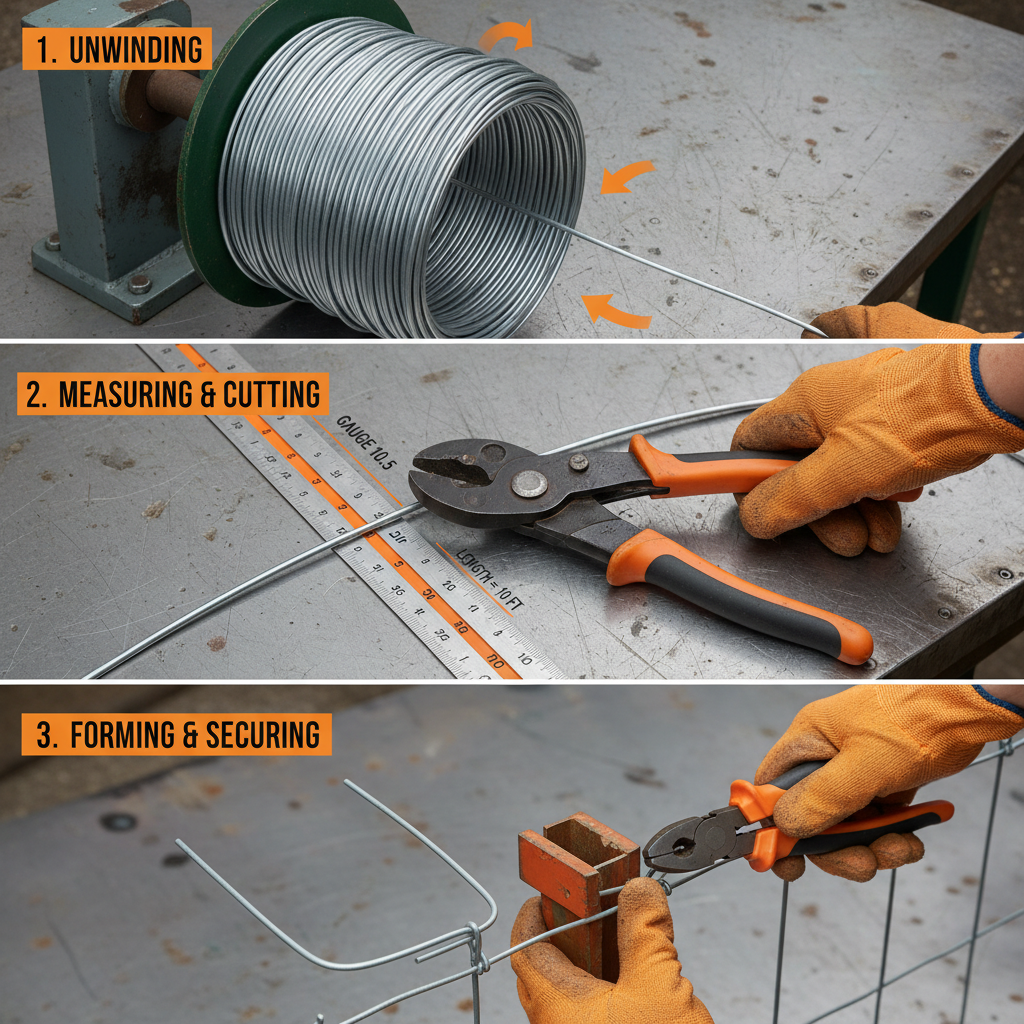
Galvanized wire 2mm finds application across a broad spectrum of industries. In agriculture, it's extensively used for creating secure fencing for livestock, protecting crops from pests, and supporting plant growth. In construction, it’s a critical component of reinforcing mesh, wire ropes for hoisting, and securing formwork.
In post-disaster relief operations, galvanized wire 2mm is invaluable for constructing temporary shelters, securing tarpaulins, and creating basic infrastructure. Its durability and ease of use make it ideal for rapid deployment in challenging conditions. In remote industrial zones, where access to maintenance is limited, its corrosion resistance significantly reduces upkeep requirements.
Advantages and Long-Term Value
The advantages of using galvanized wire 2mm extend far beyond its initial cost. Its longevity minimizes the need for frequent replacements, resulting in significant cost savings over the lifespan of a project. This durability also contributes to sustainability by reducing resource consumption and waste generation.
From a safety perspective, the robust nature of galvanized wire 2mm ensures structural integrity, protecting people and property. It inspires trust and confidence in engineers, contractors, and end-users alike. Its consistent performance and reliable corrosion resistance establish it as a superior material for demanding applications.
Future Trends & Material Advancements
The future of galvanized wire 2mm is linked to ongoing innovation in materials science and manufacturing techniques. Research into advanced zinc alloys and coating processes aims to further enhance corrosion resistance and reduce zinc consumption. The integration of nanotechnology could potentially create even more durable and environmentally friendly coatings.
The drive towards sustainable practices is also influencing the development of alternative galvanizing methods, such as utilizing recycled zinc and reducing energy consumption during the galvanization process. Digitalization and automation in manufacturing will improve quality control and reduce production costs.
Furthermore, integrating smart sensors into galvanized wire structures can enable real-time monitoring of corrosion levels and structural integrity, contributing to proactive maintenance and extending service life. These advancements will ensure that galvanized wire 2mm remains a vital material for years to come.
Summary of Galvanized Wire 2mm Challenges and Mitigation Strategies
| Challenge |
Impact on galvanized wire 2mm Performance |
Mitigation Strategy |
Implementation Cost (1-10) |
| Zinc Price Volatility |
Increased production costs, impacting market price. |
Long-term supply contracts, exploration of zinc substitutes. |
6 |
| Environmental Concerns (Waste) |
Environmental regulations, disposal costs. |
Closed-loop recycling systems, wastewater treatment. |
8 |
| Uneven Coating Thickness |
Reduced corrosion resistance in localized areas. |
Automated coating processes, real-time monitoring. |
7 |
| Hydrogen Embrittlement |
Reduced ductility and tensile strength. |
Post-galvanizing heat treatment, inhibitor additives. |
5 |
| Competition from Alternatives |
Market share erosion, price pressure. |
Focus on value-added features, targeted marketing. |
4 |
| Quality Control Standards |
Inconsistent product quality, customer dissatisfaction. |
Implementation of stringent ISO standards, regular audits. |
6 |
FAQS
The lifespan of galvanized wire 2mm in a coastal environment is highly variable, depending on factors such as salt spray exposure, humidity, and the quality of the galvanization. Generally, with a standard galvanizing coating, you can expect a service life of 10-20 years. However, heavier coatings or supplemental protective measures can extend this significantly. Regular inspection and maintenance are also crucial to maximizing longevity.
Galvanized wire 2mm is generally suitable for direct contact with soil, offering better corrosion resistance than bare steel. However, soil composition plays a vital role. Clay soils, particularly those with high acidity or salinity, can accelerate corrosion. For prolonged direct soil contact, consider using thicker galvanization coatings or supplementary protection like bituminous coatings or cathodic protection.
Yes, galvanized wire 2mm can be welded, but it requires specific techniques to avoid harmful fumes and maintain corrosion resistance. The zinc coating produces fumes that can be hazardous to inhale, so proper ventilation and respiratory protection are essential. Additionally, the weld area loses the galvanized coating, requiring post-weld treatment such as zinc-rich paint or re-galvanization to restore corrosion protection.
Hot-dip galvanizing involves immersing the wire in molten zinc, resulting in a thicker, more durable coating and a metallurgical bond. Electro-galvanizing uses an electric current to deposit zinc, producing a thinner, smoother coating. Hot-dip generally offers superior corrosion resistance, especially for demanding applications. Electro-galvanizing is often preferred for applications where a smooth surface finish is important.
High temperatures can impact the protective zinc coating of galvanized wire 2mm. While the zinc coating itself has a relatively high melting point, prolonged exposure to elevated temperatures (above 200°C) can alter its structure and reduce its corrosion resistance. In applications involving high temperatures, consider using heat-resistant coatings or alternative materials.
The production of galvanized wire involves the use of zinc and energy. Environmental concerns include wastewater discharge and air emissions. However, modern galvanizing facilities implement pollution control measures and recycling programs to minimize their environmental impact. Using recycled zinc and optimizing energy efficiency are crucial for sustainable production.
Conclusion
Galvanized wire 2mm stands as a testament to the power of simple, yet effective engineering. Its corrosion resistance, tensile strength, and cost-effectiveness have made it an indispensable material in numerous industries worldwide. From securing infrastructure to protecting crops and enabling disaster relief, this versatile wire continues to play a vital role in building a more sustainable and resilient future.
Looking ahead, continued innovation in galvanizing technologies, coupled with a commitment to environmental responsibility, will ensure the enduring relevance of galvanized wire 2mm. By embracing sustainable practices and exploring new applications, we can maximize its benefits and minimize its environmental footprint, ensuring its continued contribution to a stronger, more durable world. For quality galvanized wire 2mm, visit our website: www.fivestar-metals.com