The Same Product And Company, The Different Quality and Service!
0%

Table of Contents

20 gauge galvanized wire plays a crucial role in modern infrastructure and numerous industrial applications. Its protective zinc coating prevents rust and corrosion, making it exceptionally durable and long-lasting. This characteristic contributes significantly to the longevity of structures and components it's used in, reducing maintenance costs and ensuring safety. Understanding the properties and applications of 20 gauge galvanized wire is vital for engineers, builders, and manufacturers seeking reliable and cost-effective materials.

Globally, the demand for corrosion-resistant materials is continuously increasing, driven by factors like aging infrastructure, environmental concerns, and the need for sustainable building practices. 20 gauge galvanized wire offers a practical and economical solution to address these challenges. It’s a material frequently specified in projects ranging from agricultural fencing and poultry netting to electrical grounding and securing applications, reflecting its versatility and broad applicability.

The significance of 20 gauge galvanized wire extends beyond mere material science; it impacts economies, public safety, and environmental sustainability. Its consistent quality and readily available supply chain make it a dependable choice for diverse projects worldwide, demonstrating its position as a foundational material in the 21st century.
The Significance of 20 Gauge Galvanized Wire in Modern Applications

The Importance of 20 Gauge Galvanized Wire

The Significance of 20 Gauge Galvanized Wire in Modern Applications

Understanding the significance of 20 gauge galvanized wire begins with recognizing its impact on structural integrity and cost-effectiveness. The galvanization process, applying a zinc coating, is a critical safeguard against corrosion – a pervasive problem costing industries billions annually. Without such protection, metal structures would rapidly deteriorate, leading to expensive repairs, replacements, and potential safety hazards.

The choice of 20 gauge, specifically, strikes a balance between strength, flexibility, and affordability. It’s a frequently selected diameter for applications requiring moderate tensile strength without excessive weight or cost. This makes it a highly versatile material utilized across diverse sectors including agriculture, construction, and manufacturing. The widespread availability of 20 gauge galvanized wire further contributes to its appeal.

Defining 20 Gauge Galvanized Wire

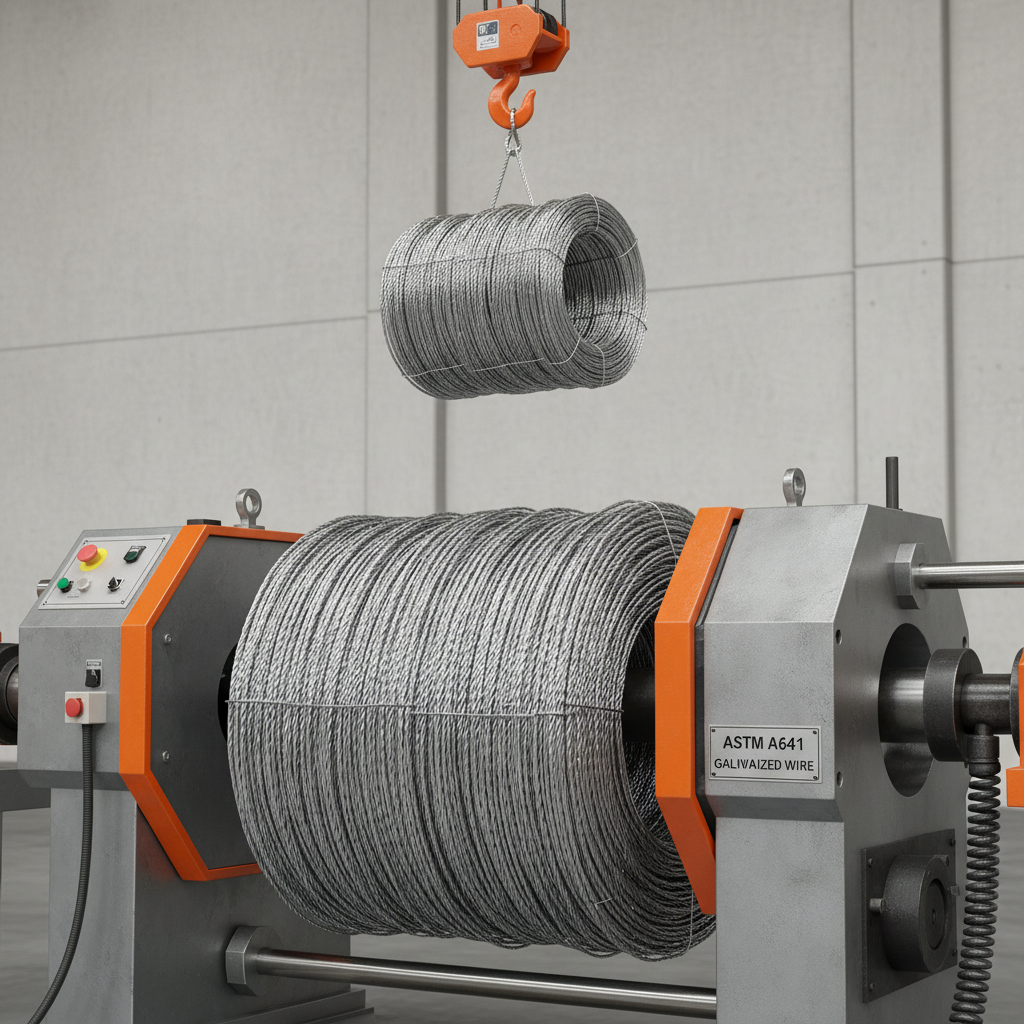
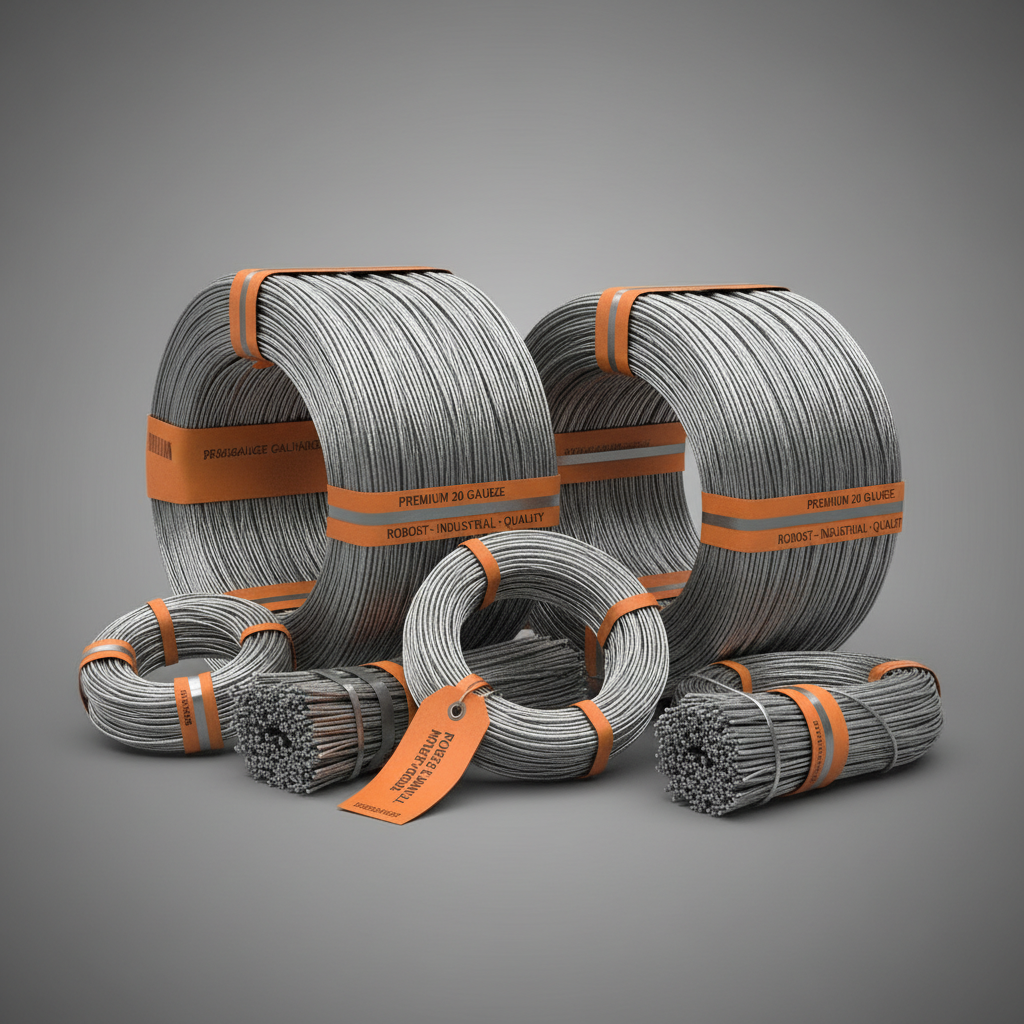
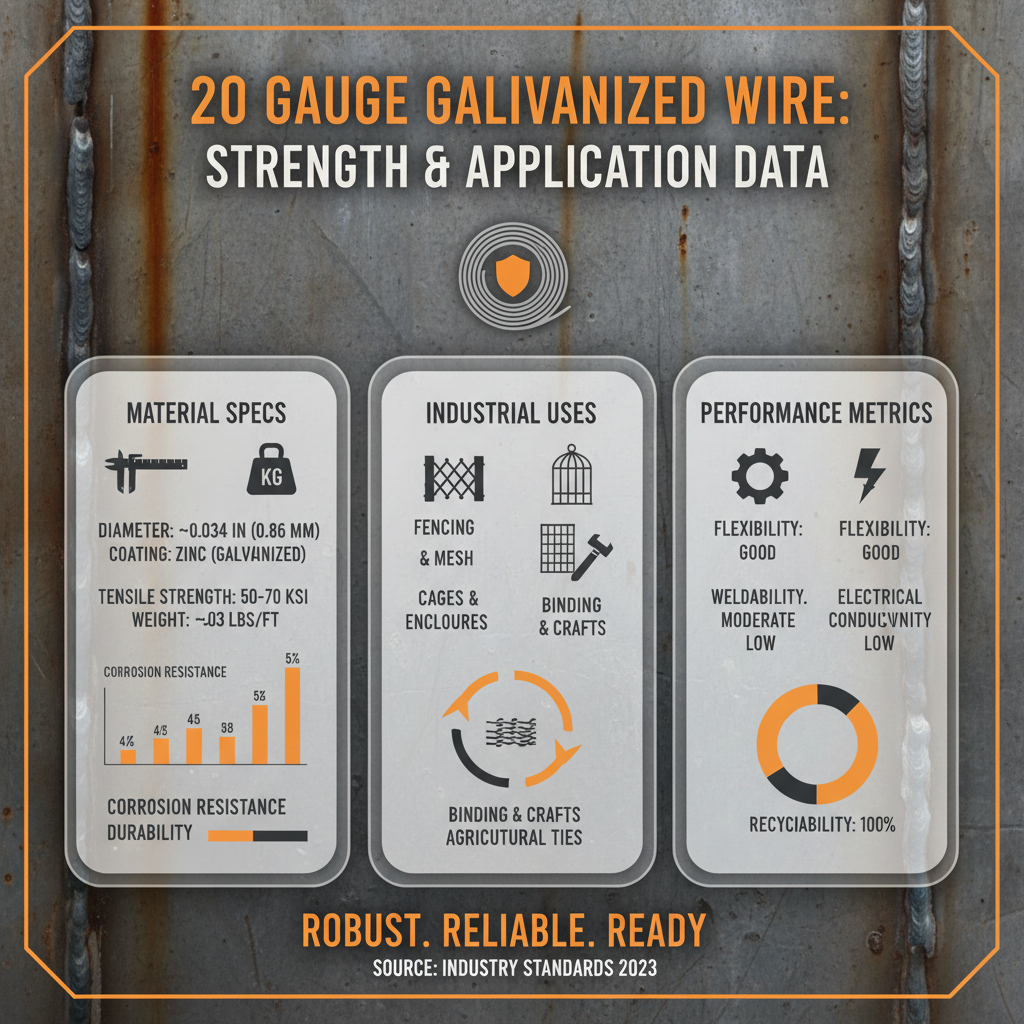
20 gauge galvanized wire refers to a steel wire that has been coated with zinc through a process called galvanization. The “gauge” refers to the wire’s diameter; a lower gauge number indicates a thicker wire. 20 gauge wire measures approximately 0.812 millimeters in diameter. The zinc coating acts as a sacrificial anode, meaning it corrodes before the underlying steel, thereby protecting the steel from rust and environmental damage.

This wire isn't simply a commodity; it's a foundational component in countless modern structures and applications. From securing fencing to providing grounding for electrical systems, its role is often unseen but essential. The zinc coating isn't merely a surface treatment – it metallurgically bonds with the steel, ensuring long-term protection and durability.

The connection to modern industry and humanitarian needs is strong. Its relatively low cost and ease of use make it an ideal material for projects in developing nations, emergency disaster relief, and large-scale infrastructure development. It is a crucial element in creating safe, reliable, and long-lasting infrastructure across the globe.

Core Properties of 20 Gauge Galvanized Wire

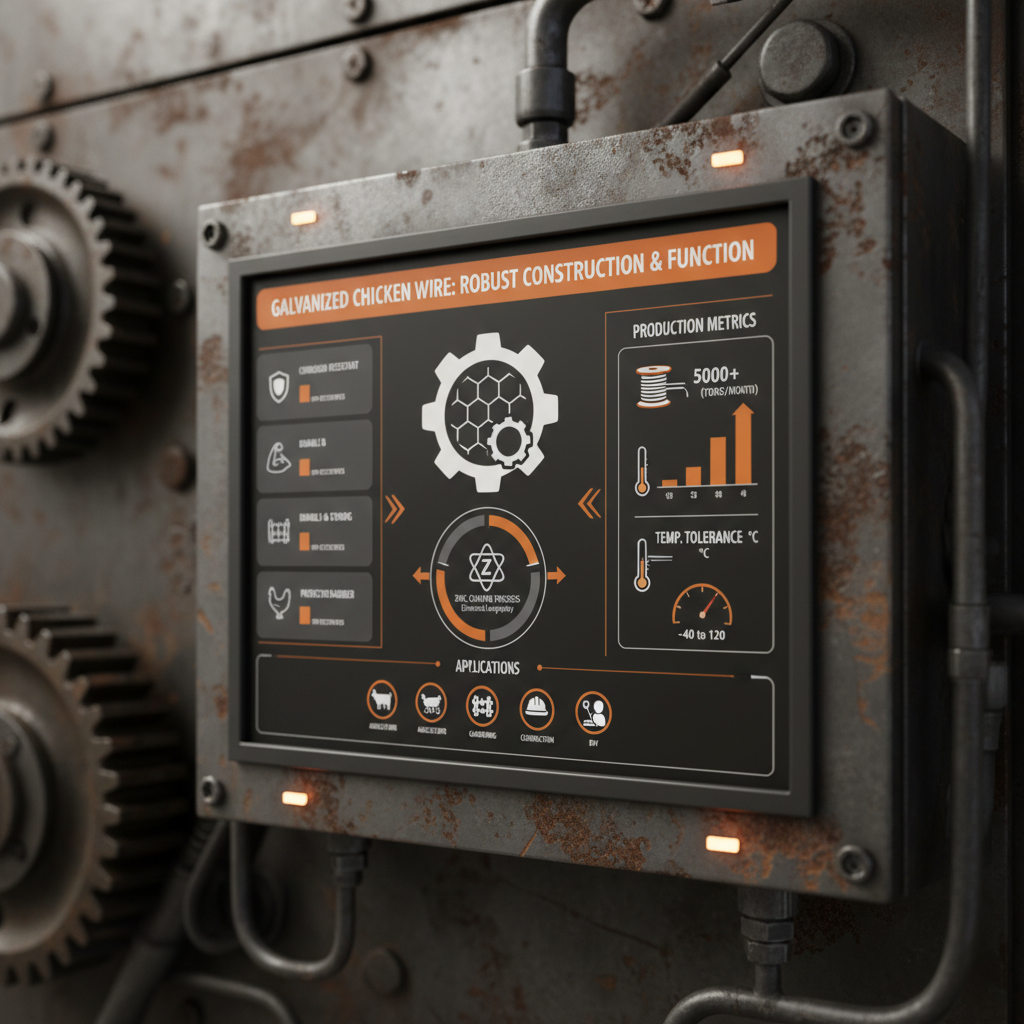
Durability is perhaps the most significant property of 20 gauge galvanized wire. The zinc coating provides exceptional resistance to corrosion, extending the lifespan of the wire and any structure it supports. This is particularly important in harsh environments such as coastal areas, agricultural settings, and industrial facilities.

Formability is another key characteristic. 20 gauge wire is flexible enough to be easily bent, twisted, and shaped without losing its structural integrity. This makes it ideal for applications requiring intricate designs or tight curves, such as crafting wire mesh or creating binding structures.

Tensile Strength, while not as high as thicker gauges, is still sufficient for a wide range of applications. It can withstand significant pulling forces without breaking, making it suitable for fencing, tying, and securing materials. The combination of durability, formability, and tensile strength makes 20 gauge galvanized wire a highly versatile material.

Practical Applications Across Industries

The versatility of 20 gauge galvanized wire is showcased in its wide range of applications. In agriculture, it’s commonly used for constructing fencing to contain livestock, creating poultry netting to protect crops, and supporting vine growth. The wire’s resistance to corrosion is essential in outdoor agricultural environments.

In construction, it’s used for binding rebar, securing formwork, and creating wire mesh for concrete reinforcement. Its strength and flexibility make it easy to work with on construction sites. Furthermore, it serves as grounding wire in electrical systems, ensuring safety and preventing electrical hazards.

20 Gauge Galvanized Wire Application Ratings


Global Applications & Use Cases

In post-disaster relief operations, 20 gauge galvanized wire is invaluable for constructing temporary shelters, securing tarpaulins, and establishing essential infrastructure. Its lightweight nature and ease of transport make it ideal for rapid deployment in emergency situations. Organizations like the Red Cross and Habitat for Humanity frequently utilize this material.

In remote industrial zones, where access to more robust materials may be limited, 20 gauge galvanized wire offers a reliable and cost-effective solution for securing equipment, constructing fencing, and maintaining infrastructure. It’s particularly prevalent in developing countries where affordability and durability are paramount.

Advantages and Long-Term Value

The cost-effectiveness of 20 gauge galvanized wire is a primary advantage. Compared to stainless steel or other corrosion-resistant alloys, it offers a significantly lower price point without sacrificing essential performance characteristics. This translates to reduced project costs and increased affordability for a wider range of applications.

The long-term reliability and reduced maintenance requirements of galvanized wire contribute to its overall value. The protective zinc coating minimizes corrosion, extending the lifespan of structures and components, and lowering the need for frequent repairs or replacements. This translates to significant cost savings over the lifecycle of the project.

Beyond economic benefits, 20 gauge galvanized wire contributes to sustainable practices. By reducing the need for frequent replacements, it minimizes waste and conserves resources. Its durability and longevity align with the principles of responsible construction and infrastructure development.

Future Trends & Innovations

Research into advanced galvanization techniques, such as zinc-nickel alloys, promises even greater corrosion resistance and extended lifespan for galvanized wire. These innovations aim to address the limitations of traditional galvanization in highly corrosive environments.

The integration of smart coatings and sensors into galvanized wire is another emerging trend. These technologies could allow for real-time monitoring of corrosion levels and proactive maintenance, further enhancing the durability and reliability of structures. Furthermore, advancements in automation are streamlining the manufacturing process, reducing costs and improving quality control.

Sustainable manufacturing practices, focused on reducing waste and minimizing environmental impact, are becoming increasingly important in the production of galvanized wire. Manufacturers are exploring more eco-friendly galvanizing processes and utilizing recycled materials to minimize their carbon footprint.

FAQS

What are the main differences between 20 gauge galvanized wire and standard steel wire?

The primary difference lies in the protective zinc coating on galvanized wire. This coating provides superior corrosion resistance compared to standard steel wire, which is prone to rust and degradation when exposed to the elements. Galvanized wire offers a significantly longer lifespan, reducing maintenance and replacement costs, especially in outdoor applications. Its cost is slightly higher initially, but it provides long-term savings and improved structural integrity.

How can I properly store 20 gauge galvanized wire to prevent corrosion before use?

Store 20 gauge galvanized wire in a dry, well-ventilated area. Ideally, keep it indoors to prevent exposure to moisture and humidity. If outdoor storage is unavoidable, cover the wire with a waterproof tarp or plastic sheeting. Avoid stacking it directly on the ground, as this can accelerate corrosion. Proper storage will preserve the integrity of the zinc coating and ensure optimal performance when the wire is used.

Is 20 gauge galvanized wire suitable for direct contact with soil?

While 20 gauge galvanized wire offers excellent corrosion resistance, prolonged direct contact with soil can eventually lead to degradation, particularly in acidic or saline soil conditions. For applications involving direct burial, consider using a heavier gauge wire with a thicker zinc coating or exploring alternative corrosion-resistant materials. Proper soil preparation and the use of protective barriers can also extend the lifespan of galvanized wire in direct contact with the ground.

Can 20 gauge galvanized wire be welded?

Welding galvanized wire can release harmful zinc fumes, so it's not generally recommended. If welding is necessary, ensure proper ventilation and wear appropriate respiratory protection. The zinc coating will also be burned off in the weld area, reducing corrosion resistance. Consider using mechanical fasteners or alternative joining methods whenever possible to avoid welding galvanized wire.

What safety precautions should I take when working with 20 gauge galvanized wire?

Always wear gloves when handling galvanized wire to protect your skin from sharp edges and potential zinc irritation. Eye protection is also recommended to prevent wire fragments from entering your eyes. When cutting or bending the wire, use appropriate tools and exercise caution to avoid injuries. Dispose of wire scraps responsibly, following local regulations.

How does the galvanization process affect the wire’s flexibility?

The galvanization process can slightly reduce the flexibility of the wire, but this effect is minimal with 20 gauge wire. The thin zinc coating doesn’t significantly impede its ability to be bent or twisted. However, if extreme flexibility is required, consider a wire with a thinner coating or alternative material. Overall, 20 gauge galvanized wire maintains adequate flexibility for most common applications.

Conclusion

In summary, 20 gauge galvanized wire remains a vital material across countless industries, owing to its unique combination of durability, cost-effectiveness, and versatility. Its protective zinc coating provides long-lasting corrosion resistance, reducing maintenance and replacement costs, while its formability allows for a wide range of applications. Understanding its properties and applications is crucial for informed decision-making in construction, agriculture, and manufacturing.

Looking forward, innovations in galvanization techniques and sustainable manufacturing practices will further enhance the performance and environmental footprint of 20 gauge galvanized wire. Continued research and development will solidify its position as a foundational material for a resilient and sustainable future. For high-quality 20 gauge galvanized wire, visit our website today!
Robert Johnson

Robert Johnson

Robert Johnson serves as our Lead Quality Control Inspector for exports to the US market. Based in Shijiazhuang, he meticulously oversees all quality assurance procedures, ensuring every shipment meets stringent American standards. Robert's expertise lies in wire mesh material analysis, dimensional accuracy, and coating integrity. He’s instrumental in maintaining our
Previous The Vital Role of 0.5mm Galvanized Wire in Modern Infrastructure and Beyond
Next The Versatility and Durability of 9 gauge galvanized wire for Industrial Applications