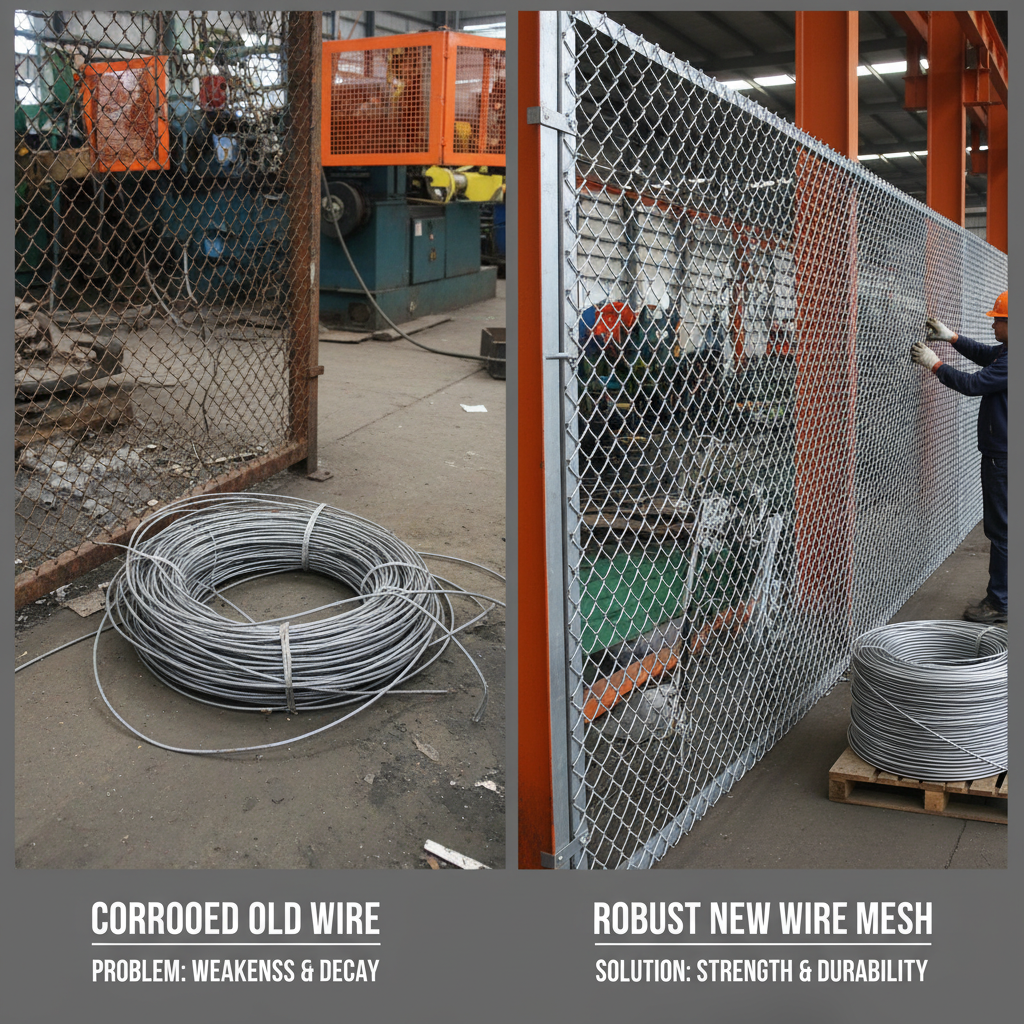
The Same Product And Company, The Different Quality and Service!
Selecting the right binding material can mean the difference between a structural failure and a long-lasting installation. In the world of construction and industrial fabrication, black annealed wire is prized for its balance of strength and malleability, allowing it to be twisted and secured without snapping.
The process of annealing—heating the steel and cooling it slowly—removes the internal stresses of the metal. This transformation is critical for professionals who need a wire that can be manipulated by hand or machine while maintaining a reliable grip. When sourcing these materials globally, understanding the metallurgical standards and manufacturing origins is essential for quality control.
Whether used for rebar tying or detailed craftsmanship, the quality of china black annealed iron wire depends heavily on the consistency of the annealing process and the purity of the raw steel. This article examines the technical specifications, selection logic, and industrial applications of this fundamental building material.


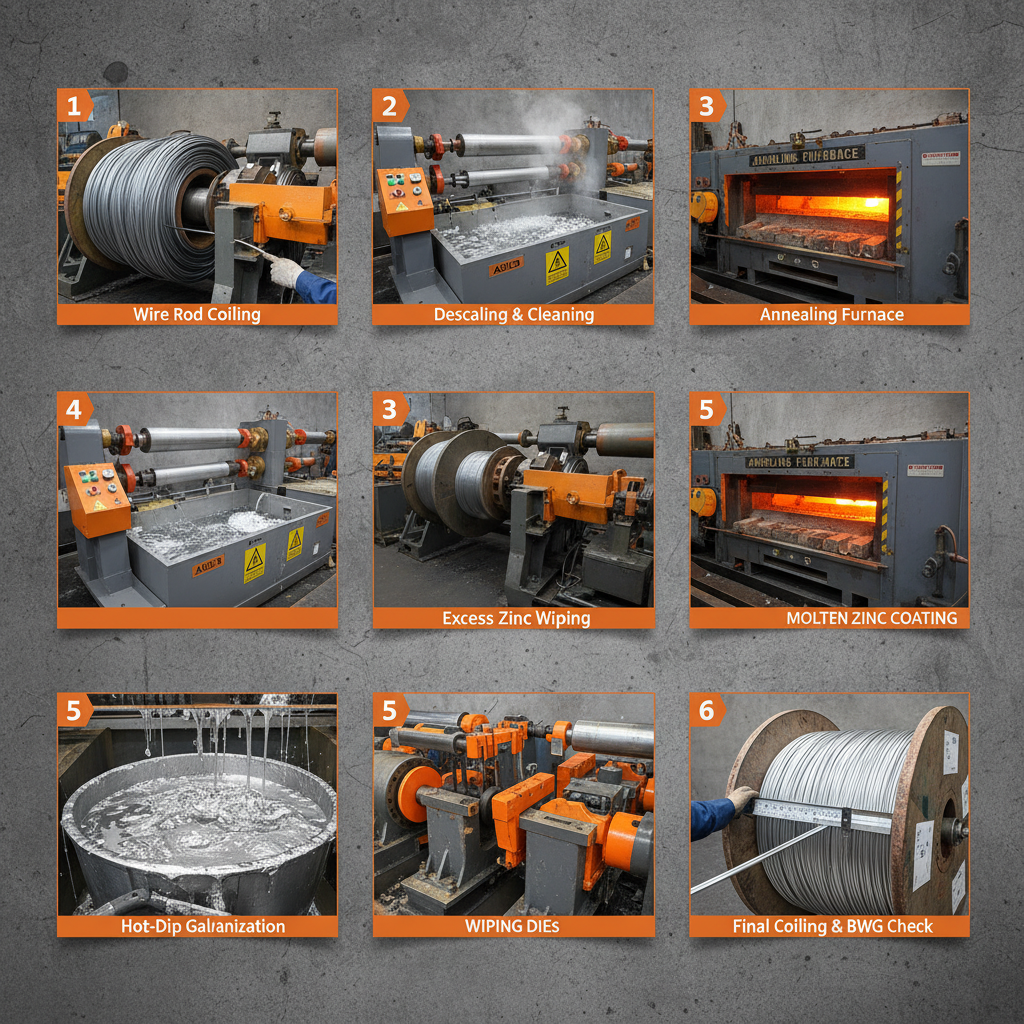
The primary objective of annealing is to alter the physical properties of low-carbon steel. By heating the wire to a specific temperature and controlling the cooling rate, the hard, brittle structure of cold-drawn wire is converted into a softer, more ductile state. This is not merely a surface change but a fundamental reconfiguration of the metal's grain structure.
In the context of china black annealed iron wire, this process ensures that the wire can be bent and twisted tightly around rebar or other components without fracturing. The "black" finish is a result of the oxide scale that forms during the heating process, which provides a basic layer of protection against immediate oxidation.
When evaluating annealed wire, the most critical metric is the "softness" or ductility. In professional procurement, this is often measured by the wire's ability to withstand a specific number of bends without failure. A wire that is under-annealed will remain too stiff, increasing labor time and risking snaps during installation, while over-annealed wire may lack the tensile strength required to hold a load.
Diameter consistency is another vital factor. Variations in gauge can lead to inconsistent tying strength and may cause issues when using automatic tying tools. Standard gauges, such as 12 BWG or 14 BWG, must be maintained across the entire length of the coil to ensure structural predictability.
Finally, the tensile strength must be balanced. While ductility is key, the wire must still possess enough inherent strength to resist breaking under the tension of the tie. High-quality production involves a precise thermal cycle that hits the "sweet spot" between flexibility and load-bearing capacity.
The surface finish of black annealed wire is often misunderstood as purely aesthetic. The black oxide layer created during the annealing process acts as a primary barrier. However, because it is a porous layer, black annealed wire is fundamentally more susceptible to corrosion than galvanized options.
The trade-off in utilizing black annealed wire is the exchange of high corrosion resistance for superior pliability and cost-effectiveness in interior or temporary structural applications.
For projects requiring longer exposure to the elements, the industry often shifts toward Hot Dipped Galvanized Steel Wire or PVC Coated Wire. However, for the initial phase of concrete pouring, where the wire will eventually be encased in cement, the black annealed variety remains the industry standard due to its ease of use and appropriate cost profile.
To understand the value of annealing, it is helpful to compare the behavior of black annealed wire against cold-drawn steel and galvanized wire. Ductility is the primary driver for labor efficiency; the less force required to twist the wire, the faster the installation process and the lower the fatigue for the workforce.
The following index provides a relative assessment of how different wire types perform across key utility dimensions. This framework helps buyers determine which material aligns with their specific operational constraints.
The most common deployment of china black annealed iron wire is in the reinforcement of concrete structures. Rebar tying requires a material that can be tightened quickly and securely without snapping, ensuring that the steel reinforcement remains in the correct position during the concrete pour.
Beyond heavy construction, this wire is utilized in general woodworking, packaging, and the manufacturing of various wire mesh products. In these settings, the ability to mold the wire to a specific shape—such as in the creation of custom brackets or temporary supports—makes it more versatile than rigid steel options.
Ensuring a consistent product across thousands of tons requires a rigorous control system. The process starts with raw material supplier screening, where the grade of the low-carbon steel is verified. Any impurity in the raw steel can lead to "brittle spots" in the finished annealed wire, which are catastrophic during high-tension applications.
During production, thermal monitoring is essential. If the annealing furnace temperature fluctuates, the resulting wire will have inconsistent ductility. Real-time detection of process parameters and daily sampling inspections are the only ways to guarantee that every batch meets the requested BWG specifications.
Storage also plays a role in quality. Because black annealed wire lacks a thick protective coating, it must be stored in moisture-proof warehouses. Improper storage leads to surface rust, which can compromise the wire's integrity and affect its bonding performance when used in concrete.
Choosing between different wire types involves balancing three primary factors: environmental exposure, required flexibility, and budget. While black annealed wire is the most cost-effective and flexible, it is not the correct choice for outdoor fencing or maritime environments.
A professional procurement strategy involves mapping the specific application to the material's strengths. For example, internal rebar tying calls for black annealed wire, while perimeter security might require Razor Wire or Chain Link Fence materials.
The following table provides a decision framework for selecting the appropriate wire based on typical project requirements.
| Application Requirement | Recommended Material | Primary Justification | Relative Suitability |
|---|---|---|---|
| Internal Rebar Tying | Black Annealed Wire | High ductility, low cost | Optimal |
| Exterior Siding/Roofing | Ringed Clout Nails/Wire | Pull-out resistance | High |
| Outdoor Border Fence | Galvanized Steel Wire | Corrosion resistance | Optimal |
| High-Corrosion Areas | PVC Coated Wire | Chemical barrier | High |
| Temporary Support | Black Annealed Wire | Ease of manipulation | Optimal |
| Permanent Security | Razor Wire / Euro Fence | Deterrent properties | Optimal |
Annealing is a heat treatment process where the steel is heated to a specific temperature and then cooled at a controlled, slow rate. This process relieves internal stresses induced during the cold-drawing stage, effectively softening the metal. The result is a wire that is much more flexible and easier to bend or twist without breaking, which is essential for applications like tying rebar in construction.
The primary difference lies in corrosion resistance and pliability. Black annealed wire is softer and easier to tie but will rust if exposed to moisture for long periods. Galvanized wire is coated in zinc to prevent rust, making it ideal for outdoor use, but it is generally stiffer and harder to twist tightly by hand. Black annealed is typically used for internal structural work, while galvanized is for external applications.
The most common gauges for binding and tying are 12 BWG and 14 BWG. The choice depends on the weight of the rebar being secured. Heavier reinforcement typically requires a thicker gauge (lower BWG number) to ensure the tie does not snap under the weight of the steel or the pressure of the concrete pour. Always verify the gauge to ensure it meets the structural engineering specifications of the project.
It is not recommended for permanent outdoor fencing. Because the black oxide layer provides minimal protection against the elements, the wire will oxidize and rust quickly when exposed to rain and humidity. For outdoor fencing, materials like Hot Dipped Galvanized Steel Wire or PVC Coated Wire should be used to ensure the longevity of the installation and reduce maintenance costs.
A simple field test is the "bend test." Properly annealed wire should be easily bent into a tight U-shape and twisted around itself with minimal effort and no visible cracking or snapping. If the wire feels "springy" or resists bending, it may be under-annealed. Consistent flexibility throughout the coil is a key indicator of a high-quality annealing process and uniform thermal treatment.
The black color is not a paint or a coating; it is a layer of magnetite (Fe3O4) that forms on the surface of the steel during the annealing process. As the wire is heated in the furnace, the iron reacts with oxygen to create this oxide scale. While it provides a very basic level of protection, its primary function is a byproduct of the thermal process used to soften the metal.
Black annealed iron wire remains a cornerstone of the construction and industrial sectors due to its unparalleled pliability and efficiency. By understanding the metallurgical transition from cold-drawn to annealed steel, procurement managers and engineers can better specify materials that reduce labor costs and ensure structural integrity.
Ultimately, the value of this material lies in its reliability. When produced under strict quality controls—focusing on raw material purity and precise thermal cycles—it provides the necessary security for everything from complex rebar grids to simple industrial packaging. Choosing the right gauge and ensuring proper storage are the final steps in maximizing the utility of this essential metal product.