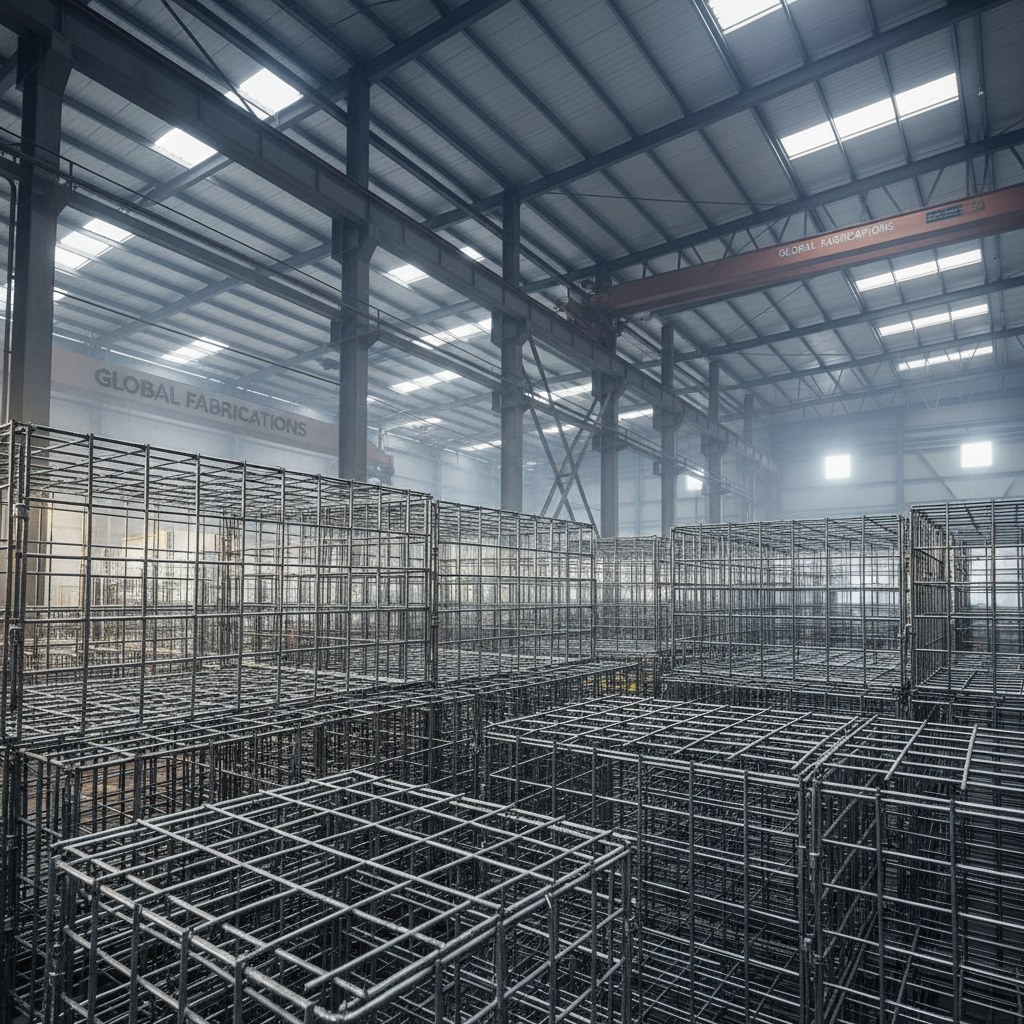
Securing livestock and protecting gardens requires a balance between cost-efficiency and structural integrity, which is why cheap chicken wire/rabbit wire mesh remains a staple in the metal products industry. These hexagonal and square netting solutions provide a lightweight yet effective barrier for a wide range of agricultural and domestic applications.
Many buyers struggle to distinguish between "budget-friendly" and "low-quality" netting, often leading to premature rust or structural failure. The challenge lies in identifying the specific wire gauge and coating that can withstand local environmental conditions without overpaying for unnecessary industrial-grade specifications.
This professional analysis helps procurement managers and homeowners understand the technical trade-offs of various wire meshes, providing a framework to evaluate durability, mesh size, and supplier reliability to ensure long-term project success.

Defining Mesh Types for Poultry and Rabbits

Chicken wire, technically known as hexagonal wire netting, is characterized by its flexible structure and lightweight nature. It is primarily designed to keep small animals in or out of a designated area, rather than acting as a heavy-duty security fence. Because of its weave, it can easily conform to irregular shapes, making it ideal for temporary enclosures or coop roofing.
In contrast, rabbit wire mesh typically utilizes a square or rectangular welded pattern. This structure provides significantly higher rigidity and resistance to chewing, which is essential for preventing rabbits and other burrowing rodents from breaching the perimeter. While chicken wire offers flexibility, rabbit mesh offers the structural strength required for permanent ground-level installations.
Critical Specifications for Budget-Friendly Mesh
When sourcing cheap chicken wire/rabbit wire mesh, the most critical variable is the wire gauge. A higher gauge number indicates a thinner wire. While thinner wires reduce the initial purchase price, they are more susceptible to bending and corrosion. For most residential poultry needs, a balance between 18 and 22 gauge is standard, though rabbit enclosures often require heavier gauges to resist predator attacks.
The coating is the second pillar of durability. Galvanized steel is the industry standard, with "Hot-Dipped" being far superior to "Electro-Galvanized" in terms of rust resistance. In highly humid or coastal environments, opting for a slightly higher investment in hot-dipped galvanized steel prevents the need for full replacement within two to three years, effectively lowering the long-term cost per year of use.
Practical Deployment Scenarios and Use Cases
For poultry applications, the priority is often exclusion and containment. Chicken wire is frequently used to create "run" extensions or to cover open-top coops to prevent avian predators from diving in. In these scenarios, the flexibility of the hexagonal mesh allows for quick installation over wooden frames or existing structures without requiring heavy tensioning tools.
Garden protection requires a different approach, specifically targeting burrowing pests. Rabbit wire mesh is often installed as an "L-footer," where the mesh is buried 12 inches deep and bent outward to stop animals from digging under the fence. For larger-scale agricultural needs, these meshes are often combined with T-posts or stakes to create stable, long-distance perimeters that maintain their shape under wind pressure.
Relative Performance Index of Netting Materials
Understanding the trade-offs between different wire mesh types is essential for optimizing a budget. The following chart illustrates a normalized conceptual score across five key performance dimensions, comparing lightweight hexagonal netting (chicken wire) against rigid welded mesh (rabbit wire).
As shown in the illustrative framework, while hexagonal netting excels in flexibility and initial affordability, welded mesh provides significantly higher scores in durability and predator resistance. This data suggests that for permanent infrastructure, the slightly higher cost of welded mesh is justified by its superior structural performance.
Evaluating Total Cost of Ownership (TCO)
The "cheap" aspect of wire mesh should be evaluated through the lens of Total Cost of Ownership rather than just the initial invoice. A low-cost, thinly galvanized mesh may be 30% cheaper today but may fail in 24 months due to oxidation. Conversely, a higher-grade galvanized mesh might last 10 years, reducing the frequency of labor-intensive replacement cycles.
Labor costs often exceed material costs in large-scale installations. Utilizing pre-cut rolls and matching them with appropriate fasteners, such as clout nails for wooden frames or specialized tie wires, reduces installation time. By aligning the mesh specifications exactly with the animal's size and the predator's strength, buyers avoid the "over-spec" trap—paying for industrial strength when agricultural grade is sufficient.
Avoiding Common Installation Pitfalls
One of the most frequent mistakes in deploying cheap chicken wire/rabbit wire mesh is failing to tension the material correctly. Loose mesh is not only aesthetically poor but is also easier for predators to lift or push through. Using a tensioning tool or securely stapling the mesh every 6 to 12 inches ensures the barrier remains taut and effective.
Another critical error is ignoring the "ground gap." Many users install mesh directly on the surface, allowing rabbits or foxes to dig underneath. Implementing a trench or a concrete footer is the only way to ensure the mesh provides a true perimeter. Additionally, using incorrect fasteners—such as nails that rust quickly—can lead to the mesh detaching from the frame, regardless of the wire's own quality.
Decision Matrix for Mesh Selection
Selecting the right product requires matching the application to the material's inherent strengths. The following matrix provides a qualitative comparison to guide procurement decisions based on common user needs in the metal products industry.
| Mesh Type | Primary Strength | Best Application | Main Risk |
|---|---|---|---|
| Hexagonal Netting | Extreme Flexibility | Poultry Coops | Low Impact Resistance |
| Welded Square Mesh | High Rigidity | Rabbit Hutches | Higher Initial Cost |
| Galvanized Steel | Rust Prevention | Outdoor Fencing | Zinc Layer Wear |
| PVC Coated Wire | Max Corrosion Resistance | Coastal Areas | Potential UV Degradation |
| Heavy Gauge Welded | Predator Proofing | Permanent Enclosures | Heavy Weight / Harder Install |
| Light Gauge Hex | Budget Efficiency | Temporary Barriers | Short Lifespan |
By utilizing this decision framework, buyers can transition from searching for the "cheapest" option to the "most cost-effective" solution, ensuring the mesh serves its purpose without requiring premature replacement.
Frequently Asked Questions
Chicken wire uses a hexagonal weave that is flexible and lightweight, ideal for containment. Rabbit wire is typically welded in a square pattern, providing the rigidity needed to resist chewing and digging by stronger animals.
To maximize lifespan, choose hot-dipped galvanized options over electro-galvanized ones. Avoid cutting the mesh with tools that strip the coating, and ensure it is installed away from direct contact with highly acidic soils.
For rabbit enclosures, a heavier gauge (lower number) welded mesh is recommended to prevent predators from breaking through and rabbits from chewing through the wire. 16 to 18 gauge is often preferred for durability.
It can work for excluding birds or very small insects, but it is generally too weak to stop determined rabbits or dogs. For garden perimeters, a combination of rabbit wire at the bottom and chicken wire at the top is more effective.
Use galvanized poultry staples or clout nails with enlarged heads. Ensure the fasteners are driven deep enough to hold the mesh tight but not so far that they split the wood, which would weaken the attachment.
Yes, if you are in a high-moisture area or using the mesh in a setting where it will be frequently exposed to water. The PVC layer provides an additional barrier against oxidation, extending the life of the steel core.
Conclusion
Finding the ideal balance for cheap chicken wire/rabbit wire mesh requires moving beyond the initial price tag to consider wire gauge, coating quality, and the specific needs of the animals involved. While hexagonal netting provides unmatched flexibility for poultry, welded mesh is the necessary choice for security against burrowing pests. By focusing on the Total Cost of Ownership and following proper installation protocols, buyers can ensure a durable, effective barrier.
For those evaluating specific mesh configurations and technical requirements, detailed product specifications and industrial sourcing options can be reviewed at www.fivestar-metals.com to match the material to the application.