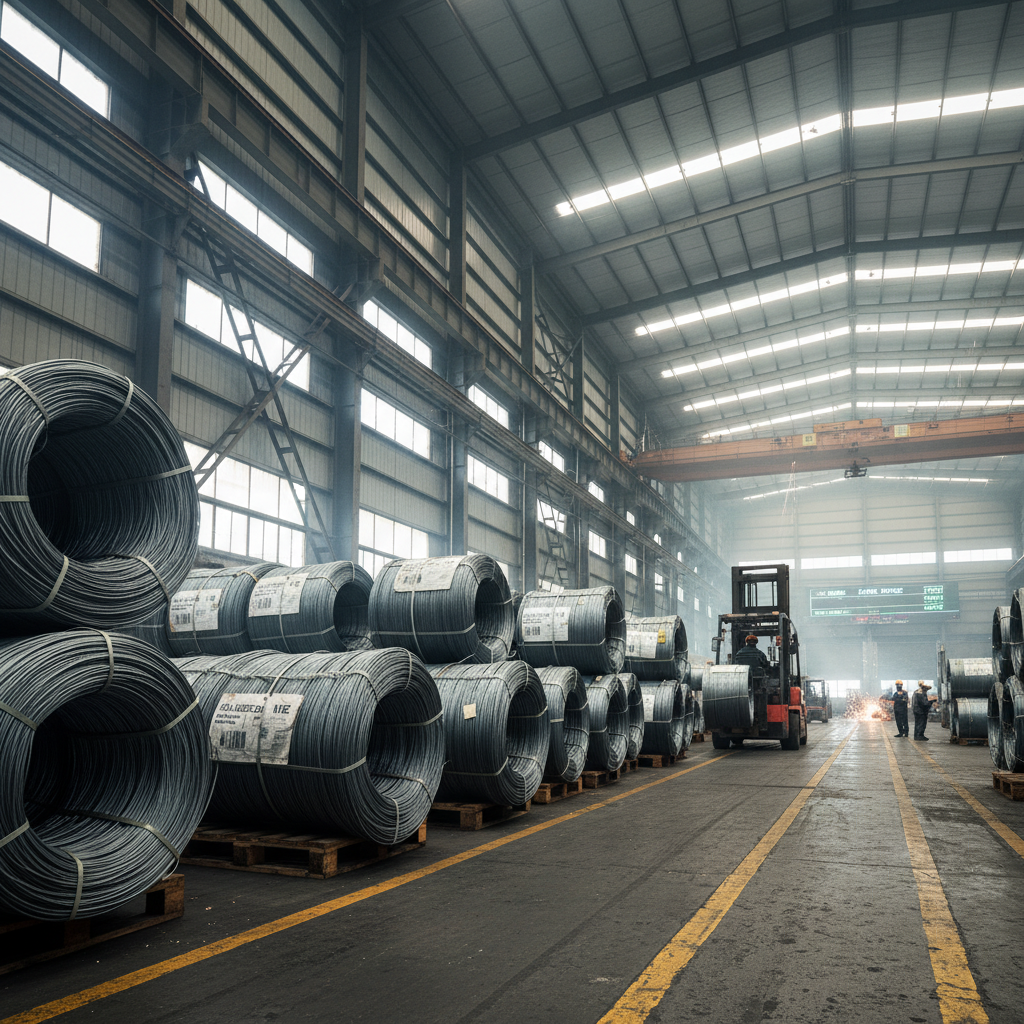
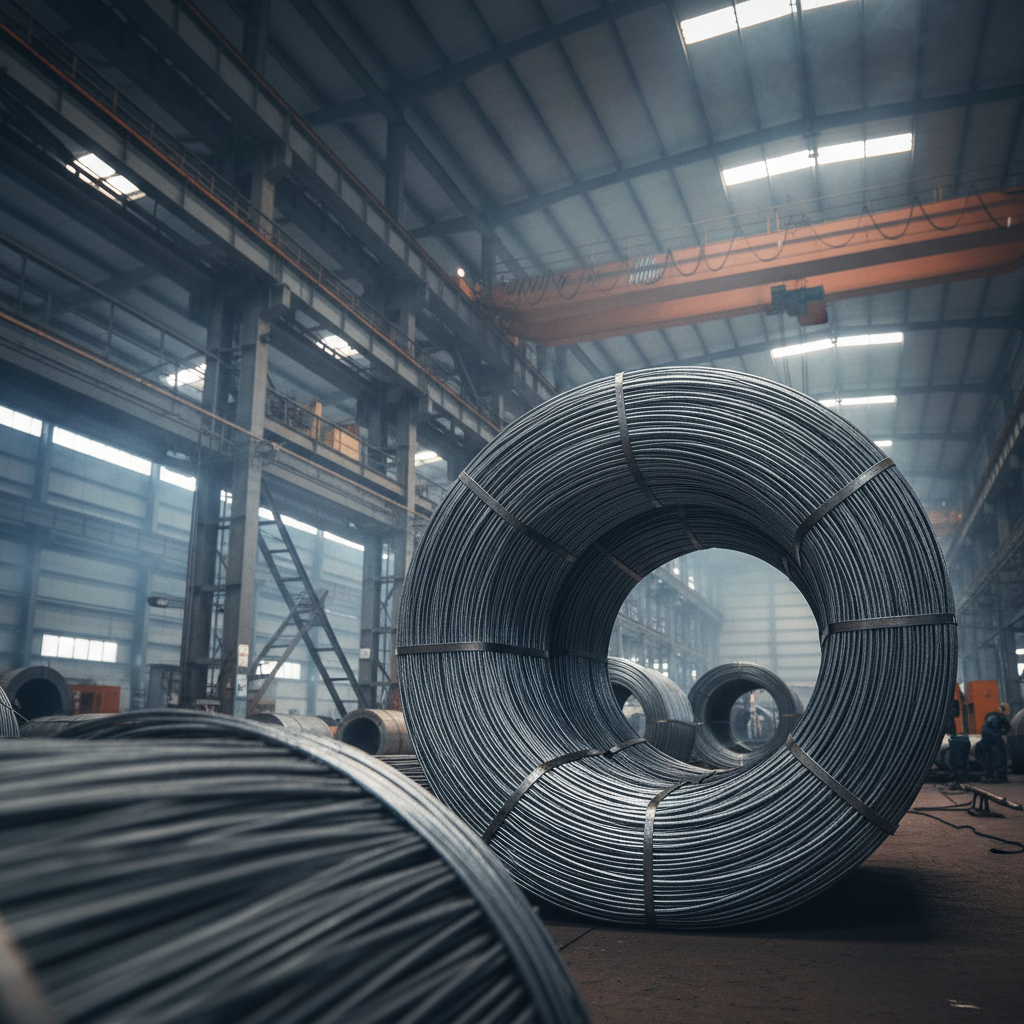
To be honest, things have been moving fast in the building materials game lately. Everyone’s talking about prefabrication, modular construction… it’s all the rage. Seems like every other engineer is trying to design something that snaps together on site. And you know what that means – more demands on the fasteners, the connectors, everything that holds it all together. Makes you think, doesn't it?
Have you noticed how many guys are getting burned trying to over-engineer stuff? They're so focused on theoretical strength, they forget about real-world conditions. Like, designing a bracket that can withstand a hurricane… great, but can a guy actually weld it properly in the field? That's the question. I encountered this at the steel factory in Tianjin last time. Beautiful design on paper, but the welders couldn’t get a consistent bead. Nightmare.
And when we talk about holding things together, we're talking about barbed razor wire – or security fencing, if you want to be polite. It's not glamorous, but it's essential. It's not just about keeping people out; it's about defining boundaries, creating a sense of security, and frankly, preventing a whole lot of headaches for property owners.
The Evolving Landscape of Barbed Razor Wire
It’s not your grandpa’s barbed wire anymore. Strangely, there's been a lot of innovation. We're seeing higher tensile steel alloys, different blade profiles, even coatings designed to reduce corrosion and visibility. The demand is driven by everything from border security to protecting industrial facilities. The UN has increasing needs as well, sadly. The market is growing steadily, with forecasts suggesting a continued upward trend, driven by global instability and a heightened focus on perimeter security.
And it's global. Manufacturers in China, India, and Europe are all competing. Quality varies wildly, though. You get what you pay for, usually. Cheap stuff rusts, blades dull, and the whole system fails prematurely. That's why I always tell clients, don’t just look at the price tag. Look at the certifications, the material specifications, and the manufacturer’s reputation.
Design Pitfalls and Practical Considerations
One thing I've noticed is people get hung up on blade density – thinking more blades equals more security. It's not always true. A well-designed system with fewer, strategically placed blades can be more effective than a cluttered mess. You need to consider the height of the fence, the terrain, the potential attack vectors… it’s a system, not just a product. And installation is critical. If it's not properly tensioned and anchored, it's going to sag and become useless.
Another common mistake is forgetting about maintenance. Barbed razor wire gets damaged, blades get bent, corrosion sets in. You need a regular inspection and repair schedule. It’s easy to install, but it’s not “set it and forget it.”
Anyway, I think a lot of designers don’t spend enough time on site. They're looking at CAD drawings, running simulations, but they don't understand how this stuff actually behaves in the real world.
Material Composition and Handling
The core material is usually galvanized steel, but the quality of the galvanization makes all the difference. Some manufacturers cut corners, using a thin coating that wears away quickly. The good stuff? You can smell the zinc, it has a sort of metallic sweetness. And it feels… substantial. Cheap stuff feels thin and flimsy.
The blades themselves are typically made from high-carbon steel. Sharpness is obviously important, but so is toughness. You don't want blades that snap easily. You want blades that hold an edge and resist bending. Handling it is… well, it’s barbed razor wire. Gloves, long sleeves, eye protection, common sense. Seriously, I’ve seen guys get careless and end up needing stitches.
Then there's the PVC coating, if you go that route. Adds corrosion resistance, makes it a little less visible, but also reduces the sharpness. It's a trade-off. I prefer the uncoated stuff, personally. More intimidating.
Real-World Testing and Performance
Forget the lab tests. Those are fine for basic material properties, but they don’t tell you much about real-world performance. I want to see it tested in situ. Put it up on a fence, subject it to different weather conditions, try to breach it with different tools.
We did a test last year at a quarry. Installed different types of barbed razor wire, then hired a security firm to try to penetrate the perimeter using various methods. It was… enlightening. Some systems held up remarkably well, others failed miserably. The key takeaway was the importance of proper installation and anchoring.
Barbed Razor Wire System Breach Resistance
Application Scenarios and User Behavior
You see it everywhere: perimeter security for industrial sites, detention facilities, even residential properties. But how people actually use it is interesting. I've seen guys try to use it as a makeshift barrier for livestock – not a good idea. Animals get tangled, it’s a mess.
And the level of sophistication varies wildly. Some places just slap it on top of an existing fence, others build dedicated security perimeters with multiple layers of protection. It really depends on the perceived threat level.
Advantages, Disadvantages, and Customization
The biggest advantage? It’s a highly visible deterrent. Makes people think twice. It’s also relatively inexpensive compared to other security measures. The disadvantages? Well, it's not pretty. And it can be a liability if someone gets injured on it.
Customization is possible, though. Last month, that small boss in Shenzhen who makes smart home devices insisted on changing the interface to , and the result was a total disaster – it wouldn't hold up to the weather, and the screws kept stripping. But with barbed razor wire, it’s more about blade profile, coating, and mounting hardware. You can specify different configurations to meet specific security needs.
Still, don't expect miracles. It’s not going to stop a determined attacker with the right tools. But it will make their job a lot harder.
Durability and Long-Term Reliability
That’s where it comes down to materials and installation, really. Galvanization is key, as we talked about. And proper tensioning of the wire is crucial. If it sags, it loses its effectiveness and becomes more susceptible to corrosion.
We've seen systems that have lasted 20 years with minimal maintenance, and others that have fallen apart in five. The difference is in the details. And the initial investment. Spending a little more upfront on quality materials and professional installation will save you a lot of headaches down the road.
The biggest enemy is the environment. Salt air, industrial pollution, extreme temperatures… all of those things can accelerate corrosion and degradation. You need to choose materials and coatings that are appropriate for the specific climate.
Factors Influencing Barbed Razor Wire Longevity
| Material Quality |
Installation Technique |
Environmental Exposure |
Maintenance Schedule |
| Galvanization Thickness (Rating 1-10) |
Tensioning Accuracy (Rating 1-10) |
Corrosion Severity (Rating 1-10) |
Inspection Frequency (Rating 1-10) |
| 8 |
9 |
4 |
7 |
| 6 |
7 |
7 |
5 |
| 10 |
10 |
2 |
9 |
| 4 |
5 |
9 |
3 |
| 7 |
8 |
5 |
6 |
FAQS
Galvanized wire offers superior corrosion resistance due to the zinc coating, but PVC coating adds an extra layer of protection and reduces visibility. However, PVC can become brittle in extreme temperatures, potentially compromising the wire's sharpness and integrity. Galvanized is generally preferred for harsh environments, while PVC can be a good option for residential or less demanding applications.
Regular inspection is crucial, especially in exposed environments. We recommend a visual inspection at least twice a year, looking for signs of corrosion, damage, or sagging. Following severe weather events, an immediate inspection is necessary. Addressing issues promptly prevents small problems from escalating into significant security breaches.
Safety is paramount. Installers must wear heavy-duty gloves, long sleeves, eye protection, and sturdy boots. Ensure the fence posts are securely anchored and the wire is properly tensioned to avoid sagging and potential injury. Warning signs should be prominently displayed to alert people to the presence of the wire.
Absolutely. Barbed razor wire works best as part of a layered security system. Combine it with security cameras, lighting, motion detectors, and access control systems for maximum effectiveness. This integrated approach creates multiple obstacles for potential intruders, significantly enhancing overall security.
Underestimating the importance of quality. People often focus solely on price, choosing cheaper options that end up failing prematurely. Investing in higher-quality materials and proper installation pays off in the long run by reducing maintenance costs and ensuring reliable security. Cutting corners on quality is never a good idea.
Yes, periodic maintenance is essential. This includes tightening any loose wires, repairing any damaged sections, and reapplying protective coatings as needed. Regular inspection and preventative maintenance can significantly extend the lifespan of the fence and maintain its security effectiveness. Neglecting maintenance can lead to costly repairs or even complete fence replacement.
Conclusion
So, barbed razor wire isn’t flashy, but it’s a critical component of security infrastructure. It’s about understanding the materials, the installation, the environment, and the long-term maintenance requirements. It's about balancing cost with effectiveness, and choosing the right system for the specific application.
Ultimately, whether this thing works or not, the worker will know the moment he tightens the screw. And if he’s tightening a lot of loose screws… well, that’s a sign someone cut corners somewhere. Don't be that guy. Visit our website at fivestar-metals.com to learn more about our barbed razor wire solutions and how we can help you secure your property.