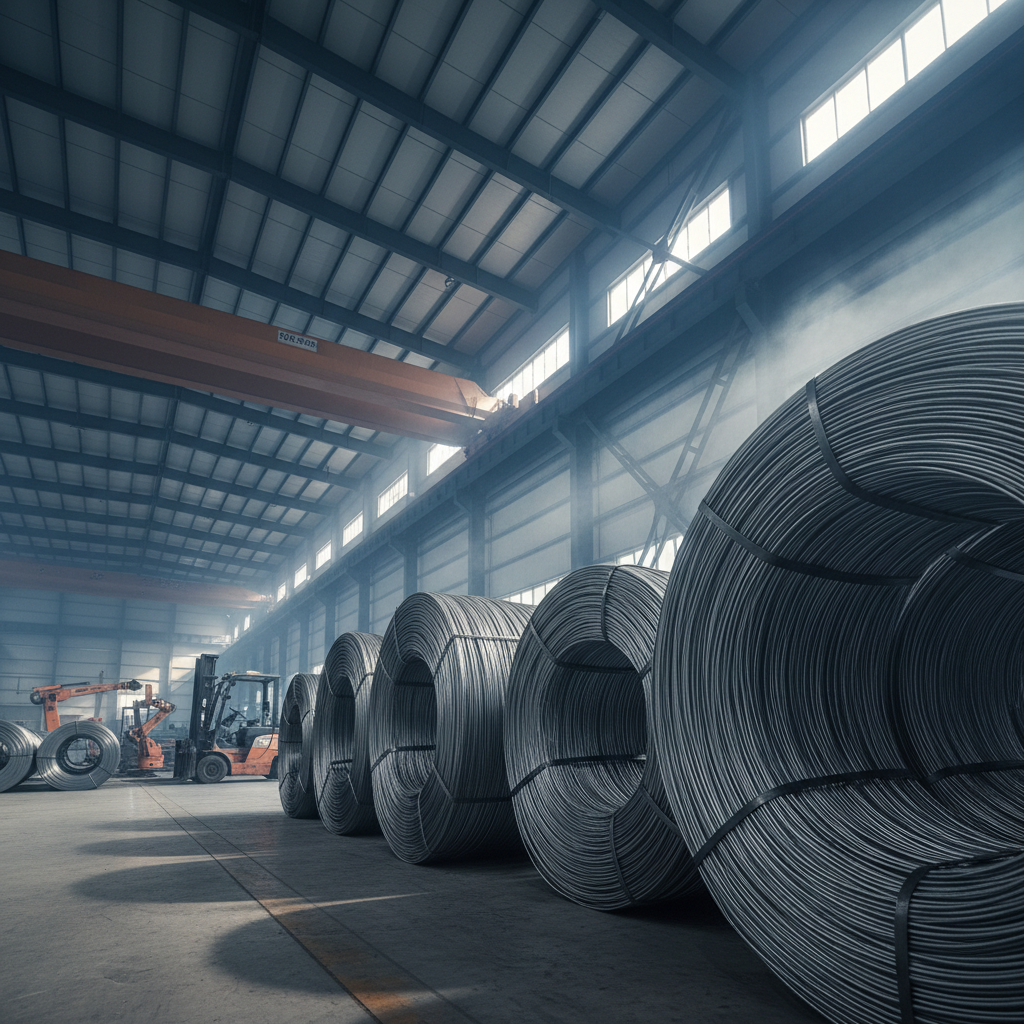
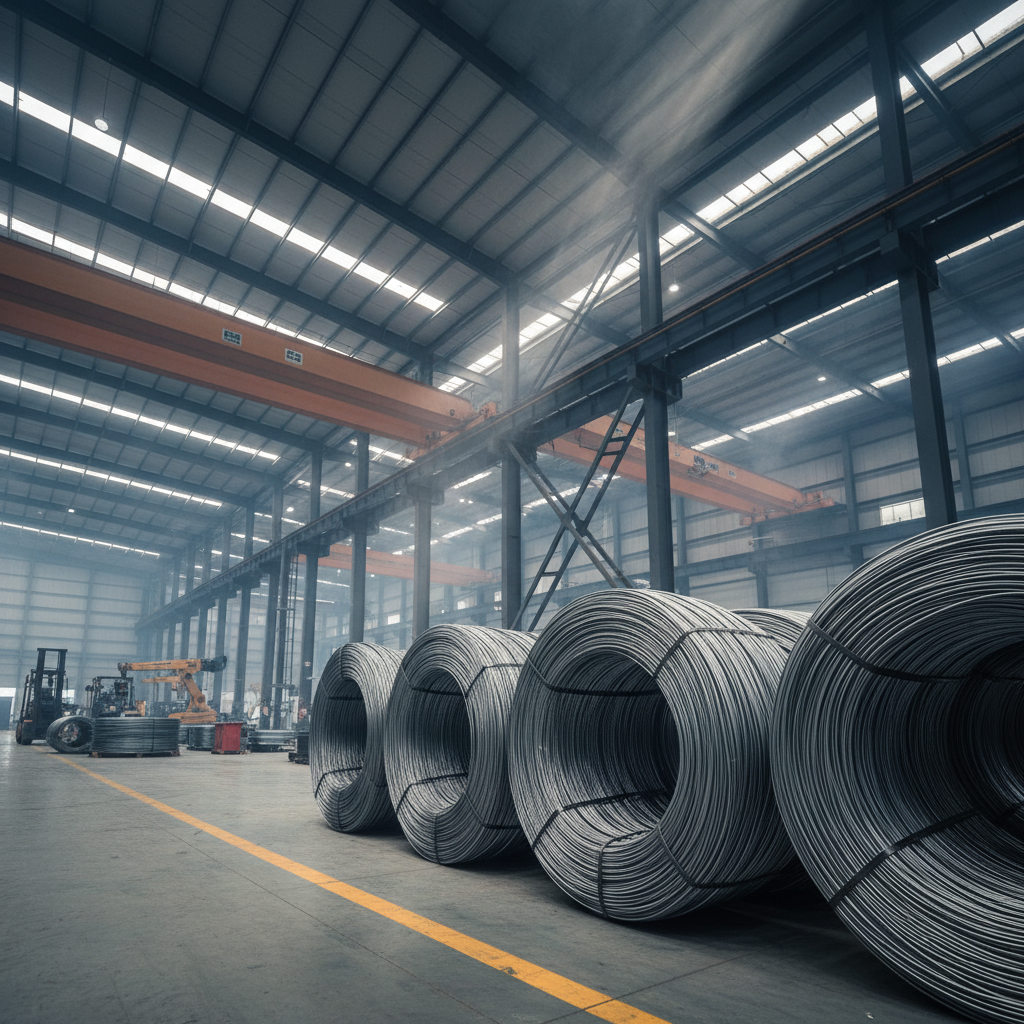
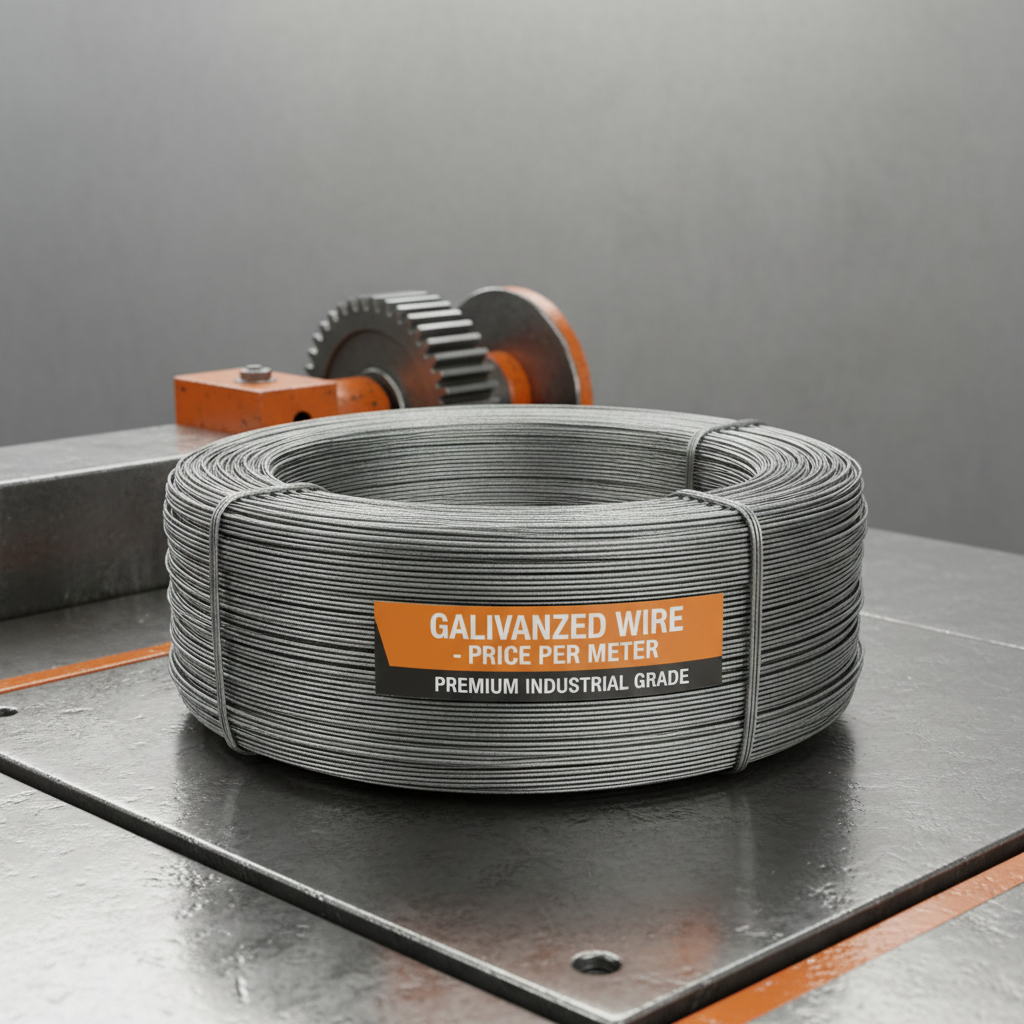
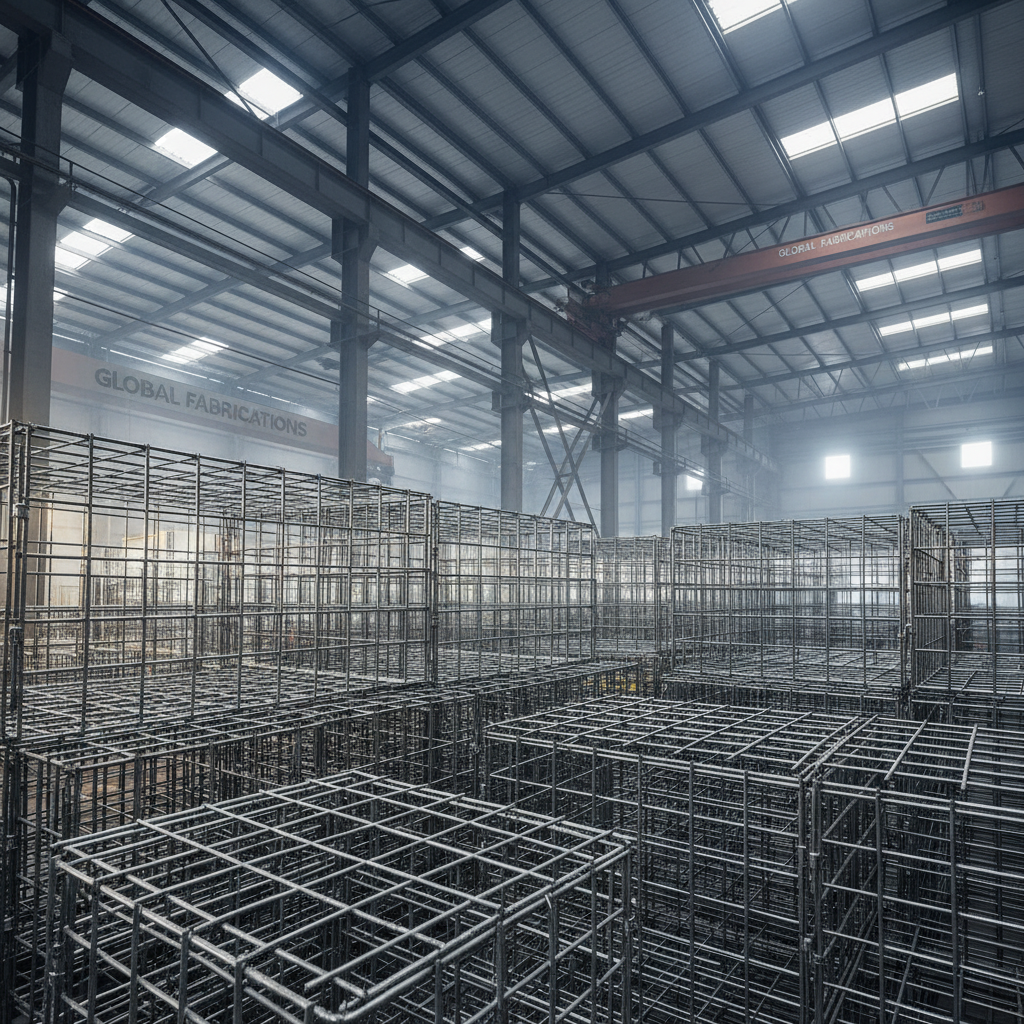
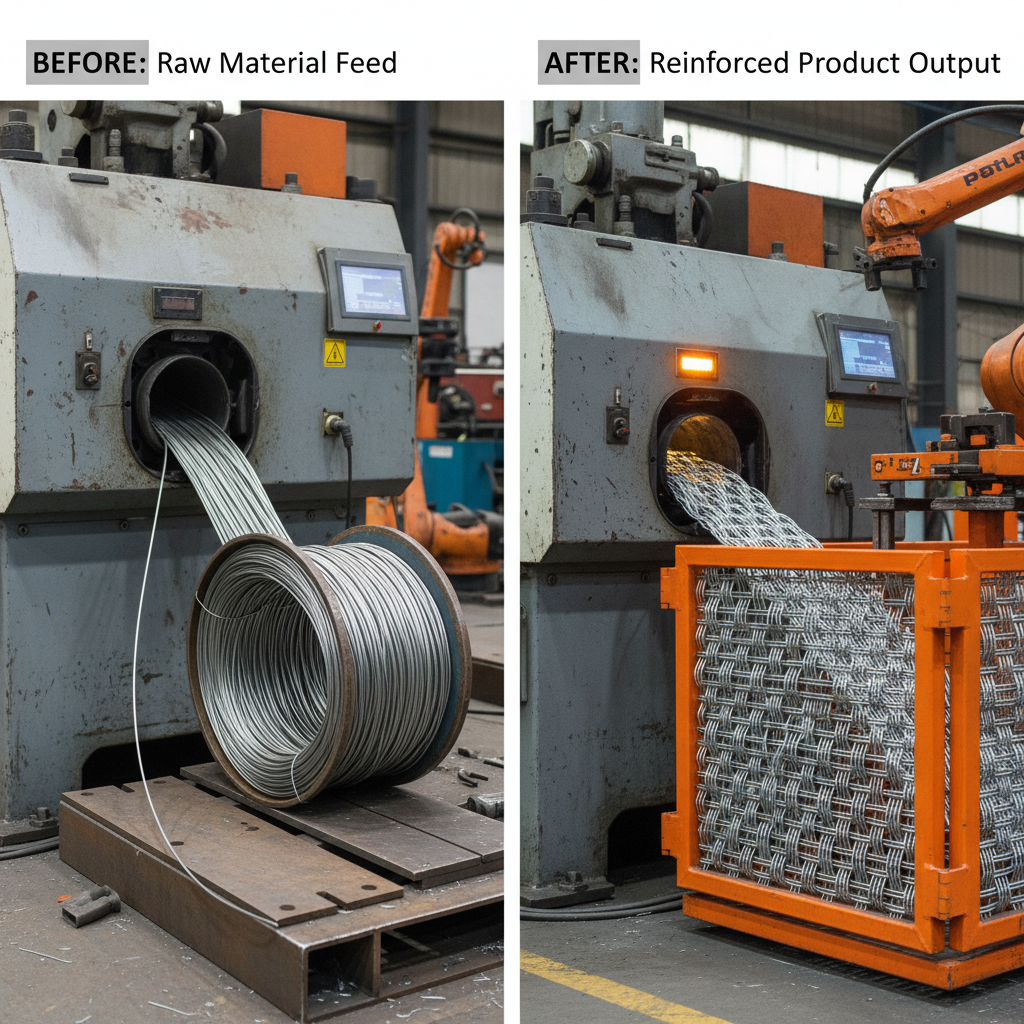
Galvanized wire for bird cages is a crucial component in aviculture, offering a safe, durable, and cost-effective solution for enclosure construction. Its resistance to corrosion, achieved through the zinc coating process, ensures longevity and prevents harmful rust that could impact bird health. The demand for robust and reliable birdcage materials is consistently high, driven by both hobbyist bird owners and commercial breeding facilities worldwide. Understanding the nuances of galvanized wire, from its manufacturing process to its specific applications in avian housing, is essential for anyone involved in bird care.
Globally, the pet bird industry is experiencing steady growth, with an increasing number of households opting to keep birds as companions. This growth directly translates to a heightened need for quality birdcages, fueling demand for galvanized wire. Furthermore, conservation efforts involving captive breeding programs for endangered bird species rely heavily on durable, secure enclosures built with materials like galvanized wire. The market is also influenced by growing awareness regarding animal welfare, driving a preference for non-toxic and long-lasting cage materials.
The selection of appropriate materials for birdcages directly impacts the well-being of the birds and the longevity of the enclosure. Choosing the right galvanized wire offers peace of mind for bird owners and professionals alike, ensuring a safe and comfortable environment for avian life.
Introduction to galvanized wire for bird cages
Galvanized wire for bird cages stands as a cornerstone material in the avicultural world, favored for its durability and resistance to environmental factors. The process of galvanization, coating steel or iron with zinc, significantly extends the lifespan of the wire, making it ideal for long-term bird enclosures. This protective layer prevents rust and corrosion, crucial for maintaining a safe and hygienic environment for birds.
The use of galvanized wire isn't merely about longevity; it's also about bird safety. Unlike some other metal coatings, the zinc used in galvanization is generally non-toxic to birds, minimizing the risk of health problems associated with cage materials. The inherent strength of the wire also provides a secure structure, preventing escapes and protecting birds from predators.
The Science of Galvanization
Galvanization is a metallurgical process that involves coating iron or steel with a layer of zinc. This coating acts as a barrier, protecting the underlying metal from corrosion. There are several methods of galvanization, including hot-dip galvanizing, electrogalvanizing, and sherardizing. Hot-dip galvanizing, the most common method, involves immersing the steel in a bath of molten zinc. This creates a strong metallurgical bond between the zinc and the steel.
The protective nature of galvanization stems from the fact that zinc corrodes preferentially to iron or steel. This means that if the coating is scratched or damaged, the zinc will continue to protect the underlying metal by corroding first. This sacrificial protection extends the life of the structure significantly. The thickness of the zinc coating directly impacts the level of protection afforded.
Different grades of galvanized wire exist, categorized by the thickness of the zinc coating. These grades are often designated by symbols like G90, G60, and G30, representing the weight of zinc coating per square foot of steel. For birdcages, a higher grade like G90 is often preferred for its enhanced corrosion resistance, especially in humid or coastal environments.
Key Properties of Galvanized Wire
Durability is paramount when considering materials for birdcages, and galvanized wire excels in this regard. The zinc coating significantly extends the lifespan of the wire, resisting rust, corrosion, and the effects of weathering. This reduces the need for frequent replacements, saving both time and money.
Strength is another critical property. Galvanized wire maintains a high tensile strength, capable of withstanding the weight and activity of birds within the cage. The wire can be securely woven or welded to create a robust and stable enclosure, ensuring bird safety and preventing escapes.
Workability is essential for crafting complex cage designs. Galvanized wire is relatively easy to cut, bend, and shape, allowing for customization and the creation of various cage sizes and configurations. This flexibility makes it suitable for both large-scale commercial aviaries and smaller, custom-built cages for pet birds.
Applications in Birdcage Construction
Galvanized wire is used extensively in the construction of birdcage frames, providing the structural support for the enclosure. The wire is typically woven or welded together to create a strong and durable mesh that forms the walls, roof, and floor of the cage. Different wire gauges (thicknesses) are used depending on the size and type of bird the cage is intended for.
It’s also crucial for creating doors and access points. Galvanized wire is used to fashion secure latches and locking mechanisms, preventing birds from escaping. The wire's malleability allows for the creation of intricate door designs while maintaining a high level of security.
Galvanized Wire Gauge Selection for Different Bird Species
Global Market and Supply Chain
The global market for galvanized wire is substantial and driven by demand from various industries, including agriculture, construction, and, importantly, aviculture. Major producing countries include China, India, the United States, and Europe. These regions benefit from readily available raw materials (steel and zinc) and established manufacturing infrastructure.
Supply chain dynamics can be influenced by fluctuations in raw material prices, transportation costs, and geopolitical factors. The cost of zinc, in particular, can significantly impact the price of galvanized wire. Maintaining a stable and reliable supply chain is crucial for birdcage manufacturers to ensure consistent production and competitive pricing.
Advantages and Sustainability
Choosing galvanized wire for bird cages offers numerous advantages. Its longevity translates to cost savings by reducing the need for frequent replacements. The non-toxic nature of the zinc coating ensures the safety and well-being of birds. The strength and durability of the wire provide a secure and comfortable environment.
From a sustainability perspective, galvanized wire offers benefits over some alternative materials. Zinc is a recyclable material, and galvanized steel can be recycled at the end of its life. The long lifespan of galvanized wire reduces the overall demand for raw materials, minimizing environmental impact.
The overall value proposition of using galvanized wire extends beyond just functionality. It provides peace of mind for bird owners, knowing they've invested in a safe, durable, and environmentally conscious product. This contributes to responsible pet ownership and supports ethical avicultural practices.
Future Trends and Innovations
Ongoing research is focused on enhancing the corrosion resistance of galvanized wire through innovative coating techniques and alloy compositions. Nanotechnology is being explored to create even more durable and protective zinc coatings.
There’s a growing interest in developing more sustainable galvanization processes that minimize waste and reduce energy consumption. This includes exploring alternative zinc sources and optimizing the hot-dip galvanizing process. Furthermore, automation and digital monitoring are being integrated into manufacturing processes to improve quality control and efficiency.
The demand for customized birdcage designs is driving the development of more flexible and adaptable galvanized wire products. This includes the creation of lighter-weight wires with increased strength, allowing for more intricate and visually appealing cage designs.
Galvanized Wire for Birdcage Quality Assessment
| Coating Thickness (μm) |
Corrosion Resistance (Rating 1-10) |
Tensile Strength (MPa) |
Cost per Kilogram (USD) |
| 15 |
5 |
380 |
1.20 |
| 25 |
7 |
400 |
1.45 |
| 35 |
8 |
420 |
1.70 |
| 45 |
9 |
440 |
1.95 |
| 55 |
10 |
460 |
2.20 |
| 65 |
9.5 |
450 |
2.45 |
FAQS
The lifespan of a birdcage made with galvanized wire can vary significantly depending on the environment and the quality of the wire. Generally, a well-maintained cage using high-quality galvanized wire (G90 or higher) can last for 10-20 years or even longer. Coastal environments with high salt spray will reduce lifespan, requiring more frequent inspection and potential replacement. Proper cleaning and preventing physical damage also contribute to longevity.
Galvanized wire is generally considered safe for most bird species. However, some birds, particularly those that ingest everything they come across (like budgies), may occasionally peck at the coating. While zinc toxicity is rare, it's best to choose high-quality wire with a well-adhered coating and to monitor birds for any signs of illness. Avoid cages with damaged or flaking coatings.
Look for wire that is uniformly coated with zinc, without any bare spots or flaking. Check the wire gauge – thicker wire provides greater strength. Consider the galvanization grade (G90 is generally recommended). Reputable suppliers will provide documentation verifying the wire's specifications and zinc coating thickness. A smooth, consistent finish is also a good indicator of quality.
If the galvanized coating is lightly scratched, it's usually not a significant concern as the zinc will corrode sacrificially. However, if the coating is severely damaged or flaking, it's best to repair or replace the affected section. You can use a cold galvanizing compound to touch up minor scratches, but extensive damage warrants replacement to prevent potential exposure to the underlying steel.
While galvanized wire can be used for perches, it’s not always the best choice. Birds may naturally chew on perches, and ingesting small amounts of zinc coating over time could potentially be harmful. Consider using natural wood perches, or perches made of bird-safe materials specifically designed for this purpose. If using galvanized wire, ensure the birds are not actively consuming it.
Galvanized wire generally offers a good balance between cost and durability compared to other materials like stainless steel or powder-coated wire. While stainless steel is more corrosion-resistant, it's significantly more expensive. Powder coating adds cost and can chip or flake over time. Galvanized wire provides a cost-effective solution for long-lasting birdcage construction without sacrificing quality or safety.
Conclusion
Galvanized wire for bird cages represents a cornerstone material in avian care, combining durability, safety, and cost-effectiveness. Its resistance to corrosion, coupled with the non-toxic nature of the zinc coating, ensures a long-lasting and secure environment for birds. From small hobbyist enclosures to large-scale commercial aviaries, galvanized wire consistently delivers reliable performance and peace of mind.
Looking ahead, ongoing innovations in galvanization techniques and materials promise to further enhance the benefits of this essential product. By prioritizing quality, sustainability, and bird safety, we can ensure that galvanized wire continues to play a vital role in the well-being of avian populations worldwide. Visit our website to explore our range of galvanized wire products and find the perfect solution for your birdcage needs.