Understanding the Differences Between Screws Common Nails and Their Applications
Understanding Screws and Common Nails: A Comprehensive Guide
When undertaking any construction, repair, or DIY project, choosing the right fastener is crucial. Screws and common nails are two of the most fundamental fasteners used across countless applications. While both serve to join materials, they differ significantly in their characteristics, applications, and installation methods. This article explores the differences between screws and common nails, their respective strengths and weaknesses, and provides guidance on selecting the appropriate fastener for your specific needs. Choosing the right fastener can improve project durability, efficiency, and overall quality.
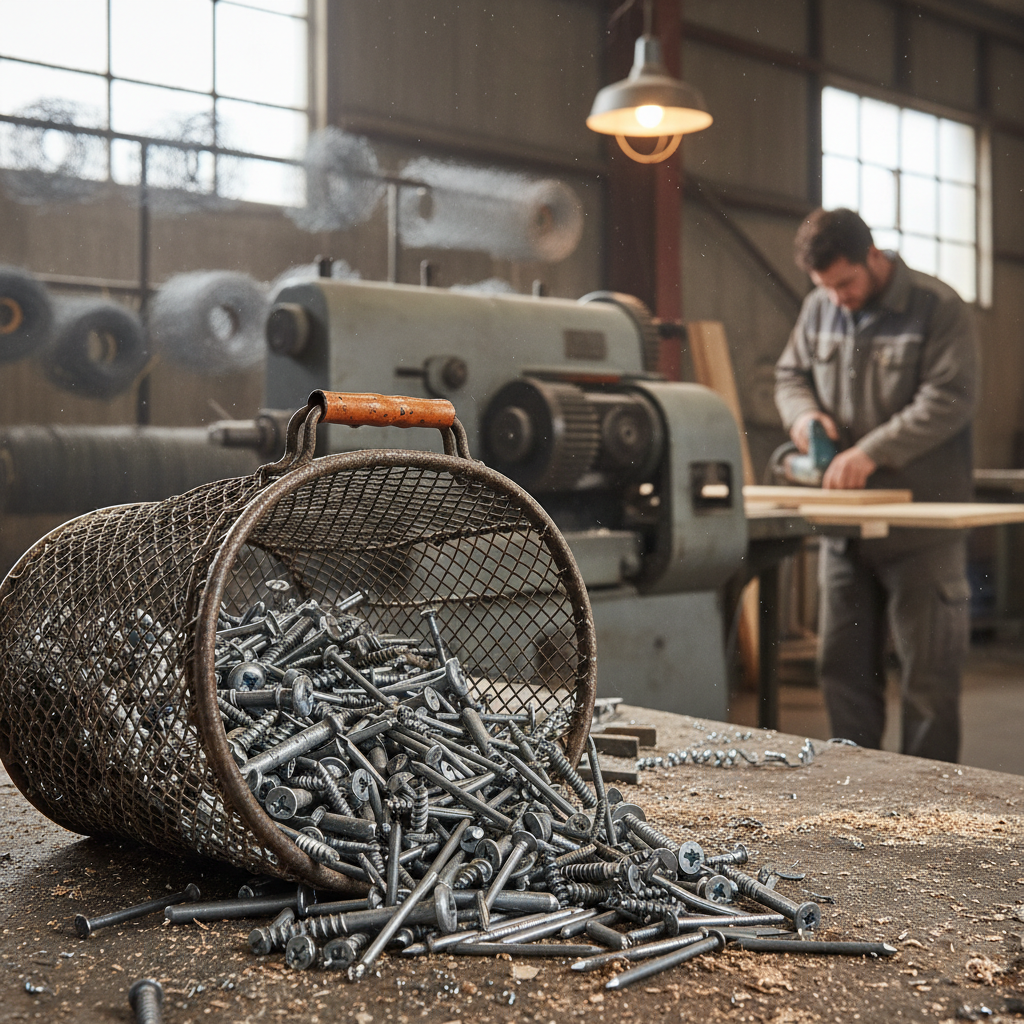
Screws vs. Nails: A Detailed Comparison
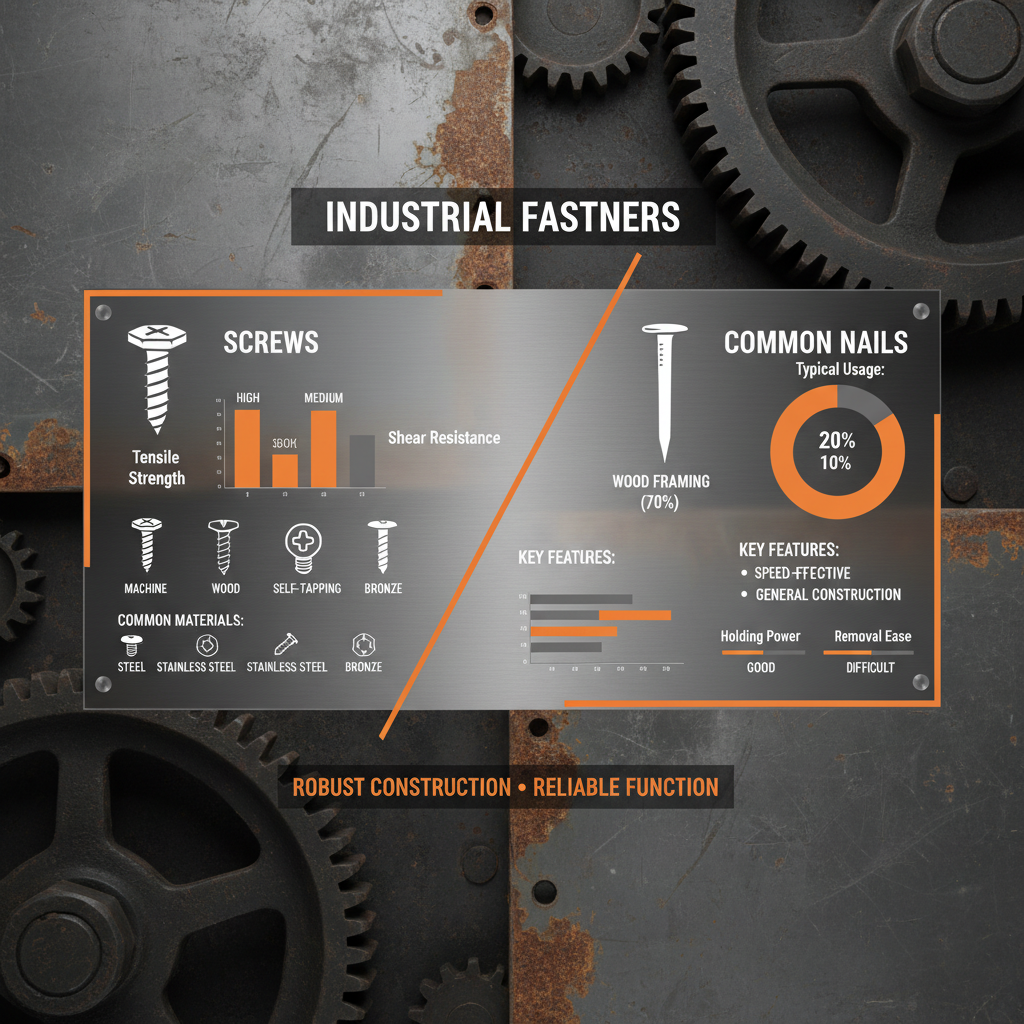
At their core, both screws and nails are designed to hold materials together. However, the way they achieve this differs considerably. Nails rely on friction to stay in place, while screws utilize threads to create a secure, twisting hold. This fundamental difference impacts their strength, holding power, and suitability for various projects. Screws generally offer superior holding power, particularly in applications subjected to shear stress or vibration. They also allow for easier disassembly, a benefit for projects requiring future maintenance or modification. Nails, on the other hand, are typically faster and simpler to install, making them ideal for large-scale projects where speed is a priority.
Key Highlights: Screws offer superior holding power and are easily disassembled, while nails are faster to install and often more cost-effective.
The Strength and Holding Power of Screws
The strength of a screw stems from its helical thread design. As the screw is driven into the material, the threads cut into the wood or metal, creating a strong, interlocking grip. This grip is far more resistant to pull-out than the friction-based hold of a nail. Different types of screw threads cater to specific applications – coarse threads are better suited for softwoods, while fine threads excel in hardwoods and metals. The material a screw is made from also impacts its strength; stainless steel screws offer excellent corrosion resistance, while hardened steel screws provide maximum strength and durability. You can find a wide variety of high-quality screws at Five Star Metals.
Screw Advantages:
• Superior holding power, especially under shear stress
• Easily disassembled and re-used
• Available in a variety of materials and thread types
• Offer a more secure and lasting connection
Common Nails: Speed and Simplicity in Fastening
Common nails, characterized by their smooth shank and flat head, are renowned for their speed and ease of installation. They are typically driven into materials using a hammer, requiring minimal skill or specialized tools. This makes them ideal for large-scale projects such as framing, roofing, and sheathing. However, their reliance on friction means they are more prone to loosening over time, particularly in applications subjected to movement or vibration. Different nail gauges (thicknesses) and lengths are available to suit varying material thicknesses and load requirements.
Applications: Choosing the Right Fastener for the Job
The choice between screws and nails depends heavily on the specific application. For structural framing, roofing, and sheathing, where speed and cost-effectiveness are paramount, common nails are often the preferred choice. However, for projects requiring a strong, lasting hold, such as furniture assembly, cabinetry, and decking, screws are the superior option. Screws are also ideal for applications where disassembly is anticipated, such as installing access panels or attaching components that may require future maintenance. Five Star Metals offers a comprehensive range of both screws and nails to meet diverse project requirements.
Conclusion: Selecting the Optimal Fastener
Understanding the nuances of screws and common nails empowers you to make informed decisions for your projects. While nails offer speed and economy, screws provide superior holding power, durability, and ease of disassembly. By carefully considering the specific requirements of your application, you can select the fastener that delivers the best performance and long-term reliability.
Frequently Asked Questions (FAQs)
What is the best type of screw for outdoor projects?
For outdoor projects, stainless steel screws are the best choice. They offer excellent corrosion resistance, preventing rust and ensuring a long-lasting hold in exposed environments. Other options include coated screws specifically designed for outdoor use, but stainless steel provides the most reliable protection. Consider screws with a weatherproof coating for added durability. Choosing the right material is critical to prevent premature failure and maintain structural integrity.
Are there different types of nails for specific wood types?
Yes, different types of nails are designed for different wood types. For example, ring shank nails provide increased holding power in hardwoods, while smooth shank nails are suitable for softwoods. Brad nails are used for delicate work, while box nails are commonly used for general carpentry. The gauge (thickness) of the nail should also be appropriate for the wood’s density – thicker nails for hardwoods and thinner nails for softwoods.
Can screws be used in place of nails in all applications?
While screws often offer superior performance, they aren't always a direct replacement for nails. The increased installation time and cost of screws can be prohibitive for large-scale projects where speed is crucial. Additionally, the pre-drilling required for screws in some materials can add to the complexity. For framing and sheathing, nails remain a practical and cost-effective solution. However, for projects where strength and durability are paramount, screws are generally the preferred choice.


-
Canton Fair 2026-4 in Guangzhou,China
NewsApr.24,2027
-
High Quality Common Nails 1212 for Construction Projects
NewsApr.16,2026
-
The 139th Canton Fair
NewsApr.14,2026
-
Guide to Using Galvanised Common Round Nails for Durable Construction
NewsApr.09,2026
-
Comprehensive Guide to Flat Head Common Nails for Construction Projects
NewsApr.07,2026
-
Understanding the Versatility of the Common Nail 5 5 for Various Applications
NewsApr.04,2026