HG Embossed Common Nails A Comprehensive Guide for Global Trade and Applications
Understanding HG Embossed Common Nails for Global Trade
When sourcing fasteners for construction, woodworking, or industrial applications, the quality and reliability of the nail are paramount. HG embossed common nails are a globally recognized standard, known for their strength, durability, and consistent performance. This article will explore the features, applications, and sourcing considerations for these nails, providing a comprehensive guide for importers, distributors, and end-users. Choosing the right nails directly impacts project quality and cost-effectiveness, making informed decision-making crucial.
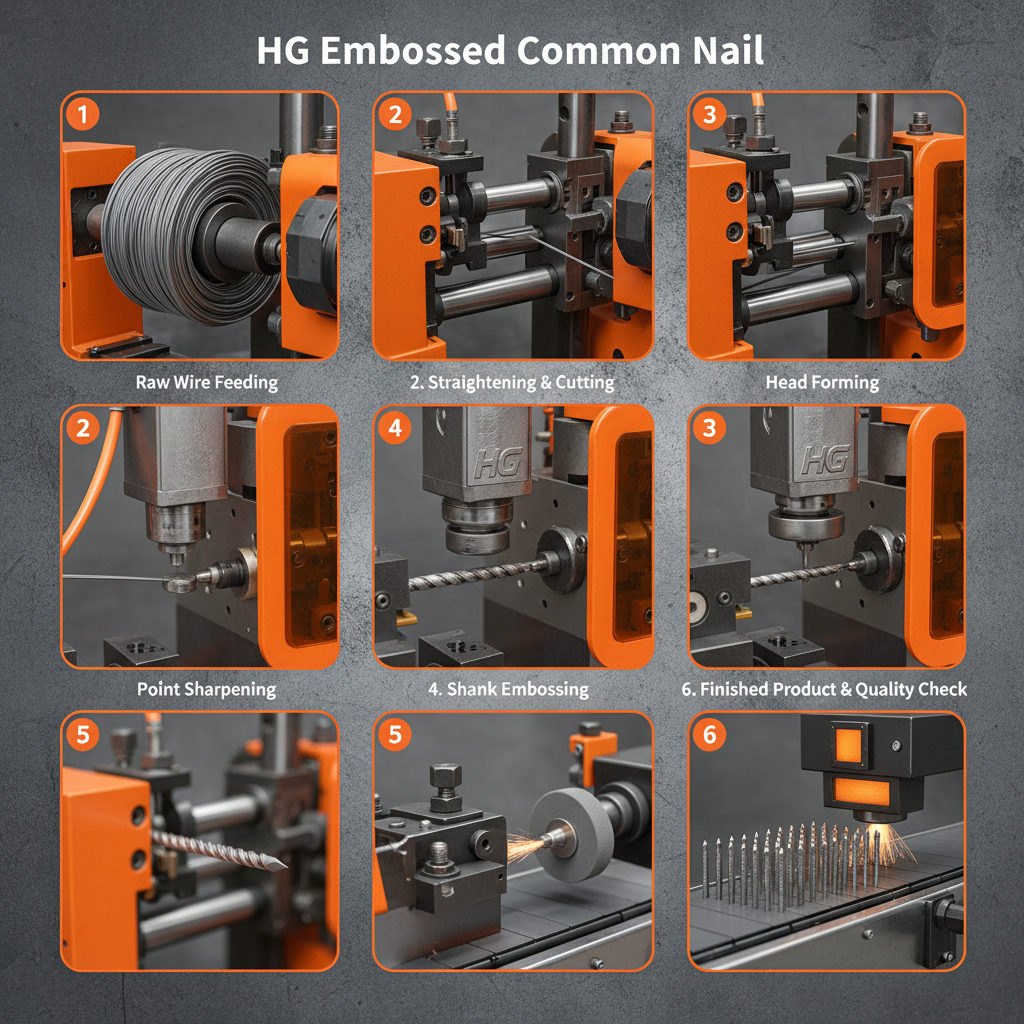
What Makes HG Embossed Common Nails Stand Out?
HG embossed common nails differentiate themselves through a rigorous manufacturing process and quality control. The "HG" embossing signifies adherence to stringent industry standards, guaranteeing consistent dimensions, material composition, and holding power. These nails are typically made from high-carbon steel, heat-treated for increased strength and resistance to bending or breaking. The common nail design – a cylindrical shank with a flat, slightly tapered head – offers versatile applicability across numerous projects. Furthermore, the embossed marking provides traceability and assures buyers of authentic quality.
Key Highlights: Rigorous quality control, high-carbon steel construction, heat-treated for strength, versatile common nail design, and traceable embossing.
Applications of HG Embossed Common Nails
HG embossed common nails find widespread use in a variety of construction and woodworking applications. Common applications include framing, sheathing, roofing, fencing, pallet construction, and general repair work. They’re suitable for both softwood and hardwood, providing a secure and lasting hold. Their robust construction makes them ideal for projects where structural integrity is critical. Because of their versatility and reliability, they remain a staple fastener in both professional and DIY settings. For specific project needs, selecting the correct nail size and gauge is essential.
Common Applications:
• Framing & Sheathing
• Roofing
• Fencing
• Pallet Construction
• General Repair Work
HG Embossed Common Nails: A Detailed Specification
Understanding the specifications of HG embossed common nails is crucial for ensuring they meet your project requirements. Key specifications include gauge (diameter), length, and shank type. These nails are typically available in a range of sizes to accommodate different material thicknesses and application needs. Here’s a typical specification table:
Sourcing HG Embossed Common Nails: Key Considerations for Importers
When sourcing HG embossed common nails for international trade, several factors are critical. First, verify the supplier’s adherence to quality standards and their ability to consistently deliver products meeting your specifications. Ensure they can provide certifications of compliance. Second, consider the supplier’s production capacity and lead times to meet your demand. Third, carefully evaluate pricing, including shipping costs and potential import duties. Finally, establish clear communication channels and quality control procedures to minimize potential issues and ensure a smooth import process. Working with a reputable supplier like Five Star Metals can streamline this process and guarantee consistent quality.
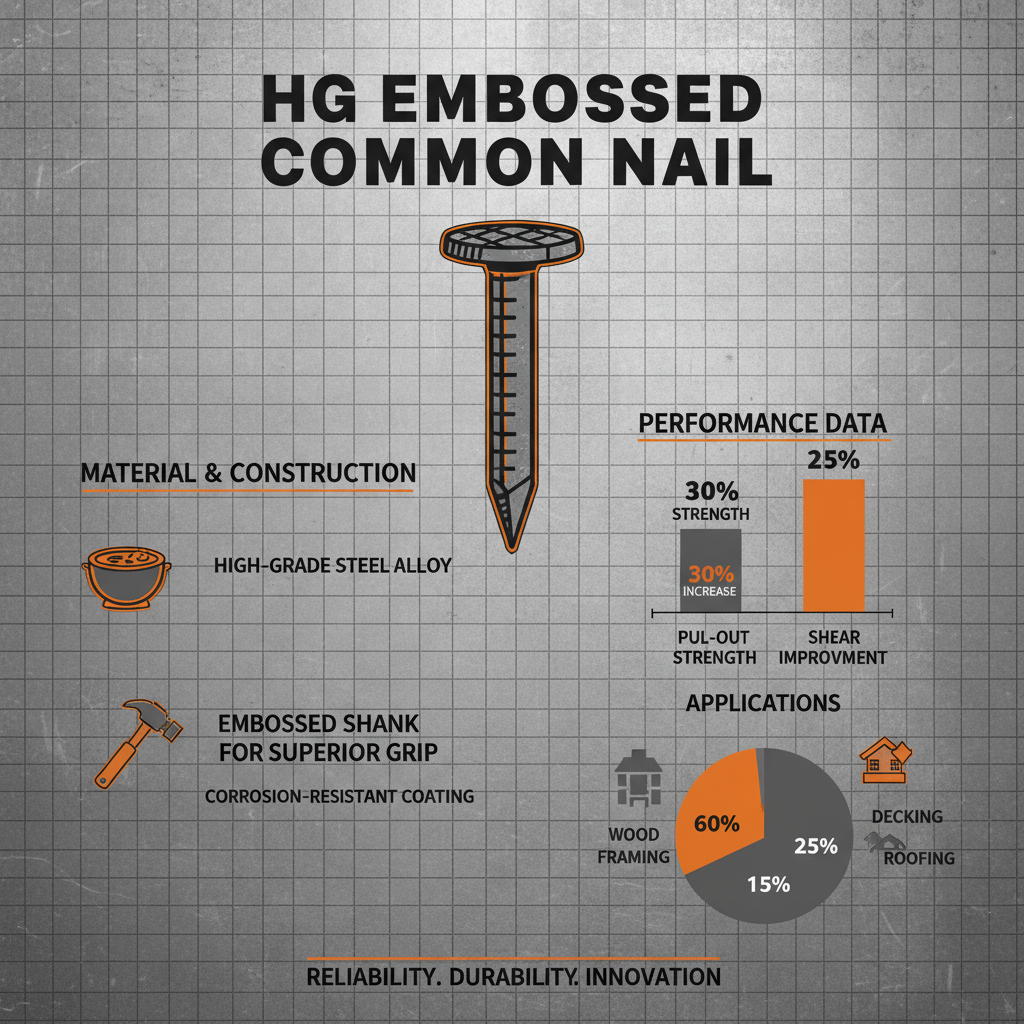
Conclusion: A Reliable Fastener for Global Projects
Choosing Quality for Success
HG embossed common nails represent a reliable and cost-effective fastening solution for a wide range of applications. Their consistent quality, strength, and versatility make them a preferred choice among professionals worldwide. When sourcing these nails, prioritizing supplier reliability, quality control, and adherence to industry standards is essential. Partnering with a trusted supplier like Five Star Metals ensures you receive high-quality nails that meet your project needs and contribute to overall success.
Frequently Asked Questions (FAQs)
What is the typical tensile strength of an HG embossed common nail?
The tensile strength of an HG embossed common nail varies depending on the gauge and material composition, but generally falls between 90,000 to 120,000 PSI. This indicates the amount of force the nail can withstand before breaking. High-carbon steel nails, typically used for HG embossing, provide superior tensile strength compared to lower-grade materials. It’s important to verify the specific tensile strength data with the supplier to ensure it meets the requirements of your application. Correct installation techniques also contribute to maximizing the nail's holding power and preventing premature failure.
What is the difference between a common nail and a box nail?
While both common nails and box nails are widely used, they differ in their head shape and intended applications. Common nails have a flat, slightly tapered head, making them suitable for general construction and framing. Box nails, on the other hand, have a thinner, more pointed head designed to minimize splitting of wood when nailing close to the edge or end grain. Box nails are ideal for applications such as attaching trim, molding, and siding. While both can be HG embossed, their head design dictates their best use case.
How should HG embossed common nails be stored to prevent corrosion?
To prevent corrosion, HG embossed common nails should be stored in a dry, well-ventilated area, protected from moisture and direct sunlight. Avoid storing them in areas prone to humidity or temperature fluctuations. Consider using a sealed container or covering the nails with a protective tarp. For long-term storage, applying a light coating of oil can provide an additional layer of protection against rust. Proper storage significantly extends the lifespan and usability of the nails.
Are HG embossed common nails suitable for use with treated lumber?
Yes, HG embossed common nails can be used with treated lumber, but it’s crucial to select nails specifically designed for this purpose. Treated lumber contains chemicals to protect against rot and insect damage, which can corrode standard nails. Look for nails with a coating such as zinc or hot-dip galvanization to resist corrosion. Using the correct type of nail ensures a secure and long-lasting connection without compromising the integrity of the treated lumber or the nail itself.


-
Canton Fair 2026-4 in Guangzhou,China
NewsApr.24,2027
-
High Quality Common Nails 1212 for Construction Projects
NewsApr.16,2026
-
The 139th Canton Fair
NewsApr.14,2026
-
Guide to Using Galvanised Common Round Nails for Durable Construction
NewsApr.09,2026
-
Comprehensive Guide to Flat Head Common Nails for Construction Projects
NewsApr.07,2026
-
Understanding the Versatility of the Common Nail 5 5 for Various Applications
NewsApr.04,2026