You know, I've been running around construction sites all year, dealing with materials, and talking to engineers. Honestly, it’s amazing how quickly things change in this industry. One minute everyone's raving about one thing, the next… well, they’ve moved on. It’s a constant hustle to keep up. Lately, it’s all about lightweight, high-strength materials and, of course, corrosion resistance. Galvanized steel wire keeps popping up in more and more applications. It’s not exactly sexy, but it gets the job done.
The demand for better, longer-lasting stuff is through the roof. People are tired of things rusting out after a year or two. It adds up, you know? Not just the cost of replacement, but the downtime, the labor… the headache. Galvanized steel wire, when done right, addresses a lot of that. But… there’s always a but.
And it's not just about the material itself, it's about how it's made. I swear, I see so many companies cutting corners, using low-quality zinc coatings, and then wondering why their wire fails prematurely. It’s frustrating. Really frustrating.
The Current Landscape of Galvanized Steel Wire
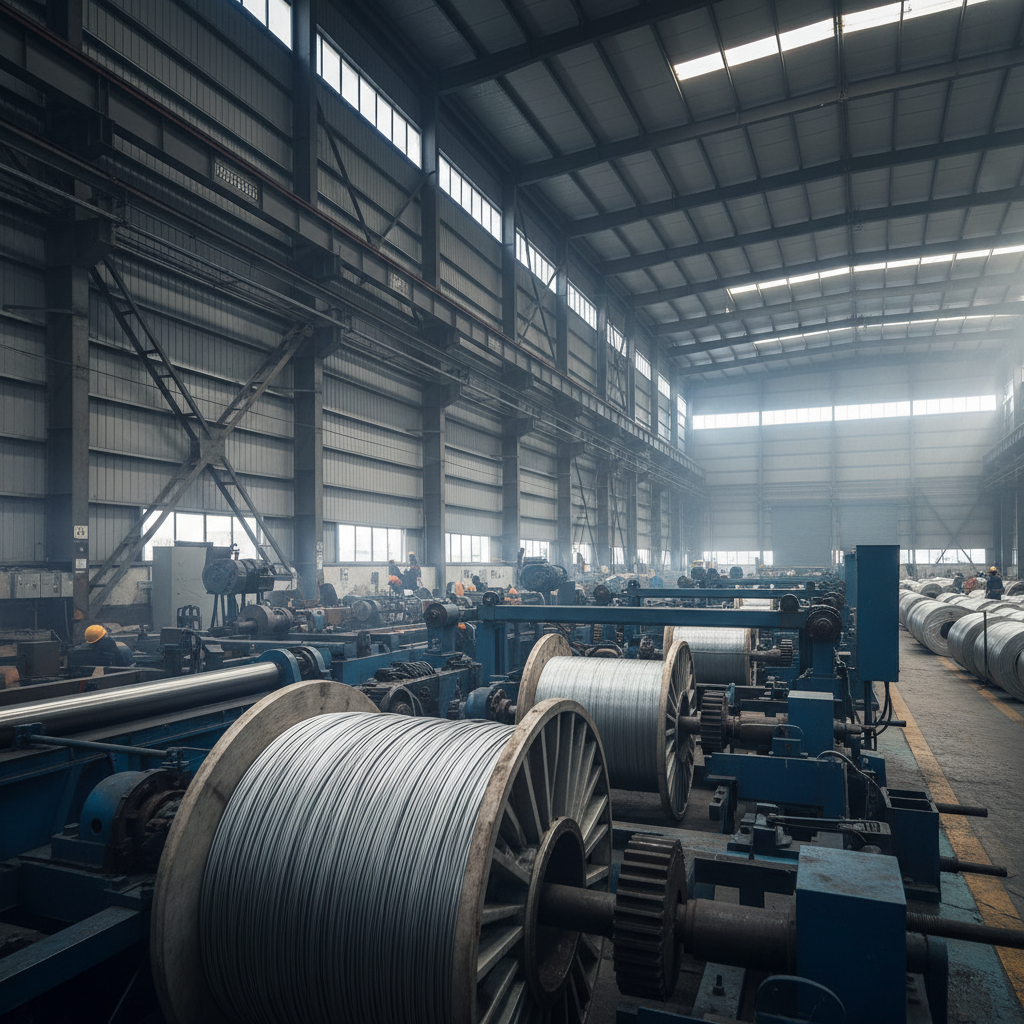
Have you noticed how everything’s going modular these days? Prefabricated buildings, container homes, even temporary structures for events… it’s everywhere. And what holds a lot of that stuff together? You guessed it: galvanized steel wire. It's not glamorous, but it's essential. The global demand is huge, especially in developing nations where infrastructure is being built up rapidly. I saw some stats from the UN last year about the increase in demand for corrosion-resistant materials in coastal regions – pretty substantial.
The push for sustainability is also playing a role. Galvanized steel wire, when properly recycled, is a relatively environmentally friendly material. It's not perfect, of course, but it's better than a lot of the alternatives. Anyway, I think the biggest growth area is in security fencing. Everyone wants to keep things in and things out.
Design Pitfalls and Common Mistakes
To be honest, the biggest issue I see is underestimation of the load. Engineers will design something on paper, but they don’t always account for real-world conditions – wind, snow, vibration, people leaning on things. I encountered this at a factory in Jiangsu Province last time. They were making these pre-fab sheds and completely skimped on the wire gauge. The whole thing collapsed during a minor typhoon. A complete disaster.
Another common mistake is improper connection methods. Using the wrong type of clamp or connector can dramatically reduce the strength of the wire. It’s crucial to use components that are specifically designed for galvanized steel wire and are compatible with the wire gauge. Strangely enough, people often overlook this simple detail.
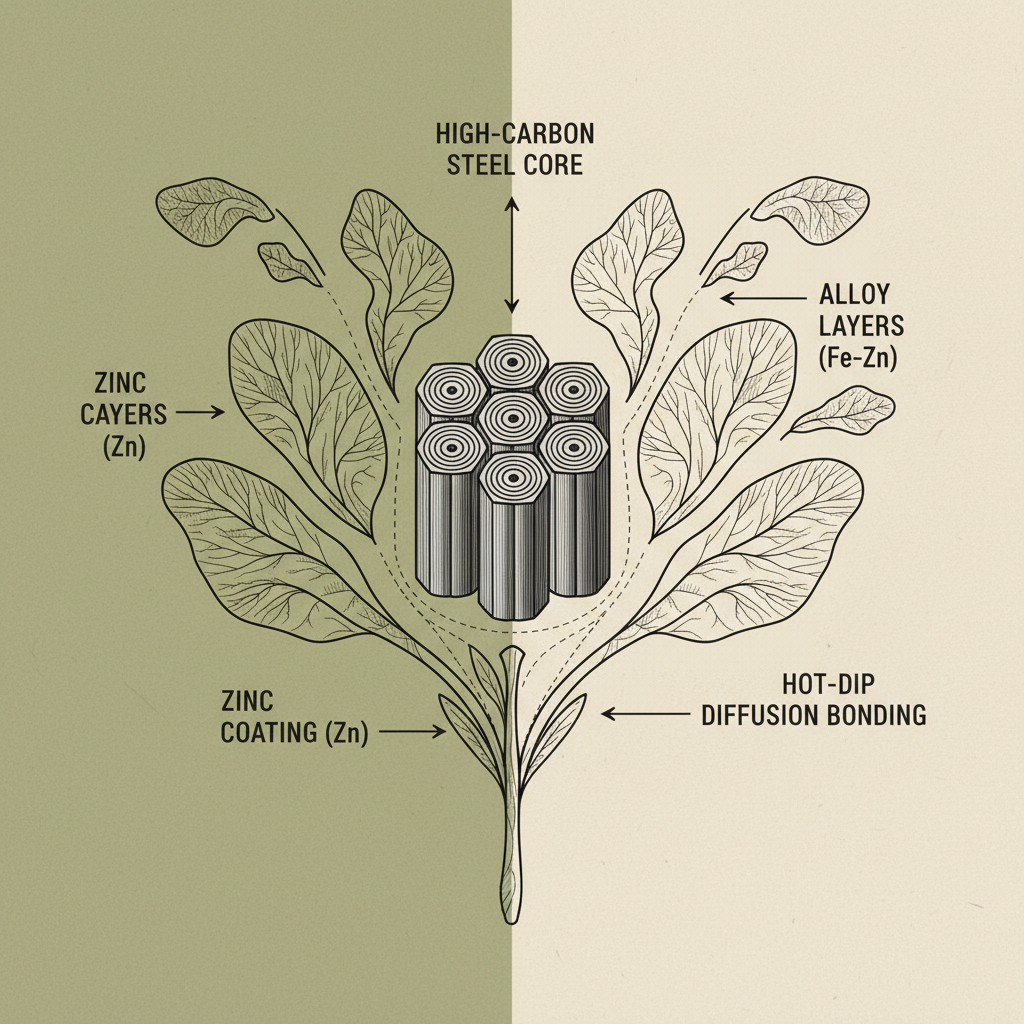
And don’t even get me started on improper surface preparation before galvanizing. If the steel isn’t properly cleaned, the zinc coating won’t adhere properly, and you’ll end up with corrosion issues down the line. It sounds basic, but it’s a mistake I see all the time.
Materials and Handling: A Hands-On Perspective
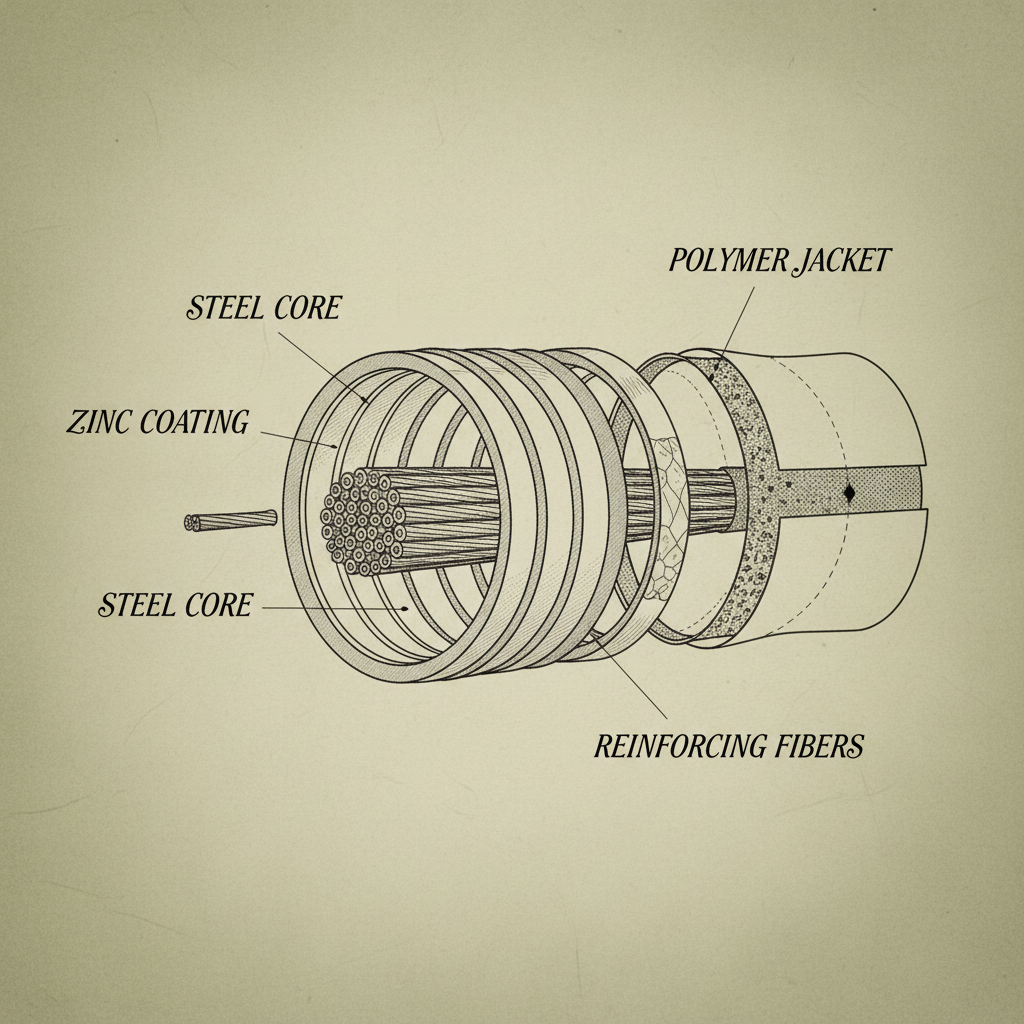
The feel of the wire is important. Good quality galvanized steel wire should have a consistent, even coating. It shouldn't be flaky or rough. You can actually smell it too… a slight metallic tang. Cheap stuff smells… off. It’s hard to describe. I’ve been doing this long enough, I just know when something isn’t right.
Handling it is also key. You want to wear gloves, obviously, to protect your hands from the zinc. And you want to store it properly – in a dry place, away from direct sunlight. Moisture is the enemy. The best stuff I've used is from a supplier in Hebei, they wrap it tightly in plastic and then put it on pallets. Keeps it clean and dry.
There are different types of galvanizing, you know – hot-dip galvanizing, electrogalvanizing, and so on. Hot-dip is generally the most durable, but it can be a little rougher in appearance. Electrogalvanizing is smoother, but it’s not quite as corrosion-resistant. It all depends on the application.
Real-World Testing and Performance
Forget the lab tests. Those are fine for getting baseline numbers, but they don’t tell you what happens when the wire is exposed to real-world conditions. I prefer to see it installed and left out in the elements for a year or two. That’s when you really find out how it holds up.
We’ve done some brutal tests ourselves. We've bent it, twisted it, stretched it, submerged it in saltwater, exposed it to extreme temperatures... you name it. The goal is to push it to its limits and see where it fails. That's how you figure out what it can really handle.
Galvanized Steel Wire Performance Metrics
How Users Actually Utilize Galvanized Steel Wire
You think they’re using it for what it’s designed for? Not always. I’ve seen people use it as makeshift fencing, to tie things together, even to reinforce concrete. They get creative, you know? I saw a farmer use it to repair his tractor last month.
But honestly, the most common use is still in agriculture – fencing, supporting vines, securing netting. It's workhorse stuff. And it needs to be durable because farmers aren’t going to waste time constantly repairing things. They’ve got crops to tend.
The Upsides, the Downsides, and Everything In Between
The biggest advantage, obviously, is corrosion resistance. It lasts a long time, especially in harsh environments. And it’s relatively inexpensive. You can’t beat that. But it’s not perfect. It can be brittle, especially in cold temperatures. And the zinc coating can be damaged if it’s scratched or abraded.
Another downside is that it’s not as strong as stainless steel. If you need something that can handle a really heavy load, stainless is the way to go. But for most applications, galvanized steel wire is more than sufficient.
Later... Forget it, I won't mention it. There's a whole debate about the environmental impact of zinc mining, but that's a whole other can of worms.
Customization and Practical Examples
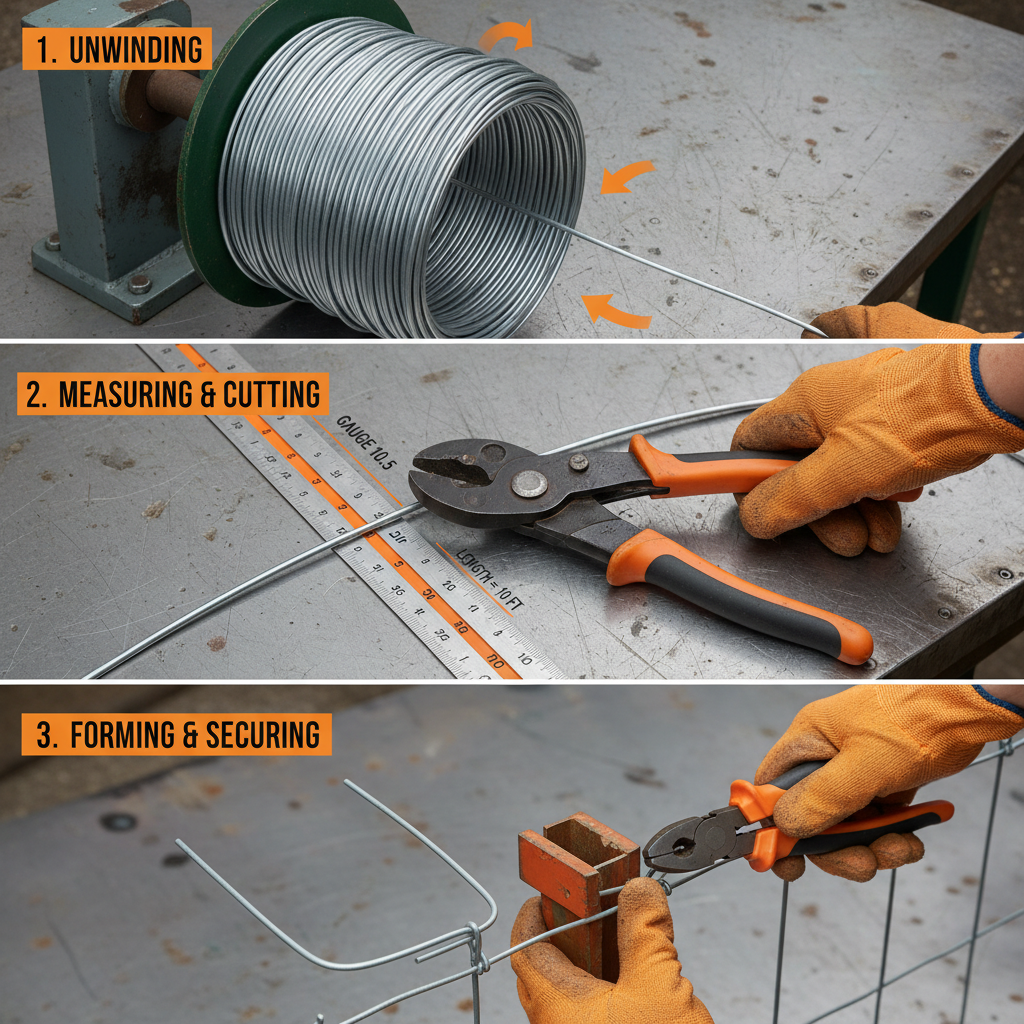
You can get galvanized steel wire in all sorts of gauges, coatings, and finishes. The most common request I get is for custom lengths. People don’t want to be cutting and splicing wire all day. Last month, that small boss in Shenzhen who makes smart home devices insisted on changing the interface to , and the result was a massive delay because they hadn’t accounted for the different wire gauges. A complete mess.
We’ve also done projects where we’ve applied additional coatings to the wire to increase its corrosion resistance or to give it a specific color. It’s not always cheap, but it can be worth it for certain applications.
I once worked with a company building solar panel frames, and they wanted wire with a special UV-resistant coating to prevent degradation from the sun. It was a challenge, but we found a solution.
Galvanized Steel Wire Application Analysis
| Application Area |
Corrosion Resistance (1-10) |
Cost Effectiveness (1-10) |
Ease of Installation (1-10) |
| Agricultural Fencing |
8 |
9 |
7 |
| Security Fencing |
7 |
7 |
8 |
| Cable Support |
6 |
8 |
9 |
| Art Installations |
5 |
6 |
6 |
| Prefabricated Structures |
9 |
8 |
7 |
| Vineyard Trellises |
7 |
9 |
8 |
FAQS
Hot-dip galvanizing involves immersing the steel in molten zinc, creating a thicker, more durable coating. Electrogalvanizing uses an electric current to deposit a thinner layer of zinc. Hot-dip is generally more corrosion-resistant, but electrogalvanizing offers a smoother finish. Both have their uses, it depends on the environment and desired longevity.
White rust, or zinc carbonate, forms when galvanized steel is exposed to moisture and carbon dioxide. To prevent it, store the wire in a dry, well-ventilated area. Avoid stacking it directly on the ground and consider using a desiccant to absorb moisture. Proper handling and storage are key.
For a chicken coop, a 16-gauge or 14-gauge galvanized steel wire is generally recommended. This provides a good balance of strength and affordability. Heavier gauges are better for larger birds or areas with high predator pressure. It’s better to overbuild than to have a fox getting into your coop.
Welding galvanized steel wire can release hazardous fumes, so proper ventilation and safety precautions are essential. The zinc coating will also vaporize during welding, potentially affecting the weld quality. It’s usually better to use mechanical fasteners or pre-galvanized wire mesh whenever possible.
The lifespan of galvanized steel wire outdoors varies depending on the environment. In a relatively mild climate, it can last for decades. In coastal areas or industrial environments with high salt or acid levels, the lifespan may be shorter. Regular inspection and maintenance can help extend its life.
The primary environmental concern is the mining of zinc and the potential for runoff from galvanizing plants. However, galvanized steel is recyclable, and the zinc coating can be recovered and reused. Responsible manufacturing practices and recycling programs can minimize the environmental impact.
Conclusion
Ultimately, galvanized steel wire isn’t flashy, it doesn’t get a lot of attention, but it’s the unsung hero of a lot of projects. It's durable, affordable, and versatile. It might not be the perfect solution for every application, but it gets the job done more often than not. We’ve talked about the design pitfalls, the material nuances, and the real-world testing. It all boils down to getting the details right.
Look, I’ve been in this business for a long time, and I've learned one thing: whether this thing works or not, the worker will know the moment he tightens the screw. If it feels solid, if it holds, then it's good. If it bends, if it breaks, if it just feels wrong, then it's not. Don't overthink it, just use quality materials and pay attention to the details.