Comprehensive Guide to Chicken Netting Fence: Uses, Benefits & Trends
Why Chicken Netting Fence Matters Globally: A Quick Overview
Chicken netting fence might sound like a fairly humble product, but its impact is surprisingly global and multifaceted. From rural farms safeguarding poultry to humanitarian agencies securing perimeters in relief zones, understanding this simple yet incredibly versatile fencing solution is more important than ever. It’s all about combining affordability, durability, and effectiveness to solve everyday problems that ripple through communities and industries worldwide.
In essence, chicken netting fence is a lightweight barrier designed primarily to protect and contain, yet it has become a quiet hero in sectors ranging from agriculture to disaster response. Unlocking its potential means safer animals, more secure environments, and cost-effective fencing that’s easy to deploy and maintain.
Mini takeaway: Chicken netting fence is more than just wire—it’s about protection, efficiency, and scaling solutions where they’re most needed.
Introduction: The Worldwide Relevance of Chicken Netting Fence
Chances are, you’ve seen fences made with hexagonal mesh—commonly called chicken netting—around farms, gardens, or construction sites. Internationally, chicken netting fence is a staple fencing type, thanks in large part to its low cost and ease of installation. According to ISO standards, fencing materials manufactured from galvanized steel wire, like chicken netting, offer resistance to corrosion and extend lifespan drastically, which makes them globally competitive.
From a humanitarian perspective, the United Nations reports that securing perimeters and livestock is essential in displaced persons camps worldwide—a function chicken netting fence readily fulfills, providing affordable, quickly installed borders.
Industries continually face challenges like rising material costs, logistical delays, and the need for sustainable yet practical fencing solutions. Chicken netting fences are proving to be a reliable workaround, especially in developing regions where budgets are tight and supply chains inconsistent.
Mini takeaway: Its global use cuts across agriculture, humanitarian aid, and industrial needs—an actual backbone for affordable fencing.
Defining Chicken Netting Fence: What Exactly Is It?
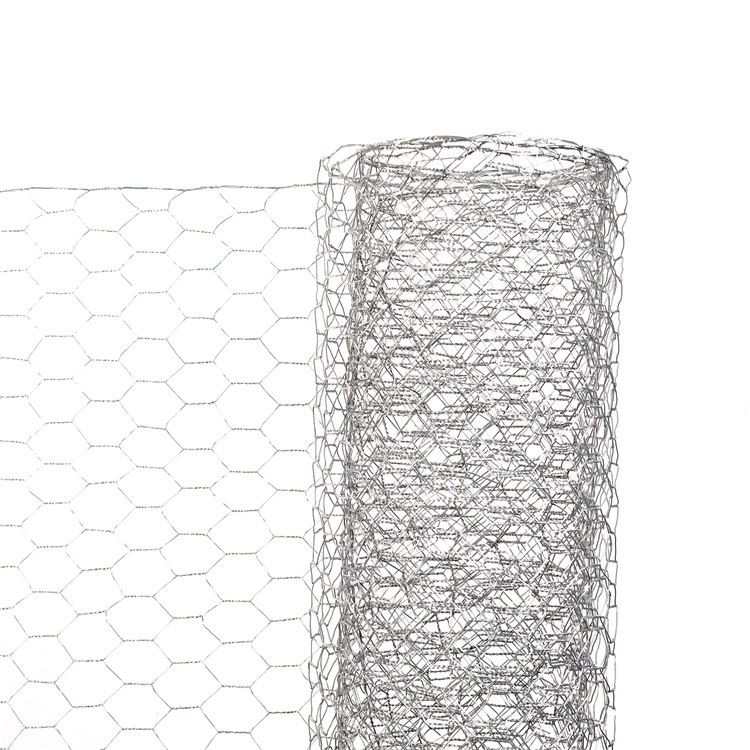
Simply put, a chicken netting fence is a fence constructed from a mesh of thin, hexagonal wire netting, usually galvanized steel, designed to keep poultry or small animals contained while preventing predators or pests from getting in. The “netting” forms a flexible, yet sturdy screen that’s breathable, lightweight, and can be easily shaped or stretched.
The purpose has grown beyond chicken coops. It plays into modern industry practices, aiding in erosion control, garden protection, and even lightweight construction applications. In humanitarian contexts, it serves as a rapid deployment solution to secure spaces or livestock in regions battling food insecurity.
Mini takeaway: It’s an everyday fencing material with surprisingly broad modern uses, rooted in simple design but packed with utility.
Core Components and Key Factors of Chicken Netting Fence
1. Durability
Most contemporary chicken netting fences are galvanized to resist rust and corrosion, a critical quality when exposed to outdoor elements over long periods. Durability directly correlates with the wire gauge used; thinner wires are lighter but less robust, while thicker gauges offer security at a higher price and weight.
2. Flexibility and Scalability
The hexagonal pattern provides flexibility, meaning chicken netting fence can be molded around uneven terrain or curved structures without breaking. For farmers expanding grazing areas or agencies setting up quick perimeter controls, this adaptability is a game changer.
3. Cost Efficiency
Compared to solid wire or wooden fences, chicken netting fences drastically reduce material and labor costs. Given its light weight, transportation is cheaper and easier, which matters a lot in remote or rugged areas.
4. Ease of Installation
Chicken netting fences can be rolled out and attached quickly by one or two people with minimal tools. There’s also a variety of fastening options—like staples, clips, or ties—making setup customizable to the job at hand.
5. Environmental Impact
The galvanized steel used is recyclable, and extended lifespans mean fewer replacements and less waste. Newer production techniques are also emphasizing eco-coatings to reduce heavy metal usage.
Mini takeaway: Durability, flexibility, and affordability converge to make chicken netting fence a practical fencing staple worldwide.
Global Applications & Use Cases: How Chicken Netting Fence Makes a Difference
- Agriculture: Protecting poultry and small livestock from predators in North America, Europe, and Africa.
- Humanitarian Aid: Used by NGOs to secure temporary shelters and animal stock in refugee camps, particularly in the Middle East and Africa.
- Construction & Landscaping: Protecting sensitive areas or preventing debris spread on sites worldwide.
- Environmental Projects: In Asia and South America, chicken netting is utilized for erosion control on steep slopes.
- Gardening & Horticulture: From urban gardens in Europe to backyard farms in Australia, it's essential for fencing off pests.
For example, in post-disaster relief operations after cyclones, chicken netting fences are rapidly deployed to protect livestock from wandering or theft. Similarly, remote industrial zones in Australia rely on it to mark boundaries without heavy infrastructure.
Mini takeaway: From disaster zones to backyards, chicken netting fence adapts to diverse needs, serving regions and industries with one simple tool.
Advantages & Long-Term Value: Why It’s More Than Just a Fence
On paper, chicken netting fence is cost-effective and quick to install, but the benefits go deeper. It offers safety—both for animals and people—preserving livelihoods and providing peace of mind. There’s dignity in knowing your hens or crops are guarded without extravagant expense.
Socially, securing livestock can empower communities by protecting key food resources. Environmentally, the netting’s minimal footprint and recyclability encourage sustainability. Logically, long-term reliability means fewer repairs, making it a trustworthy partner.
Many engineers say it’s “the unsung hero” of fencing, valued for blending trust with innovation in an unassuming package.
Product Specification Table
| Specification | Details |
|---|---|
| Material | Galvanized steel wire |
| Mesh Shape | Hexagonal |
| Wire Gauge | 16 - 22 gauge (varies by use) |
| Roll Length | 10 to 100 meters |
| Roll Height | 0.5 to 2 meters |
| Finish | Hot-dip galvanized or PVC coating |
Vendor Comparison Table
| Vendor | Price per Roll | Material Quality | Customization | Delivery Speed |
|---|---|---|---|---|
| Five Star Metals | $$$ | High (ISO certified) | Custom sizes & coatings | Fast (7–10 days) |
| Agri Supplies | $$ | Medium | Standard sizes only | Moderate (2 weeks) |
| Global Wire Mesh | $$$$ | Premium | Extensive customization | Slow (3-4 weeks) |
Looking Ahead: Trends and Innovations in Chicken Netting Fence
Innovation in this field is quietly fascinating. New coatings that reduce zinc runoff and increase environmental friendliness are appearing, meeting tougher ISO environmental standards. Additionally, embedded sensors for remote condition monitoring, although still niche, hint at a future where even the simplest fences inform owners on wear, damage, or breaches.
Materials science is also pushing boundaries, introducing lightweight composite nettings that maintain strength but reduce metal usage. On the policy front, subsidies for sustainable agricultural fencing in Europe are driving adoption of high-quality chicken netting fences with eco-coatings.
Mini takeaway: The intersection of new materials and digital monitoring could change how fences do their job—invisible but smarter.
Challenges & Their Solutions
Of course, chicken netting fences aren’t perfect. They’re vulnerable to large predators if improperly installed and can be damaged by heavy machinery or harsh environments. Some regions struggle with supply inconsistencies or subpar quality products.
Experts recommend reinforcing key points with tension wires or wooden posts to enhance predator resistance. Using high-gauge wire versions also helps. For areas with rough handling, combining chicken netting fence with electric fencing might be the answer, blending affordability and security.
Moreover, working closely with trusted manufacturers like Five Star Metals ensures you get materials that conform to quality and durability standards, avoiding pitfalls common in cheaper imports.
Mini takeaway: Recognizing limitations upfront lets you plan smarter solutions and get the most out of chicken netting fences.
FAQ: Frequently Asked Questions about Chicken Netting Fence
- Q1: How long does a chicken netting fence typically last outdoors?
- A: With proper galvanized or PVC coating, chicken netting fences usually last 5-10 years under normal conditions. Harsh climates may shorten lifespan, but maintenance and quality materials greatly extend it.
- Q2: Can chicken netting fence be used for large livestock?
- A: Generally, no. Chicken netting is intended for poultry and small animals. Larger livestock require heavier gauge wire or mesh with smaller openings to prevent injury or escape.
- Q3: Is the installation of chicken netting fence DIY-friendly?
- A: Absolutely. Its flexibility and light weight make it manageable for most people. Minimal tools are needed, though posts and fastening materials must be sourced appropriately.
- Q4: What maintenance does a chicken netting fence require?
- A: Occasional inspections for rust, tears, or loose fastening are recommended. Prompt repairs prevent small issues turning into costly problems.
- Q5: How sustainable is chicken netting fence compared to plastic alternatives?
- A: Steel wire netting is more durable and recyclable compared to many plastic fencing products, making it a preferred choice for eco-conscious users.
Conclusion: The Last Word on Chicken Netting Fence
Chicken netting fence is the quiet workhorse behind countless successful agricultural operations, humanitarian projects, and environmental efforts globally. Its blend of affordability, adaptability, and durability offers a long-term fencing solution that’s truly in a league of its own.
For anyone considering a secure yet cost-effective fencing option, chicken netting fence is worth a serious look.
Curious to explore the best options or customize your order? Visit our website and find how chicken netting fence can meet your specific needs.
References:
1. ISO - International Organization for Standardization
2. United Nations Relief Efforts
3. Wikipedia - Wire Mesh


-
Canton Fair 2026-4 in Guangzhou,China
NewsApr.24,2027
-
High Quality Common Nails 1212 for Construction Projects
NewsApr.16,2026
-
The 139th Canton Fair
NewsApr.14,2026
-
Guide to Using Galvanised Common Round Nails for Durable Construction
NewsApr.09,2026
-
Comprehensive Guide to Flat Head Common Nails for Construction Projects
NewsApr.07,2026
-
Understanding the Versatility of the Common Nail 5 5 for Various Applications
NewsApr.04,2026