Comprehensive Guide to Chicken Mesh Wire Hexagonal Wire Netting – Uses, Benefits & Vendors
Understanding Chicken Mesh Wire Hexagonal Wire Netting: Why It Matters Worldwide
If you’ve ever peered into a chicken coop or walked past a farmyard, chances are you’ve seen hexagonal wire netting in action—commonly called chicken mesh wire hexagonal wire netting. But beyond the familiar clucks and pecks, this simple yet versatile material holds significance that stretches far beyond farm fences. In a world where cost efficiency, durability, and sustainability are vital, understanding the nuances of this wire mesh can unlock doors for industries ranging from agriculture to humanitarian aid.
Globally, the demand for affordable, strong, and adaptable containment solutions has soared. According to the Food and Agriculture Organization (FAO), poultry farming has grown steadily, especially in developing regions, necessitating reliable fencing options. At the same time, agencies like the United Nations cluster system rely on quick-deploy materials to build safe zones in crisis areas. So, grasping the benefits and characteristics of chicken mesh wire hexagonal wire netting isn’t just about farming—it’s about sustainable solutions in a complex world.
Setting the Stage: The Global Relevance of Hexagonal Wire Netting
Worldwide, the poultry sector alone accounts for a massive share of animal protein sources, with billions of chickens reared annually. This scale requires proven materials for containment and protection, and chicken mesh wire hexagonal wire netting delivers — economically and effectively.
But here’s a curious fact: the same mesh that secures a coop in rural India or Brazil also finds its way into industrial sectors, construction sites, and even ecological conservation efforts in Europe and Africa. It’s versatile and time-tested. However, challenges like corrosion in humid regions or improper installation still pop up, sometimes undermining the mesh’s potential.
Addressing these issues requires both technical know-how and awareness of the material’s evolving applications. Luckily, developments in coating technologies and mesh design are keeping chicken mesh firmly relevant, even as industries shift and climate factors intensify.
Mini Takeaway:
Chicken mesh wire hexagonal wire netting isn’t just a farm staple—it’s a global player in sustainable containment, bridging agriculture, industry, and humanitarian aid with practical, affordable solutions.
What Is Chicken Mesh Wire Hexagonal Wire Netting, Really?
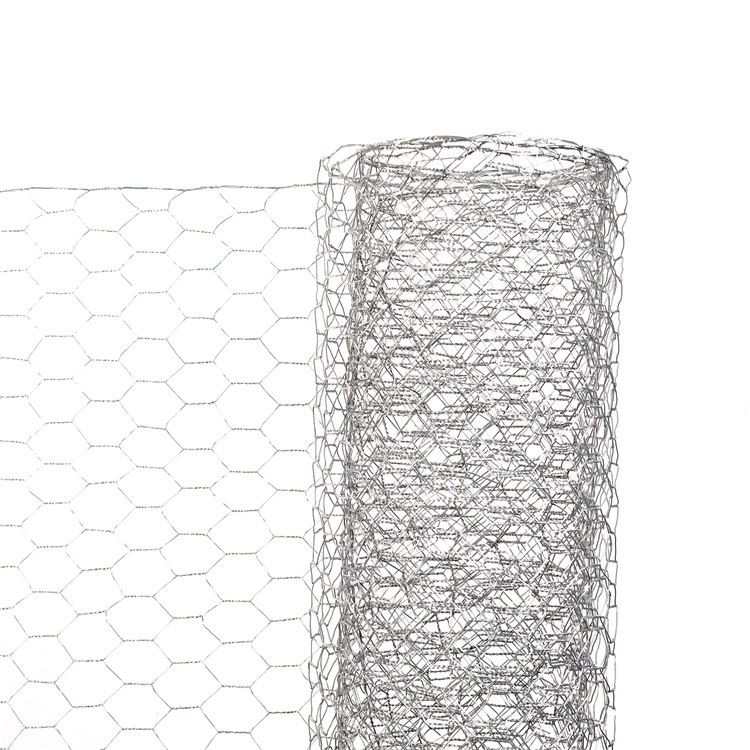
At its core, chicken mesh wire hexagonal wire netting is made of thin, galvanized steel wires twisted into a series of interconnected hexagons. This pattern provides flexibility, strength, and resilience without a heavy weight. Originally designed to keep chickens safe from predators, its uses have multiplied over decades.
Think of it as a “structural spider web” that balances durability with air and light permeability. In more modern contexts, this netting doesn’t just fence animals—it supports erosion control, helps reinforce plaster in construction, and acts as a safeguard in gardens and greenhouses.
Mini Takeaway:
A deceptively simple hexagonal pattern creates a mesh that’s lightweight, durable, and versatile, making it essential across many practical applications.
Key Factors That Shape Its Value
Durability & Corrosion Resistance
Many engineers note that galvanized coatings (usually zinc or PVC) protect the wire against rust—a must if your mesh lives outdoors or in humid climates. This resistance can stretch lifespan from mere months to well beyond 10 years.
Mesh Size & Flexibility
Hexagonal apertures vary, commonly between 12 mm to 50 mm, which controls what passes through the fence. Smaller mesh is great for tiny chicks or pest control, while larger mesh sizes offer less resistance when fencing bigger animals or securing construction sites. Plus, the flexible nature helps conform to uneven terrain without breaking.
Cost Efficiency
Compared to welded wire or heavy chain-link fencing, chicken mesh is lightweight and less expensive to produce and install. Contractors and farmers alike appreciate this balance, especially when managing large perimeter areas.
Scalability & Ease of Installation
Its rollable wire coils make transportation easier and allow for fast deployment. For NGOs speeding through post-disaster zones, this means more time aiding people and less time wrestling fences.
Environmental Impact
Recyclable steel and long life-cycle coatings contribute to a lower carbon footprint versus plastic fencing alternatives. Sustainability is increasingly critical, and chicken mesh wire scores well here.
| Specification | Typical Range | Notes |
|---|---|---|
| Wire Diameter | 0.5 mm - 2.0 mm | Thicker for heavy-duty; thinner for farm use |
| Mesh Aperture Size | 12 mm - 50 mm | Selection based on animal size or project need |
| Coating Types | Galvanized Zinc, PVC Coated | UV and corrosion protection |
| Roll Length | 10 m - 50 m | Varies by supplier and project |
| Weight | 3 kg - 12 kg per roll | Depends on wire gauge & roll size |
Mini Takeaway:
From durability to cost and environmental impact, the essential features of chicken mesh wire hexagonal wire netting make it a Swiss Army knife among fencing materials.
How the World Uses Chicken Mesh Wire Hexagonal Wire Netting
Chicken mesh isn’t just for farms, as odd as that sounds at first glance. In Europe, it reinforces plaster walls, preventing cracks by distributing stress evenly. In parts of Africa and Asia, it fences community gardens, protecting crops from wildlife. NGOs often use it during emergencies for temporary fencing and debris containment. In construction zones across the Middle East, it helps secure and mark areas quickly.
Recently, I came across a small-scale poultry project in Vietnam where chicken mesh dramatically improved security, reduced loss from predators by 40%, and cut fencing costs by nearly half compared to welded wire. That’s the kind of real-world ripple effect that adds up.
Plus, the chicken mesh wire hexagonal wire netting market serves regions with wildly different needs—from arid deserts demanding UV-resistant coatings to humid jungle climates requiring anti-rust finishes.
Mini Takeaway:
Its global reach proves chicken mesh’s adaptability, meeting needs not just on farms but also in construction, conservation, and crisis response worldwide.
Advantages & Long-Term Value: More Than Just Wire
- Cost-effectiveness: Lower materials and installation costs make it accessible for large or budget-conscious projects.
- Durability & Low Maintenance: Galvanized and PVC coatings extend service life, reducing replacement frequency.
- Sustainability: Steel’s recyclability and long lifespan support circular economies and reduce waste.
- Safety & Security: Protects animals, crops, and property reliably without harsh barriers.
- Emotional Impact: Provides peace of mind to farmers and communities, an often overlooked but powerful factor.
What the Future Holds: Innovations on the Horizon
New trends in chicken mesh wire hexagonal wire netting lean heavily into sustainability and smart materials. Imagine coatings derived from bio-based polymers that enhance corrosion resistance naturally, or embedded sensors in the mesh to monitor structural integrity remotely—perhaps not too far off in specialty industrial zones.
Automation is also creeping in, with robotic installation systems tested in large farms, promising even faster deployments. Additionally, partnerships between suppliers and environmental organizations look to certify “green” fencing products, responding to rising consumer expectations.
Overcoming Common Challenges
Despite its strengths, chicken mesh wire does face a few hurdles. Local climates can accelerate corrosion if coatings fail or are unevenly applied. Installation errors—like insufficient tension or poor anchoring—can shorten lifespan.
Experts suggest adopting multi-layer coatings, improved quality controls, and better training for installers to ensure the mesh performs as expected. Plus, ordering from trusted manufacturers known for consistent specifications (often verified by ISO standards) helps avoid surprises.
| Vendor | Coating Types | Roll Sizes | Typical Lead Time | Price Range (per roll) |
|---|---|---|---|---|
| Five Star Metals | Galvanized Zinc, PVC | 10m, 25m, 50m | 1-2 weeks | $30 - $70 |
| Global Mesh Inc. | Galvanized Zinc only | 10m, 20m | 3-4 weeks | $25 - $60 |
| Eco Fencing Solutions | PVC Coated only | 15m, 30m | 2-3 weeks | $40 - $75 |
FAQs About Chicken Mesh Wire Hexagonal Wire Netting
1. What makes chicken mesh wire hexagonal wire netting better than other fencing types?
Chicken mesh is lighter, more flexible, and generally less expensive than alternatives like welded wire or chain link. Its hexagonal pattern allows for better adaptability to uneven surfaces and provides adequate security without heavy materials, making it ideal for farms and temporary installations.
2. How long does chicken mesh wire typically last outdoors?
When galvanized with proper coatings, chicken mesh can last between 5 to 15 years outdoors, depending on climate and maintenance. PVC coatings especially improve resistance in humid or marine environments.
3. Can chicken mesh wire be used for purposes other than poultry fencing?
Absolutely. It’s often used in construction for plaster reinforcement, erosion control, garden fencing, and even wildlife protection. Its versatility is one of its greatest advantages.
4. How do NGOs source and transport chicken mesh wire for relief projects?
NGOs usually partner with regional suppliers such as chicken mesh wire hexagonal wire netting manufacturers who specialize in fast delivery and bulk orders. Lightweight rolls allow for easier shipping and rapid deployment in crisis zones.
5. Is customizing mesh size or coatings common?
Yes, customization is quite common. Buyers can often select wire gauge, mesh aperture size, coating type, and roll length to suit specific local conditions or project needs.
Wrapping It Up and What’s Next
Chicken mesh wire hexagonal wire netting might seem humble, but its impact is pretty extraordinary when you think about it. This blend of cost-effectiveness, flexibility, and durability makes it an indispensable tool worldwide, from farms in rural villages to disaster relief camps and construction sites. As technology advances and sustainability becomes more central, expect to see smarter coatings, automated installs, and greener materials entering the scene.
For those interested in exploring quality chicken mesh wire hexagonal wire netting options and learning more about its applications, I recommend visiting suppliers like Five Star Metals—trusted for performance and reliability. After all, it’s often the simplest materials doing the most valuable work.
References:


-
Canton Fair 2026-4 in Guangzhou,China
NewsApr.24,2027
-
High Quality Common Nails 1212 for Construction Projects
NewsApr.16,2026
-
The 139th Canton Fair
NewsApr.14,2026
-
Guide to Using Galvanised Common Round Nails for Durable Construction
NewsApr.09,2026
-
Comprehensive Guide to Flat Head Common Nails for Construction Projects
NewsApr.07,2026
-
Understanding the Versatility of the Common Nail 5 5 for Various Applications
NewsApr.04,2026