A Comprehensive Guide to 16d Common Nails for Construction Projects
Understanding 16d Common Nails: A Comprehensive Guide
When undertaking construction, woodworking, or general repair projects, the right fasteners are critical. 16d common nails are a staple in many toolboxes, renowned for their versatility and strength. This article will provide an in-depth look at these nails, covering their specifications, uses, advantages, and how to choose the best ones for your needs. We'll explore everything you need to know to confidently use 16d common nails in your next project.
What Exactly are 16d Common Nails?
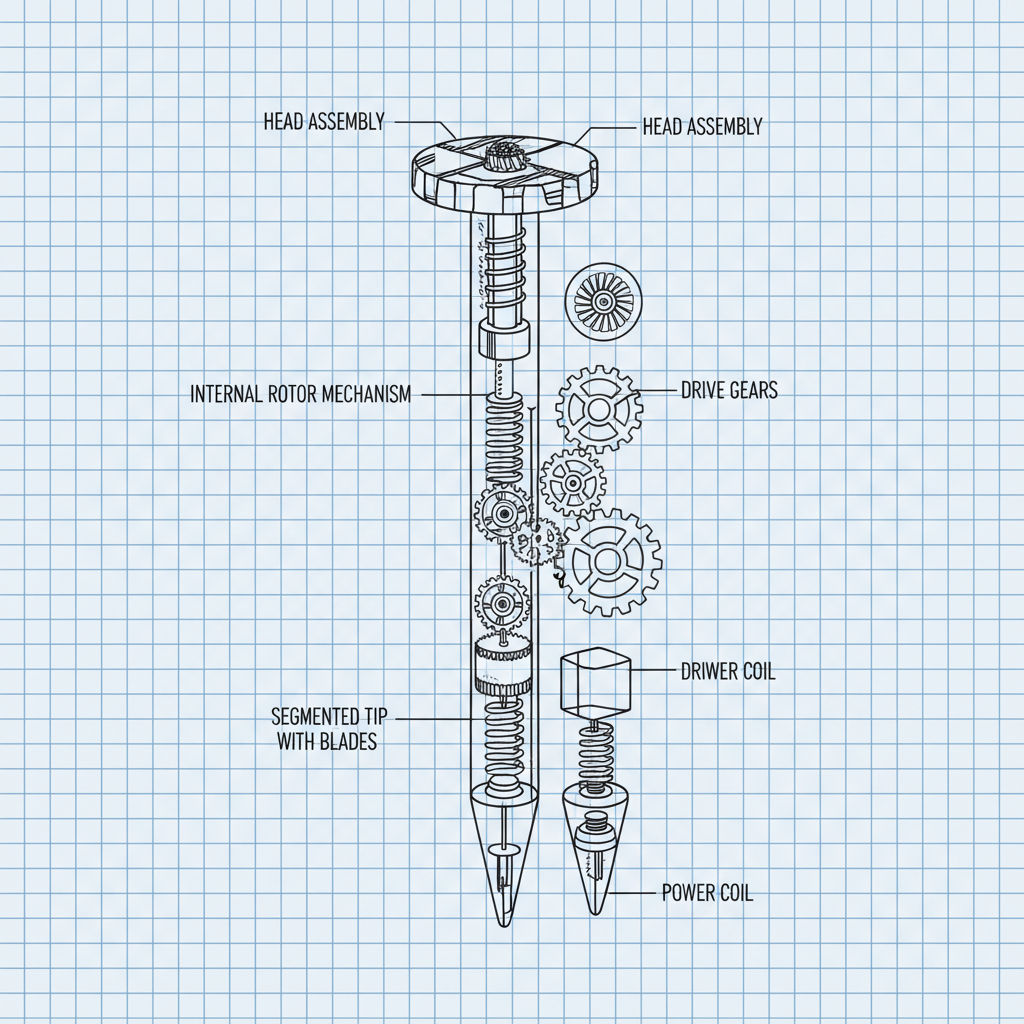
“16d” refers to the nail’s pennyweight (pd), an old system of measurement, and indicates its length. Specifically, a 16d common nail is approximately 3.5 inches (89mm) long. "Common nails" denote a specific type of nail – typically cylindrical with a flat head, designed for general construction framing. They have a smooth shank, meaning they don't have rings or twists, making them ideal for driving into wood without splitting it. These nails are commonly made from steel, often with various coatings to resist corrosion. Choosing the right nail for the application is critical for structural integrity and project longevity. You can find a comprehensive selection of high-quality 16d common nails at Five Star Metals.
Key Highlights: Approximately 3.5 inches long, smooth shank, flat head, designed for general construction framing.
Common Applications for 16d Nails
16d common nails are the workhorse of many construction projects. Their length and strength make them perfect for framing walls, building partitions, sheathing, and general carpentry. They’re frequently used in constructing fences, sheds, and other outdoor structures. While versatile, they aren’t ideal for applications requiring a very strong hold or resistance to pull-out, such as decking or structural connections where screws are preferred. Their larger size also makes them less suitable for fine woodworking where a more discreet fastener is needed. Understanding the limitations of 16d nails will help you choose the most appropriate fastener for the job.
Application Benefits:
• Framing walls and partitions
• Sheathing and general carpentry
• Building fences and sheds
• Versatile for various outdoor structures
16d Common Nails vs. Other Nail Sizes
Choosing the right nail size is crucial for project success. 16d nails offer a good balance of holding power and ease of use. However, they aren't always the best choice. Smaller nails like 8d or 6d nails are better suited for thinner materials or finish work, while larger nails, like 20d, provide greater holding power for heavier timbers. Here’s a quick comparison:
Material and Coating Options
16d common nails are typically made from carbon steel, offering a good balance of strength and cost. However, the environment plays a crucial role in choosing the right coating. Bright basic nails are uncoated and suitable for indoor use. Galvanized nails feature a zinc coating, providing excellent corrosion resistance for outdoor applications or treated lumber. Stainless steel nails are the most corrosion-resistant option, ideal for coastal environments or projects exposed to harsh chemicals. Selecting the correct coating will significantly extend the lifespan of your project.
Ensuring Quality & Finding a Reliable Supplier
The quality of 16d common nails can vary significantly. Look for nails that are straight, have consistently shaped heads, and are free from defects. A reputable supplier, like Five Star Metals, will guarantee consistent quality and reliability. Consider factors like price, availability, and shipping options when choosing a supplier. Investing in high-quality nails is an investment in the longevity and safety of your project.
Conclusion: Choosing the Right 16d Common Nail
Understanding the specifications, applications, and material options for 16d common nails is essential for any DIY enthusiast or professional builder. By carefully considering your project's needs and selecting high-quality nails from a trusted supplier, you can ensure a strong, durable, and lasting result. Don’t compromise on quality – choose the right nail for the job.
Frequently Asked Questions (FAQs)
What is the difference between a common nail and a box nail?
Common nails, like the 16d variety, are designed for general construction and have a heavier shank. Box nails, on the other hand, have a thinner shank, making them less likely to split softer wood. They’re often used for interior trim and finish work where a cleaner appearance is desired. While both can be used for similar projects, box nails offer a more refined finish and reduce the risk of wood splitting, while common nails provide greater holding power in structural applications.
How do I prevent 16d nails from bending over when driving them?
Bending nails is a common issue. Ensure you are using a hammer with enough weight and a properly shaped face. Start by “setting” the nail with a light tap to keep it straight, then apply firm, consistent pressure while driving it in. If you’re working with hard wood, consider pre-drilling a pilot hole slightly smaller than the nail diameter. Also, avoid hitting the nail at an angle, and use a nail set for the final few taps to avoid marring the wood surface.
What is the best way to remove a bent or improperly driven 16d nail?
Using a cat’s paw or nail puller is the most effective way to remove a stubborn nail. Place the claws of the tool around the nail head and gently rock it back and forth while applying pulling pressure. If the nail head is countersunk, you may need to use a nail set to expose enough of the nail for the puller to grip. Always wear safety glasses when removing nails, as they can sometimes fly out with force. If the nail breaks, use pliers or vise grips to grab the remaining shank.
Are 16d common nails suitable for pressure-treated lumber?
While you can use standard steel 16d common nails with pressure-treated lumber, it's highly recommended to use galvanized or stainless steel nails instead. The chemicals used in pressure treatment are corrosive and can rapidly degrade standard steel nails, leading to premature failure and potential structural issues. Galvanized nails offer a good balance of cost and corrosion resistance, while stainless steel provides the longest-lasting protection.


-
Canton Fair 2026-4 in Guangzhou,China
NewsApr.24,2027
-
High Quality Common Nails 1212 for Construction Projects
NewsApr.16,2026
-
The 139th Canton Fair
NewsApr.14,2026
-
Guide to Using Galvanised Common Round Nails for Durable Construction
NewsApr.09,2026
-
Comprehensive Guide to Flat Head Common Nails for Construction Projects
NewsApr.07,2026
-
Understanding the Versatility of the Common Nail 5 5 for Various Applications
NewsApr.04,2026