Comprehensive Guide to Selecting a Reliable Common Nail Manufacturer
Common Nail Manufacturer: Finding the Right Supplier
In the bustling world of construction, woodworking, and various manufacturing industries, the reliable supply of high-quality common nails is paramount. A dependable common nail manufacturer ensures projects stay on schedule and meet stringent safety standards. This article delves into the key considerations when sourcing a manufacturer, highlighting the benefits of choosing a trusted partner like Five Star Metals. We'll explore material quality, manufacturing processes, available types, and factors influencing cost, empowering you to make an informed decision.
Understanding Common Nail Types and Applications
Common nails, also known as bright basic nails, are general-purpose fasteners used in a wide array of applications. They're characterized by their smooth shank and flat head, making them suitable for framing, sheathing, and general construction. Different sizes (lengths and gauges) are available to match varying material thicknesses and project requirements. Choosing the right nail type is crucial for structural integrity. For instance, heavier gauge nails are preferred for load-bearing applications while lighter gauges are suitable for trim work. A reputable common nail manufacturer will offer a comprehensive range of sizes and finishes to cater to diverse needs.
Key Benefits of Using Quality Common Nails: Enhanced structural integrity, reduced project delays, improved safety, and cost-effectiveness due to minimized rework.
Factors to Consider When Choosing a Common Nail Manufacturer
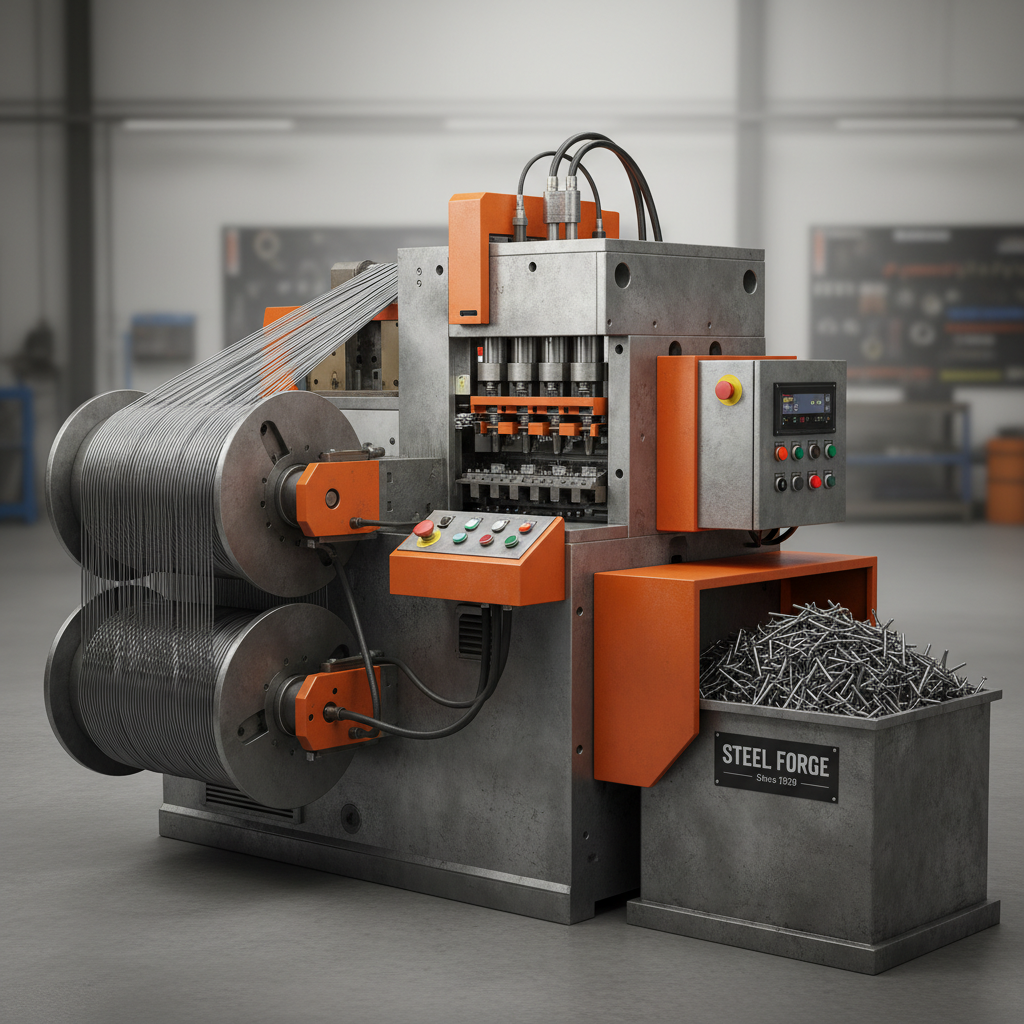
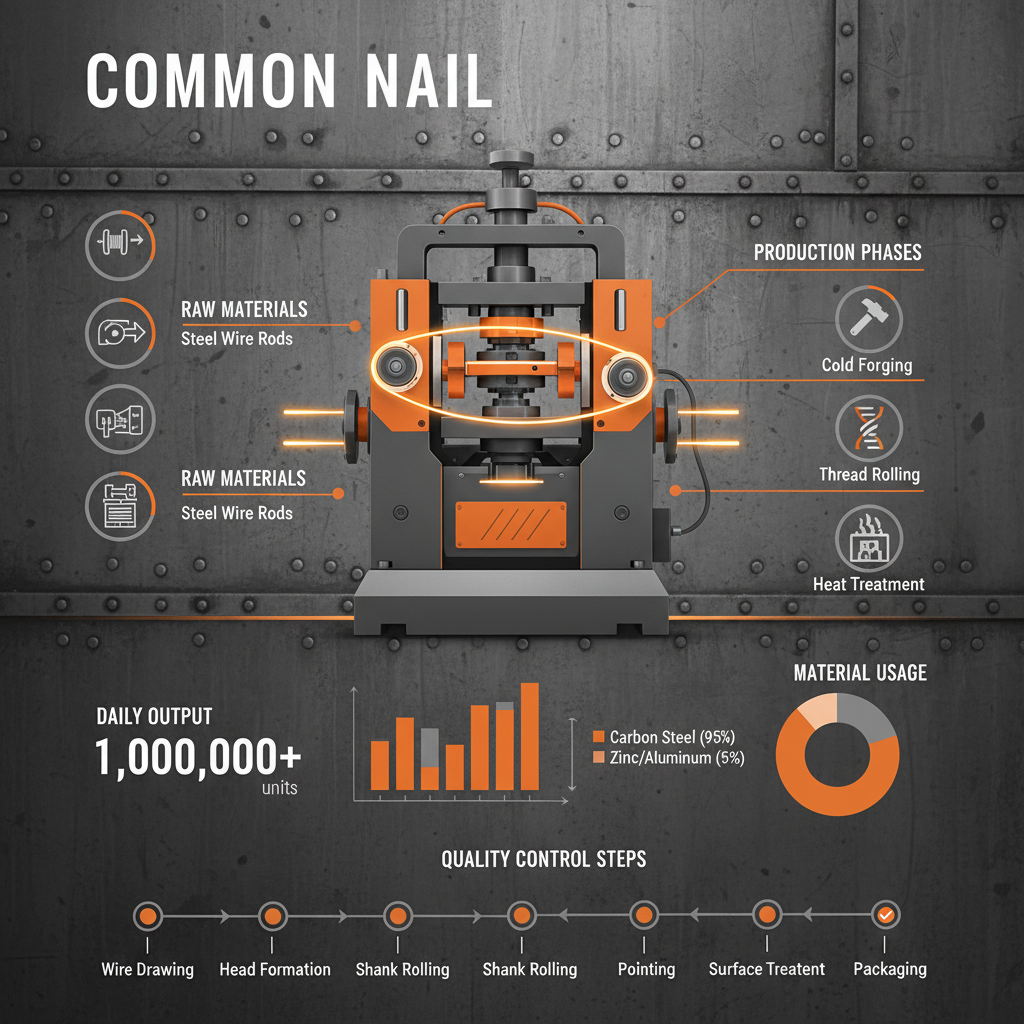
Selecting the right manufacturer isn't simply about price. Several factors influence the overall value and reliability of your nail supply. These include the material used (typically carbon steel), the manufacturing process (wire drawing, heading, and finishing), quality control procedures, and the manufacturer’s commitment to sustainability. A good manufacturer will provide certifications confirming adherence to industry standards. Additionally, assess their production capacity to ensure they can consistently meet your volume demands. Effective communication and responsiveness are also vital for a smooth and efficient supply chain. A reliable common nail manufacturer like Five Star Metals, prioritizes these aspects.
Essential Qualities of a Top Manufacturer:
• Consistent product quality
• Competitive pricing
• Reliable delivery schedules
• Excellent customer support
Common Nail Sizes and Specifications: A Comprehensive Overview
Common nails are categorized by penny (d) size, which represents the nail's length. Higher penny numbers indicate longer nails. The gauge (wire diameter) also varies, affecting the nail’s strength. Below is a table illustrating typical common nail sizes and their common applications:
Why Five Star Metals is Your Ideal Common Nail Manufacturer
Five Star Metals is a leading provider of high-quality common nails, committed to delivering superior products and exceptional customer service. We leverage advanced manufacturing technologies and rigorous quality control processes to ensure consistent product performance. Our extensive inventory and efficient logistics network enable us to fulfill orders promptly and reliably. Furthermore, we offer competitive pricing and customized solutions to meet the unique needs of our clients. Partner with Five Star Metals for a dependable supply of common nails and a collaborative partnership built on trust and reliability.
Conclusion: Partnering for Quality and Reliability
Choosing the right common nail manufacturer is critical for ensuring project success and long-term durability. Five Star Metals stands out as a trusted partner, offering a commitment to quality, reliability, and customer satisfaction. Contact us today to discuss your specific needs and experience the Five Star Metals difference.
Frequently Asked Questions (FAQs)
What materials are common nails typically made from?
Common nails are predominantly made from carbon steel, selected for its strength and affordability. The specific grade of steel used can vary, influencing the nail’s hardness and resistance to corrosion. Some manufacturers offer nails with coatings, such as zinc or polymer, to enhance corrosion resistance for specific applications. The quality of the steel is a key indicator of the nail's overall performance and durability. A reputable manufacturer will specify the steel grade used in their products.
What is the difference between common nails and box nails?
While both are general-purpose nails, common nails have a smooth shank, while box nails have a diamond-shaped point. This difference affects their holding power. Box nails are designed to minimize splitting the wood, making them ideal for thinner materials or when a cleaner finish is desired. Common nails provide a stronger hold in thicker wood and are generally used for framing and structural applications. The choice between the two depends on the specific project requirements.
How can I prevent rust on common nails?
Rust is a common issue with carbon steel nails. To prevent it, store nails in a dry environment, ideally in a sealed container. Consider using nails with a corrosion-resistant coating, such as zinc plating. For exterior projects, using stainless steel or hot-dipped galvanized nails is highly recommended, as they offer superior protection against the elements. Regularly inspecting and addressing any signs of rust can also prolong the lifespan of the nails.
What should I look for in a common nail manufacturer's quality control process?
A robust quality control process should include regular testing of nail dimensions, hardness, and coating thickness. Manufacturers should have procedures in place to identify and reject defective nails. Look for certifications, such as ISO 9001, which demonstrate a commitment to quality management. Furthermore, inquire about the manufacturer's testing frequency and reporting procedures to ensure consistent product quality.


-
Canton Fair 2026-4 in Guangzhou,China
NewsApr.24,2027
-
High Quality Common Nails 1212 for Construction Projects
NewsApr.16,2026
-
The 139th Canton Fair
NewsApr.14,2026
-
Guide to Using Galvanised Common Round Nails for Durable Construction
NewsApr.09,2026
-
Comprehensive Guide to Flat Head Common Nails for Construction Projects
NewsApr.07,2026
-
Understanding the Versatility of the Common Nail 5 5 for Various Applications
NewsApr.04,2026