High Quality Common Nails 1212 for Construction Projects
Choosing the Right Common Nails 1212 for Your Construction Projects
When it comes to structural integrity in carpentry and general construction, the humble nail remains an indispensable tool. Specifically, common nails 1212 provide the essential gripping power and strength required for heavy-duty framing and general assembly. Whether you are building a residential deck or securing industrial crates, selecting a nail with the precise dimensions and material quality is critical to prevent splitting and ensure long-term stability. In this guide, we will explore the technical specifications, applications, and quality standards that make these fasteners a staple in the hardware industry.
What are Common Nails 1212?
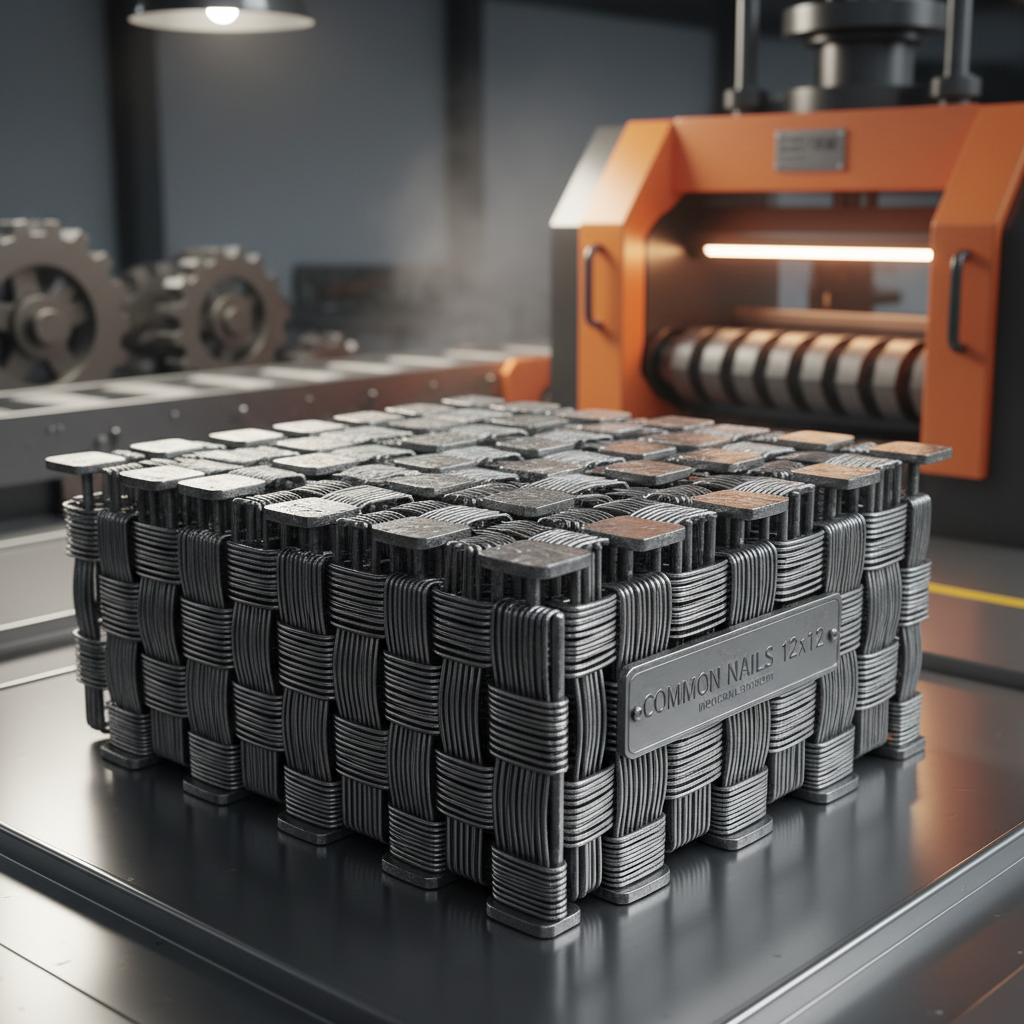
A "common nail" is designed for general construction where high shear strength is required. The 1212 specification typically refers to the gauge and length, providing a balanced profile that penetrates deeply into timber without causing excessive cleavage. These nails feature a thicker shank compared to finishing nails, which allows them to withstand significant lateral pressure. When sourcing common nails 1212, professionals look for a consistent head diameter to ensure the hammer strikes accurately and the nail sits flush against the wood surface.
Pro Tip: Always verify the steel grade of your nails. High-carbon steel provides superior hardness, while galvanized coatings are essential for any project exposed to moisture to prevent rust streaks.
Key Applications for Common Nails 1212
The versatility of common nails 1212 makes them suitable for a variety of demanding environments. In residential framing, they are often used for joists and studs where a strong mechanical bond is needed. In the shipping industry, these nails are ideal for constructing heavy-duty wooden pallets and crates that must transport heavy machinery. Additionally, they are widely used in roof truss assembly and exterior fencing. Because of their robust design, they can be driven into harder woods without bending, ensuring the structural integrity of the entire build.
Technical Specifications of Common Nails 1212
Understanding the technical data helps procurement managers and engineers ensure they are ordering the correct fastener for their specific load-bearing requirements. The performance of common nails 1212 is determined by the material composition, the precision of the point, and the flatness of the head. Below is a detailed specification table for standard industrial-grade common nails.
Common Nails 1212 vs. Finishing Nails: Which to Choose?
Many beginners confuse common nails with finishing nails, but they serve entirely different purposes. While finishing nails are designed to be inconspicuous and are used for trim and molding, common nails 1212 are engineered for raw strength. Common nails have a larger head to prevent the nail from pulling through the wood under tension, and a thicker shank to resist bending. Using a finishing nail where a common nail is required can lead to structural failure, while using a common nail for trim will likely split the delicate wood.
Quality Control and Sourcing of Common Nails 1212
When sourcing fasteners in bulk for international trade, quality consistency is the biggest challenge. Premium common nails 1212 should undergo rigorous testing for tensile strength and coating thickness. Poorly manufactured nails may have "burrs" on the shank or uneven heads, which slow down production and increase the risk of injury. Reliable suppliers utilize automated cold-heading machines to ensure every single nail meets the exact 1212 dimensions, reducing waste and improving construction efficiency on-site.
Quality Checklist for Buyers:
• Uniform head diameter across the entire batch
• Sharp, centered points to prevent wood splitting
• Consistent coating (no peeling or gaps in galvanization)
• Correct tensile strength rating for the intended load
Conclusion: The Lasting Value of Quality Fasteners
Selecting high-quality common nails 1212 is a small detail that makes a massive difference in the longevity of a construction project. From the initial framing to the final structural supports, the reliability of your fasteners determines the safety of the build. By choosing materials that adhere to international standards and focusing on precision specifications, you ensure that your projects stand the test of time. For those seeking industrial-grade fasteners with guaranteed consistency, investing in professional-grade common nails is the smartest choice for any builder.
Frequently Asked Questions (FAQs)
What does the "1212" in common nails 1212 actually mean?
In the context of nail sizing, these numbers typically refer to the gauge (thickness) and the length of the nail. While naming conventions can vary slightly by region, a 1212 designation generally signifies a nail optimized for medium-to-heavy duty structural work. The thickness ensures it doesn't bend under the weight of heavy timber, while the length provides enough penetration to create a strong friction bond between two pieces of wood. Always check the specific technical data sheet from your supplier to confirm the exact millimeter measurements.
Should I use galvanized or bright common nails 1212?
The choice depends entirely on the environment. "Bright" nails are untreated steel; they are cost-effective and excellent for indoor projects where moisture is not a factor. However, for outdoor decks, fences, or any application exposed to rain or humidity, galvanized common nails 1212 are mandatory. The zinc coating prevents oxidation (rust), which not only preserves the strength of the nail but also prevents unsightly rust stains from bleeding into the surrounding wood.
Can these nails be used with a nail gun?
Standard common nails are designed for manual hammering. If you are using a pneumatic nail gun, you must use "nail collated" fasteners, which are held together by plastic, paper, or wire strips. While the dimensions (1212) might be similar, the head and shank geometry of a manual nail differ from a gun nail. Using manual nails in a nail gun is impossible, and using gun nails manually is inefficient due to the collation remnants. Always match your fastener type to your driving tool for maximum efficiency.
How do I prevent wood from splitting when using common nails?
Splitting occurs when the nail displaces too much wood fiber. To prevent this when using common nails 1212, it is recommended to drill a pilot hole slightly smaller than the diameter of the nail shank. This removes a small amount of material, allowing the nail to enter more smoothly. Additionally, avoid nailing too close to the edge of the board, as there is less wood to absorb the pressure of the nail's entry.


-
Canton Fair 2026-4 in Guangzhou,China
NewsApr.24,2027
-
High Quality Common Nails 1212 for Construction Projects
NewsApr.16,2026
-
The 139th Canton Fair
NewsApr.14,2026
-
Guide to Using Galvanised Common Round Nails for Durable Construction
NewsApr.09,2026
-
Comprehensive Guide to Flat Head Common Nails for Construction Projects
NewsApr.07,2026
-
Understanding the Versatility of the Common Nail 5 5 for Various Applications
NewsApr.04,2026