The Versatility and Benefits of Using Headless Common Nails in Projects
Understanding the Versatility of the Headless Common Nail
The headless common nail is a remarkably adaptable fastener used across diverse industries, from woodworking and construction to upholstery and DIY projects. Its design—a nail without a head—offers distinct advantages, primarily preventing snagging and providing a cleaner, more concealed finish. This article will explore the features, applications, benefits, and considerations for using headless common nails, providing a comprehensive guide for both professionals and hobbyists. Choosing the right nail type significantly impacts project quality and efficiency.
What are Headless Common Nails?
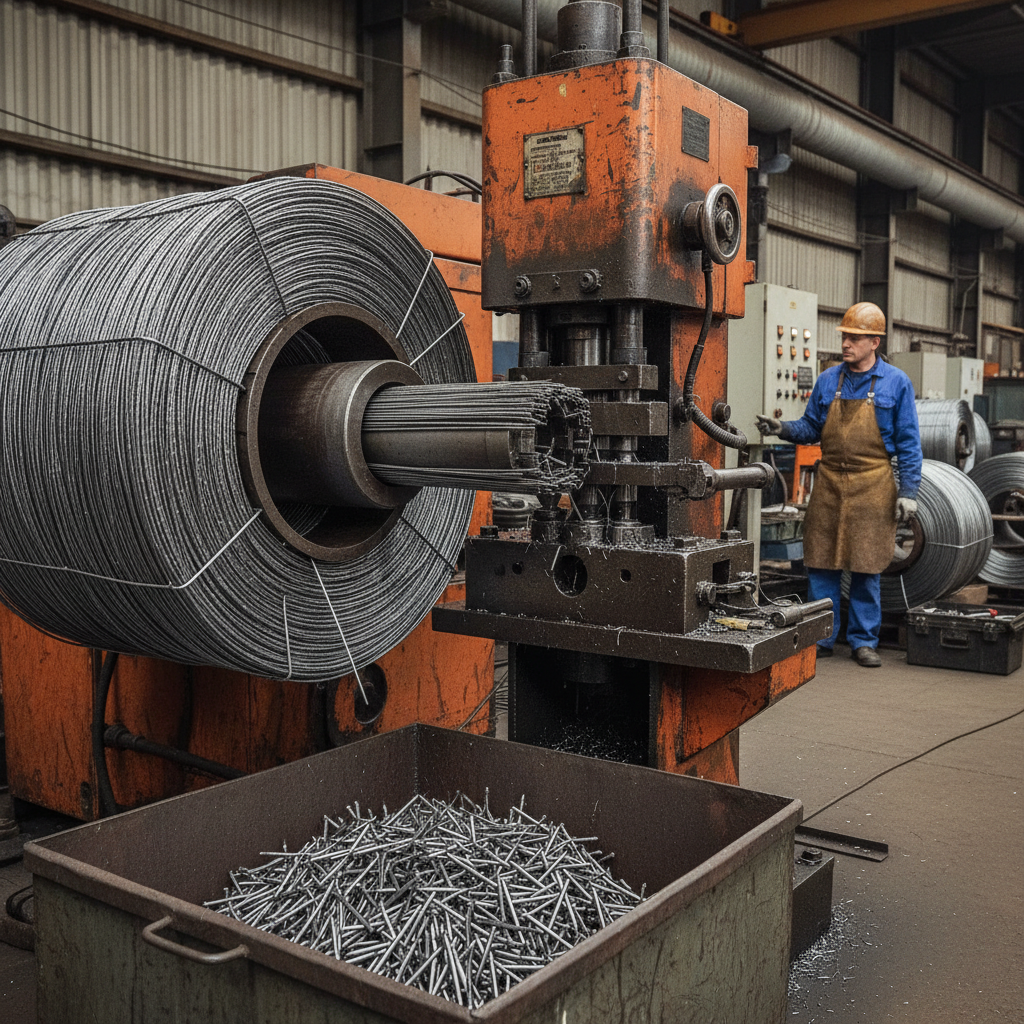
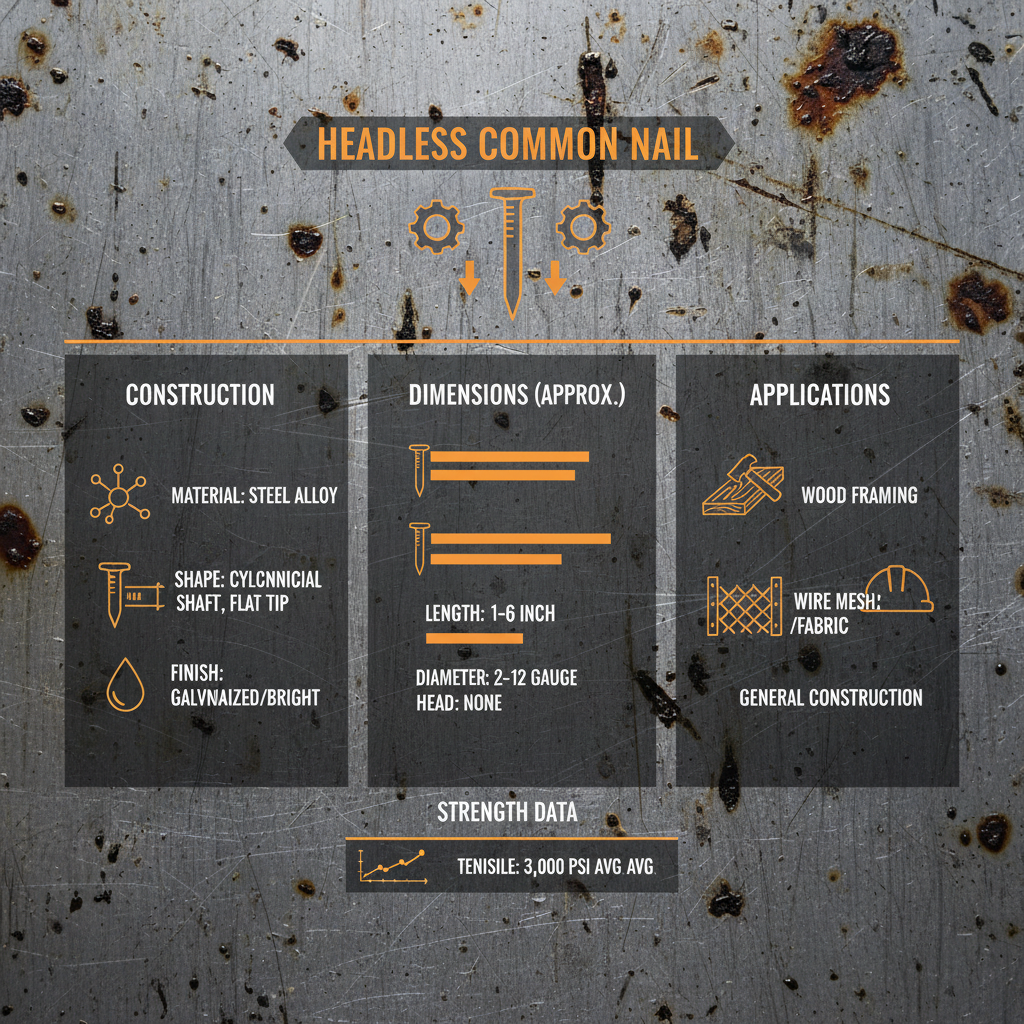
Headless common nails, also known as blind nails or cut nails, are manufactured without a distinct head. Instead, the nail is cut to length after being formed, resulting in a pointed end suitable for driving into materials. This unique characteristic makes them ideal for applications where a visible head is undesirable or impractical. They are typically made from steel and are available in various gauges (thickness) and lengths to suit different project requirements. Fivestar Metals offers a wide selection of headless common nails to meet your project needs.
Key Highlights: These nails offer a clean finish, minimize snagging, and are less likely to split wood than nails with heads, offering a reliable fastening solution for a variety of applications.
Key Benefits of Using Headless Common Nails
Using headless common nails delivers several key advantages. First, the lack of a head creates a cleaner, more aesthetically pleasing finish, particularly important in woodworking and furniture construction. Second, they are less likely to snag on clothing, fabrics, or other materials, making them safer for applications like upholstery or where frequent contact is expected. Third, the absence of a head minimizes the risk of splitting the wood, especially when working near edges or with delicate materials. These benefits contribute to higher-quality results and improved project safety.
Benefits at a Glance:
• Cleaner, more concealed finish
• Reduced risk of snagging
• Minimizes wood splitting
• Enhanced project safety and aesthetics
Headless Common Nail Applications: A Diverse Range
The applications of headless common nails are widespread. They are commonly used in furniture making to create concealed joints, in picture frame construction for a seamless look, and in upholstery to secure fabrics without visible fasteners. In construction, they can be used for temporary fastening or in areas where a flush finish is required. They are also favored for applications like installing molding and trim, where minimizing visual distractions is essential. These nails are also great for any project where you are looking for a strong, reliable hold, without the unsightly appearance of a nail head. You can find a variety of sizes and types at Fivestar Metals.
Comparing Headless Nails with Other Nail Types
While various nail types serve different purposes, understanding the distinctions is crucial for project success. Common nails with heads are suitable for general construction, providing a secure hold but leaving a visible head. Finishing nails are smaller and designed to be countersunk and concealed with wood filler, but they offer less holding power. Brad nails are even smaller and are used for delicate work, while roofing nails have a wider head for secure attachment to roofing materials. The headless common nail fills a unique niche, offering a balance of holding power and concealment that other nails don't provide.
Purchasing Considerations and Availability
When purchasing headless common nails, consider the gauge (diameter) and length required for your project. Thicker gauges offer greater holding power, while longer lengths provide deeper penetration. Ensure the nails are made from high-quality steel to prevent bending or breakage. Fivestar Metals offers a wide range of sizes and quantities to suit both small and large-scale projects, along with expert advice to help you select the appropriate nails for your needs.
Conclusion: The Versatile Choice for Discerning Projects
The headless common nail stands out as a versatile and practical fastener, providing a clean, secure, and snag-free solution for numerous applications. Whether you're a professional woodworker, a construction expert, or a dedicated DIY enthusiast, incorporating these nails into your projects will elevate the quality and aesthetics of your work. Choose Fivestar Metals for reliable supply and expert guidance.
Frequently Asked Questions (FAQs)
Are headless nails as strong as nails with heads?
Generally, yes. The holding power of a nail depends more on its gauge (thickness) and length than the presence of a head. Headless nails, when properly driven, provide a strong and secure hold, comparable to nails with heads of the same size and material. Because they penetrate deeper into the material, they can sometimes offer even greater resistance to pull-out. The absence of a head doesn’t compromise strength when the correct nail is selected for the application.
Can headless nails be used with power nailers?
Yes, headless nails can be used with specialized power nailers designed for headless fasteners. These nailers typically use a collated strip of headless nails and drive them with a blunt nose, ensuring they are fully seated without forming a head. It's crucial to use the correct nailer and nail collation specifically designed for headless nails to ensure proper operation and safety.
What wood types are best suited for headless nails?
Headless nails work well with various wood types, but are particularly advantageous when working with hardwoods or delicate woods prone to splitting. The absence of a head reduces the stress on the wood fibers during driving, minimizing the risk of cracking. They are also excellent for softwoods where a concealed fastening is desired. However, for very dense or brittle woods, pre-drilling pilot holes may still be necessary to prevent splitting.
Where can I purchase high-quality headless common nails?
You can purchase high-quality headless common nails from Fivestar Metals. We offer a comprehensive selection of sizes, materials, and quantities to meet your specific project requirements. Our commitment to quality ensures you receive durable and reliable nails for superior results.


-
Canton Fair 2026-4 in Guangzhou,China
NewsApr.24,2027
-
High Quality Common Nails 1212 for Construction Projects
NewsApr.16,2026
-
The 139th Canton Fair
NewsApr.14,2026
-
Guide to Using Galvanised Common Round Nails for Durable Construction
NewsApr.09,2026
-
Comprehensive Guide to Flat Head Common Nails for Construction Projects
NewsApr.07,2026
-
Understanding the Versatility of the Common Nail 5 5 for Various Applications
NewsApr.04,2026