Comprehensive Guide to Common Nails 500g for Construction and DIY Projects
Understanding Common Nails 500g: A Comprehensive Guide
When undertaking any construction, woodworking, or general repair project, having the right fasteners is essential. Among the most fundamental of these are common nails 500g. These versatile nails are the workhorse of many trades, offering a reliable and cost-effective fastening solution. This article will explore the features, applications, and considerations when selecting common nails, helping you choose the right product for your needs. We'll delve into the specifics that make these nails an indispensable tool for professionals and DIY enthusiasts alike.
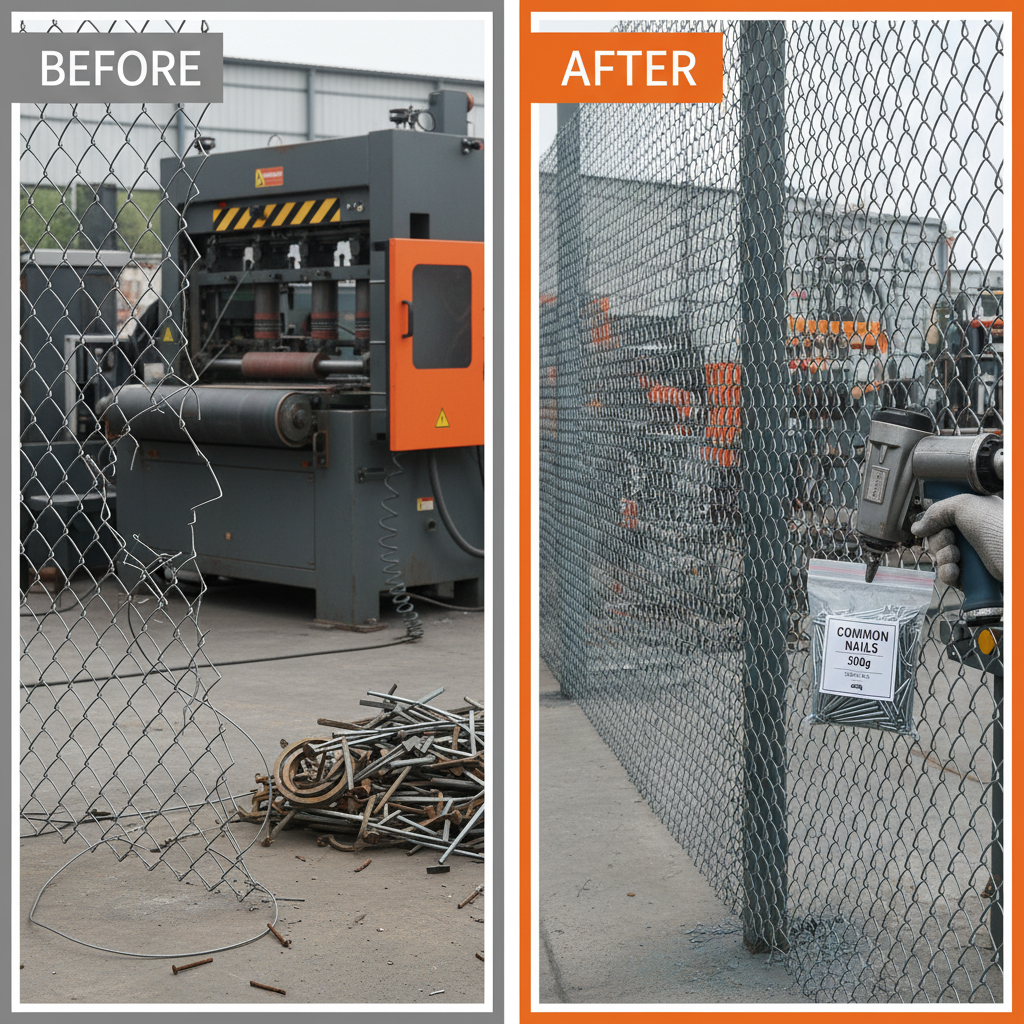
What are Common Nails and Why Choose Them?
Common nails are characterized by their thick shank, wide head, and simple, unpolished finish. They are typically made of steel and are designed for general-purpose fastening in softwood construction. Their robust construction provides excellent holding power, making them ideal for framing, sheathing, and other structural applications. Choosing common nails offers a balance of strength, affordability, and ease of use, making them a favorite among builders and handymen.
Key Highlights: Robust construction for excellent holding power, Ideal for framing and sheathing, Cost-effective fastening solution.
Common Nail 500g: Understanding Sizes and Gauges
Common nails are available in a range of sizes and gauges to suit different applications. The size refers to the length of the nail (measured in inches), while the gauge refers to the thickness of the nail (represented by a number – the higher the number, the thinner the nail). A 500g pack provides a substantial quantity for various projects. Selecting the correct size and gauge is crucial for ensuring a secure and lasting hold.
Size and Gauge Guide:
• 8d (2.5 inches, Gauge 8): For general framing and construction.
• 10d (3 inches, Gauge 6): For heavier framing and structural work.
• 16d (3.5 inches, Gauge 2): For demanding applications like timber framing.
• 20d (4 inches, Gauge 1): For substantial timber connections.
Common Nails vs. Other Nail Types
While numerous nail types are available, understanding the differences is key to selecting the best option for your project. Common nails excel in general construction, but specialized nails offer advantages in specific scenarios. Box nails, for instance, have a thinner shank, reducing the risk of splitting wood. Finishing nails are designed to be driven flush or slightly below the surface for a clean aesthetic. Common nails 500g remain a staple due to their strength and versatility, particularly in structural applications.
Sourcing High-Quality Common Nails
When purchasing common nails, quality is paramount. Look for nails that are consistently sized, have a clean, unblemished surface, and are made from hardened steel. A reputable supplier like Fivestar Metals ensures you receive a reliable product that will perform as expected. Consider the packaging – a secure and clearly labeled pack indicates attention to detail and quality control.
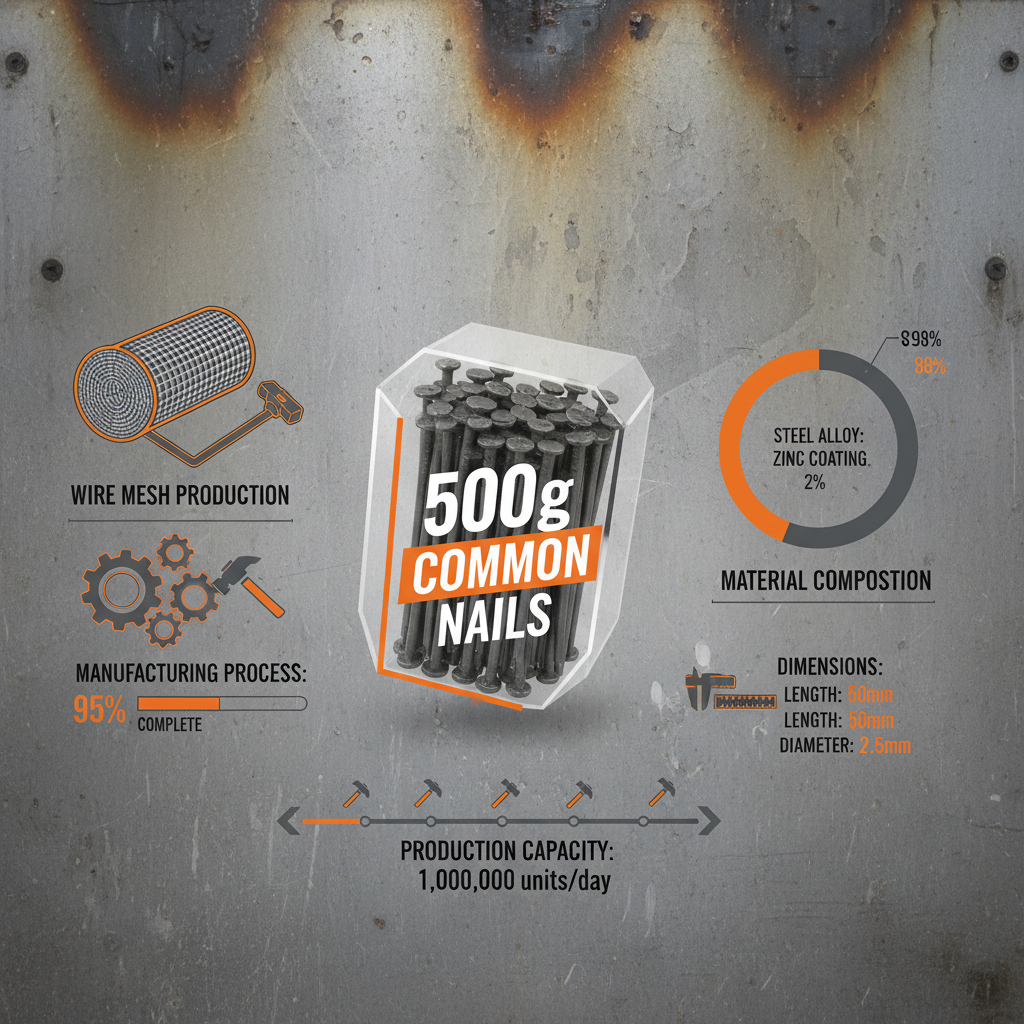
Safety Considerations When Using Common Nails
Always prioritize safety when working with nails. Wear safety glasses to protect your eyes from flying debris. Use a hammer with a comfortable grip and maintain a firm stance. Be mindful of your surroundings and ensure no one is within striking distance. When working at heights, use appropriate fall protection. Following these simple safety guidelines will help prevent accidents and ensure a successful project.
Conclusion: A Reliable Fastener for Every Project
The common nail 500g pack is an essential component of any toolkit. Its versatility, affordability, and strength make it a go-to choice for a wide range of construction and repair projects. By understanding the different sizes, gauges, and applications, you can ensure you select the right nail for the job. Prioritizing quality and safety will guarantee a durable and reliable result.
Frequently Asked Questions (FAQs)
What wood types are common nails best suited for?
Common nails are most effective in softwood applications like pine, fir, and spruce. These woods are easier to penetrate and provide sufficient holding power for the nail's shank. When working with hardwoods like oak or maple, pre-drilling a pilot hole is often recommended to prevent the wood from splitting. Using a larger diameter nail in hardwoods can also improve holding power, but ensure it doesn't compromise the structural integrity of the wood. Consider using ring shank nails or screws for enhanced holding strength in hardwoods.
How can I prevent nails from bending over when hammering?
Nail bending often occurs when hitting the nail at an angle or encountering a knot in the wood. Ensure you strike the nail head squarely with the hammer. If you encounter resistance, stop hammering and adjust your angle slightly. Using a nail set can help drive the nail head flush with the surface without damaging the surrounding wood. Also, using a higher quality nail made of hardened steel can reduce bending. If you consistently encounter bending issues, consider using a different type of fastener, such as screws.
What is the best way to remove a bent or stubborn nail?
Removing a bent or stubborn nail can be tricky. A nail puller is the most effective tool for this task. Position the claw of the nail puller around the nail head and gently rock it back and forth while applying upward pressure. If the nail is deeply embedded or badly bent, try using a cat's paw nail puller, which has a curved claw designed for gripping nails in tight spaces. Be cautious not to damage the surrounding wood during removal. For extremely stubborn nails, you may need to cut them off with a metal saw or grinder.
What storage methods will help prolong the life of common nails?
To prevent rust and corrosion, store common nails in a dry environment. A sealed container or plastic bag is ideal. Avoid storing nails in damp basements or garages where moisture can accumulate. Adding a rust inhibitor packet to the container can further protect the nails. Regularly inspect the nails for signs of rust and discard any heavily corroded ones. Proper storage will ensure your nails remain in good condition for future projects.


-
Canton Fair 2026-4 in Guangzhou,China
NewsApr.24,2027
-
High Quality Common Nails 1212 for Construction Projects
NewsApr.16,2026
-
The 139th Canton Fair
NewsApr.14,2026
-
Guide to Using Galvanised Common Round Nails for Durable Construction
NewsApr.09,2026
-
Comprehensive Guide to Flat Head Common Nails for Construction Projects
NewsApr.07,2026
-
Understanding the Versatility of the Common Nail 5 5 for Various Applications
NewsApr.04,2026