Understanding the Applications of Common Nails Without Head for Construction
Understanding Common Nails Without Head for Efficient Construction
When undertaking construction or woodworking projects, selecting the right fasteners is crucial. Common nails without head, often overlooked, play a vital role in various applications. These nails offer unique advantages regarding holding power and ease of use, making them a preferred choice for many professionals. This article will delve into the characteristics, applications, benefits, and considerations for using these essential fasteners. Understanding the nuances of these nails will help you choose the right product for your next project and optimize your construction process.
What Are Common Nails Without Head?
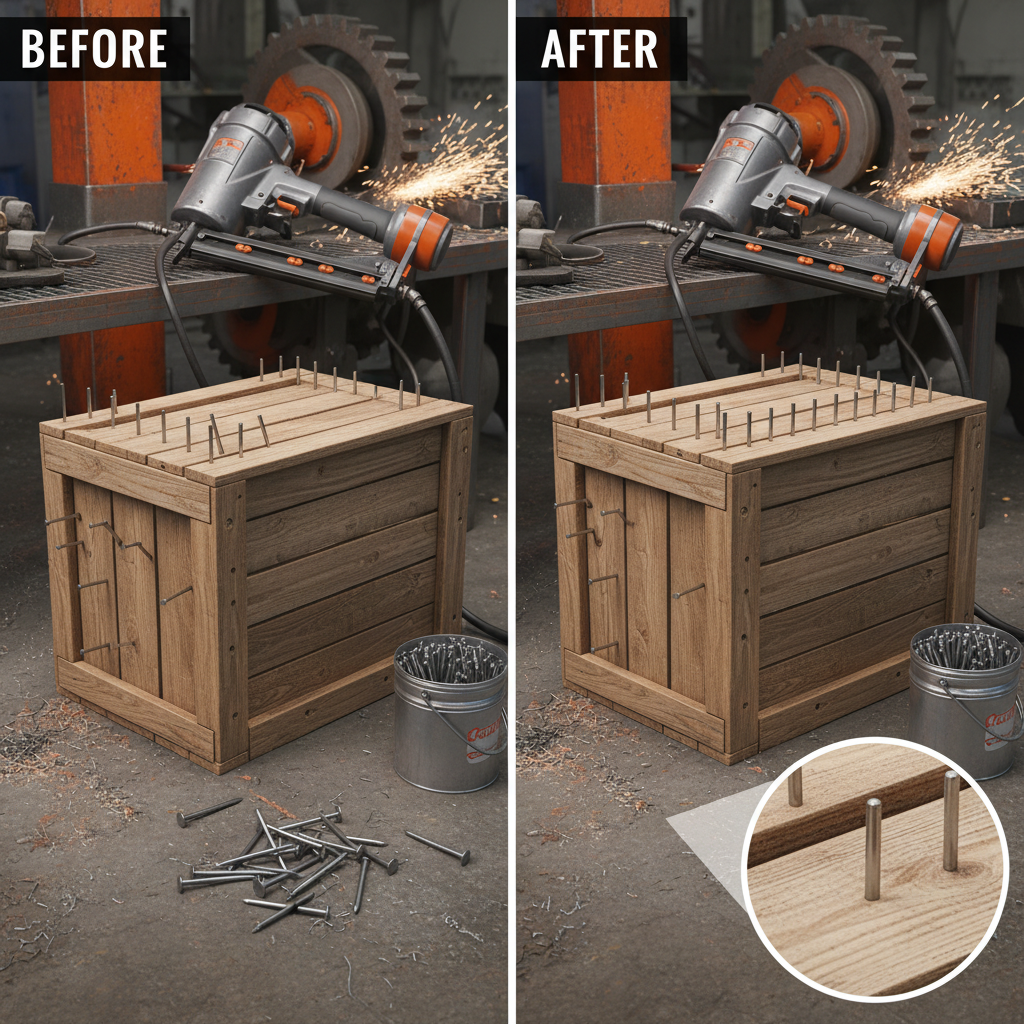
Common nails without head, also known as headless nails, are fasteners designed for applications where a visible nail head is undesirable or impractical. They are typically manufactured by heading the nail wire and then cutting off the head. This results in a nail that provides excellent holding power through friction and shear strength, particularly when driven into softer woods. The lack of a head allows for a smoother finish and minimizes the risk of snagging or interference. They are commonly used in temporary construction, pallet manufacturing, and applications where a flush surface is required.
Key Highlights: Designed for applications requiring a smooth surface or where nail head visibility is undesirable. Offers strong holding power through friction and shear strength. Commonly used in temporary structures and pallet construction.
Applications of Common Nails Without Head
The versatility of common nails without head leads to a wide range of applications across various industries. They're integral in the construction of wooden pallets, providing secure fastening without protruding nail heads that could damage goods. Temporary fencing and scaffolding frequently utilize these nails for quick and efficient assembly. In woodworking, they're used for applications like attaching molding or trim where a concealed fastener is preferred. Additionally, they find use in crate building and other packaging applications, ensuring structural integrity without compromising the integrity of the packaged contents.
Common Nails Without Head vs. Traditional Nails: A Detailed Comparison
While traditional nails with heads offer a strong connection, headless nails provide distinct advantages in specific scenarios. The primary difference lies in the finish and functionality. Traditional nails are suitable where a visible fastener is acceptable or desirable, while headless nails offer a cleaner, more streamlined appearance. Headless nails rely more heavily on friction for holding power, making them excellent for softer woods. Conversely, headed nails offer more resistance to pull-out forces in harder materials. Choosing the right nail depends heavily on the application and desired outcome.
Factors to Consider When Choosing Common Nails Without Head
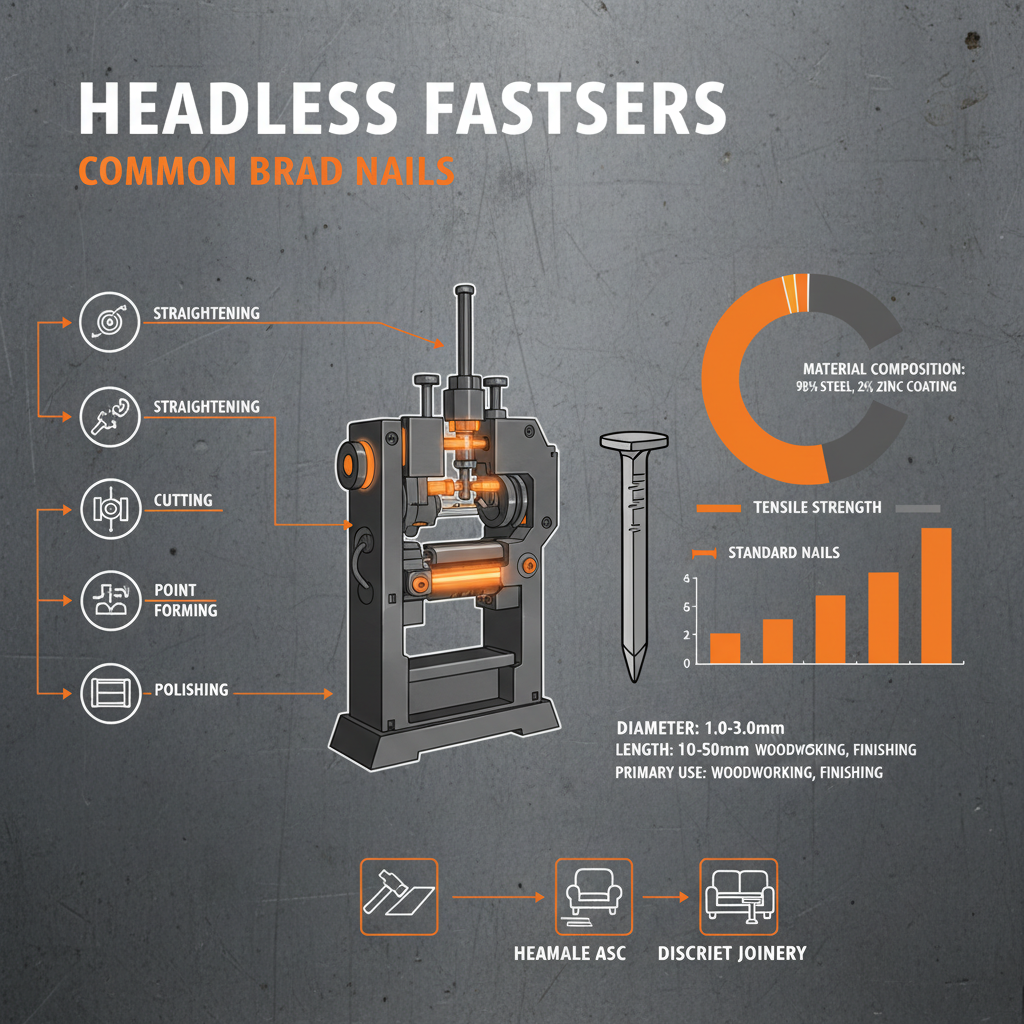
Selecting the correct headless nails requires careful consideration of several factors. Material composition is critical; steel nails offer high strength, while stainless steel provides corrosion resistance for outdoor applications. Nail length should be appropriate for the thickness of the materials being joined – typically, the nail should penetrate at least two-thirds of the second piece of wood. The gauge (diameter) also impacts holding power; thicker nails are stronger but require more force to drive. Finally, ensure the nails are compatible with your fastening tools, whether using a nail gun or manual hammer.
Sourcing High-Quality Common Nails Without Head
Obtaining reliable and durable common nails without head is vital for ensuring project success and safety. Fivestar-Metals is a trusted supplier of high-quality fasteners, offering a wide range of headless nails in various sizes, materials, and finishes. We prioritize quality control to guarantee consistent performance and reliability. Our commitment to customer satisfaction extends to providing expert advice and prompt delivery, making us a dependable partner for all your fastening needs. Contact us today to discuss your specific requirements.
Conclusion: The Underrated Value of Headless Nails
Common nails without head may be a subtle component of construction, but their impact on efficiency and finish is significant. From pallet building to woodworking, these fasteners offer a reliable and discreet solution where a smooth surface and strong holding power are paramount. Choosing a trusted supplier like Fivestar-Metals ensures you receive high-quality products that meet your project demands.
Frequently Asked Questions (FAQs)
Are common nails without head suitable for outdoor use?
While carbon steel headless nails can be used outdoors, they are prone to corrosion. For outdoor applications, it is highly recommended to choose stainless steel headless nails. Stainless steel provides excellent resistance to rust and degradation, ensuring long-lasting performance and structural integrity in exposed environments. Consider the climate and exposure level when selecting the appropriate grade of stainless steel.
What is the best way to drive headless nails?
Headless nails are typically driven using a hammer or a nail gun designed for headless fasteners. When using a hammer, start with a light tap to set the nail and then apply firm, consistent pressure. If using a nail gun, ensure it's properly adjusted for headless nails to prevent bending or damaging the fastener. It’s often helpful to pre-drill a pilot hole, especially when working with harder woods, to facilitate easier driving and prevent splitting.
Can headless nails be removed?
Removing headless nails can be more challenging than removing traditional nails due to the lack of a head to grip. A nail puller or a pair of pliers can be used, but care must be taken to avoid damaging the surrounding wood. Applying gentle, consistent pressure is crucial. In some cases, it may be necessary to carefully cut the nail flush with the surface and fill the resulting hole with wood filler.


-
Canton Fair 2026-4 in Guangzhou,China
NewsApr.24,2027
-
High Quality Common Nails 1212 for Construction Projects
NewsApr.16,2026
-
The 139th Canton Fair
NewsApr.14,2026
-
Guide to Using Galvanised Common Round Nails for Durable Construction
NewsApr.09,2026
-
Comprehensive Guide to Flat Head Common Nails for Construction Projects
NewsApr.07,2026
-
Understanding the Versatility of the Common Nail 5 5 for Various Applications
NewsApr.04,2026