Hexagonal Chicken Wire Mesh: Durable, Cost-Effective Solutions for Agriculture & Construction
What is Hexagonal Chicken Wire Mesh and Why it Matters Worldwide
At first glance, hexagonal chicken wire mesh might sound like something limited to your backyard coop or garden fence — but it’s actually so much more than that. This lightweight, flexible material plays a subtle yet vital role across industries globally, from construction and agriculture to humanitarian relief. Understanding hexagonal chicken wire mesh is key not only for manufacturers and engineers but also for anyone interested in sustainable materials and innovative problem-solving. It serves as a simple solution to complex needs: containment, protection, reinforcement, and even emergency shelter.
Globally, the demand for inexpensive, easy-to-install materials has skyrocketed — especially in regions facing rapid urbanization, food security challenges, or disaster recovery efforts. The versatility inherent to hexagonal wire mesh makes it a beloved choice internationally, bridging the gap between affordability and function.
Global Context: Why the World Needs Hexagonal Chicken Wire Mesh
According to the United Nations Food and Agriculture Organization, over 37% of the global workforce depends on agriculture in some form — a staggering number that underscores the importance of protecting livestock and crops. Hexagonal chicken wire mesh provides an essential barrier against predators and environmental damage, improving food security sustainably. In urbanizing regions from Southeast Asia to Africa, it supports fencing and containment without heavy infrastructure.
Moreover, from a construction standpoint — the International Organization for Standardization (ISO) recognizes hexagonal wire mesh as a key reinforcement component in gabions and erosion control. Its honeycomb structure offers excellent tensile strength and flexibility, crucial in terrain stabilization or flood defenses.
Yet, despite its widespread use, there's a growing challenge: sourcing materials that are both environmentally friendly and cost-effective. Many countries face import restrictions or supply chain delays. Hexagonal chicken wire mesh often emerges as an accessible, low-tech solution to these complications, usable without heavy machinery or specialized training.
Breaking It Down: What Exactly is Hexagonal Chicken Wire Mesh?
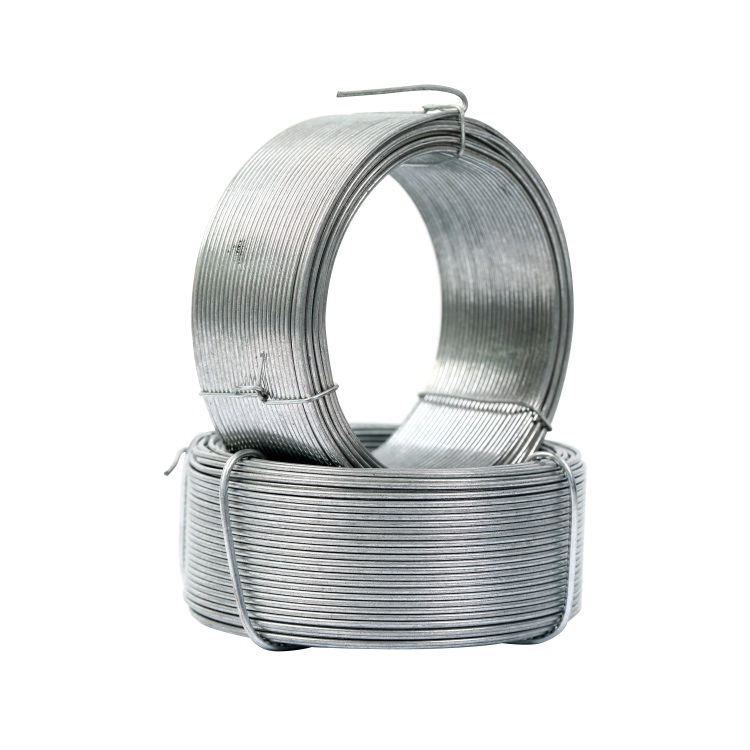
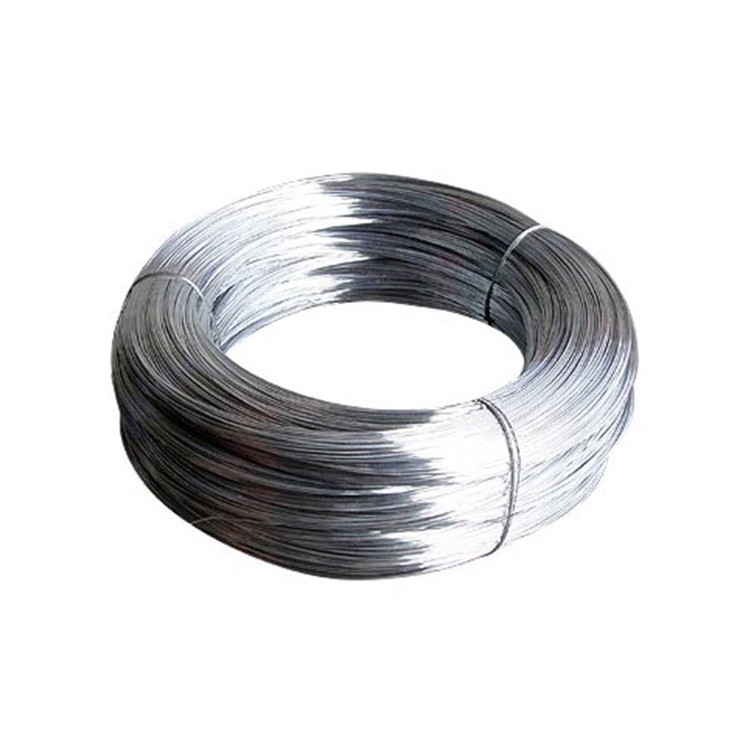
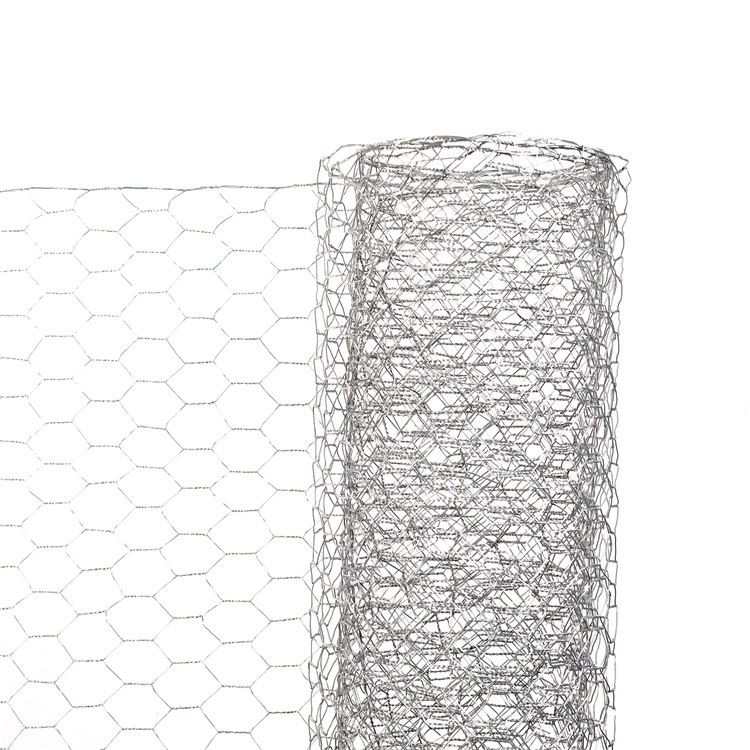
Simply put, hexagonal chicken wire mesh is a mesh netting made from galvanized or stainless steel wire twisted into hexagonal shapes. Its distinctive honeycomb pattern provides flexibility while maintaining strength. Traditionally used for poultry fencing — hence the name — it has evolved into a multifaceted product utilized in fencing, construction, soil stabilization, and even crafting cages and protective barriers.
Its intrinsic geometry is more than decorative: hexagons distribute stress evenly and allow the mesh to flex and adapt to uneven terrain, unlike rigid square meshes. This makes it indispensable where movement or expansion is expected, such as in retaining walls or containment for expanding soil.
Modern industries also appreciate its ease of transportation and installation. Typically supplied in rolls varying from 0.5m to 2m width and can reach tens of meters long, it’s as manageable on-site as it is strong once secured.
Key Features Shaping Practical Use
Durability and Corrosion Resistance
The choice of wire coating — typically galvanized zinc or PVC — governs longevity, especially in harsh climates. Galvanization offers corrosion protection, critical for outdoor applications like fencing or erosion control near water bodies.
Flexibility and Adaptability
Unlike rigid steel panels, the hexagonal configuration allows the mesh to bend and conform to irregular shapes without breaking. This means it can be used on slopes, curves, or uneven ground with relative ease.
Cost Efficiency
Because it typically uses thinner wire yet maintains strength through design, hexagonal chicken wire mesh balances material cost with practical durability, making it accessible in developing regions without sacrificing performance.
Lightweight and Easy Handling
Compared with solid metal sheeting or heavy-duty wire mesh, it’s lighter and easier to transport and install, minimizing labor and equipment requirements.
Versatility in Applications
From fencing chickens and rabbits to forming gabions in construction, or even used in arts and crafts, the mesh's range far exceeds its humble origins.
| Specification | Details |
|---|---|
| Wire Diameter | 0.8 mm to 2.5 mm |
| Mesh Opening (Hexagon) | 12 mm to 50 mm |
| Roll Width | 0.5 m to 2 m |
| Roll Length | 10 m to 50 m |
| Coating | Galvanized Zinc / PVC Coated |
| Material | Mild Steel / Stainless Steel |
Where Do You Actually See Hexagonal Chicken Wire Mesh at Work?
Far beyond farmyards, this mesh is a staple in:
- Agriculture: Containment fence for poultry, rabbits, and small livestock; protecting gardens from pests.
- Construction: Gabion walls for retaining soil and stabilizing slopes; reinforcement in concrete applications.
- Disaster Relief: Temporary fencing and shelter bases in post-disaster zones, particularly in Southeast Asia and Africa.
- Erosion Control: Coastal and riverbank protection in Europe and developing countries.
- Domestic Use: Garden enclosures, compost bins, and DIY projects worldwide.
NGOs and governments rely on this mesh for rapid fencing installations where time is critical but budgets tight. For example, after the 2019 floods in Mozambique, emergency teams used hexagonal chicken wire mesh to quickly rebuild protective barriers to prevent further damage.
Comparing Suppliers: What to Look For?
| Vendor | Material Options | Customization | Delivery Regions | Certifications |
|---|---|---|---|---|
| Five Star Metals | Galvanized, PVC coated, stainless steel | Custom roll sizes, wire diameters | Global (incl. Asia, Africa, Americas) | ISO 9001, CE Compliant |
| WireMesh Inc. | Galvanized only | Standard sizes only | North America, Europe | ISO 14001 |
| AgroFencing Co. | Galvanized, PVC coated | Limited customization | Africa, Australia | ISO 9001 |
What Makes Hexagonal Chicken Wire Mesh a Worthy Investment?
If you’re anywhere near construction, agriculture, or humanitarian aid, the advantages of hexagonal chicken wire mesh speak for themselves:
- Cost-Effective: Less material waste, lower transport costs, and minimal installation labor.
- Environmentally Friendly: Long life span reduces replacement cycles; recyclable materials.
- Reliable Protection: Keeps animals safe and controlled; secures construction sites and unstable terrains.
- Social Impact: In emergency settings, it quickly restores some dignity and normality — a fence can mean safety.
- Adaptable and Scalable: Suitable for small gardens or massive infrastructure projects alike.
From an emotional standpoint, it’s oddly comforting to know something so simple is so trusted globally — part of daily life from the humble chicken coop to grand engineering feats. It’s a reminder that sometimes innovation is simply smart use of geometry and materials.
The Future of Hexagonal Chicken Wire Mesh: Innovation on the Horizon
Looking ahead, the mesh industry is exploring eco-friendly coatings like biodegradable polymers and advanced galvanization to cut environmental footprints. Automation in mesh weaving provides tighter tolerances and new mesh sizes that widen usability. There are talks of integrating sensors into the mesh for agricultural monitoring — imagine fences that can detect intrusions or measure environmental conditions in real-time!
Couple this with trends in circular economy principles, and manufacturers are increasingly aiming for products that are not only functional but also fully recyclable and sustainably sourced. So, the chicken wire mesh of tomorrow might be smarter and greener — funky thought, isn’t it?
Facing Challenges Head-On: How the Industry Adapts
Despite all its strengths, hexagonal chicken wire mesh isn’t perfect. The biggest hurdles often revolve around:
- Corrosion in Extremely Harsh Environments: Salt spray near coasts can accelerate degradation.
- Standardization Issues: Variation in quality across suppliers can confuse buyers.
- Installation Difficulties: Without proper training, mesh can deform or tear during setup.
Experts recommend enhanced coatings and thorough supplier vetting. Some firms provide installation training videos or on-site support. Others offer mesh with PVC coatings as a more durable, visually appealing choice for certain settings.
FAQ: Common Questions About Hexagonal Chicken Wire Mesh
- Q: Is hexagonal chicken wire mesh suitable for heavy-duty construction?
- A: While it’s excellent for soil stabilization and medium reinforcement, it’s not a substitute for high-strength welding meshes. It performs best in combination with other materials depending on load requirements.
- Q: How long does galvanized hexagonal wire mesh typically last outdoors?
- A: Properly galvanized and installed mesh can last 10-20 years, sometimes longer, depending on climate and exposure conditions.
- Q: Can I use hexagonal chicken wire mesh for animal enclosures larger than poultry?
- A: Yes, it’s often used for rabbits, small pets, and temporary livestock fencing. For larger or aggressive animals, reinforced options are recommended.
- Q: How do I import hexagonal chicken wire mesh for humanitarian projects?
- A: Work with certified suppliers like Five Star Metals who offer international shipping and compliance documents. Customs regulations vary, so early planning is vital.
- Q: Is PVC-coated mesh worth the extra cost?
- A: If aesthetics, longer corrosion resistance, or non-conductivity matter, PVC-coated mesh is a good investment despite the premium.
To Wrap It Up: Building Better Futures with Hexagonal Chicken Wire Mesh
In real terms, hexagonal chicken wire mesh is more than an agricultural staple — it’s a globally relevant material that aids development, infrastructure, and safety. Its balance of cost, durability, and flexibility keeps it in demand worldwide. If you want a reliable, well-supported supplier for your next project, consider visiting our trusted partner at Five Star Metals. It’s smart to lean on suppliers who understand the mesh beyond sales – the nuance matters, and the future is definitely wired.
Thanks for hanging around this little mesh journey. I always find it fascinating how such a simple solution can have a disproportionately big impact when applied thoughtfully.


-
Canton Fair 2026-4 in Guangzhou,China
NewsApr.24,2027
-
High Quality Common Nails 1212 for Construction Projects
NewsApr.16,2026
-
The 139th Canton Fair
NewsApr.14,2026
-
Guide to Using Galvanised Common Round Nails for Durable Construction
NewsApr.09,2026
-
Comprehensive Guide to Flat Head Common Nails for Construction Projects
NewsApr.07,2026
-
Understanding the Versatility of the Common Nail 5 5 for Various Applications
NewsApr.04,2026