Discover the Benefits and Uses of Hexagonal Plastic Mesh in Industry and Relief
Hexagonal Plastic Mesh: A Versatile Solution for Global Challenges
When you hear hexagonal plastic mesh, it might sound like just another industrial product. But it’s much more than that — this lightweight, durable material has quietly become a cornerstone in sectors ranging from construction and agriculture to humanitarian relief. Globally, as industries seek smarter ways to combine strength, flexibility, and cost-effectiveness, hexagonal mesh stands out as a reliable hero.
Think about how infrastructure projects need materials that don’t rust, how farming requires protection with minimum environmental impact, and how disaster zones demand rapid deployment solutions. Understanding why and how this mesh works can make a surprising difference, whether you're on the factory floor or designing next-gen products.
The Global Context: Why Hexagonal Plastic Mesh Matters Now
Amid rising urbanization (4.4 billion city dwellers as of 2020 according to UN data) and climate shifts, industries are pressured to adapt faster than ever. Hexagonal plastic mesh addresses practical challenges like erosion control, fencing, and protective cages without the weight and corrosion effects of metal alternatives. According to the ISO, sustainable materials are becoming non-negotiable in manufacturing and logistics.
Oddly enough, even in places traditionally reliant on wood or metal fencing (think rural Africa or Southeast Asia), plastic mesh’s affordability and versatility are driving adoption. But it’s not just about economy. This hexagonal pattern—something nature uses to optimize space and strength—is a scientific nod towards efficiency that industries continue embracing.
Defining Hexagonal Plastic Mesh
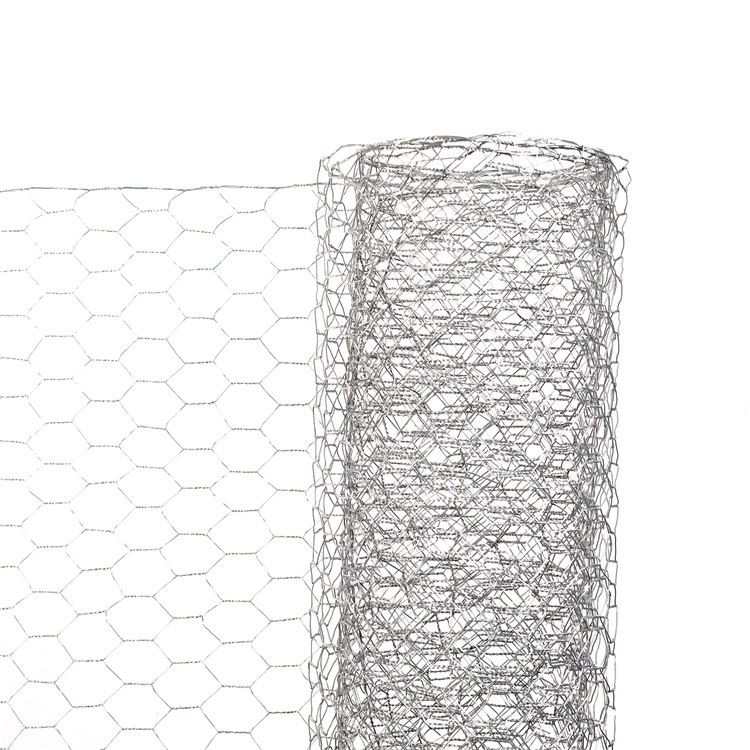
In simple terms, hexagonal plastic mesh refers to plastic netting or screening material manufactured with a six-sided (hexagonal) pattern. This geometric shape offers several advantages over square or rectangular meshes, notably greater strength-to-weight ratios and flexibility. Typically made from polypropylene or polyethylene, it’s resistant to UV rays, chemicals, and moisture.
Industrially, it helps reinforce concrete, protect crops, contain materials, or shape lightweight barriers. Humanitarian efforts use it for quick fencing or shelter reinforcement because it’s easy to handle and deploy in terrains where nothing else quite fits.
Core Aspects of Hexagonal Plastic Mesh
Durability
One of the standout features is longevity. Unlike metal mesh that rusts or wooden fences that degrade, plastic mesh endures harsh environments. UV inhibitors add years to its life span, making it perfect for outdoor use.
Flexibility & Adaptability
Its hexagonal shape grants it a subtle elasticity, allowing bends without breaks. This comes in handy when wrapping uneven surfaces or creating customized shapes for protective covers.
Cost Efficiency
Manufacturers often tout that it cuts costs by reducing installation time and maintenance. It’s lightweight, so shipping expenses drop—a nontrivial factor when delivering materials to remote areas.
Environmental Impact
While plastic raises eyebrows environmentally, many meshes now use recyclable or partially bio-based polymers, balancing performance with sustainability efforts.
Scalability
Sheets can be fabricated in various thicknesses and mesh sizes, accommodating everything from delicate agriproduct protection to industrial reinforcement.
Mini takeaway: Durability, design, and economy make hexagonal plastic mesh a clever solution that’s also evolving to meet eco-conscious demands.
Hexagonal Plastic Mesh in Real-World Applications
Across continents, this mesh plays a role you might not expect:
- Agriculture: Farmers in Mediterranean countries use it to shield young vines from pests and weather, benefiting from its breathable yet protective features.
- Construction: In fast-paced urban zones (think China or Brazil), it reinforces plaster or concrete forms, reducing cracking and improving structural integrity.
- Disaster Relief: Following typhoons or earthquakes in Southeast Asia, agencies deploy plastic mesh fences for controlled access or debris containment because it’s quick to set up and light as a feather.
- Wildlife Conservation: Protected parks in Africa or Australia use it to create safe zones for endangered species, relying on its non-toxic, weatherproof character.
In terms of scale and diversity, the mesh has found a comfortable niche. Not flashy, but effective — and that’s often better.
Advantages & Long-Term Value
The tangible benefits of hexagonal plastic mesh go beyond just price or flexibility:
- Cost Savings: Its lifespan and low maintenance make it a bargain in lifecycle cost calculations.
- Safety & Dignity: In humanitarian setups, stable, secure fencing safeguards displaced populations, creating a sense of order amid chaos.
- Innovation: Materials engineers continuously improve mesh properties, creating hybrid solutions that combine strength with biodegradability.
- Trust & Reliability: Governments and NGOs favor it for consistent performance worldwide, often backed by ISO certifications.
It may sound like a humble mesh, but it carries an outsized impact.
Product Specification Table: Typical Hexagonal Plastic Mesh
| Specification | Details |
|---|---|
| Material | Polypropylene (PP) / Polyethylene (PE) |
| Mesh Opening Size | 10mm - 30mm (customizable) |
| Thickness | 0.5mm - 2.5mm |
| UV Stabilization | Included (10+ years outdoor life) |
| Roll Lengths | 25m - 100m per roll |
| Weight | 500 - 1500 grams/m² |
Vendor Comparison of Popular Hexagonal Plastic Mesh Suppliers
| Vendor | Material Options | Customization | Sustainability | Lead Time | Pricing |
|---|---|---|---|---|---|
| Five Star Metals | PP, PE, Bio-based polymers | Mesh size, thickness, roll length | High (recyclable materials) | 2-4 weeks | Mid-range |
| Global Mesh Corp | PP, HDPE | Limited thickness options | Moderate | 3-6 weeks | Budget |
| EcoMesh Solutions | Bio-based polymers only | Highly customizable | Very High | 4-5 weeks | Premium |
Emerging Trends and Innovations in Hexagonal Plastic Mesh
There's a quiet revolution underway. Material scientists are blending recycled plastics with new bio-polymers to create next-gen meshes that retain strength but reduce environmental footprint. Digital manufacturing techniques, like 3D printing mesh scaffolds or integrating conductive filaments, are also gaining traction in niche applications such as smart agriculture or sensor-laden structures.
Meanwhile, regulatory bodies — thanks to initiatives from the UN Environment Programme — push for standards encouraging circular economy practices in plastics. I suppose it’s only a matter of time before you see hex mesh embedded with RFID tags for asset tracking or geo-location in construction.
Overcoming Challenges
Despite many strengths, challenges remain. One is environmental concern related to plastic waste. But, innovative recycling programs and biodegradable alternatives are reducing this worry. Technical hurdles like maintaining mesh integrity in extreme cold or ultra-heavy loads occasionally crop up, but manufacturers respond by reinforcing mesh polymers or blending composites.
Then there’s the logistics challenge of scaling deliveries to remote places without damaging the material. Here, compact roll packaging and flexible inventory management strategies become indispensable.
FAQs About Hexagonal Plastic Mesh
Q1: How durable is hexagonal plastic mesh in harsh climates?
A1: Most hexagonal plastic meshes come UV-stabilized and resistant to moisture, offering 10+ years of outdoor performance even under intense sunlight or heavy rain. However, extremes like Arctic cold can make them brittle, so specialized formulations may be needed.
Q2: Can hexagonal plastic mesh be recycled?
A2: Yes, meshes made from polypropylene or polyethylene are recyclable. Many vendors now offer recyclable or even partially bio-based options. Proper post-use collection is essential to ensure they re-enter the recycling stream efficiently.
Q3: What are typical use cases for this mesh in agriculture?
A3: It’s widely used to protect crops from birds, provide plant support, control soil erosion, and sometimes create temporary animal enclosures, especially where economies demand cost-effective, non-corrosive solutions.
Q4: How customizable is hexagonal plastic mesh for industrial needs?
A4: Pretty customizable — mesh opening sizes, thickness, color, UV inhibitors, and roll dimensions can all be tailored. Many suppliers, like Five Star Metals, specialize in custom orders for specific industry requirements.
Closing Thoughts: Mesh for a Modern World
Hexagonal plastic mesh might sound like an unassuming product, but its applications ripple across the globe. Its mix of durability, adaptability, and responsible sourcing addresses real needs — from making farms more productive, to stabilizing construction sites, to bringing dignity to displaced communities.
If you’re considering materials for your next project, it’s worth exploring the options. You can find quality selections and customization at Five Star Metals. Sometimes, the simplest solutions turn out to be the strongest.
Mini takeaway: Hexagonal plastic mesh blends science, sustainability, and practicality — a small hexagon with big potential.
References:
1. United Nations Department of Economic and Social Affairs (UNDESA), 2018. World Urbanization Prospects.
2. ISO Standards for Sustainable Materials: ISO 83.080
3. Wikipedia contributors, “Hexagonal tiling,” Wikipedia, The Free Encyclopedia.


-
Canton Fair 2026-4 in Guangzhou,China
NewsApr.24,2027
-
High Quality Common Nails 1212 for Construction Projects
NewsApr.16,2026
-
The 139th Canton Fair
NewsApr.14,2026
-
Guide to Using Galvanised Common Round Nails for Durable Construction
NewsApr.09,2026
-
Comprehensive Guide to Flat Head Common Nails for Construction Projects
NewsApr.07,2026
-
Understanding the Versatility of the Common Nail 5 5 for Various Applications
NewsApr.04,2026