Steel Chicken Mesh: Durable, Versatile Solutions for Agriculture & Industry
Understanding Steel Chicken Mesh: The Unsung Hero of Modern Mesh Solutions
If you've ever come across fence panels or protective enclosures made from thin yet sturdy metal grids, you might have encountered steel chicken mesh. This humble material might not grab headlines like high-tech alloys or composites, but its relevance stretches from rural farms to sprawling construction sites worldwide. Today, we’ll explore what makes steel chicken mesh a quietly crucial player in industries ranging from agriculture to humanitarian aid.
Why Steel Chicken Mesh Matters Globally
The world produces an estimated 1.8 billion tons of steel annually (World Steel Association, 2023), and a small yet important slice of that transforms into various wire meshes, including chicken mesh. Steel chicken mesh addresses tangible challenges: protecting livestock, securing perimeters, supporting infrastructure, and enabling safe, sanitary environments in disaster-hit or resource-limited settings.
Globally, the poultry sector alone supports livelihoods for millions. The Food and Agriculture Organization (FAO) reports that over 70% of rural households in many developing countries rely on small-scale chicken farming. Steel chicken mesh provides a low-cost, durable solution to protect flocks from predators and disease vectors, among other practical uses.
But the value of steel chicken mesh goes beyond farms — humanitarian organizations leverage it for fast and robust shelter construction. In other words: it tackles problems of security, hygiene, and sustainability worldwide.
What Exactly Is Steel Chicken Mesh?
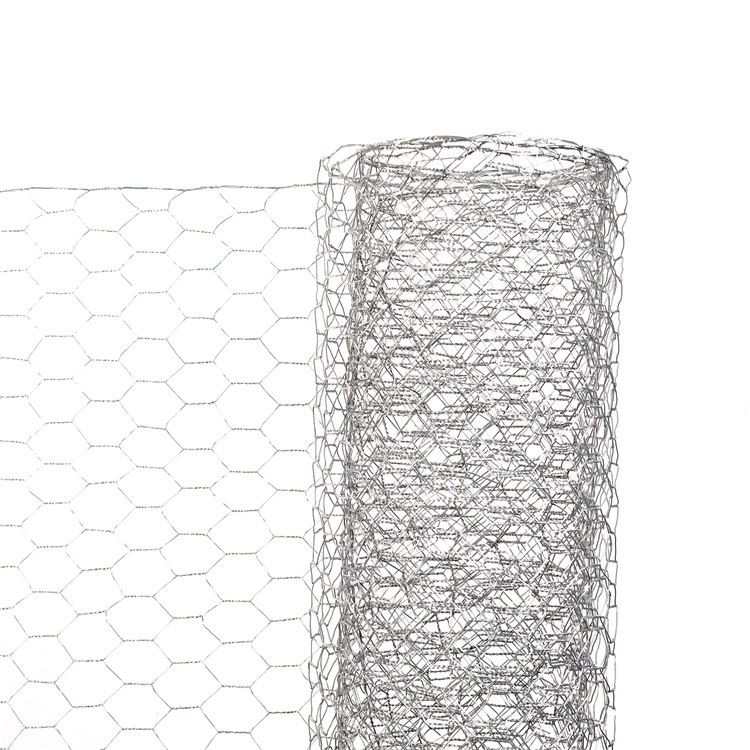
At its core, steel chicken mesh is a mesh of thin galvanized or stainless steel wire woven into a hexagonal pattern. Sometimes called poultry netting or hex netting, its flexible design creates a lightweight yet tough barrier. Unlike solid fencing panels, the mesh's open hex shapes provide strength while letting light, air, and water pass through.
It is widely used to enclose poultry areas, which is where the name originates. But it’s not just about chickens nowadays. This mesh now plays a role in modern industries that require lightweight containment or reinforcement — think erosion control, crafting compost bins, or serving as a structural element in disaster relief shelters.
Simply put: steel chicken mesh is a humble, versatile mesh solution that balances economy with durability and flexibility.
Key Features That Define Steel Chicken Mesh
Durability — Built to Last
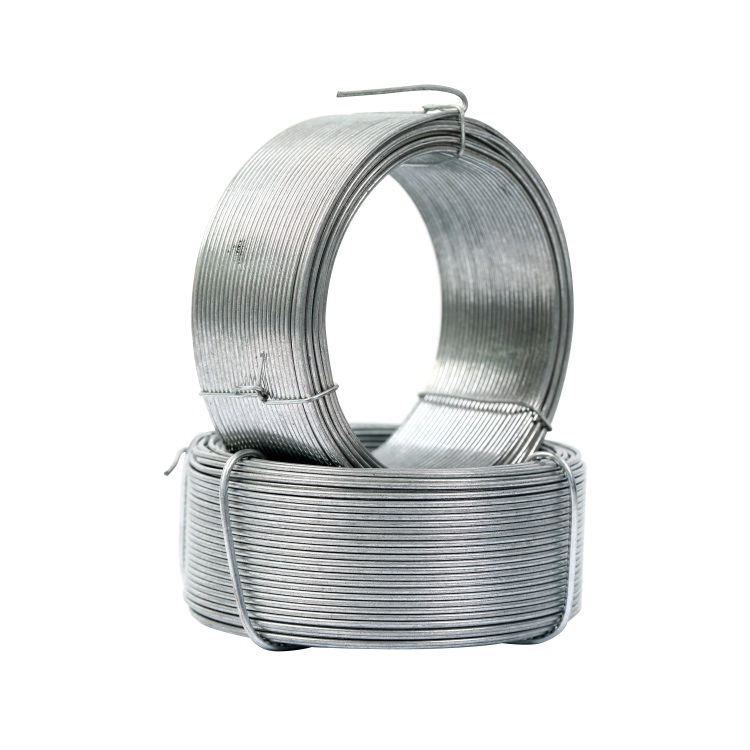
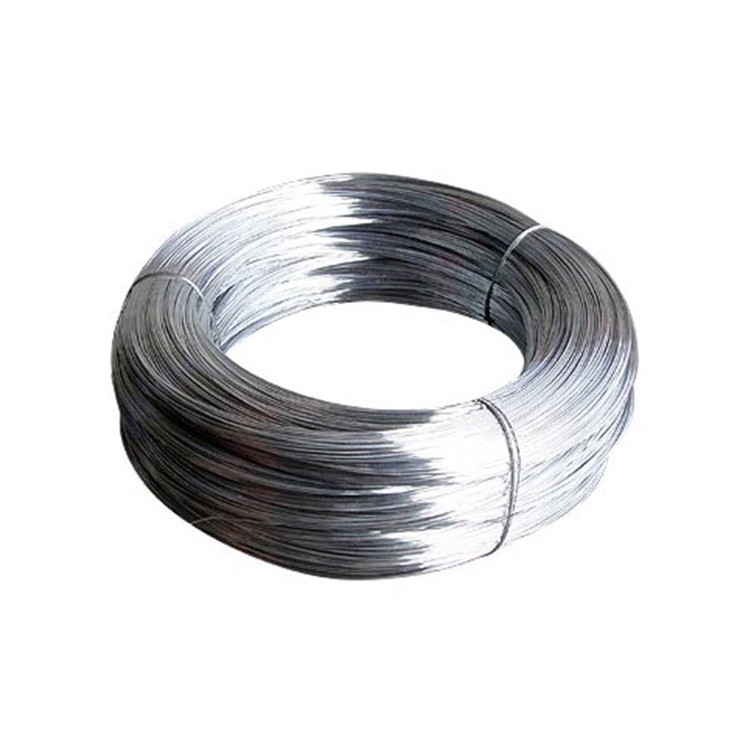
One of the primary reasons for steel chicken mesh’s popularity is its resistance to corrosion and wear. The wires are frequently galvanized, or sometimes coated with PVC, extending their lifespan from mere months to years outdoors. This makes it ideal for harsh weather conditions across geographic regions — from wet tropics to snowy plains.
Flexibility — The Hexagonal Advantage
The honeycomb-like hexagonal pattern isn’t just pretty; it provides flexibility, enabling the mesh to bend around curved surfaces or uneven terrain without breaking. This flexibility is vital in quickly erected temporary setups or complex shapes, such as protective cages or hillside reinforcements.
Cost Efficiency — Affordable Protection
Compared to solid metal panels or even welded wire fabric, steel chicken mesh is remarkably cost-effective. Its material usage is minimized via open mesh design, reducing weight and cost, but without sacrificing structural integrity. For farmers and NGOs working with tight budgets, this makes the mesh a practical choice.
Scalability — Small Farms to Large-Scale Projects
Whether you are building an enclosure for a backyard coop or securing a large construction project, steel chicken mesh scales efficiently — you can buy it in rolls and cut to size on-demand, making inventory and deployment straightforward.
Environmental Compatibility
Since many steel chicken meshes are recyclable and sometimes coated with eco-friendly materials, they contribute to sustainable practices in construction and agriculture. Their breathability also promotes healthy airflow in enclosed environments.
How Is Steel Chicken Mesh Used Around the World?
From the small-scale backyard farmer in Southeast Asia to large engineering projects in Europe, this mesh finds myriad uses:
- Agricultural fencing: Protects poultry and small livestock from predators like foxes, birds of prey, or stray dogs.
- Erosion control and landscaping: Encases soil or plants, preventing washouts and maintaining slope integrity.
- Disaster relief shelters: Forms the framework or reinforcement for lightweight, ventilated emergency housing.
- Construction applications: Reinforces concrete, supports insulation panels, or serves as temporary site barriers.
- Wildlife conservation: Secures habitat enclosures to ensure species protection.
In fact, humanitarian groups in post-disaster zones in Africa and South Asia often turn to steel chicken mesh for erecting swiftly deployable, robust fencing and shelter frameworks — a lifesaver when traditional materials are scarce.
Product Specification Table: Typical Steel Chicken Mesh
| Specification | Typical Value | Notes |
|---|---|---|
| Material | Galvanized Steel Wire | Sometimes PVC coated for extra durability |
| Wire Diameter | 0.7 – 1.2 mm | Thicker wires for more heavy-duty applications |
| Mesh Opening Size | 25 mm Hexagonal | Sizes vary up to 50 mm |
| Roll Size | 1 m × 25 m (standard) | Custom sizes available |
| Weight per Roll | ~7 – 10 kg | Depends on wire thickness |
Comparing Popular Steel Chicken Mesh Vendors
| Vendor | Material Quality | Customization Options | Lead Time | Global Shipping |
|---|---|---|---|---|
| Five Star Metals | Premium galvanized with PVC coating options | Roll width, length, and wire gauge | 1–2 weeks | Yes, worldwide |
| Mesh Pro Ltd. | Standard galvanized wire | Limited roll sizes | 3–4 weeks | Regional (Asia only) |
| Global Wire Mesh | High-grade stainless steel options | Custom orders on request | 2–3 weeks | Worldwide |
Long-Term Advantages of Using Steel Chicken Mesh
Choosing steel chicken mesh isn’t just about immediate needs — it offers long-term value in multiple senses. Firstly, its durability means fewer replacements, saving money and resources over years. Then, there’s sustainability: most meshes are recyclable steel, aligning with circular economy goals.
On the social front, steel chicken mesh protects livelihoods by safeguarding poultry and small livestock, thus ensuring food security especially in rural or vulnerable regions. It’s a tool that fosters safety, dignity, and trust between farmers and their animals or between communities and aid organizations.
And, from a logistical standpoint, the ease of transport and installation makes it very efficient. Lightweight rolls mean less manpower and quicker deployment — invaluable in emergency or remote scenarios.
Future Innovations in Steel Mesh Technology
Steel chicken mesh won’t stay static; already, research is underway to improve galvanizing techniques and even integrate nano-coatings for better corrosion resistance. Some companies experiment with smart mesh — embedding sensors within mesh to monitor structural integrity or detect breaches.
Green steel efforts (using hydrogen instead of coal in steelmaking) could soon make steel chicken mesh greener. Plus, automation in manufacturing allows for more precise, consistent mesh weaving at scale, lowering costs and environmental footprints.
Common Challenges and Practical Solutions
That said, steel chicken mesh isn’t perfect. It can sometimes rust if the galvanizing is thin or damaged. For coastal regions with highly salty air, more robust coatings or stainless steel may be needed. Another issue is mesh deformation under heavy impact, which limits how high fences can be built solely from this mesh.
Solutions? Regular maintenance and inspection, enhanced coatings, and combining with other materials (like posts or solid panels) improve longevity and performance. Experts advise choosing mesh thickness and coating carefully based on local environment and use-case.
FAQ: Common Questions About Steel Chicken Mesh
- Q: How long does steel chicken mesh typically last outdoors?
- A: Properly galvanized steel chicken mesh can last 7–10 years outdoors. PVC-coated variants add extra years by resisting corrosion better, especially in humid or salty environments.
- Q: Is steel chicken mesh easy to install for someone without experience?
- A: Yes. The mesh comes in rolls that are cut to size and attached to posts or frames. Basic tools like wire cutters and pliers suffice. Many choose to secure it with staples or fencing clips.
- Q: Can steel chicken mesh be recycled?
- A: Absolutely. Steel is one of the most recycled materials worldwide. Removing coatings may be required depending on recycling facility rules.
- Q: Does the mesh cause harm to poultry?
- A: No, when installed correctly, the mesh is safe. The wire diameter and hex size prevent injury while effectively containing birds.
- Q: How can NGOs import steel chicken mesh affordably?
- A: Working with manufacturers offering bulk discounts and using consolidated shipments reduces costs. It helps to coordinate with vendors experienced in international logistics and customs.
Wrapping Up: Why Steel Chicken Mesh Still Matters
In a world full of flashy new materials and complex building systems, steel chicken mesh holds its own by being simple, effective, and versatile. Its role in agriculture, construction, and emergency relief highlights a quiet, enduring importance. If you’re interested in learning more or sourcing top-quality steel chicken mesh, check out Five Star Metals for reliable options.
1. World Steel Association (2023). World Steel in Figures.
2. Food and Agriculture Organization (FAO). Poultry sector overview.
3. ISO Standards for wire mesh and coatings.


-
Canton Fair 2026-4 in Guangzhou,China
NewsApr.24,2027
-
High Quality Common Nails 1212 for Construction Projects
NewsApr.16,2026
-
The 139th Canton Fair
NewsApr.14,2026
-
Guide to Using Galvanised Common Round Nails for Durable Construction
NewsApr.09,2026
-
Comprehensive Guide to Flat Head Common Nails for Construction Projects
NewsApr.07,2026
-
Understanding the Versatility of the Common Nail 5 5 for Various Applications
NewsApr.04,2026