Pet Wire Hexagonal Mesh for Aquaculture: Durable Solutions for Sustainable Fish Farming
Understanding Pet Wire Hexagonal Mesh for Aquaculture: Why It Matters Globally
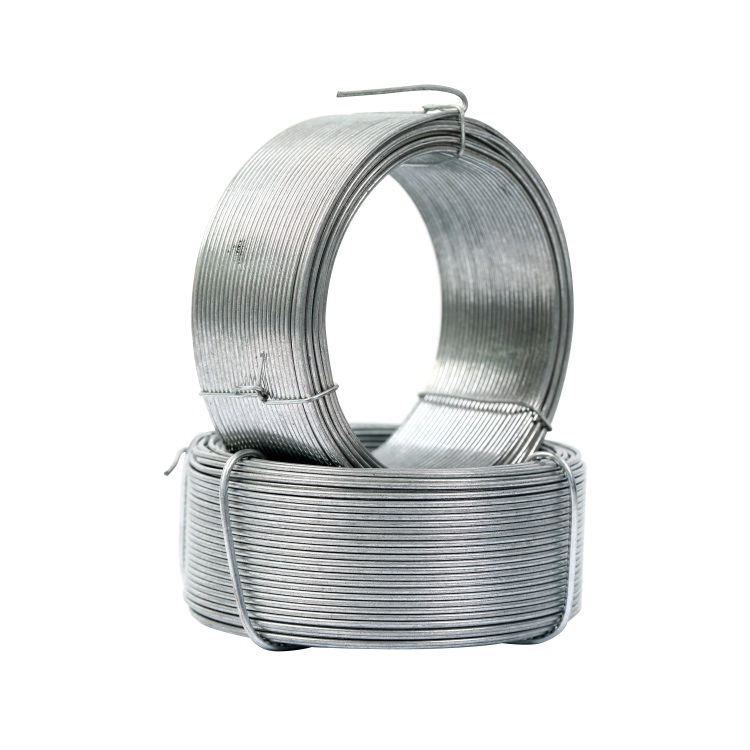
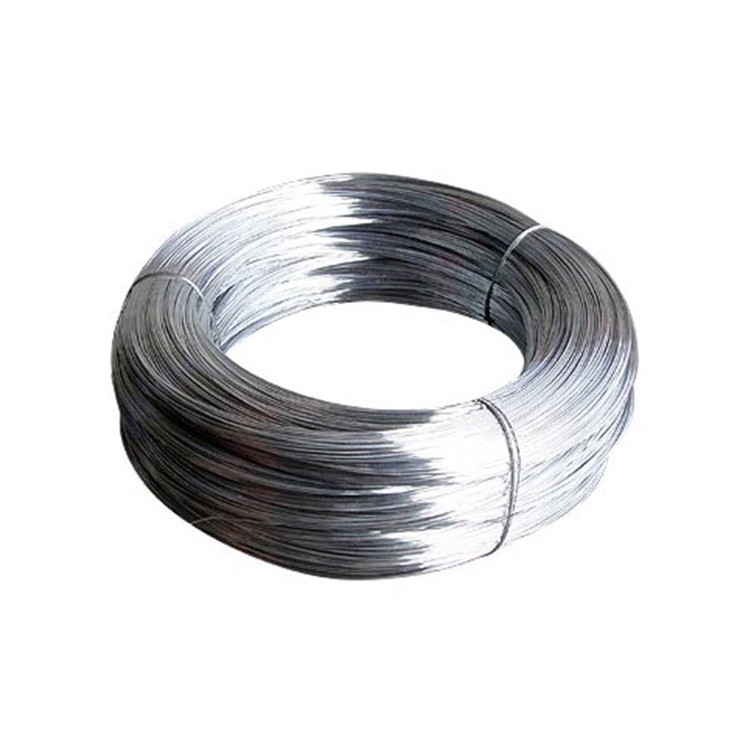
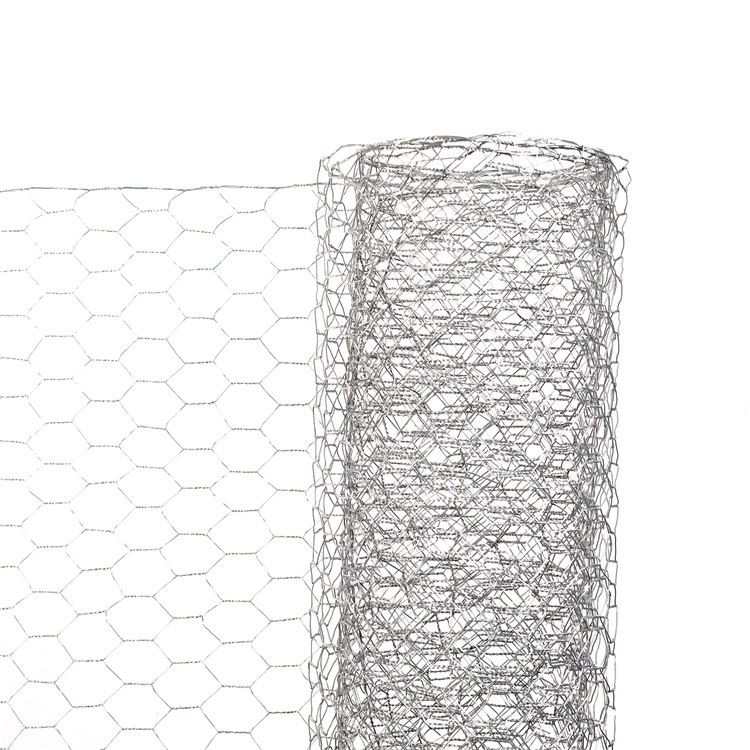
Every now and then, you stumble on a product that quietly underpins an entire industry, steering it toward sustainability, efficiency, and resilience. Pet wire hexagonal mesh for aquaculture is one such unsung hero. Essentially, this is a woven wire mesh made using galvanized or stainless steel wires fashioned into hexagonal patterns — think chicken wire but far tougher, more corrosion-resistant, and optimized for aquatic farming applications.
Why does this matter on a global scale? To put it simply, the aquaculture sector is booming — in fact, over half of the world’s seafood supply now comes from farmed sources rather than wild catches (FAO, 2022). With demand soaring, sustainable fish farming methods that protect marine life, support economies, and minimize environmental impact have never been more critical. That’s where pet wire meshes come in — they shape aquatic enclosures and cages that are safe, durable, and customizable, helping countless communities meet growing protein needs without overfishing oceans.
In this article, I’ll walk you through the ins and outs of this material — what it is, how it works, and why it’s fast becoming an essential tool for aquaculture engineers and environmental planners alike.
Setting the Stage: The Global Aquaculture Context
Globally, aquaculture accounts for a significant chunk of animal protein consumption—estimated at 120 million tonnes annually, with a market value nearing $280 billion USD (World Bank, 2023). Yet, challenges persist: from water contamination and habitat loss to fish escapes and disease outbreaks.
Traditional fencing solutions for fish farms often fail to offer both strength and corrosion resistance, especially in saline or freshwater settings. Some communities have resorted to makeshift nets or wooden structures, which degrade quickly. The environmental and economic toll? High.
Pet wire hexagonal mesh addresses these issues directly — providing an affordable yet robust framework for enclosures that last longer and perform better under water stresses. It also supports modular, scalable setups that align well with modern aquaculture trends focused on efficiency.
What Exactly Is Pet Wire Hexagonal Mesh for Aquaculture?
At its core, pet wire hexagonal mesh consists of interconnected wires twisted into a hexagonal pattern. The term “pet wire” originally referred to Protective, Economical, and Tough wire mesh, meant for various industrial uses, but its application in aquaculture has grown significantly.
- Material composition: Usually galvanized or stainless steel wires resistant to rust and biofouling.
- Mesh size: Varies from 5mm up to 50mm depending on species and water conditions.
- Thickness: Wire gauges range roughly 0.4mm up to 2.5mm for heavy-duty enclosures.
This mesh forms secure cages, pond fences, or containment nets that facilitate fish farming by preventing escapes and deterring predators, all while letting water flow freely. It’s a perfect intersection of mechanical durability and environmental sensitivity.
Key Factors Behind the Success of Pet Wire Hexagonal Mesh
Durability Against Corrosion and Mechanical Stress
You’d be surprised how fast metals corrode underwater if untreated. The galvanized coating or stainless steel variants of pet wire mesh prevent rust that would compromise structure integrity within months. Many fish farmers swear by these coatings for extending operational life to over 10 years.
Scalability and Customization
One size rarely fits all, particularly across diverse aquaculture species and geographies. Mesh size, wire gauge, and panel dimensions can be tailored to specific farm requirements — from small-scale shrimp ponds in Southeast Asia to offshore salmon farms in Norway.
Cost-Efficiency and Accessibility
Compared to fiberglass, plastic nets, or welded mesh cages, pet wire hexagonal mesh usually comes at a fraction of the cost. Its ease of installation also reduces labor expenses and downtime. This is crucial where budgets are tight but safety and reliability can’t be compromised.
Environmental Compatibility
Because the mesh allows for natural water flow, it minimizes stagnation and the buildup of harmful bacteria. Plus, by reducing fish escapes, it helps protect wild populations from genetic dilution — a growing ecological concern.
How and Where Is It Used Around the World?
You’ll find pet wire hexagonal mesh for aquaculture everywhere — from the sprawling fish farms dotting China’s rivers to coastal mollusk cages in the Mediterranean.
- Asia: Many coastal farming communities use the mesh for mullet and crab containment, combining affordability with resistance to saline corrosion.
- Europe: Norway and Scotland employ it extensively in salmon farming, favoring stainless steel variants for open sea durability.
- Africa: Inland fisheries in Ghana and Kenya utilize it for cage aquaculture in lakes and reservoirs as part of sustainable food programs.
- Disaster Relief and Emergencies: In areas impacted by floods, fast-deploy mesh cages help salvage vulnerable fish stocks for livelihood recovery.
Interestingly, a shrimp farm in Vietnam managed to reduce fish escapes by 30% after switching to pet wire hex mesh — a small change that meant huge economic savings (ISO Aquaculture Standards).
Advantages and Long-Term Value: More than Just Metal Wires
Honestly, the benefits go beyond straightforward durability and cost savings. The mesh also fosters a sense of trust among stakeholders — farmers gain confidence in their infrastructure, consumers benefit from sustainably farmed seafood, and environmental agencies appreciate the reduced ecological footprint.
There’s a social dignity element here too — empowering small-holder farmers with affordable, reliable farming tools cultivates food security and economic uplift in vulnerable regions.
The Road Ahead: Emerging Trends and Innovations
Manufacturers are tinkering with nano-coatings to push corrosion resistance even further, and integrating sensors into mesh panels to monitor water quality and fish behavior remotely. Automation and IoT-enabled aquaculture are no longer sci-fi concepts but practical realities where pet wire mesh acts as a smart structural backbone.
Plus, sustainability pushes drive demand for recyclable materials and eco-friendly coatings, aligning with global carbon targets and circular economy models. For sure, the pet wire mesh industry will need to keep adapting.
Addressing Challenges: Common Issues and Solutions
- Biofouling: Accumulation of algae can reduce water flow; periodic cleaning and anti-fouling treatments help.
- Mechanical Damage: Extreme weather can damage meshes; reinforcing edges and thicker wires mitigate this.
- Cost vs. Durability: High-grade alloys cost more upfront but save on replacement and losses long-term.
It feels like choosing the right pet wire mesh is a balancing act between technical specs and local conditions, which is why vendor expertise matters (more on that below).
FAQ: Common Questions About Pet Wire Hexagonal Mesh for Aquaculture
- How long does pet wire hexagonal mesh last in typical aquaculture environments?
- The lifespan typically ranges from 5 to 15 years, depending on material (galvanized vs stainless steel), water salinity, and maintenance practices.
- Can the mesh size be customized for different fish species?
- Absolutely. Mesh sizes and wire gauges are tailored depending on the species’ size and containment needs — from shrimp to large fish like tilapia or salmon.
- Is it easy to install and maintain?
- Installation is straightforward, often requiring just basic tools and labor. Routine cleaning reduces biofouling and prolongs usability.
- How environmentally friendly is this material compared to alternatives?
- Pet wire hexagonal mesh allows natural water circulation, reducing environmental impact. It’s also often recyclable and more durable than plastic nets.
- Where can I buy reliable pet wire hexagonal mesh for aquaculture?
- Many specialized manufacturers exist — choosing one with ISO certifications and customization capabilities is recommended (see the comparison table below).
Pet Wire Hexagonal Mesh for Aquaculture: Product Specification Overview
| Specification | Details |
|---|---|
| Material | Galvanized steel / Stainless steel (304, 316) |
| Wire Diameter | 0.4mm – 2.5mm |
| Mesh Size (Hexagon Opening) | 5mm – 50mm |
| Coating | Hot-dip galvanization / PVC coating / Nano coatings (emerging) |
| Tensile Strength | 400 – 600 MPa |
| Panel Size | 1m x 10m, customizable |
Vendor Selection: Comparing Top Pet Wire Hexagonal Mesh Suppliers
| Vendor | Product Range | Certifications | Pricing Tier | Customization |
|---|---|---|---|---|
| Five Star Metals | Wide (Galv & Stainless, PVC coated) | ISO 9001, ISO 14001 | Mid-range | High, including custom mesh sizes and panel dimensions |
| Ocean Mesh Corp | Focused on stainless steel only | ISO 9001 | Premium | Custom projects on request |
| AquaWire Supplies | Mostly galvanized, bulk orders | ISO 14001 | Budget | Limited customization |
Choosing the right supplier makes a world of difference because it affects long-term durability, ease-of-use, and environmental compliance. Personally, I’ve found pet wire hexagonal mesh for aquaculture from Five Star Metals strikes a perfect balance for most aquaculture needs.
Wrapping Up: Why You Should Care About Pet Wire Hexagonal Mesh for Aquaculture
To sum it all up, pet wire hexagonal mesh is more than just a building material — it’s a foundational component enabling modern aquaculture to thrive with sustainability and security. Whether you’re a fish farmer in Southeast Asia or a commercial seafood supplier in Europe, understanding and investing in quality mesh solutions is a smart move.
In time, innovations like IoT integration and greener materials will put this humble mesh at the heart of a food tech revolution. So next time you enjoy a sustainably farmed fillet, chances are good this mesh quietly played its part.
Curious to see how high-grade pet wire hexagonal mesh for aquaculture could upgrade your operation? Take a look at Five Star Metals and explore specs, options, and custom solutions firsthand.
Mini Takeaways:
- Pet wire hexagonal mesh offers durable, cost-effective containment crucial for sustainable aquaculture.
- Its corrosion resistance and scalability make it suited for diverse global regions and species.
- Choosing the right mesh and supplier can save money, improve yields, and reduce environmental impact.
References


-
Canton Fair 2026-4 in Guangzhou,China
NewsApr.24,2027
-
High Quality Common Nails 1212 for Construction Projects
NewsApr.16,2026
-
The 139th Canton Fair
NewsApr.14,2026
-
Guide to Using Galvanised Common Round Nails for Durable Construction
NewsApr.09,2026
-
Comprehensive Guide to Flat Head Common Nails for Construction Projects
NewsApr.07,2026
-
Understanding the Versatility of the Common Nail 5 5 for Various Applications
NewsApr.04,2026